
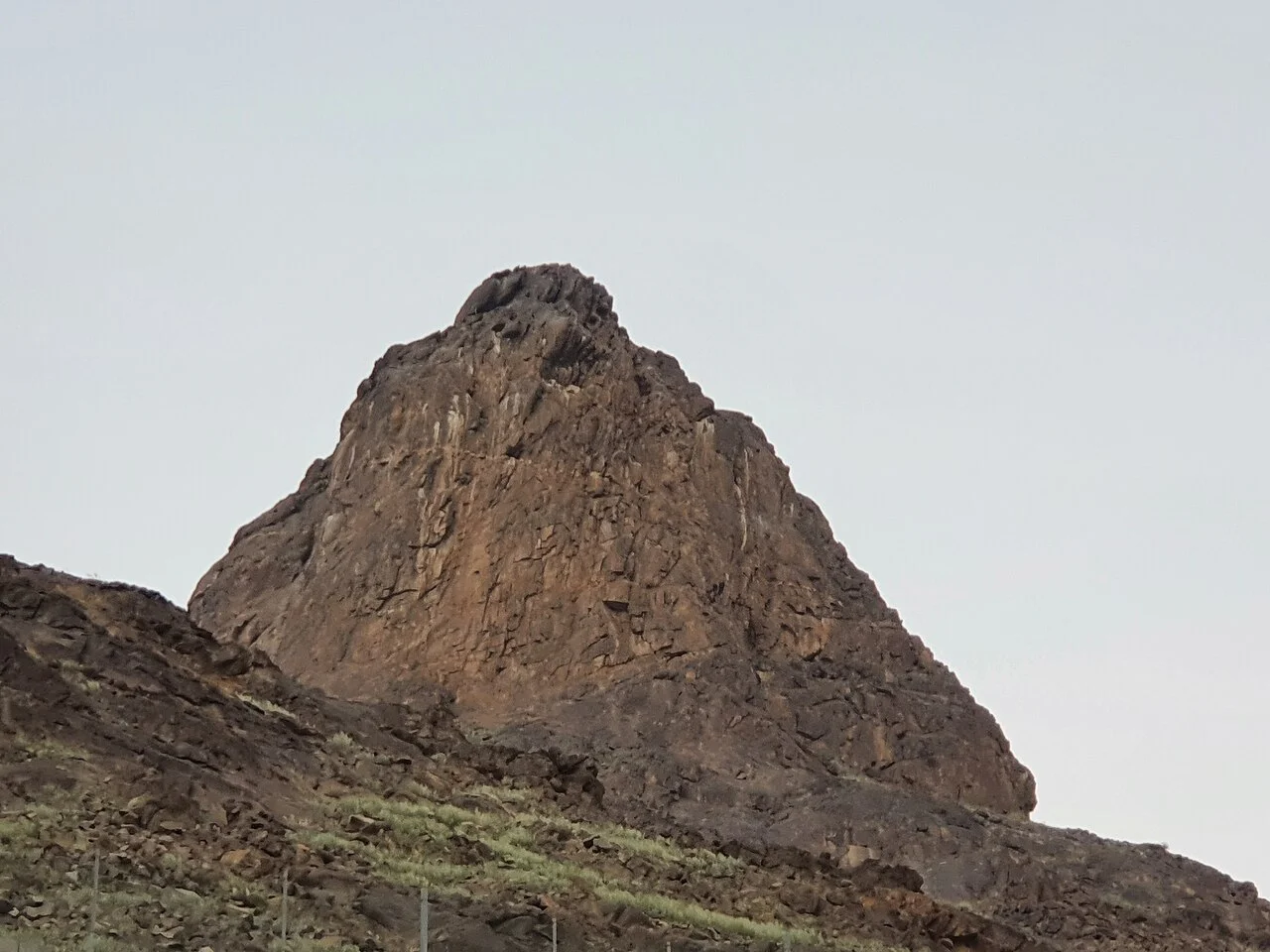
A journey to Makkah centres on worship, with historical exploration gaining meaning when it supports that purpose. Tatilmerkezi Stork suggests an orderly first day around the Grand Mosque, time to understand Hira and an unhurried Hijazi meal. This guide is intended for Muslim visitors who are eligible to enter Makkah. Official guidance excludes non-Muslims from the sacred area; a Saudi visa does not grant access to every place. Umrah and Hajj have different permission processes. Begin with the official Nusuk and ministry guidance applicable to your own travel dates, rather than a timetable found in an announcement from a previous season.
A first day around the Grand Mosque
The first useful task is to establish the actual connection between your accommodation and worship. A hotel that appears close on a map may have an entrance or pedestrian approach different from the one you imagined. Save its address offline, agree on a meeting point with companions and identify the return route. Complete the preparations needed for the purpose of your visit before adding other city activities. Open entrances, local instructions and crowd conditions can change the practical shape of the day. If someone in the group walks more slowly, build the programme around a pace that everyone can follow comfortably.
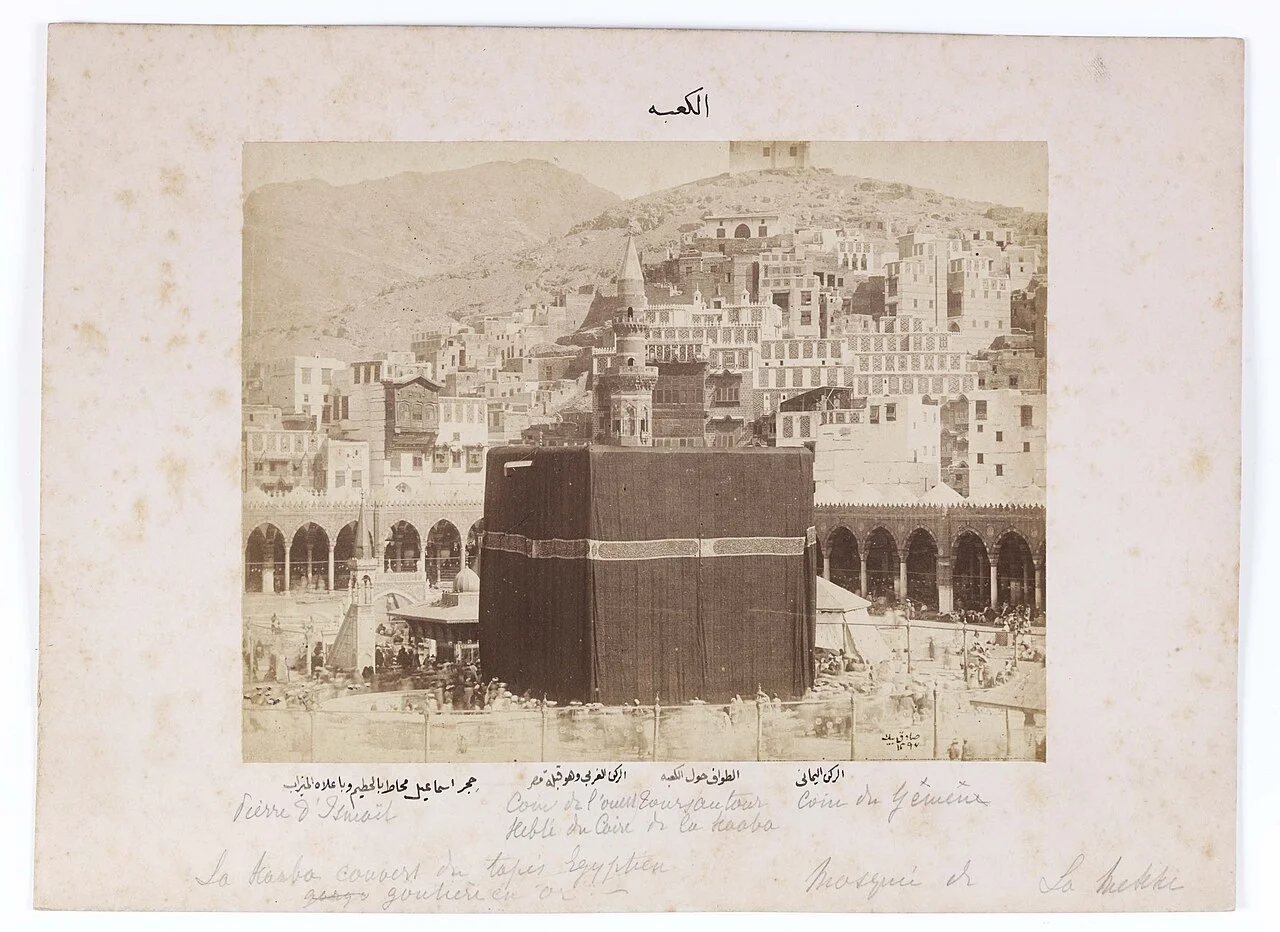

Do not approach the Kaaba and the Grand Mosque as a landscape photography circuit. Attention to worshippers, passageways and instructions is part of visiting respectfully. On arrival, a short introduction to the surroundings, rest and a straightforward return to the hotel may be enough. Instead of putting an attraction into every spare interval after a long journey, leave room for a comfortable start the following morning. Follow current official guidance for any procedure or visit that requires permission: a hotel booking and a flight ticket do not substitute for it. Hajj dates and restrictions must be checked for the actual season, not copied from an older notice.
Understanding Hira and Jabal al-Nour
Jabal al-Nour and Hira Cave are associated with the account of the first revelation. Ministry visiting guidance expressly states that climbing to the cave is not part of Hajj and that access is difficult, particularly for elderly or unwell visitors. Stork therefore does not propose it as a required ascent. Researching Hira Cultural District and its officially presented historical interpretation offers another way to understand the setting. Confirm which sections, exhibitions and experiences are accessible on your chosen date before arranging transport. A historical interest should not quietly become an obligatory physical challenge for every travelling companion.
Treat time around the mountain as a separate transport leg after worship. Arranging the return alongside the outward journey reduces the pressure to find a vehicle in a hurry. Observing the mountain without ascending and reading about its historical association can make a worthwhile visit. Adjust time outdoors to the actual conditions and leave a longer rest interval when needed. A programme that accepts different interests and levels of activity within the group usually works better than one that demands the same excursion from everyone. If Hira occupies an afternoon, leave other distant stops for another day so exploration remains proportionate to the main purpose of the journey.
Thawr and a separate excursion
Thawr appears in the ministry's list of Makkah historical places as a mountain and cave. It is not Hira, and treating the two names as one walking destination leads to poor transport planning. Establish the actual stopping point and return connection before travelling to the Thawr surroundings. The view helps explain the mountainous setting around the city, without requiring every visitor to complete a cave ascent. Following a historical theme to the depth that interests you is a different choice from pursuing a fixed exercise goal. Ask what an organised visit includes before deciding whether it fits the day.
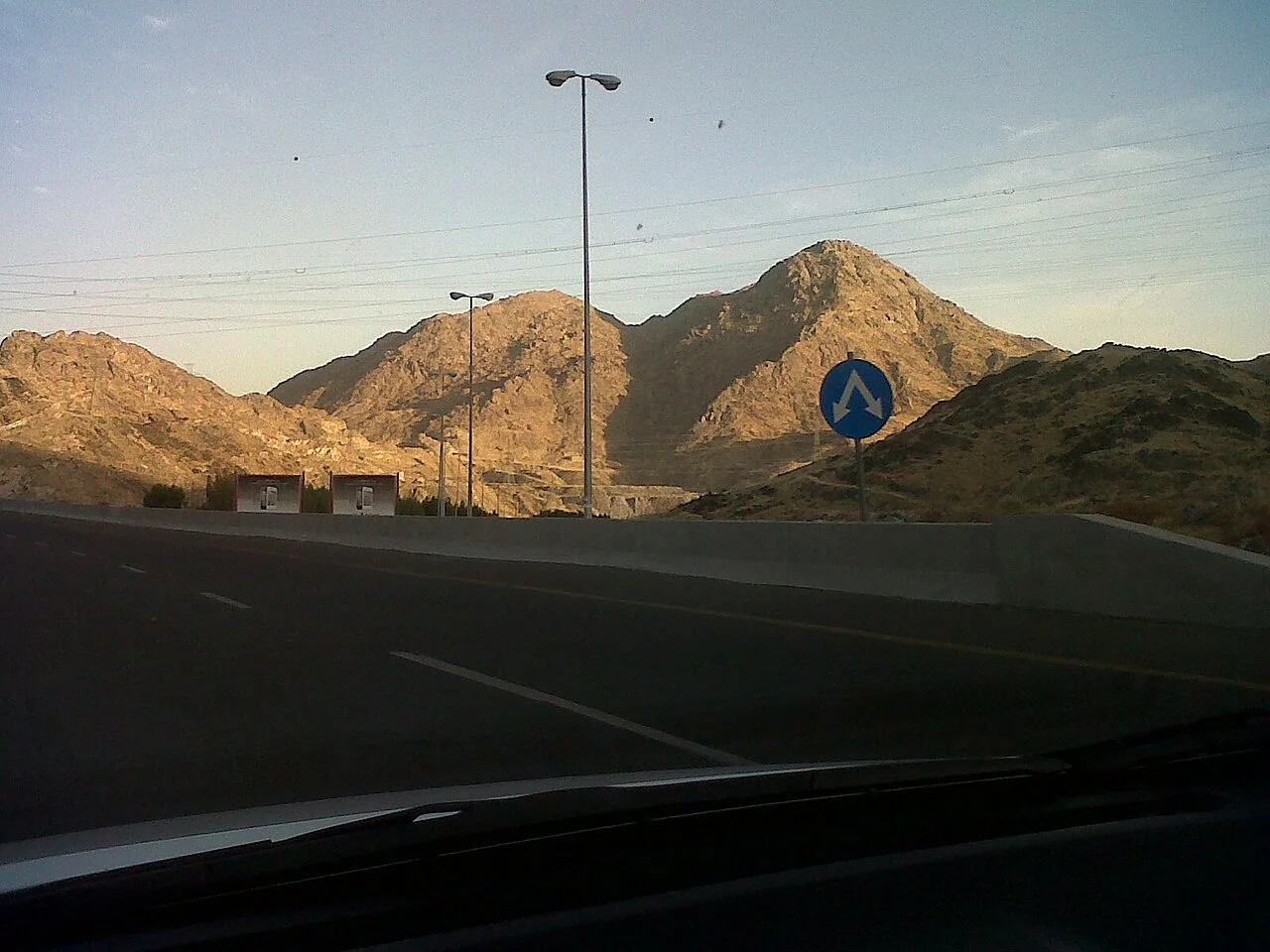

Rather than place both mountain stops in the same programme, give one more room and leave the other for later. Vehicle arrangements, the hotel return and a seated meal are real parts of this excursion, not empty intervals on a timetable. When tired, choosing a shorter central programme does not diminish the value of the journey. If using a guided visit, establish whether it includes a climb and which places are seen only from outside. Follow instructions encountered at the destination; a suggestion in a guide does not mean that every open area is accessible at every time. Keep the next day's main commitment in mind when deciding how long to remain outside.
Arafat and the holy-sites programme
Arafat forms an important part of the sacred geography associated with Hajj around Makkah. Views of Jabal al-Rahmah make the place familiar to many readers, but seeing the landscape and fulfilling Hajj are different matters. Hajj requires its own permissions and organisation. Consider Arafat, Mina and Muzdalifah in relation to current access conditions and the purpose of the journey instead of treating them as ordinary stops on a general sightseeing list. When selecting an appropriate permitted excursion, ask the organiser which spaces can actually be entered and which are viewed from the vehicle or an approved stopping place.
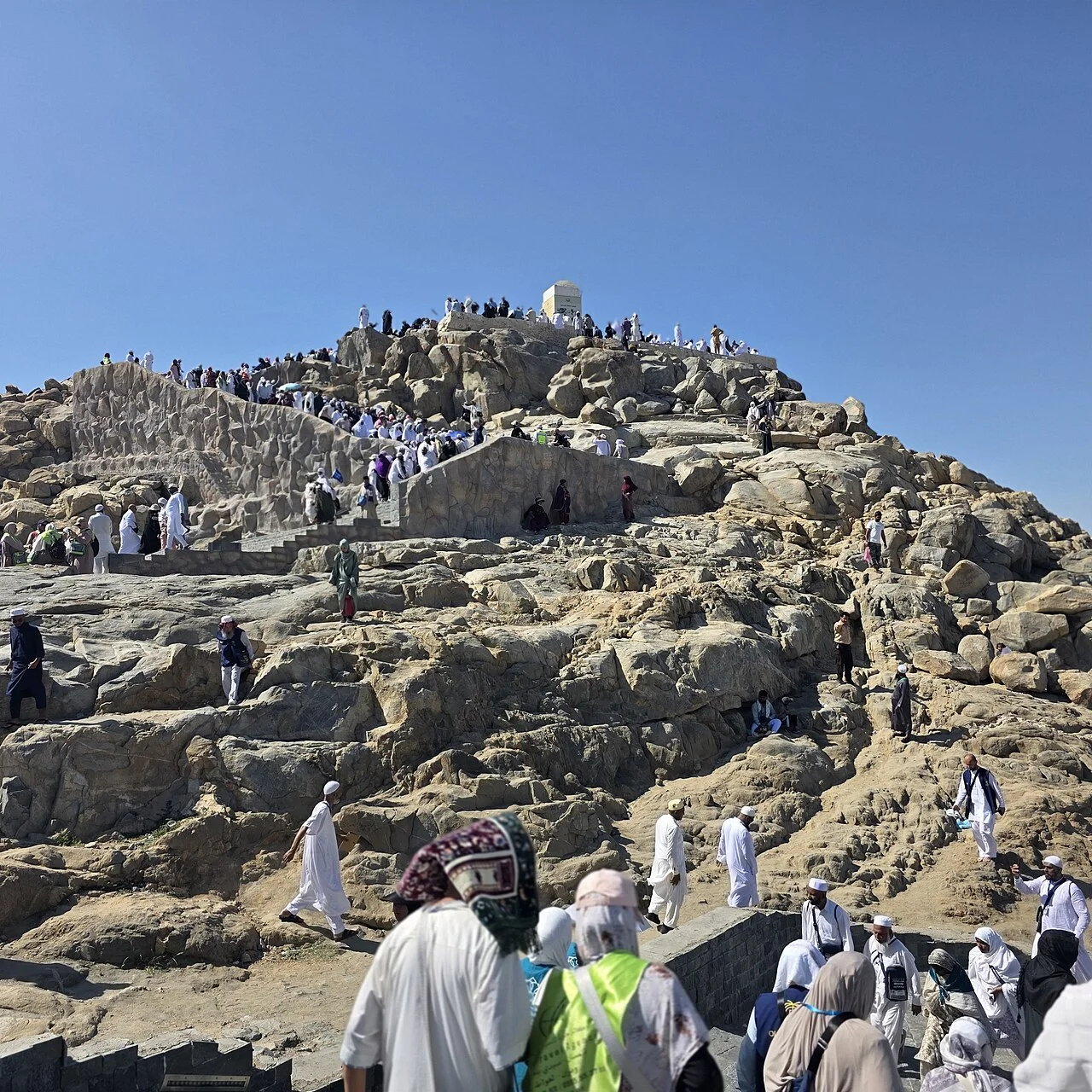

Planning the holy-sites section within one transport arrangement can avoid unnecessary returns. Choose two historical themes that matter to you instead of expecting a long pause everywhere. Respect permission and privacy when photographing people; a busy setting does not automatically justify close portraits of strangers. Leave space at the end of the excursion for worship and the hotel return. If the Arafat surroundings are not suitable for visiting on the chosen date, a smaller programme around the centre and cultural interpretation can be complete in itself. The landscape's importance does not require you to include it regardless of circumstances.
Hijazi meals, accommodation and a two-day outline
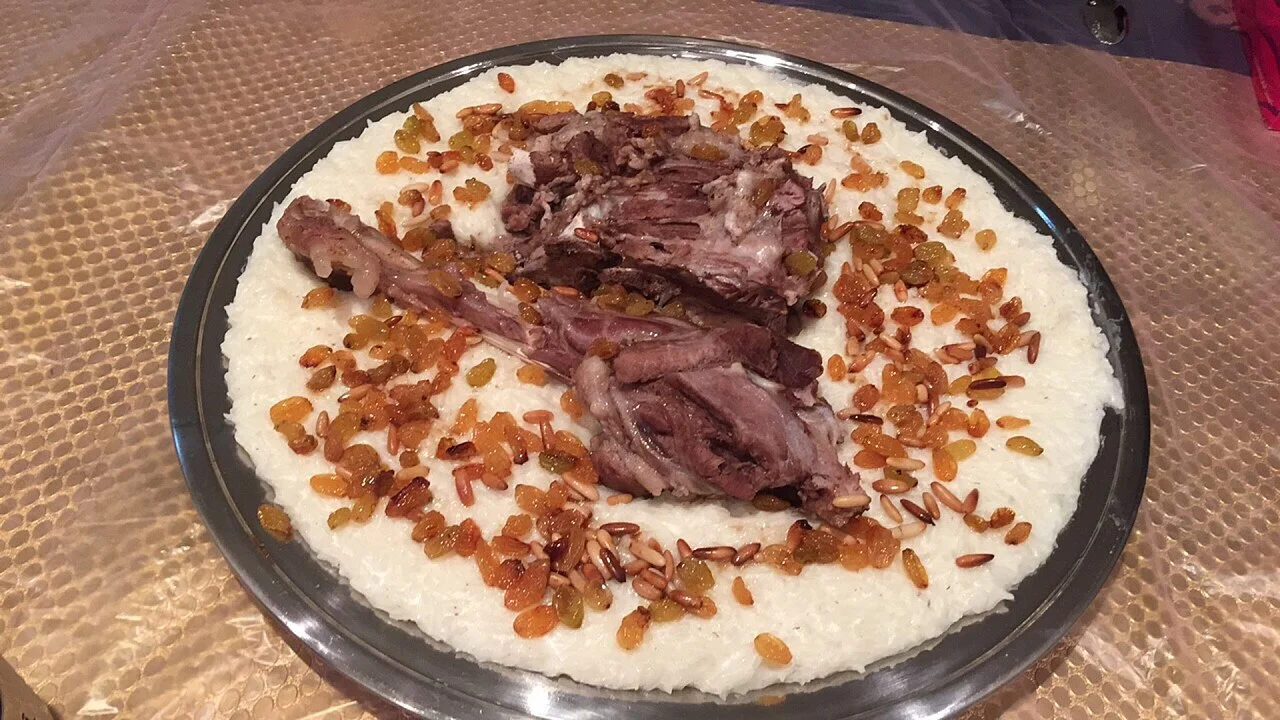
A pause for Hijazi food such as saleeg adds another dimension to a Makkah journey. Research its current availability through the menu: the rice dish can be served with meat or chicken, while qahwa and dates provide a smaller break. A substantial meal may work more comfortably after an outdoor programme than immediately before it. When choosing accommodation, consider access to breakfast and an evening meal as well as the distance to worship. The actual pedestrian link and the return to your room matter more than an attractive distance marker on a booking page. A convenient meal close to the route can remove an unnecessary evening transfer.

In a two-day outline, leave the first day for worship around the Grand Mosque, rest and a central meal. On the second day choose Hira Cultural District or an appropriate permitted holy-sites programme; do not add Thawr automatically on top of both. If travelling by Haramain railway, check the current official schedule and booking information and allow a separate transfer between Al Rusifah station and the hotel. Keep departure day simpler, with a shorter food and rest interval rather than a distant excursion. For Stork, a full Makkah journey begins with a respectful, understandable rhythm that suits the purpose of the visit before it begins with the number of places seen.