
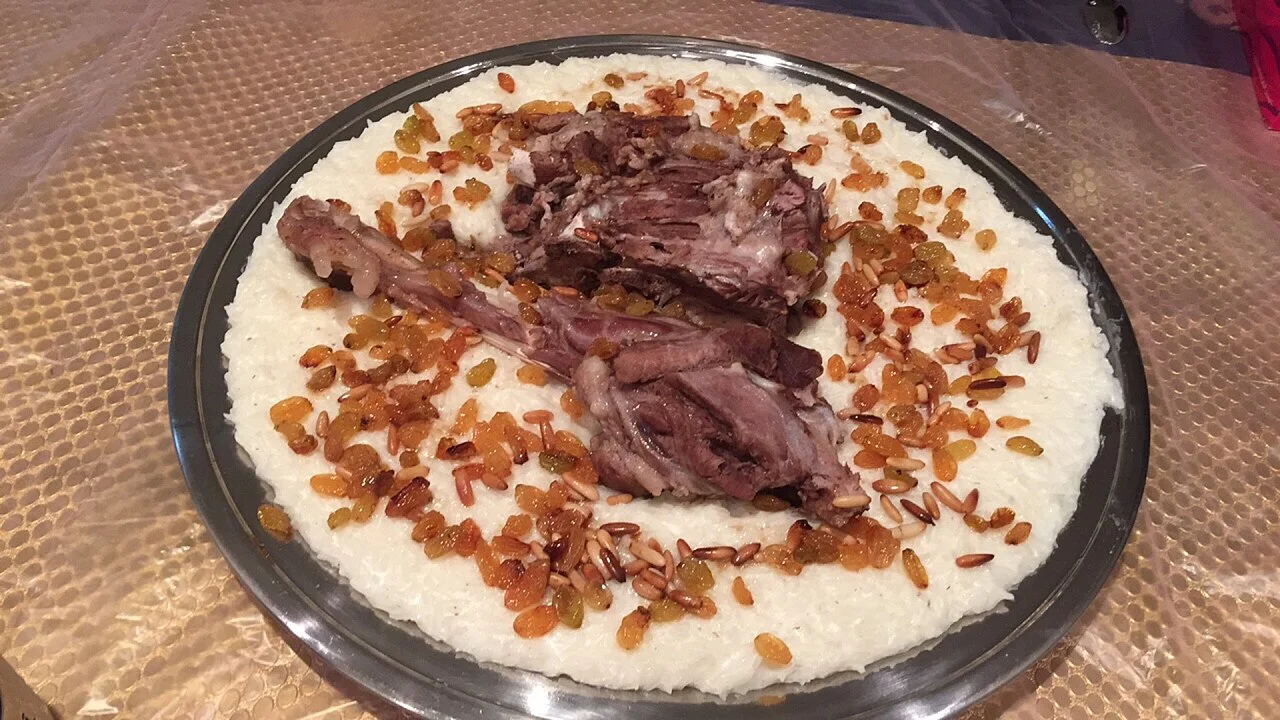
Food planning in Makkah can be more thoughtful than fitting large plates into whatever intervals remain between worship. Tatilmerkezi Stork suggests making Hijazi saleeg the focus of one seated meal, leaving dates and qahwa for a smaller pause and connecting excursions with an easy return to the table. Let the purpose of the journey shape the meal pattern. You do not need an extra trip across the city at the end of every long day to encounter regional flavours. This guide is intended for Muslim visitors eligible to enter Makkah. Official sacred-area entry conditions still apply; a general Saudi visa should not be treated as permission to enter every location.
Beginning a Hijazi meal with saleeg
Saleeg is a useful starting point for researching Hijazi cooking. The official tourism food guide describes soft rice prepared with milk and stock, served with chicken on top. Duggus, a tomato and chilli accompaniment, or other sides may complete the plate; presentation varies between kitchens. Seeing saleeg on a menu should not lead you to assume it is another name for kabsa. Its texture and preparation offer a different eating experience. On the first occasion, choose one main dish and a side you actually want rather than assemble a large table of competing dishes. That leaves more attention for the food itself.
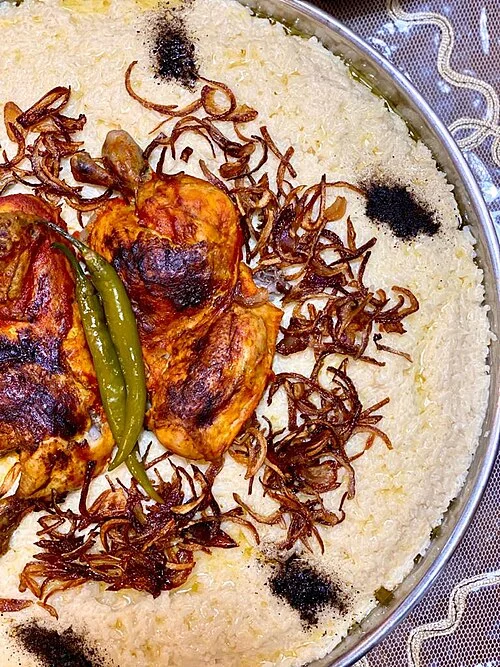

Place the saleeg meal in a lunch or evening section with an uncomplicated return to your hotel. Awal & Tali appears in the city's official planner among leads for researching saleeg and kabsa, but an editorial listing does not mean every item is available on the day. Confirm the actual branch, current menu and journey with the business. A traveller seeking a milk-based dish and a companion avoiding milk have different needs from the same plate. Explain ingredients that matter to you by name instead of judging only from a photograph. After a long excursion, a seated saleeg meal may provide a more comfortable conclusion than eating while rushing through another transfer.
Kabsa, mandi and choosing another main meal
Leaving rice dishes such as kabsa or mandi for a separate meal avoids stacking similarly substantial portions into one day. The city's official business listing associates Abu Osaid with kabsa and mandi, and Awal & Tali with kabsa and saleeg. These are concrete starting names for menu research, not a ranking of the best or cheapest restaurants. Check the current preparation, the meat you want and the distinction between an individual serving and a sharing dish on the actual menu. Finding the right food is only one part of selecting a meal that suits the day.
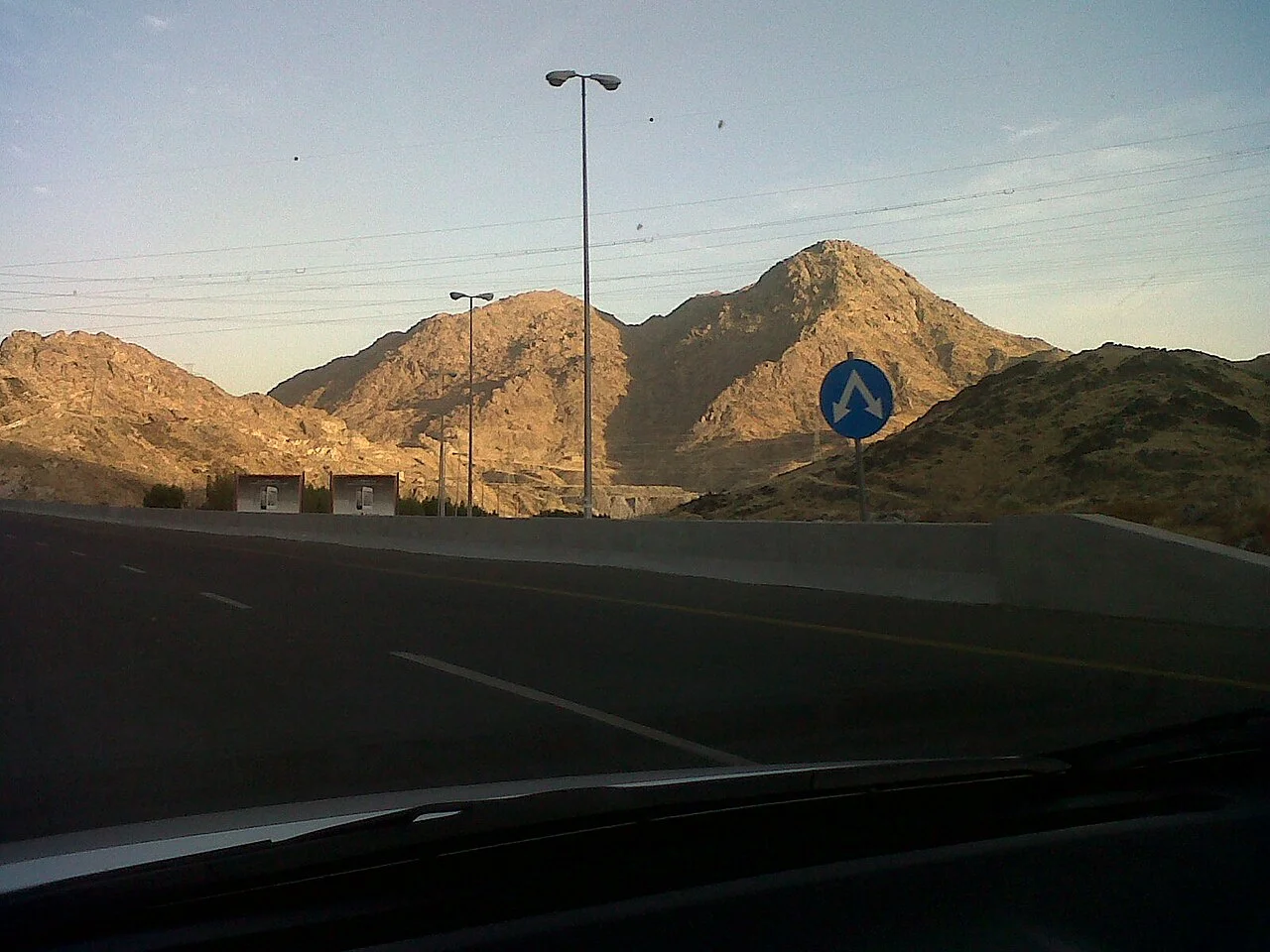

Consider where the meal belongs as well as its name. A substantial dinner may work well after a long outdoor section around Hira, while departure day might leave much less time for the same choice. If sharing a main dish, agree on everyone's preferences first. A companion who does not want another rice dish on the second day can review other available options, allowing the trip to develop beyond one repeated plate. You may encounter dishes associated with other parts of Saudi Arabia too. It is unnecessary to label every example of the country's cooking as a recipe belonging exclusively to Makkah. Compare different meals through your own appetite rather than trying to finish a checklist.
Balila, coffee and a date pause
Balila offers another Hijazi food to research when a smaller meal is appealing. The tourism guide describes the chickpea dish with cucumber, vinegar and seasoning. Its specific vendor example, however, is in Jeddah and should not be moved into a Makkah address. If you want to try it here, look for it on an actual local menu and check how it is served. A smaller bowl can fit more comfortably into a day when you plan another main dish later. Giving it a separate tasting interval makes the texture easier to notice than adding every possible item to the same table.
Dates and traditional coffee can create a shorter pause between the city's larger meals. The official planner identifies the dates market in Aziziyah as a shopping lead. Verify the actual location before travelling, then compare different varieties in modest quantities. When buying gifts, packaging and storage requirements deserve attention alongside flavour. A variety name does not mean that the contents of the packet were necessarily grown in Makkah. Treat the coffee pause as time to sit and decide whether to simplify the next part of the programme. You can return to a variety you liked rather than buy several large packets before discovering which one suits your taste.
A meal after Hira or Thawr
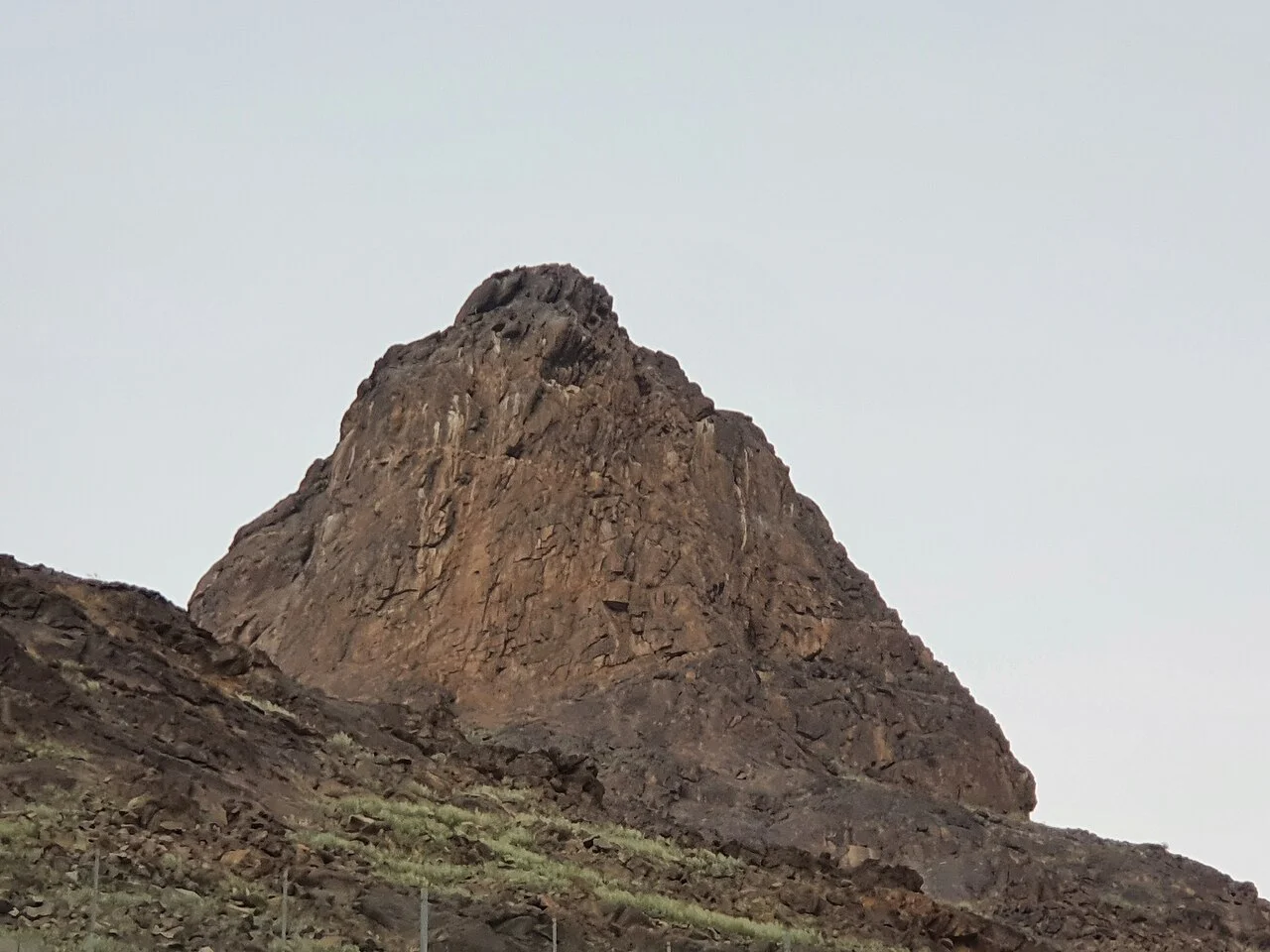
After visiting the Hira or Thawr surroundings, look at the return route before adding a distant restaurant. The two mountains are different places and should not be imagined as sections of one walk. An ascent to Hira Cave is not a required part of Hajj; ministry guidance also describes the difficulty of access. Instead of expecting everybody to complete the same activity, choose outdoor time and rest together. Sometimes the most useful food stop is simply the one where the group can sit comfortably after much of the day's programme has been completed. The transport needed to reach a meal is part of its practical cost in time.

When choosing a central meal, distinguish businesses around Jabal Omar from alternatives in more separate districts. The official planner associates Mama Ghazil with Clock Tower and Jabal Omar locations; the actual entrance of the branch you select still needs checking. Hearing the name of a nearby venue does not create an obligation to go there. Placing the meal after the visit can leave room to pay attention to the food and finish the return more calmly. Base the choice on the present menu and open branch information instead of an attractive advertisement or an old picture. Agree on the journey back before a comfortable pause turns into an uncertain late transfer.
A two-day food rhythm and accommodation
Begin day one with a simple breakfast convenient to the hotel, then choose a seated saleeg meal after the main worship arrangements. A smaller date and coffee interval need not become another restaurant expedition. On the second day, connect an appropriate permitted Hira or holy-sites programme with kabsa or a different chosen main dish on the return. Rather than add distant food addresses to both days, spend more research and travel time on just one meal. The remaining stops can then support the main choice instead of making it more difficult to enjoy.
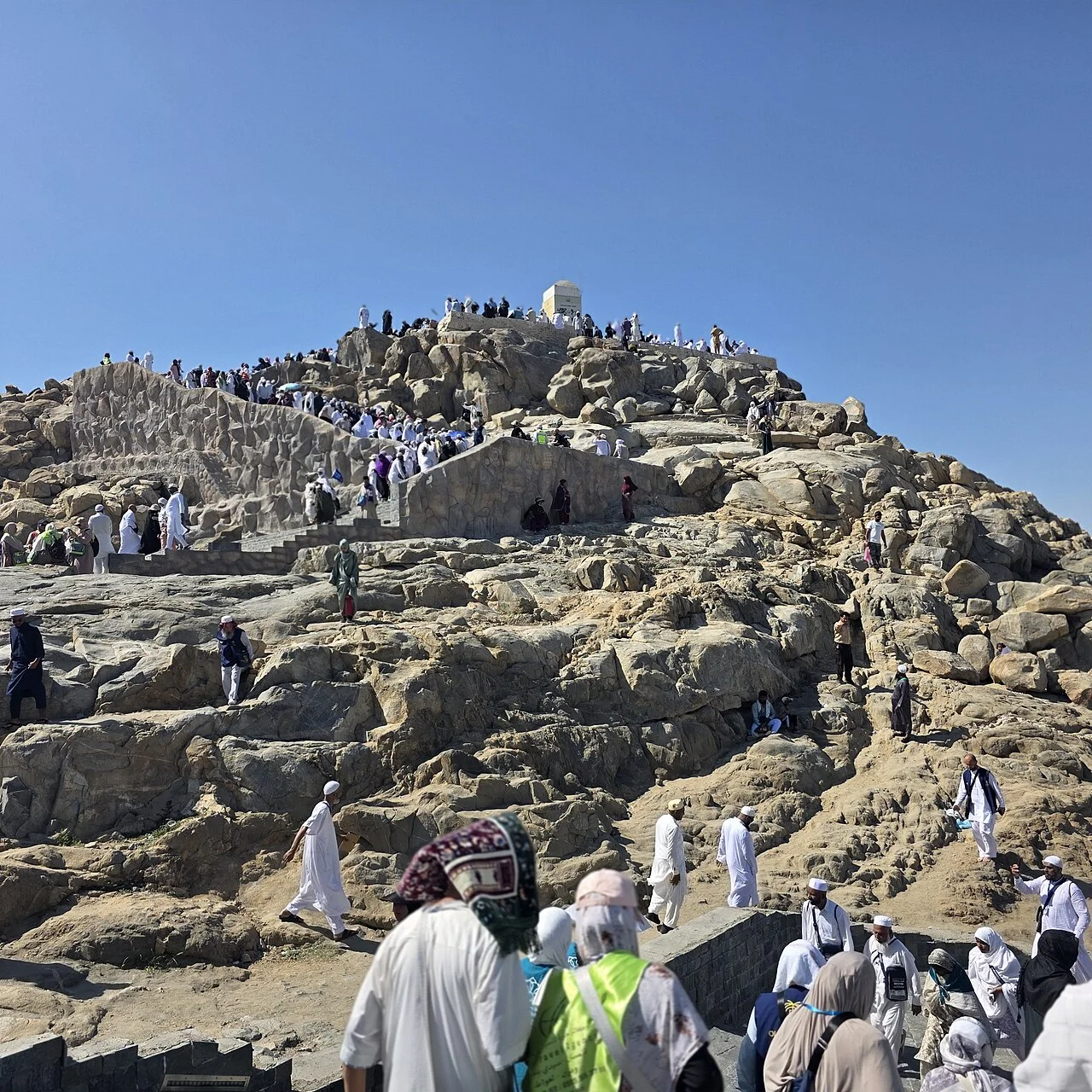

For accommodation, assess breakfast arrangements, the actual pedestrian return and shorter evening alternatives together. On the day you leave by Haramain train or flight, keep dining time separate from the transfer to the station or airport. Obtain current prices and working times from the business: seasonal pressure can matter more than a fixed number printed in a guide. Programmes around holy places such as Arafat also depend on current entry conditions. Stork's food route aims for a rhythm in which the texture of saleeg, the flavour of a date and a comfortable pause remain memorable. Trying an entire menu in one day is not needed for food to become a meaningful part of the journey.