
Mumbai does not invite you into a single view. There is a stone gateway facing the water, a grand station carrying everyday journeys, and an older world carved into rock offshore. The Tatilmerkezi Stork opens its wings over a few stops you can genuinely understand in one day rather than over the entire map. For a first visit, giving South Mumbai two days and Elephanta Island a separate day can provide a useful starting point. This is an adaptable framework, not a fixed tour: weather, visitor arrangements and your interests should shape it. Look for the transitions between the waterfront and street life instead of measuring the trip by how many famous names you collect.
Gateway of India and Colaba: start beside the water
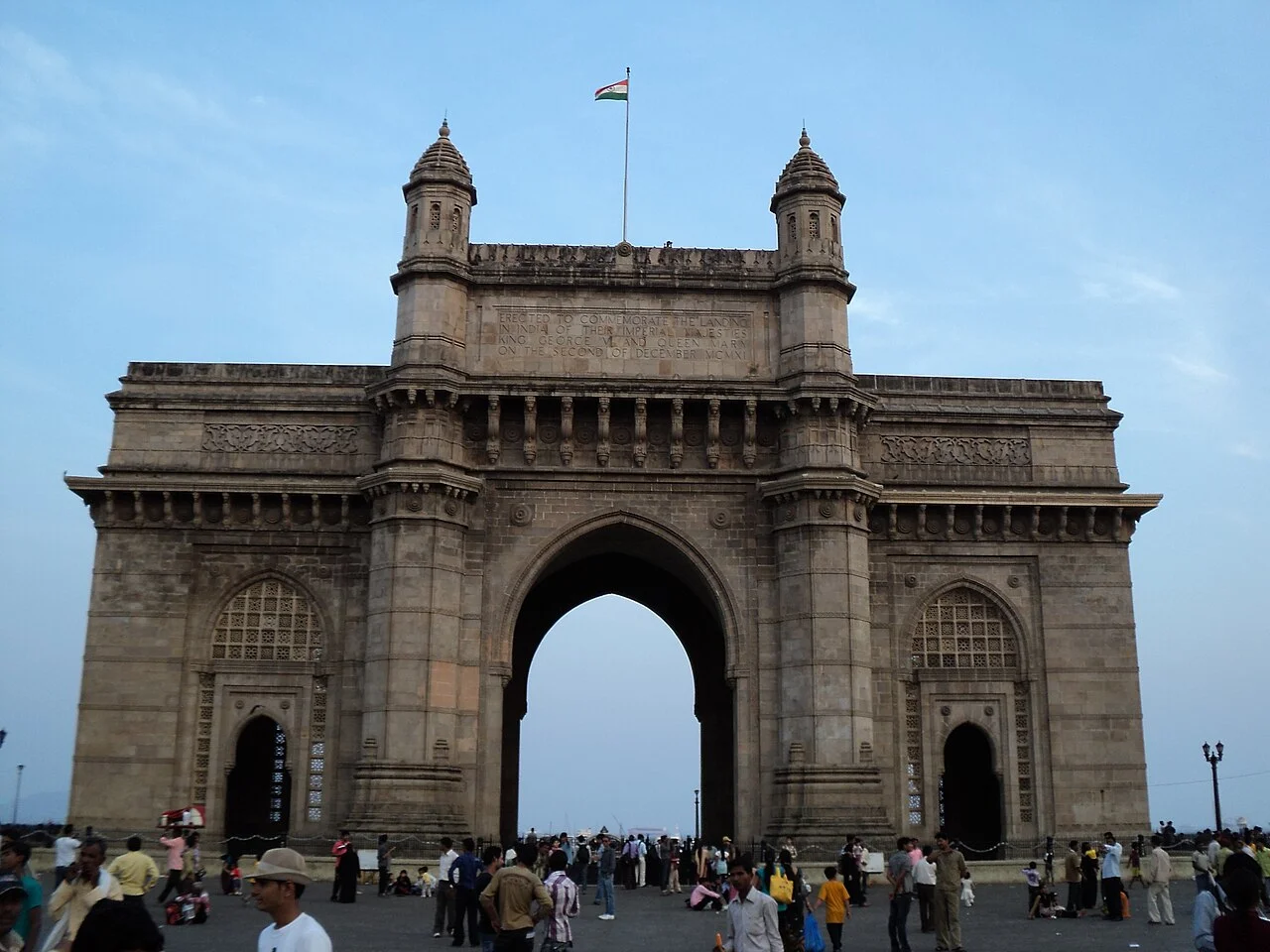
Maharashtra's official tourism source connects the Gateway of India with the Apollo Bunder waterfront. Rather than looking at the monument and immediately rushing to another district, begin by understanding its setting. Where did you arrive from, where will you return, and where might you stop for a meal nearby? Resolving those small questions can make the rest of the day easier. Choose a short walk around Colaba and leave space for a break. You need not enter every shop or negotiate with every vendor to enjoy the surroundings. If companions have different interests, agree a simple meeting point before exploring separately.
The cover image by ShadesofIndia is an authentic Gateway photograph dated 7 April 2011. A historical photograph does not describe today's crowd or access arrangements. Follow the actual directions when reaching the waterfront, and ask precisely what any boat or sightseeing offer includes before buying it. You can adjust a plan to the conditions you find that morning instead of treating the previous evening's schedule as immutable. If choosing the Gateway as a photography stop, also give yourself a few minutes away from the camera. Notice the monument's scale, its relationship with the sea and how people pass through the area; that is what turns a picture into a visit.
CSMT and the Fort area: appreciate a working station
UNESCO describes Chhatrapati Shivaji Terminus as a meeting of Victorian Gothic Revival design and Indian architectural elements. Knowing that today's CSMT name and the older Victoria Terminus refer to the same historic building helps when researching the trip. Move your attention between the main dome and smaller details on the exterior; you need not learn the story of every ornament at once. Sailko's licensed photograph from 1 November 2019 shows the exterior. It does not establish that every interior is accessible to sightseeing visitors or that a particular guided tour operates today.
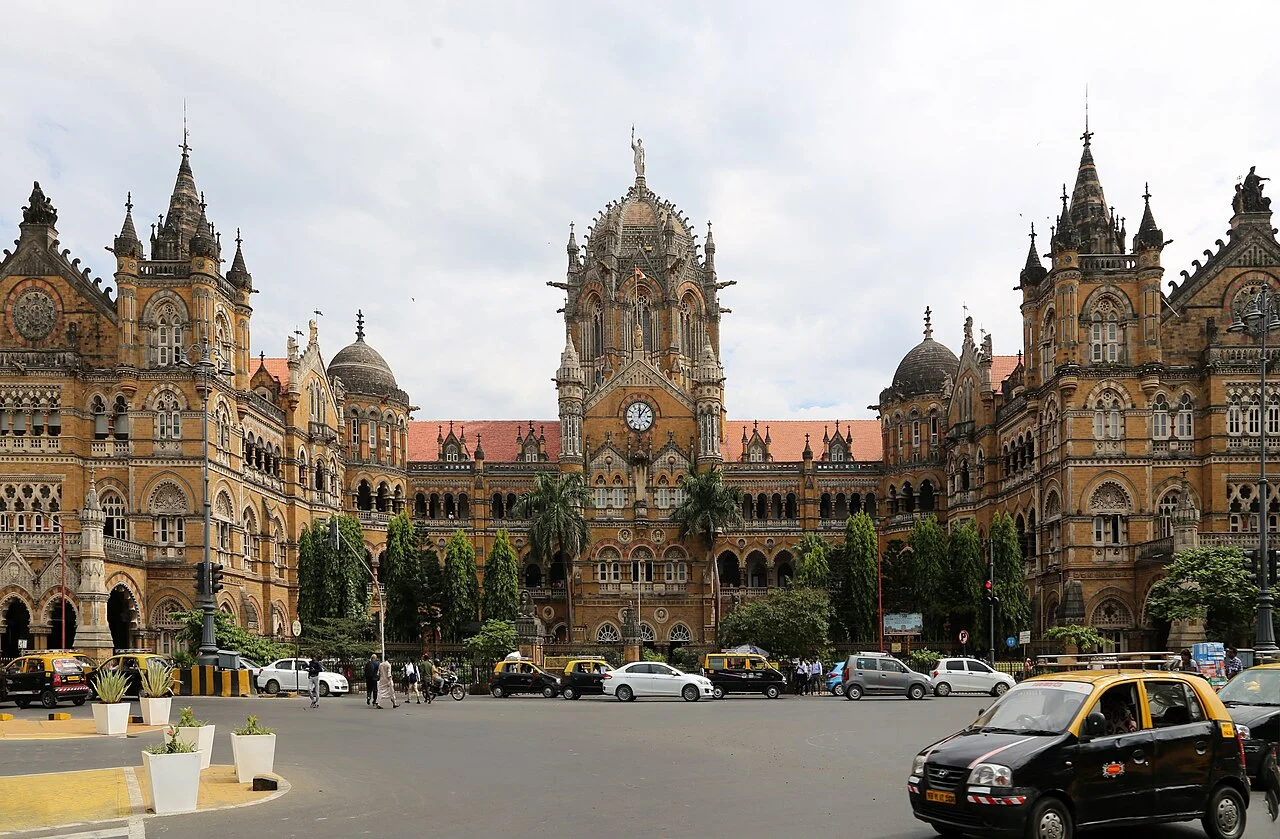

Treat the station as a working transport setting rather than as scenery arranged for your trip. Viewing from permitted places without obstructing passengers combines architectural interest with respect for daily life. If linking this stop with the Fort area, check the actual walking connection on the map. Research opening arrangements separately for any museum or art venue you choose nearby. A detailed visit to one interior may be more satisfying than attempting to fit every option into the afternoon. A look at an exterior and a ticketed visit do not require identical planning. Keep that distinction in mind before deciding how much of the day to reserve.
Marine Drive: slow the programme down beside the sea
Incredible India introduces Marine Drive as a waterfront walk beside the Arabian Sea. The Stork suggests keeping your list short here: walk an appropriate section, stop somewhere and let the rhythm of the day change. Simeyrajesh's authentic photograph dated 12 February 2017 shows sunlight, a tree and people beside the waterfront. It is inspiration for your visit, not a promise of today's sunset time or weather. Nor do you need to walk the entire waterfront from end to end to appreciate a sea view. A short, enjoyable stretch can be enough.


Choose your walking distance according to the weather and your energy. If connecting an evening waterfront stop with a restaurant reservation in another district, account for the transfer separately. Waiting for a suitable place to take a picture without blocking the walkway is often more rewarding than competing for the first available space. Make decisions about approaching the sea in wet or windy conditions according to the directions in force that day. Resting by the waterfront need not be a compulsory pause before rushing onward. It can be a worthwhile part of the trip in its own right, offering a different way of noticing the city.
Elephanta: give the island journey its own day
UNESCO's Elephanta entry explains the rock-cut caves and sculptures associated with Shiva. Maharashtra tourism introduces the boat connection from the Gateway area. Rather than treating this visit as a few minutes added to a waterfront walk, allow separate time for the boat journey, the approach on land and the caves themselves. Verify the actual services, final return connection and visitor hours close to travel. Sea or weather conditions can affect the plan. This guide deliberately avoids a fixed fare or journey-time promise so that you do not build an itinerary around false certainty.
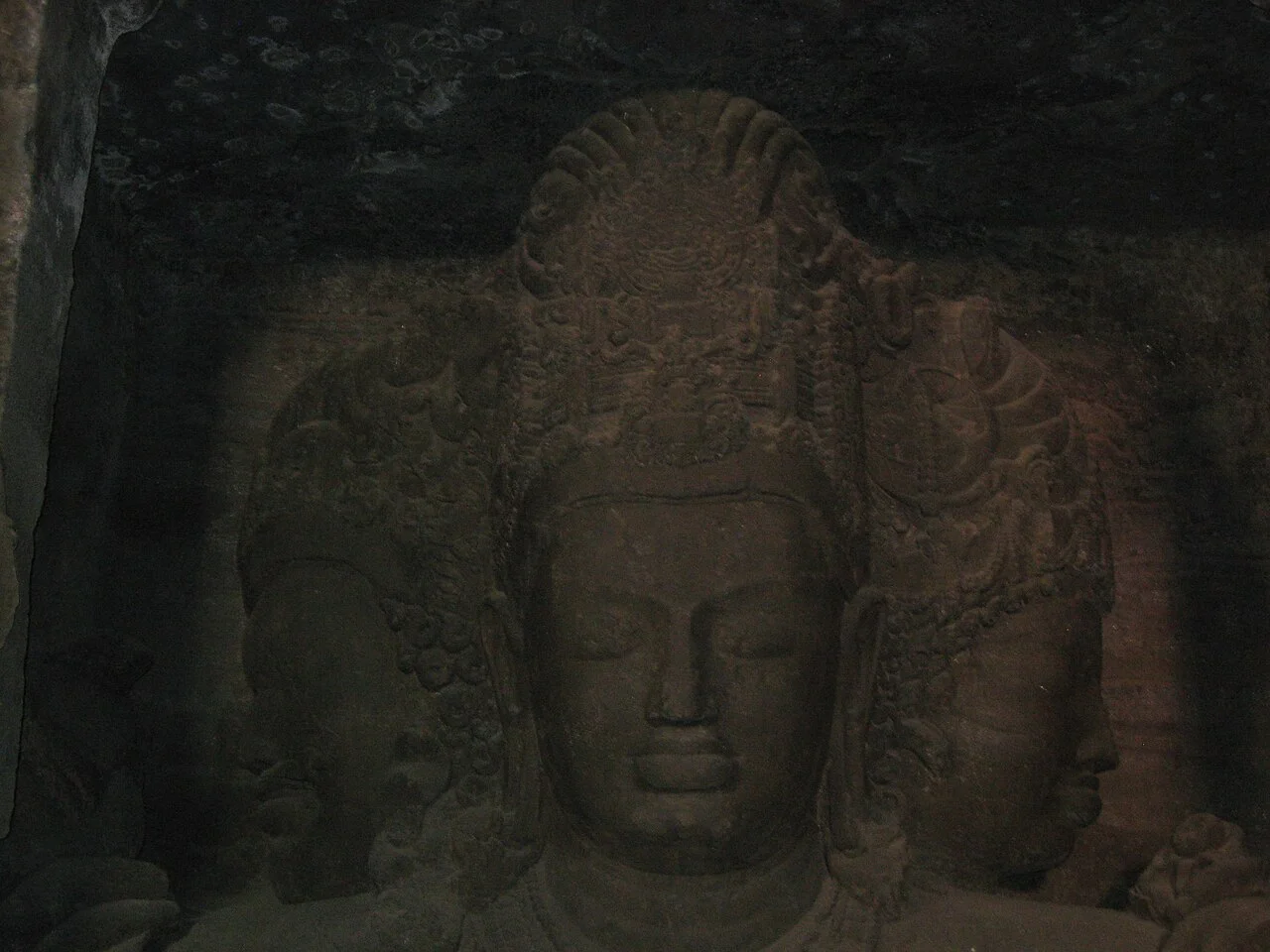

Anuradha Shankar's photograph records the authentic Trimurti on 29 January 2011. It is an ancient sculptural subject, not a contemporary artwork or a newly generated image. In the cave, look beyond reproducing the exact photograph and notice the relationship between the stone volumes and their setting. Steps and surfaces may influence your comfort. If a companion has particular mobility needs, research the actual access arrangements before committing to the journey. Leaving the return flexible instead of attaching it to a distant evening event can produce a calmer day. If boats are not operating, an alternative plan in the city's historic area prevents the day from becoming an empty space in the itinerary.
A vada pav break: approach the city through a small taste
Incredible India introduces vada pav as a spiced potato fritter in bread and pav bhaji as a vegetable preparation served with bread. For a first food stop, make a small choice rather than trying to sample everything. Ask about spice, sauces, butter and portion size at the establishment where you order. The same dish name does not guarantee an identical recipe in every kitchen. Ask27's authentic vada pav preparation photograph from 3 March 2015 shows part of the process. It cannot establish a particular stall's current service, food-handling conditions or prices.
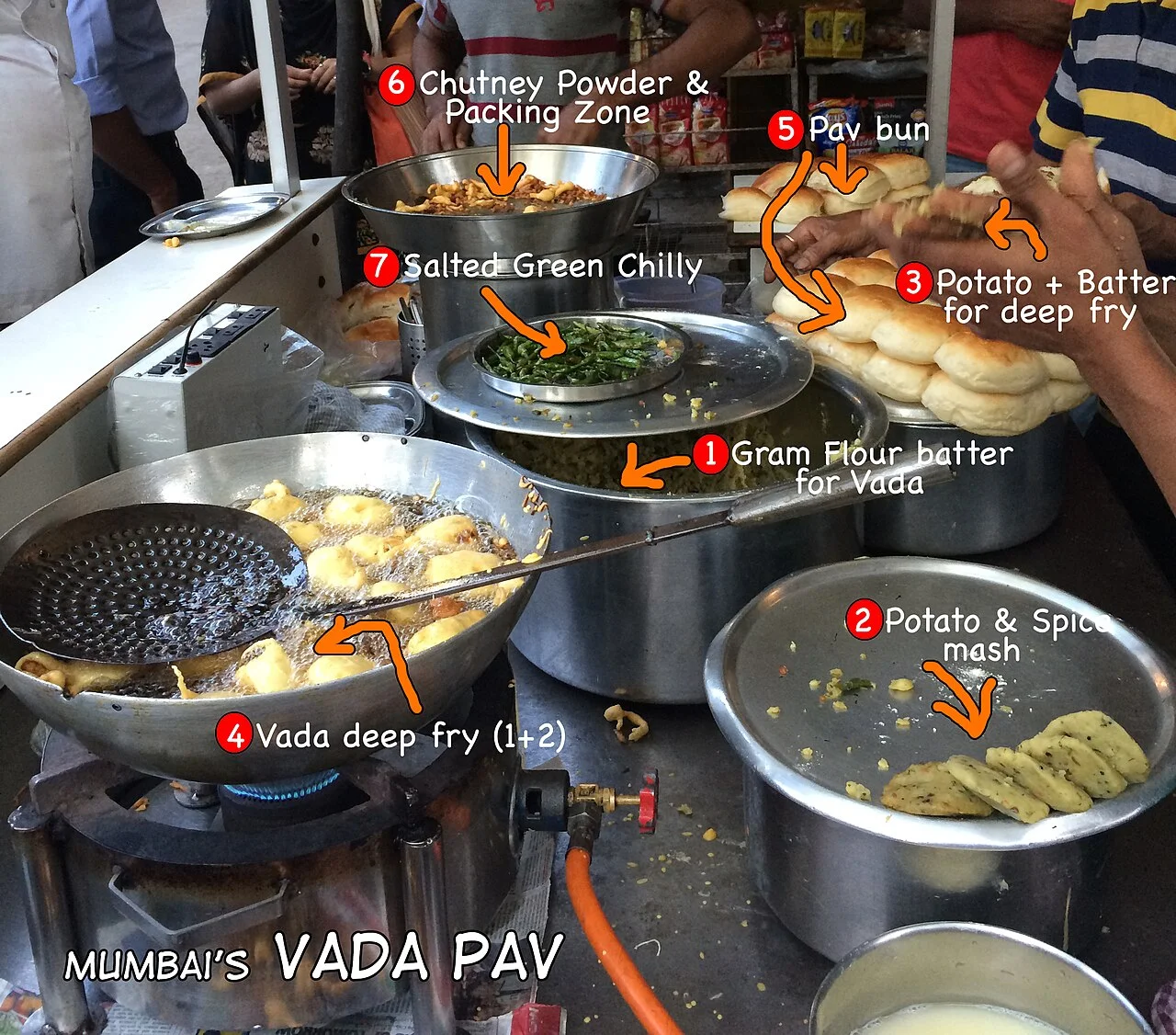

Place the food stop within the geography of your day rather than squeezing it randomly between visits. A nearby break on the Gateway and Colaba day, followed by a separate choice for the Marine Drive evening, may be enough. If you are interested in a food destination around Dadar, Bandra or farther away, consider making it a principal choice for another day rather than repeatedly crossing the city for individual dishes. Ask clearly about ingredients when you have a dietary requirement. The Stork does not turn culinary curiosity into a race. Learning one dish comfortably may leave a more meaningful memory than collecting the names of many plates in a hurry.
A three-day outline, transport and accommodation areas
Build day one around the Gateway, Colaba and a nearby food break. On day two, choose CSMT and one Fort-area stop that interests you, then close the day slowly beside Marine Drive. Reserve day three for Elephanta if the actual services and visitor arrangements suit your dates. With only two days, decide which experience matters most instead of compressing the whole city programme simply to add the island. A child, a mobility requirement or a preference for short walks may change the length of your plan. Treat those as starting conditions, not as details to solve at the last moment.
Compare accommodation around Colaba and Fort for a South Mumbai-focused trip with options linked to your particular destinations around Bandra or farther north. Two addresses being in the same city does not establish a short transfer every day. Allow separate time for the airport journey. If using trains or metro services, confirm the actual line and final connection for your travel date through the relevant operator. This guide promises no fixed fare, duration or direct connection to every attraction. Sources were checked on 4 October 2026. The Stork's final invitation is simple: do not try to consume Mumbai in one day. A well-chosen waterfront, a building and a flavour can already make a day richly memorable.