
The answer to what to eat in Mumbai is not simply a long list of dishes. It also depends on where those choices belong in your day. The Tatilmerkezi Stork invites you to meet a few flavours in one area instead of crossing the entire city in pursuit of plates. A potato fritter in bread, a vegetable dish to share, a crunchy snack and a quiet drink break can offer variety; you do not even need all of them on the first day. Choose according to your appetite, spice preferences and dietary needs. This guide helps you understand the names, ask useful questions when ordering and connect food choices with transport planning. Historical photographs do not establish present prices or business quality.
Vada pav: ask about chutneys and heat first
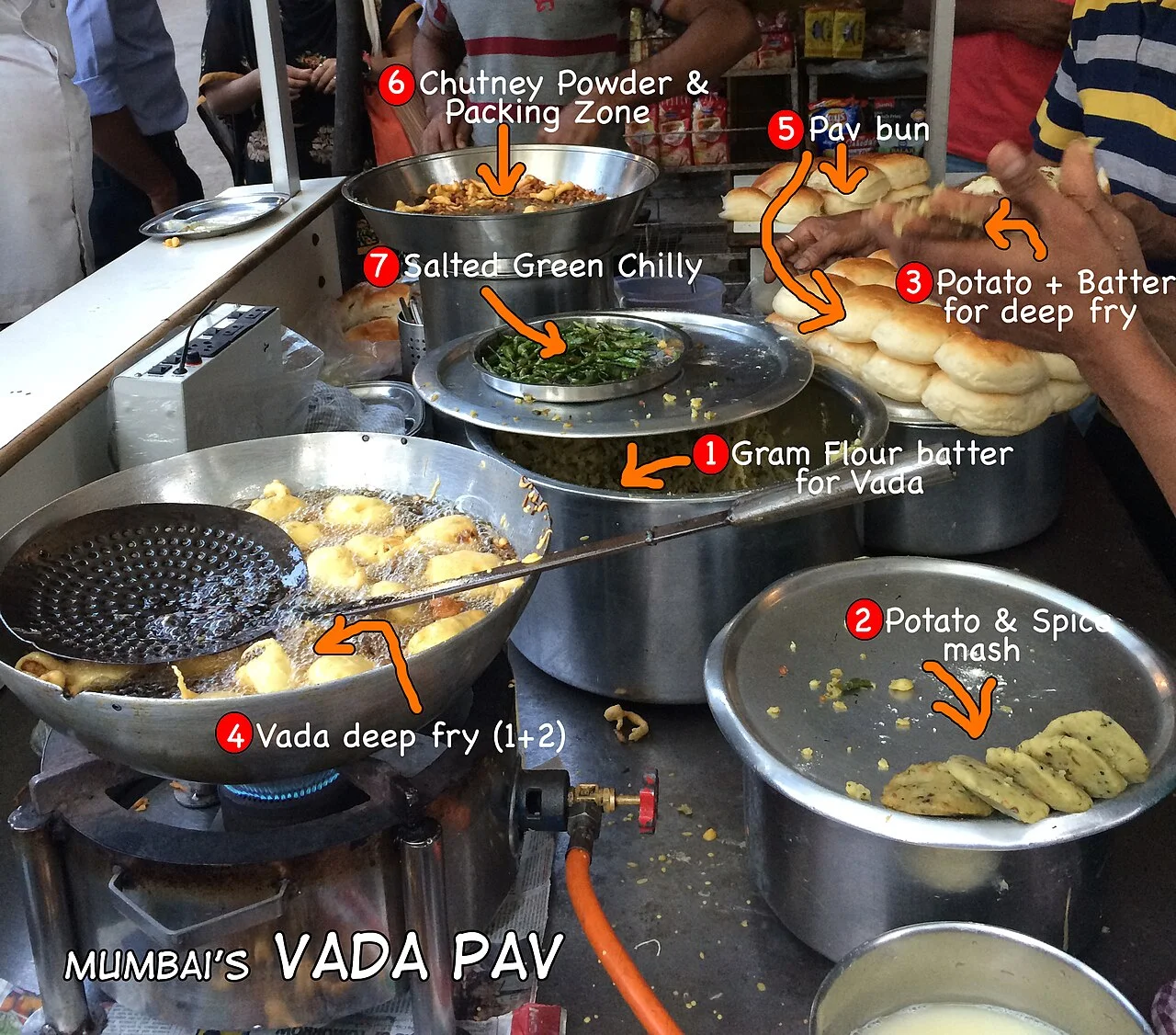
Incredible India's local-flavours guide introduces vada pav as a spiced potato fritter inside a pav bread roll, with different chutneys and green chillies among possible accompaniments. Ask how it is served rather than automatically accepting every addition on a first order. Finding out whether the heat comes from the fritter, sauces or an accompaniment can make choosing easier. A small dish need not be mildly seasoned. Understanding the preparation and enjoying it comfortably offers a better beginning than turning your first meal into a test of endurance.
Ask27's authentic preparation photograph dated 3 March 2015 presents a Mumbai scene with potato and frying stages visible. It does not show a current stall menu, so we draw no conclusion about present prices or service from it. Think of the picture as a window into the preparation that encourages curiosity. If placing a vada pav break before a long museum visit, also consider whether you want somewhere to sit. A food that can be eaten by hand does not require you to remain standing throughout the day. Ask the establishment about portions and additional ordering arrangements if you want to share a taste with a companion.
Pav bhaji: leave time for a dish with bread
The official Mumbai introduction describes pav bhaji as a spiced vegetable preparation accompanied by bread. It is not the same choice as vada pav: the texture, presentation and way of sitting down to enjoy it may differ. Ask about the number of bread rolls, additional butter and seasoning where you order. A plant-based principal ingredient does not establish suitability for every dietary requirement; dairy or other kitchen additions may still matter. Starting with a manageable order and adding something when needed may suit you better than ordering too much at once. Let the actual portion guide your next choice.
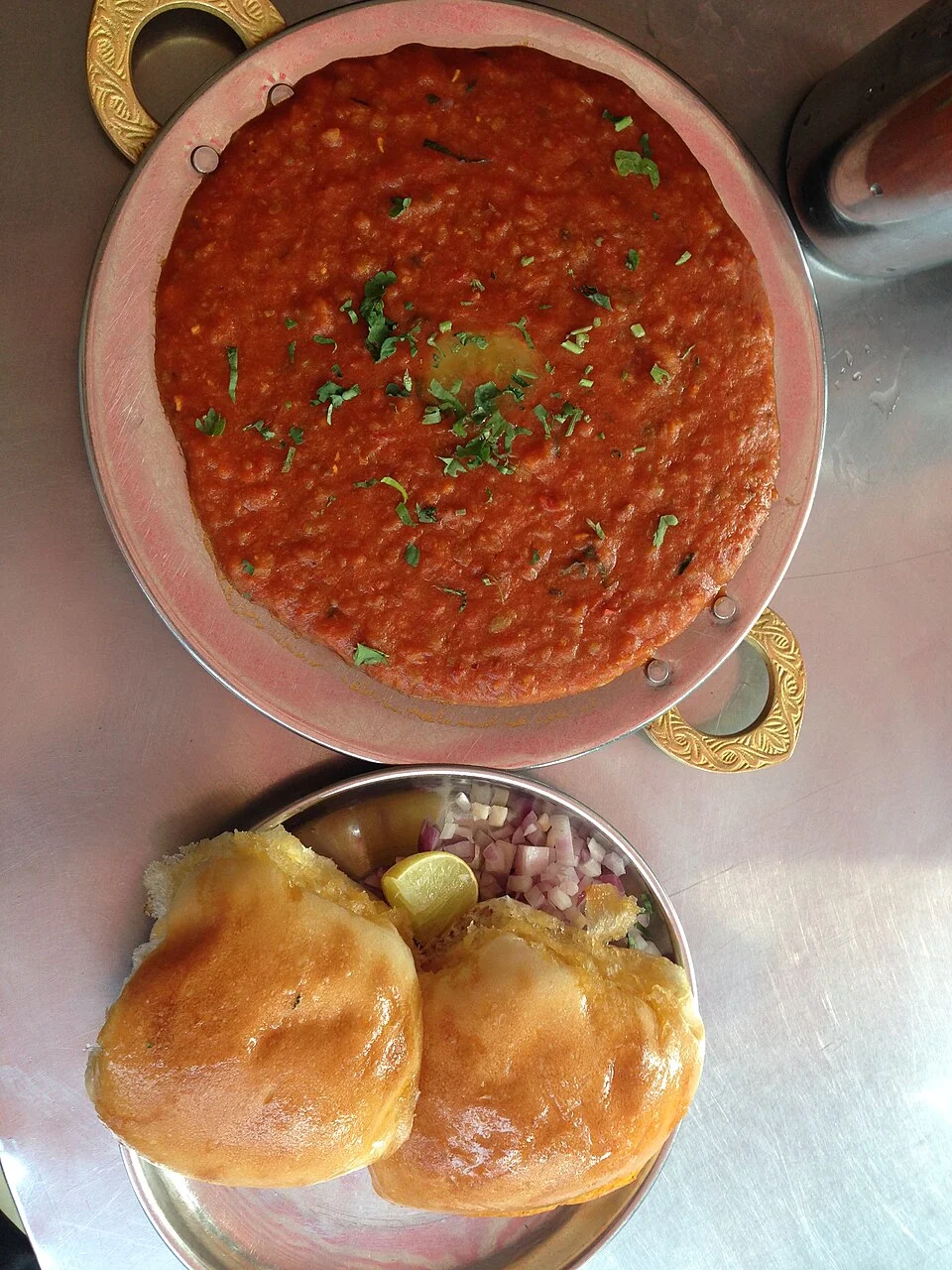

AlexandraShagzhina's photograph dated 4 November 2015 documents a pav bhaji plate served at DP Fast Food in Matunga, Mumbai. We retain that historical location information from the source rather than presenting today's menu or operating arrangements as verified. If Matunga interests you as a food destination, research present addresses and access separately. You need not visit the exact place shown in an old picture to appreciate the dish. Introducing a food and recommending a specific business are different decisions. This guide supports the former while leaving the latter to information relevant to your actual travel date. The photograph gives a real example, not a current commercial promise.
Crunchy choices, misal pav and a sweet finish
Incredible India's gastronomic page highlights puffed rice and accompaniments for bhel puri and a spiced pulse preparation for misal pav. You need not try both in one meal. One may suit a brief snack, while the other may be a more substantial choice for your appetite. Avoid assuming that a name establishes an identical recipe in every kitchen. Ask about serving sauces separately, portions and spice levels at the establishment you choose. If avoiding particular ingredients, pay attention to accompaniments too: the principal component does not explain everything that may arrive with an order.
The local-flavours source introduces puran poli as a bread with a sweet filling and connects sol kadhi with kokum and coconut milk. This guide makes no health-effect claim or promise that either will be available everywhere. If selecting such a dessert or drink, check the menu on which it appears, the quantity and the ingredients. A meal does not have to end with another sweet course. Sometimes a peaceful break feels better than one more plate. The Stork measures curiosity by attention rather than by portion count. Understanding how a flavour is served and remembering the detail you enjoyed can already make a food discovery feel complete.
Colaba, Dadar and the waterfront: separate the food day into areas
The official gastronomic guide connects Dadar with Maharashtrian flavours and the Juhu and Chowpatty areas with street-food options. Rather than turning these names into compulsory stops for one day, assess them on the map from your starting point. Allow separate time if moving from a Colaba sightseeing day to a distant food destination. Its appearance in a list does not require you to go there immediately. Choosing a nearby principal meal on a South Mumbai day can leave more time for a Dadar or Matunga interest on another day. A food itinerary becomes easier when it follows the places you actually intend to visit.
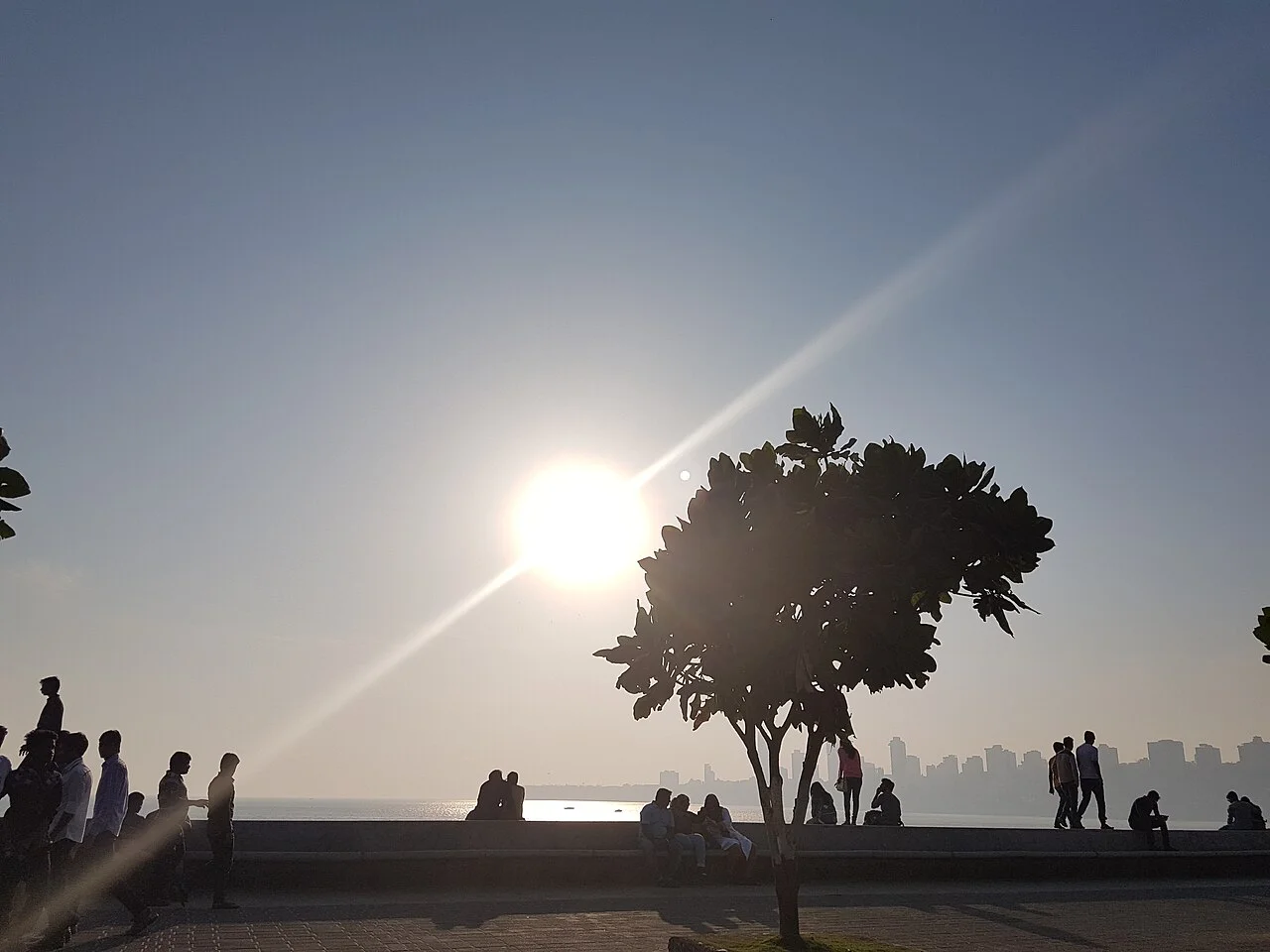

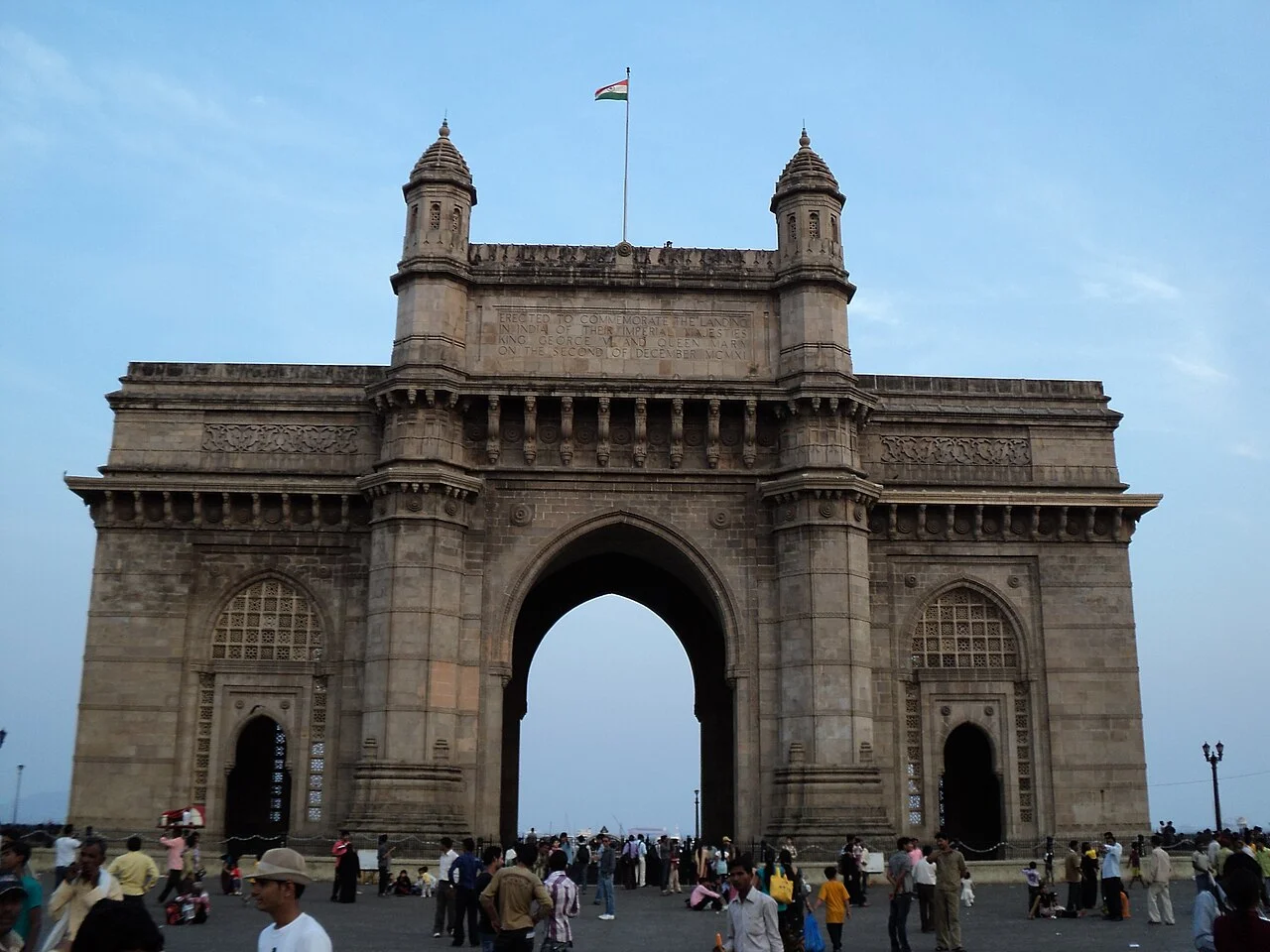

The Gateway photograph provides genuine waterfront context, not a restaurant image. Similarly, the sunlight scene on Marine Drive shows no coffee or food menu; its caption makes that distinction clear. Choosing a waterfront walk and choosing somewhere to sit for a meal are separate decisions. Decide on the meal stop first and then an appropriate section of the walk. If conditions change, you can shorten the waterfront break without losing the food plan. Calculate the actual transfer between a Juhu evening and a full day around Colaba. A good food route depends on comfortable connections between choices, not on the number of scattered destinations you include.
A sample food day and accommodation choices
Start simply in the neighbourhood where you are staying, and choose either vada pav or pav bhaji for a midday stop. Add a short snack break later if you want it, then complete the evening with a main meal in the same area. This is an example of distributing tastes without overwhelming the sightseeing day, not a required menu. On a CSMT and Fort-area day, work with the actual connections around those places. The station photograph supplies historic transport context, not a restaurant location or entrance. Leave enough space between a meal and a train journey to order without rushing and to adapt if service takes longer than expected.


Compare accommodation around Colaba or Fort for a South Mumbai-focused plan with options around Bandra or farther north according to the real addresses of your food interests. Make a separate transfer plan for the airport day. If using train, metro or vehicle connections, check the arrangements relevant to your date with the operator and establishment; no fixed fare or duration is promised here. Before ordering, establish ingredients, portion and total cost. Ask how additional bread or other extras affect the bill. Sources were checked on 4 October 2026. The Stork invites you to know the city at your own pace and according to your appetite, rather than eating until a list is finally finished.