

Nairobi: give the city and nature their own time
Tatilmerkezi’s Stork marks a Nairobi map in two colours: museums and urban life in one, forest paths and wildlife in the other. The colours may appear close together, but reaching every destination on the same day is not necessarily a rewarding itinerary. For a first visit, allow two or three days and put one main experience at the centre of each. An introduction to Kenya at the National Museum, followed on another day by the shade of Karura, helps prevent Nairobi becoming merely a night on the way to a safari. Giraffe Centre and Nairobi National Park are not interchangeable names. One is a conservation and education visit; the other needs a separate vehicle and park plan. Recognising that difference early makes both the budget and the daily rhythm clearer.
Nairobi National Museum: begin by understanding the country
Nairobi National Museum on Museum Hill brings history, culture and nature into the same visit. The institution describes permanent galleries addressing human history, mammals and the history of Kenya, among other subjects. Instead of moving through every room at an identical pace, choose two themes that interest you most. At the beginning of a longer journey around Kenya, the historical displays can give context to places you will see later. For a family, the natural history material can provide a useful focus for discussion. A morning museum visit followed by lunch and time to sit allows a pause after reading and concentrating. Check the institution’s own website for the current admission category and visiting arrangements. If a special activity such as a night tour attracts you, do not assume it is an ordinary visit available to anyone arriving spontaneously; advance arrangements and separate conditions may apply.


Karura Forest: choose a walk together with its entrance and return
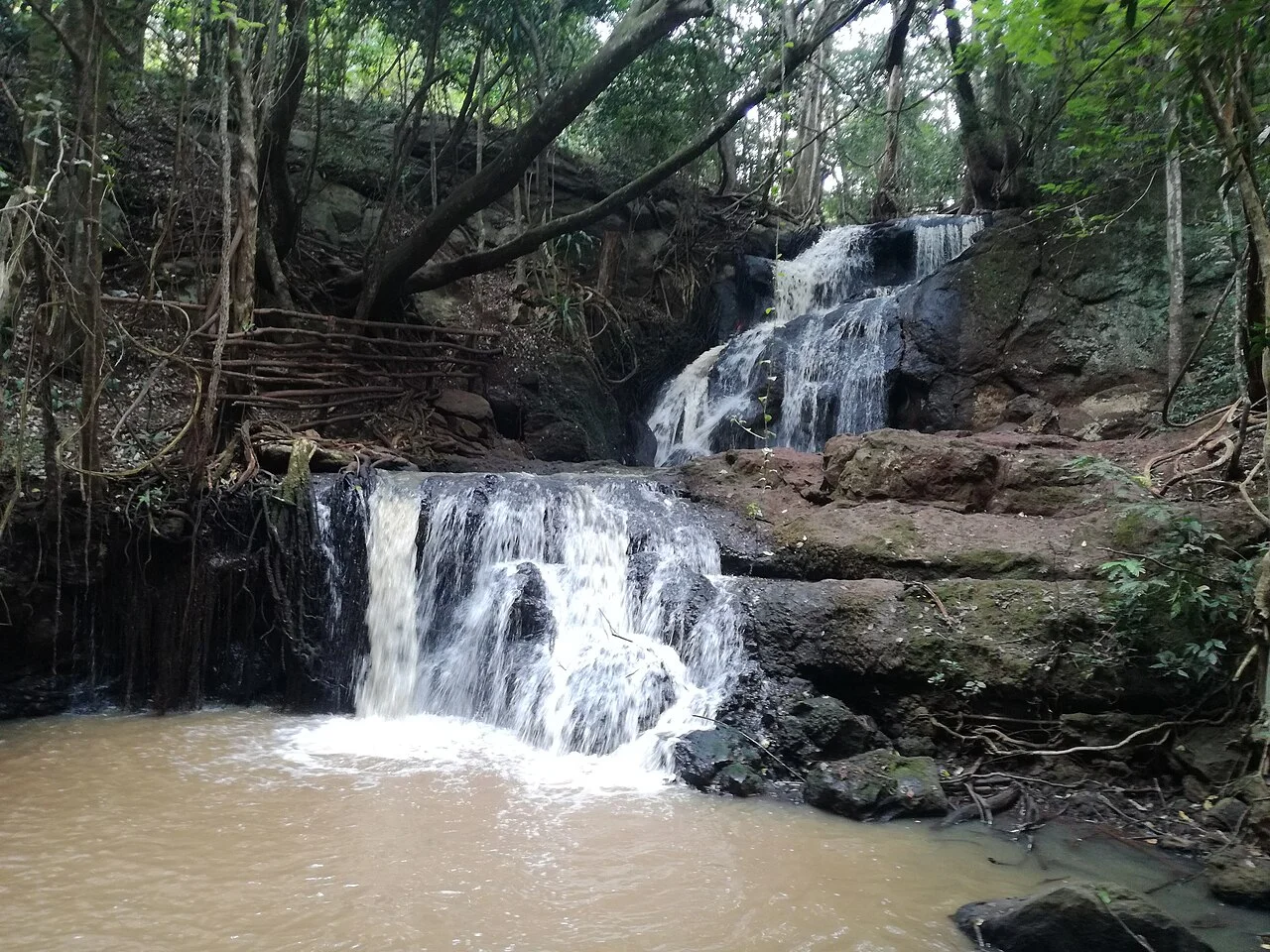
For Karura, prepare the arrival and return before compiling a list of every feature in the forest. Your entrance, the section you want to explore and the route back if you become tired are parts of the same decision. Consult visitor information from Friends of Karura and Kenya Forest Service before travelling, then choose a manageable outing using the map and marked routes. The waterfall can provide a pleasing destination, but reaching it should not make the rest of the walk a race. Ground conditions may change after rain, so think about footwear and the length of your outing accordingly. Water, a break and enough time to return to the entrance belong in the main plan. Giving the forest its own morning, rather than attaching a long walk to a demanding museum day, leaves more space to notice the sounds and texture of the greenery.

Giraffe Centre: treat it as a conservation visit
The Giraffe Centre’s official introduction emphasises environmental conservation and Rothschild giraffes. Rather than treating the visit only as a few minutes for a photograph, leave time for its educational dimension. Follow staff guidance at the entrance and use only the centre’s instructions for any interaction or feeding arrangements. In a family group, people may have different levels of excitement and different preferences about approaching animals. Choosing to observe from farther away does not diminish the visit. Arrange the return journey in advance and decide whether the next meal belongs nearby or back in your accommodation district. If another conservation attraction is included later in the day, check its booking and admission conditions separately. The current official visiting notice and fee category are a more useful starting point than an old itinerary copied from another traveller.


Nairobi National Park: another vehicle and another timetable
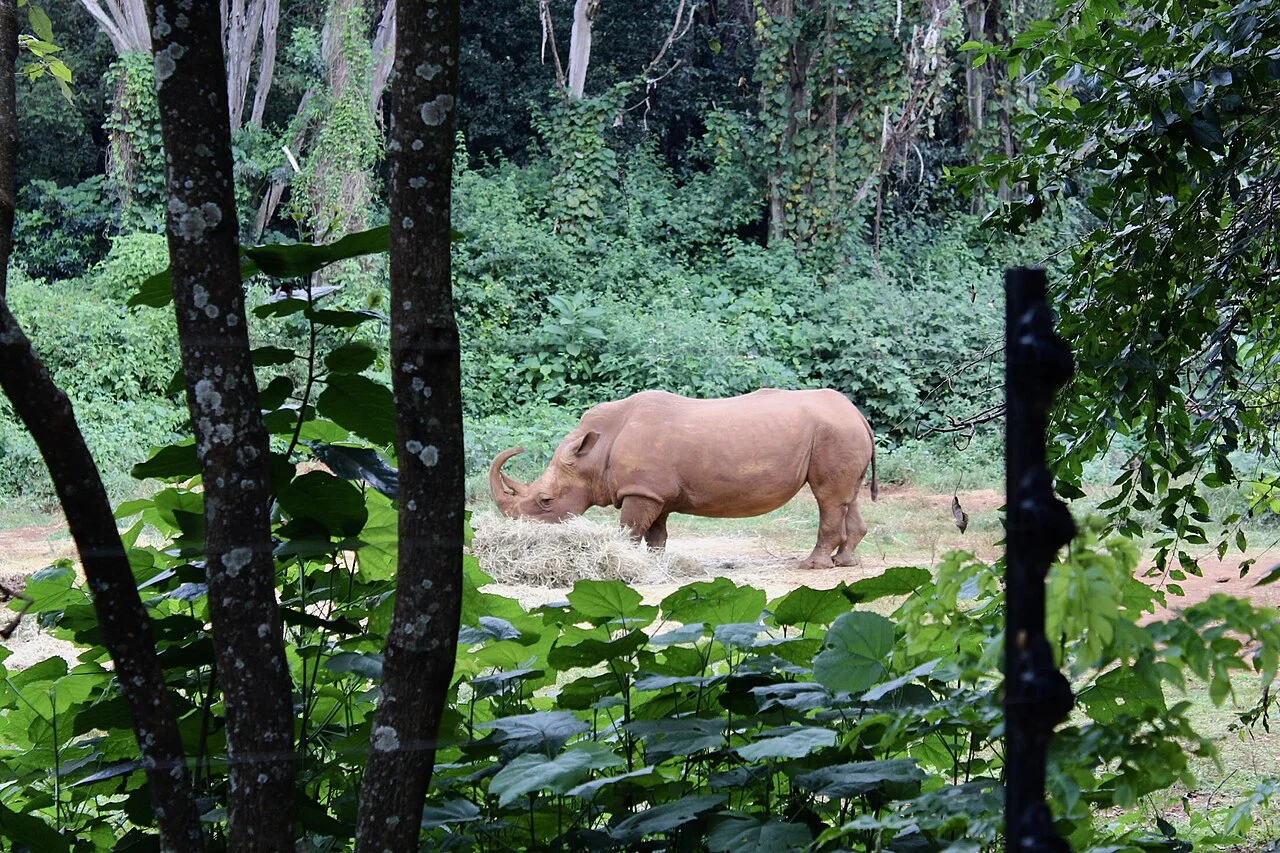
Do not plan Nairobi National Park as though it were a city park walk. Use Kenya Wildlife Service’s current visitor information, admission categories and rules to prepare a vehicle based experience. When arranging a tour or a driven vehicle, ask what the total duration includes, where you will be collected and which entry charges or services are covered. Treat an animal you hope to see as a possibility, not a guaranteed appointment. Wildlife follows its own rhythms. Following authorised instructions, discussing stops with the guide and not deciding independently to leave the vehicle are parts of the visit. If an airport journey follows the park, allow a realistic transport margin between leaving and the flight. An independent morning or day is often a better fit than squeezing wildlife viewing into a departure day that could force you to cut the experience short.

Accommodation and transport: read the day rather than only the distance
Before choosing a room, decide whether Nairobi is a connection to an onward safari, a museum and food visit, or a base for time around Karen. The centre, Westlands and the Karen area do not produce identical daily routines. For a single overnight connection, airport travel may matter most. Across several city days, meal locations and attraction transfers can have greater influence. For a Jomo Kenyatta arrival, clarify the meeting point and vehicle arrangements agreed with your accommodation or tour team before travelling. Avoid treating time in traffic as a fixed number and setting an unnecessarily tight first appointment. Keeping destination addresses offline and agreeing which entrance to use for a return pickup are small but useful preparations. The exact accommodation entrance matters as well as its district name: two hotels in the same broad area can shape your daily movements differently.
A two or three day outline, with space for a Kenyan meal
Begin with the museum, a modest amount of city observation and a meal in your accommodation district. For day two, bring one of two choices to the foreground: a Karura walk with an unhurried lunch, or a conservation focused programme around Giraffe Centre. If a third day and your interests allow, arrange a separate vehicle based National Park visit. Completing every option is not compulsory. Instead of postponing food until transfers happen to end, choose one main meal and ask about the products on the menu. Talking about maize based accompaniments such as ugali or vegetable dishes can make lunch more than a quick refuelling stop; do not assume every item appears in every establishment. As the Stork leaves Nairobi, the notebook returns to this balance. Understanding the city’s culture and observing its natural surroundings complement each other, but both deserve enough time to become real experiences rather than hurried appointments.