

Your first Nairobi table: ugali, vegetables and one main flavour
Tatilmerkezi’s Stork draws three small boxes in a Nairobi food notebook: the main preparation, an accompaniment and time for the meal. On the first city day, there is no need to add a mission to explore every cuisine after an already substantial safari programme. Understanding words such as ugali, green vegetable accompaniments and nyama choma, then choosing a plate calmly, is a useful beginning. Nairobi’s food experience is not confined to one tourist restaurant. Different tables can work in the neighbourhood suited to your visit and with the items genuinely offered by the menu. This guide does not aim to maximise the number of eating stops. A museum lunch, a Westlands evening and a meal after time around Karen need different rhythms. Choose the rhythm that fits your day and the flavours become easier to appreciate.
Nyama choma: understand the order before choosing a large platter
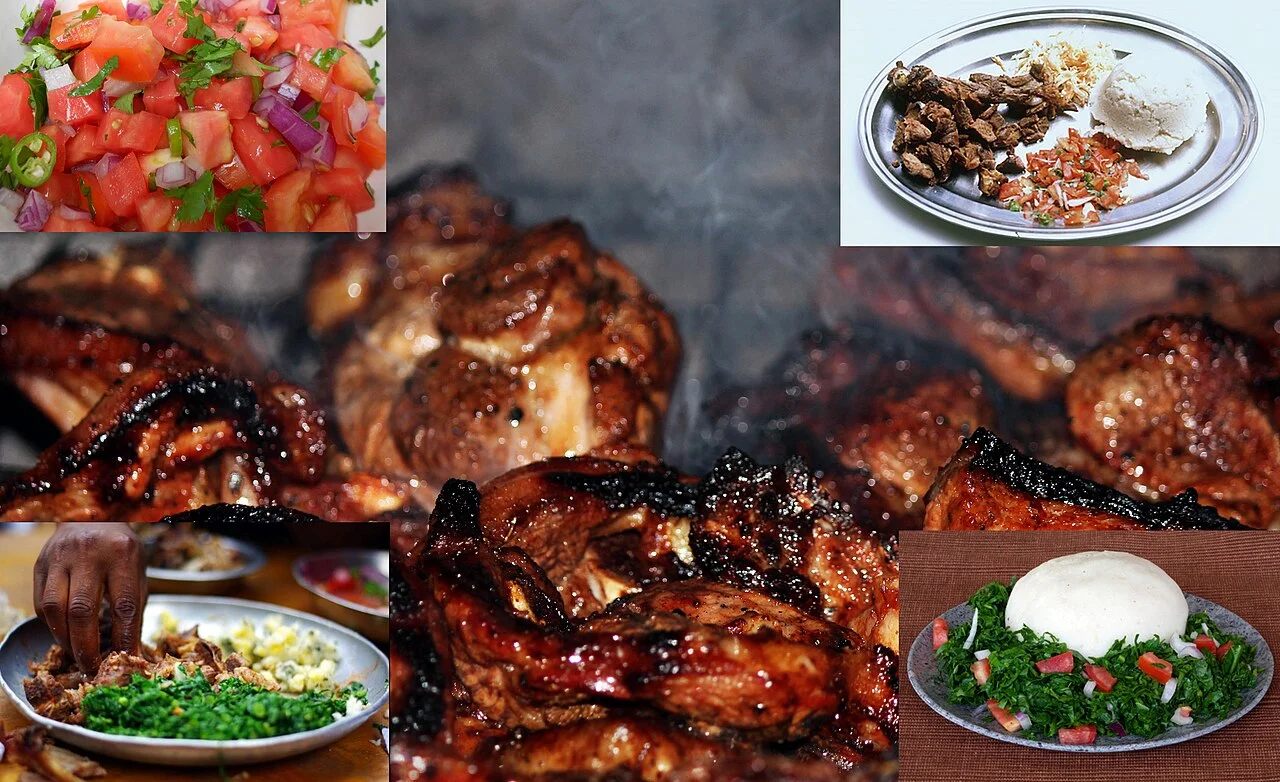
Nyama choma is a grilled or roasted meat tradition also described by Kenya’s tourism authority. When the name appears on a menu, ask which meat is used, how it is prepared and how the portion is defined. A selection by weight, an individual plate and a shared serving do not create the same bill or waiting time. If ugali, vegetables or another accompaniment are offered, clarify which are included at the outset. Travelling alone does not oblige you to choose a portion intended for a group. A smaller main preparation and an accompaniment leave room to explore other flavours. With several people at the table, agree on meat and heat preferences before the order. A dish name need not mean an identical preparation in every establishment. Do not squeeze a meal requiring cooking time into a break when your driver is collecting you only a few minutes later.

Ugali and sukuma wiki: finding the balance of the plate
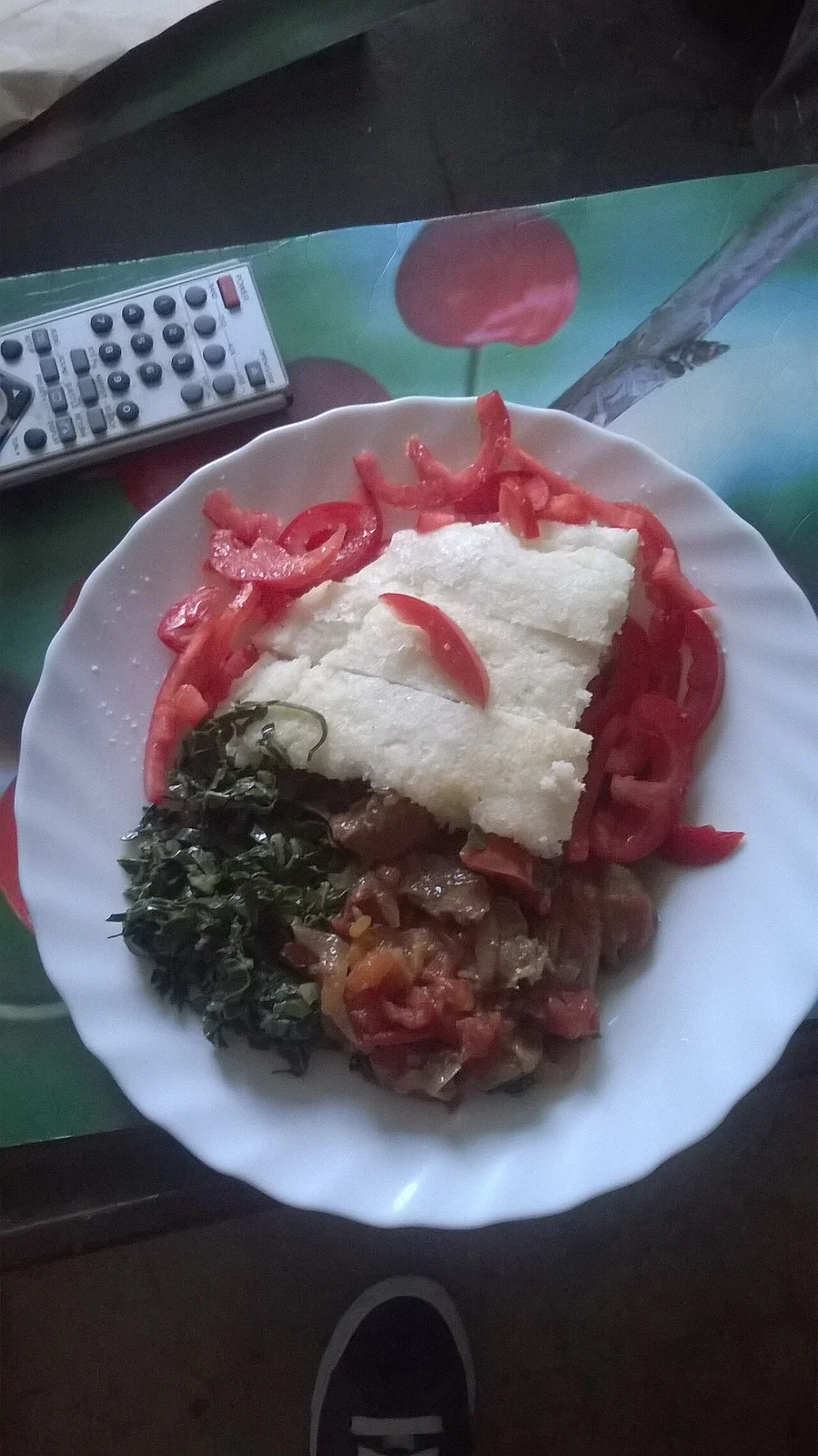
Ugali is a firm maize meal accompaniment. Tasting a little on its own, then combining it with vegetables or the main dish’s sauce, helps explain how the plate works. Green vegetable preparations described as sukuma wiki may also form part of that balance. Learning which oil, sauce or other ingredients are used is useful when you have a particular dietary preference. The appearance of a vegetable dish does not automatically confirm that it suits the ingredients you seek. Build the order through a short conversation: how is the ugali served, what goes into the vegetables, and how substantial is the main dish? Answers to those three questions can be more useful than a lengthy ranking of restaurants. Keeping a first portion manageable also preserves the option of a separate coffee or dessert pause afterwards, rather than making the rest of the day feel like recovery from lunch.

A Westlands evening: make a plan around your base
If staying around Westlands, keeping dinner within the same manageable part of the neighbourhood can simplify the end of a full day. Choose not only according to an establishment’s name but according to how you will reach the table and which accommodation entrance you will return to afterwards. Before reserving, examine the menu, service arrangements and the seating needs of your group. After a substantial meat based lunch, a smaller main dish or vegetable focused option may be more appealing in the evening. If you do not want to repeat a flavour, look for a different preparation rather than simply another large plate. Staying in one district does not mean remaining there all day. However, adding a distant journey solely for dinner should be a deliberate choice. A special food experience deserves separate time; for a straightforward evening meal, proximity and an easy return may matter more.
A Museum Hill lunch: keep a cultural day coherent
After a morning at Nairobi National Museum, avoid making lunch another compulsory appointment across the city. If you have spent a long time reading, a comfortable table and a pause may become the priorities. The institution describes dining possibilities around its visitor area, but confirm which establishment actually serves on your travel day through a current menu or the visiting team. Families can prepare for different appetites instead of expecting everyone to become hungry at exactly the same moment. A simple main dish with ugali or a vegetable accompaniment can leave room to talk about the museum rather than rushing into another activity. If a Karura walk follows, consider its length and entrance separately. A long museum visit, a large meal and an ambitious forest outing together may create a more demanding day than the timetable initially suggests.


A meal around Karen: connect it to the Giraffe Centre day
The meal on a Giraffe Centre day needs to fit the transport plan. Will you return to your accommodation district afterwards, or do you have time in the surrounding area? That decision directly affects the table you choose. When following an organised group itinerary, ask how much time the meal genuinely receives and whether it is included. For a meat focused experience, clarify sharing arrangements and the group’s different preferences in advance. Kenya’s tourism authority describes Carnivore’s open flame cooking concept. If that particular experience interests you, check the current establishment menu and reservation conditions separately rather than treating every item in an older introduction as permanent. Another wildlife visit after lunch is optional. Returning to your base and allowing the day to end slowly can be a more enjoyable choice than turning every spare hour into another transfer.


A food budget and a two day flavour route
Think about the budget in four parts: main plate, accompaniments, drinks and transport. A seemingly modest meal price may lead to a different total when a long transfer is added. On the first day, choose a simpler plate around your accommodation, with ugali and a vegetable preparation. Give a nyama choma meal more time on the second day and discuss how it differs from the previous table. Recognising the textures and methods that interest you is more useful than attempting to complete every tradition in two days. If an onward safari or flight follows, arrange the meal around the departure rather than placing a substantial new food experience into a narrow connection window. Clear ingredients and portions at the time of ordering provide firmer guidance than an assumed fixed price list. The Stork’s Nairobi food note returns to the accompaniment: paying attention to it often makes the main dish’s story clearer as well.