
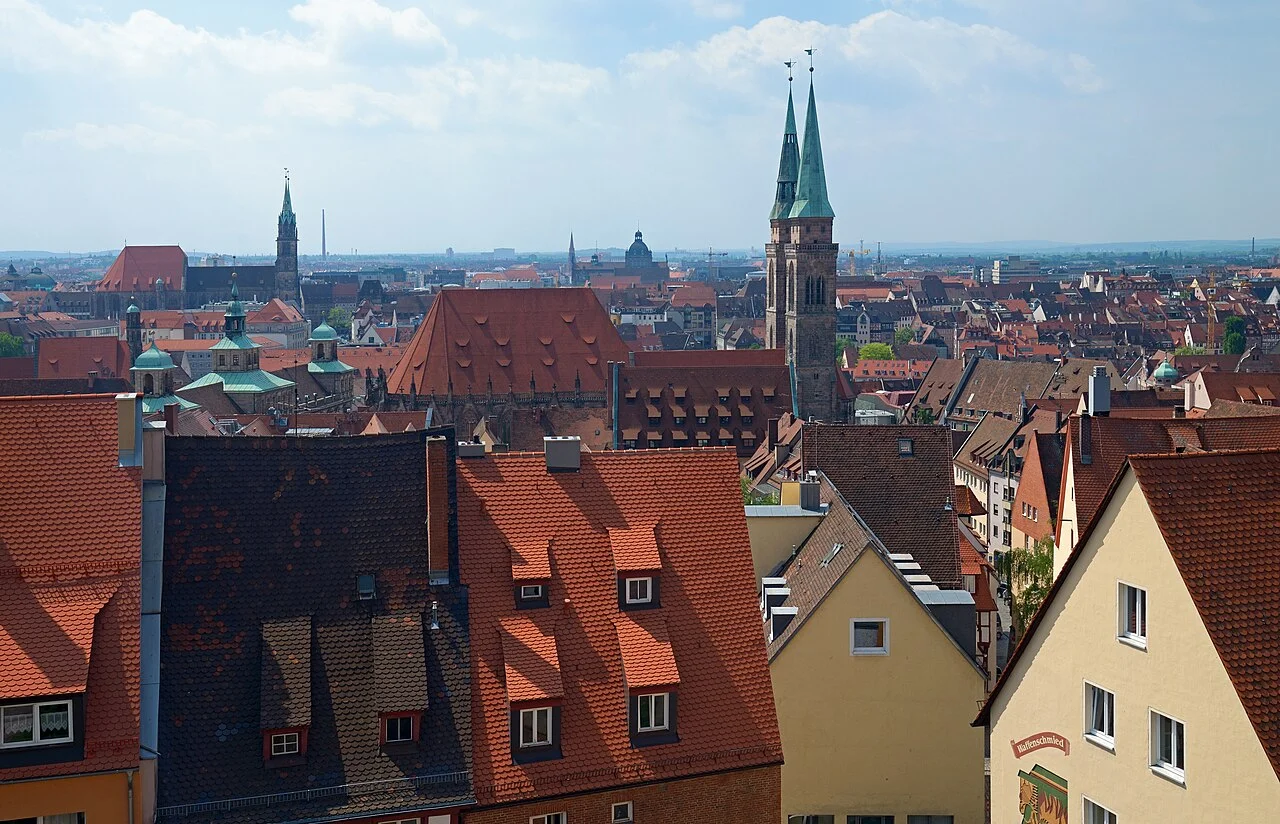
It is easy to remember Nuremberg only for its Christmas market and boxes of spiced Lebkuchen. Yet the city is much more layered: old quarters on both banks of the Pegnitz, preserved walls, the former home of artist Albrecht Dürer and museums that confront difficult chapters of European history. Tatilmerkezi’s Stork invites you through the old gates and into those stories. One street brings half-timbered facades; another opens onto the bustle of a market square; above them, the Imperial Castle shapes the skyline.
Two days make a balanced first visit. Spend the first day walking the Old Town, then choose a museum, a history-focused visit or a family-friendly discovery route for day two. With one day only, combine the main square and castle district on foot and add just one museum. Opening days, admission and access can change, so check official visitor information for your dates. The routes below are planning suggestions, not fixed schedules or promises.
Explore the Old Town on both sides of the Pegnitz
Nuremberg’s historic centre is divided between the Sebald quarter to the north of the river and the Lorenz quarter to the south. The tourism office’s self-guided walk begins at St. Lorenz Church and continues via Kaiserstraße, Karlsbrücke and the small island of Trödelmarkt. Cross the Hangman’s Bridge, follow the Pegnitz for a photo stop, and then walk through the half-timbered Weißgerbergasse toward St. Sebald and the castle hill. This sequence is more satisfying than collecting landmarks at random: river views, former craftsmen’s houses and the castle above them become one connected route.
If the full walk feels too long, split it into two sections. Stay around Lorenzkirche, the river bridges, Trödelmarkt and St. Sebald on the first outing; save Dürer’s House, Tiergärtnertorplatz and Kaiserburg for the second. Old Town lanes are cobbled and some stretches climb, so wear comfortable shoes and assess slopes and steps against your mobility needs. Keep space for the return journey as well. Taking your time on the hill makes it easier to notice the gates, rooflines and views.
St. Lorenz and St. Sebald: two church districts
St. Lorenz is a natural anchor for the southern Old Town. Walk around its portal and exterior, and allow time for the artworks inside if it is open. From there, head toward the river and cross one of the bridges connecting the two historic districts. On the northern bank, St. Sebald and its narrow lanes bring you closer to the castle hill. Rather than treating the churches as two photo stops, notice the transition between their neighbourhoods and the role the river plays in the city’s layout.
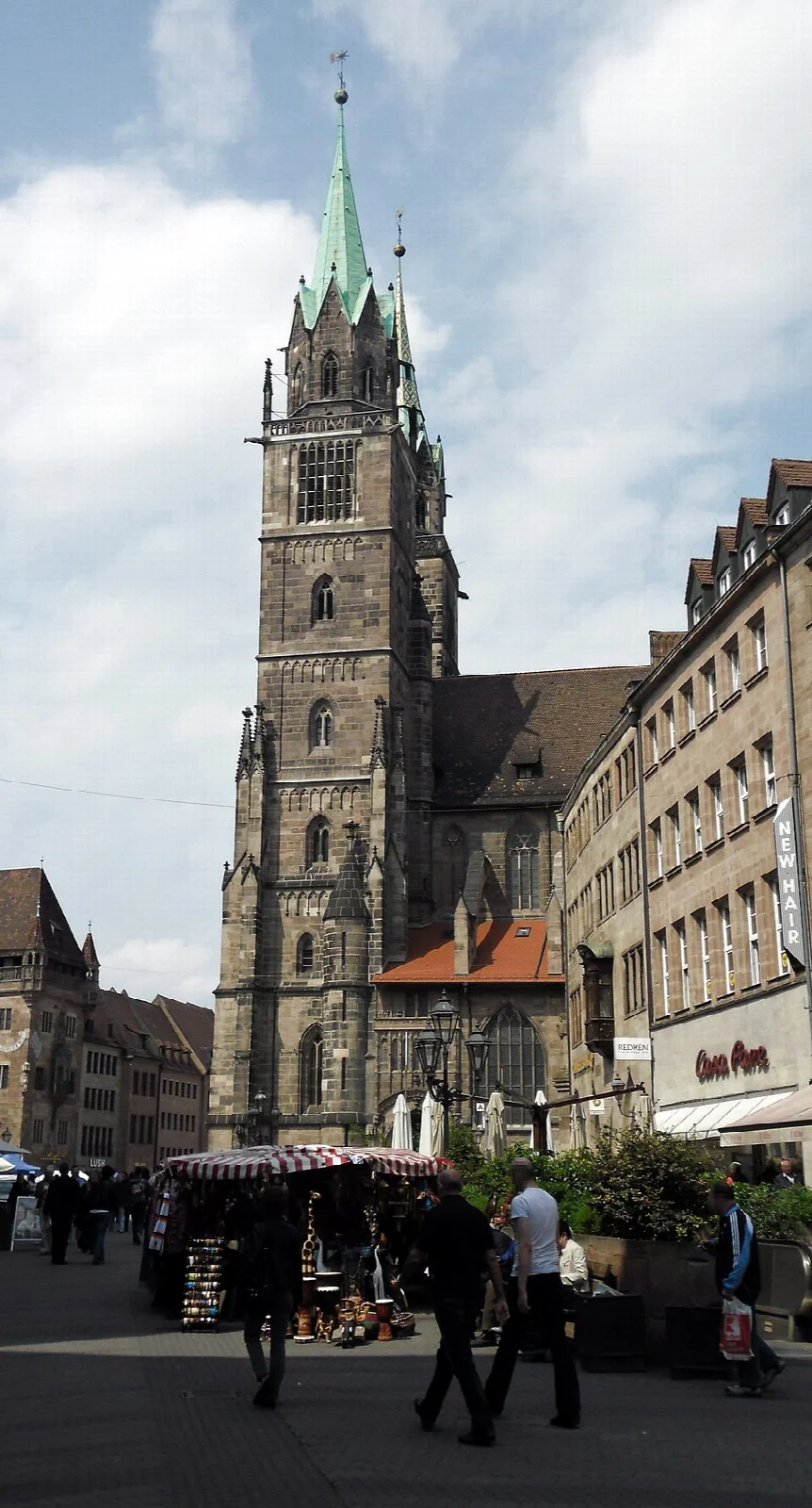

Worship, rehearsals or special events may affect visitor access. Keep noise low, ask about photography rules and treat the sacred interior respectfully. A church may offer shelter during rain, but do not assume it will be open for visits. Checking official visitor information on the day is a small but useful planning step.
Kaiserburg: city views above the walls
Kaiserburg, at the northern edge of the Old Town, defines one of Nuremberg’s best-known silhouettes. The complex brings together buildings associated with emperors’ stays in the city during the Middle Ages and museum areas. Even a courtyard walk, reading the buildings from outside and climbing for a view over the rooftops can fill a good part of the day. Interior areas, the tower and the Deep Well may have different visitor arrangements, so check the official page for tickets and last entry before you go.
The castle gardens can add a short outdoor break in warmer months; conditions differ in winter. If the hill is demanding, divide the climb into manageable sections and save energy for the viewpoints around the top. On the way down, continue via Burgstraße toward the town hall and Hauptmarkt rather than retracing every step. Leave time to look at the rooflines and wall gates: the castle becomes more than a checklist stop when you notice how it sits above the city.
Dürer’s House and Tiergärtnertorplatz
The half-timbered buildings around Tiergärtnertorplatz and Albrecht Dürer’s House make one of the city’s most atmospheric corners for art and architecture lovers. Dürer’s former home and workshop now operates as a museum, with an interpretation of Renaissance art and an artist’s working environment. See the building not only as the home of a famous painter but also as part of the historic neighbourhood below the castle. The nearby square is a natural place for a short rest and a slower look at the street scene.
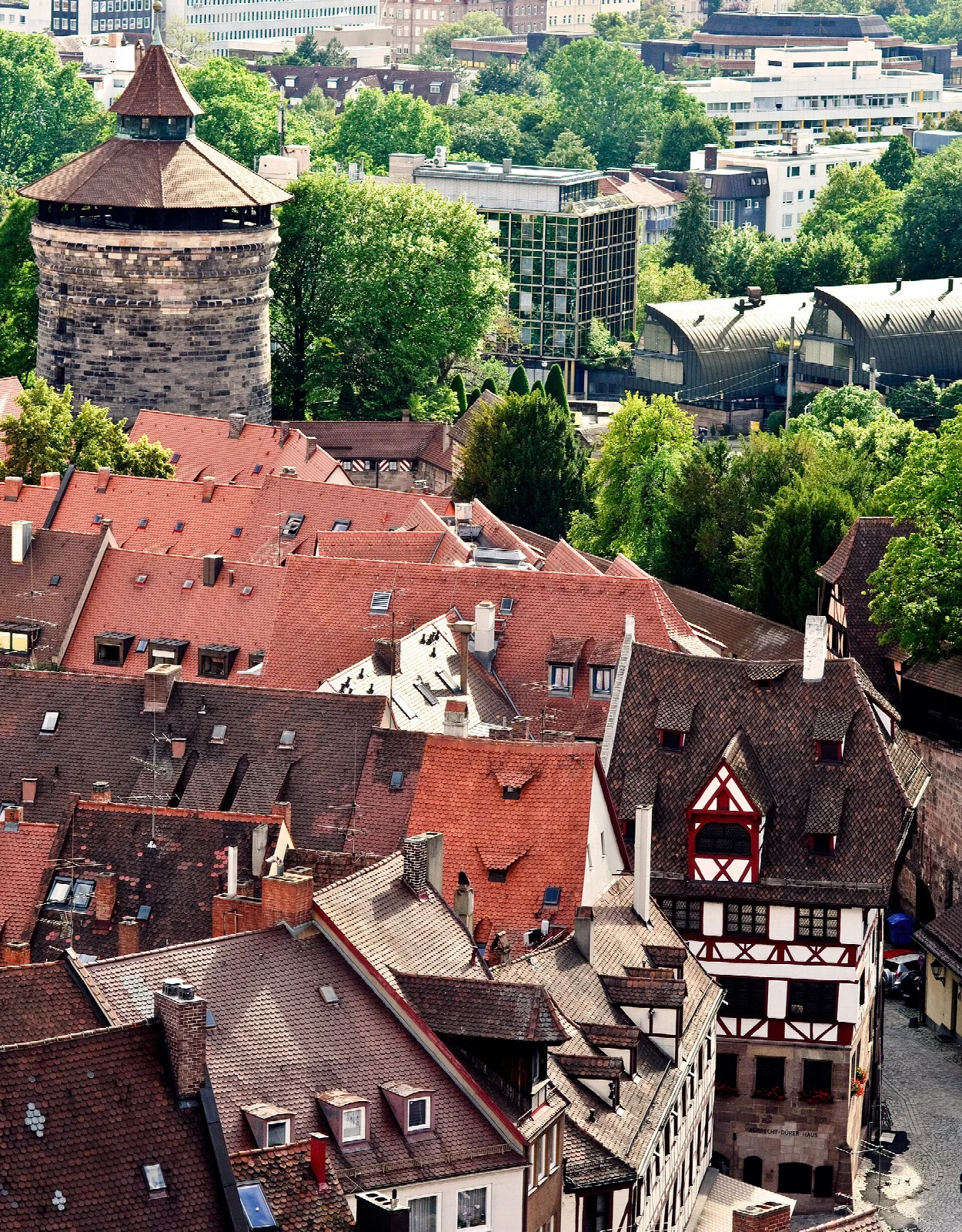

If you want to go inside, confirm opening days, exhibitions and ticket options on the museum’s official page. If you can choose only one museum, match Dürer’s House to an interest in art and architecture; compare the Germanisches Nationalmuseum for broader collections or Fembo House for local history. That way the day follows your curiosity instead of requiring several similar visits.
Nuremberg with children: Toy Museum and outdoor pauses
Nuremberg has a long toy-making history, and the Spielzeugmuseum is a strong family option. Its collection ranges from wooden toys and dollhouses to tinplate trains and contemporary favourites. The museum also has a play area for children, which can let adults browse at a slower pace. Still, do not assume any museum will suit every child automatically: build a short route around their age, interests and need for breaks. Nearby squares and the riverbanks can provide outdoor pauses between indoor visits.
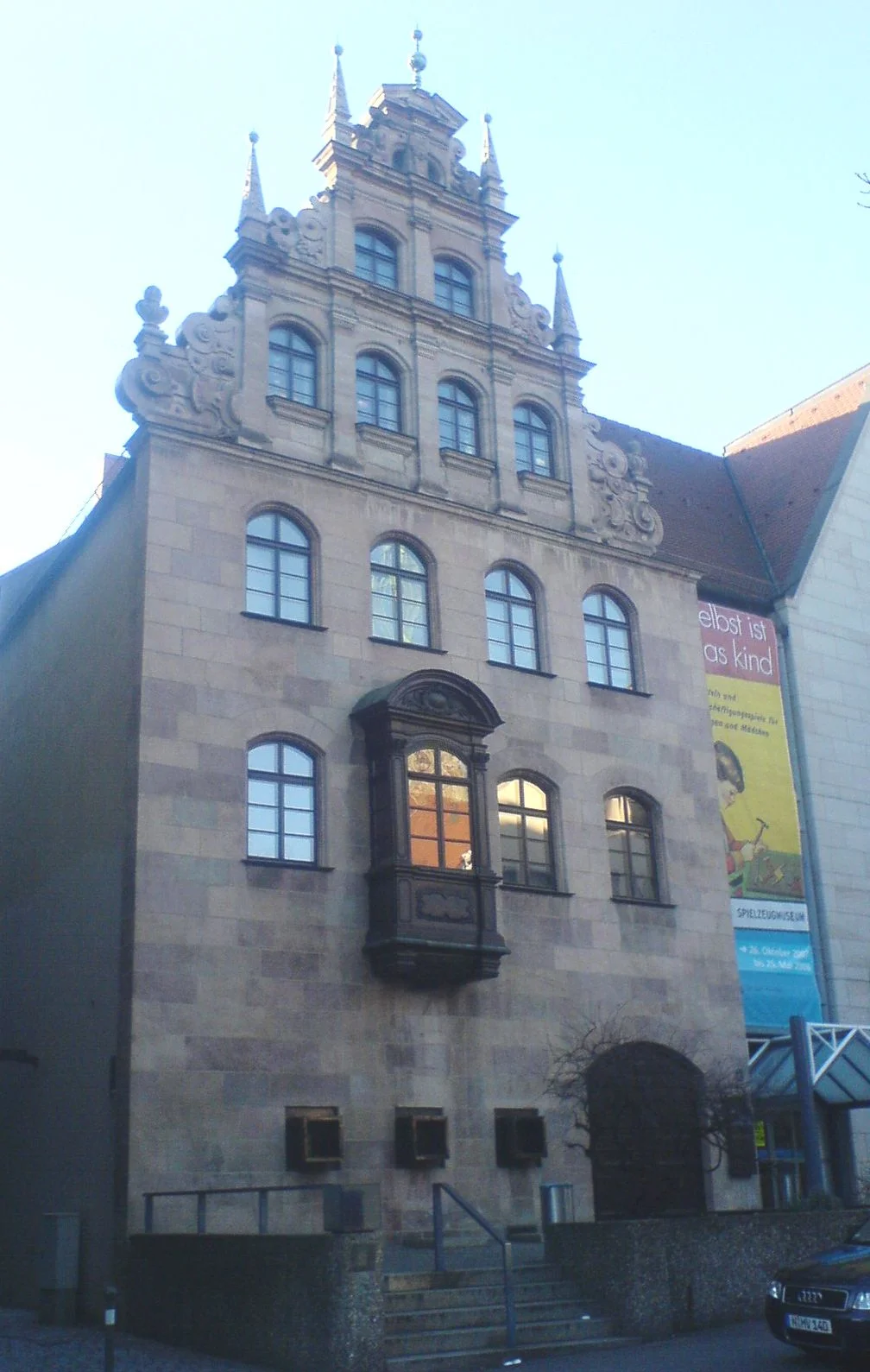

On a rainy day, consider indoor choices such as the Toy Museum or the Railway Museum. Opening days, family admission and accessibility may change; check each museum’s current information before deciding. With children, one main museum and a short Old Town walk often work better than packing several stops into one day.
Courtroom 600 and Nuremberg’s historical memory
Nuremberg’s twentieth-century history calls for a different kind of attention alongside the cheerful images of the Old Town. The Memorium Nuremberg Trials, in the Palace of Justice, explains the international trials and the history of Courtroom 600. Treat this as a serious learning and remembrance visit rather than an entertainment stop. Check the museum’s official information for the day’s opening areas and any courtroom restrictions caused by legal proceedings; do not assume that the room is always accessible.
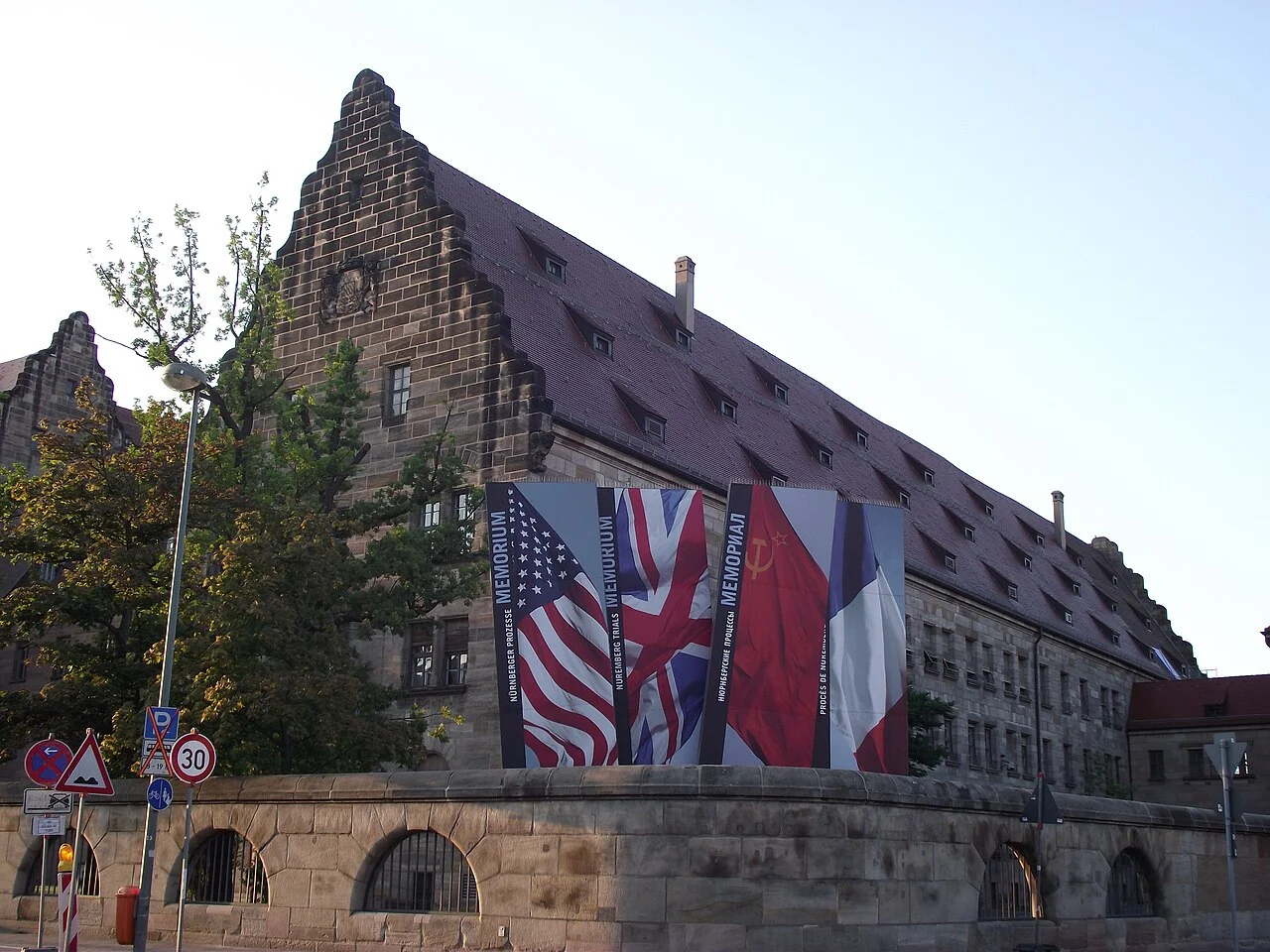

The Documentation Centre at the former Nazi Party Rally Grounds requires a separate trip outside the medieval centre. If you have time, choose one of these historical subjects and give it the attention it deserves. A story of Nuremberg told only through emperors and trade would be incomplete; understanding how the city documents its difficult past and brings it into public memory makes a visit more informed. If travelling with younger children, review the exhibition content and suitability in advance.
A walking plan for your first day
Begin around St. Lorenz, cross the bridges toward Trödelmarkt and pause briefly by the Pegnitz. Walk through Weißgerbergasse to St. Sebald, then choose a central place for lunch. In the afternoon, climb Bergstraße to Dürer’s House and Tiergärtnertorplatz, then continue to Kaiserburg. Descend via Burgstraße toward the Rathaus and Hauptmarkt to complete the circuit. Leave flexibility for museum queues, worship schedules and meals; this is a suggested full-day walk, not a timed tour.
Day two: choose a museum or a history route
Choose one main focus for the morning: the Germanisches Nationalmuseum for art and culture, the Toy Museum for a family outing, or the Memorium Nuremberg Trials for the history of justice and remembrance. In the afternoon, travel beyond the centre to the Documentation Centre or take a slower riverside walk. Plan museum visits around their weekly closing days, which differ. If considering the NÜRNBERG CARD + FÜRTH, compare the covered attractions and 48-hour local transport area with your actual itinerary; it does not automatically save every traveller money.
Airport and local transport
U2 connects Albrecht Dürer Airport with the city centre; Nuremberg’s tourism office describes the trip as about 12 minutes. Departure frequency, operating times and ticket conditions can change, so check the current VGN timetable. The main railway station is also close to the historic centre. Many first-time visitors can explore the principal sights inside the walls on foot; public transport is more useful for museums farther away or the former rally grounds. Choose a ticket for the zones and journeys you will actually use, and verify the fare for your travel date.
The walking route includes slopes and cobbled surfaces, so visitors with mobility needs may prefer fewer stops and public transport closer to the sights. Confirm accessible entrances, lifts, wheelchair and companion arrangements with each museum separately; one venue’s information does not apply to another. A covered indoor alternative is also a useful backup for changing weather.
Where to stay in Nuremberg
For a first two-day visit, staying inside the Old Town walls is practical if you want to walk to many of the historic sights. The area around the main railway station suits an early train or onward connection; when choosing a room, check distance from busy streets and the square. Staying beyond the historic centre can fit a budget or a preference for a quieter setting, but account for the walk to public transport and the evening journey back. The best area depends on the combination of your hotel location, city-card plan and chosen museums. Check each property’s current cancellation terms rather than relying on generic price promises.
Franconian flavours: bratwurst, Lebkuchen and red beer
Nürnberger Rostbratwürstchen is a protected geographical indication associated with the city. Try the small sausages as “Drei im Weggla” in a roll, look for a classic plated serving, or ask about “Saure Zipfel”, the vinegar-braised version with onions. If you have vegetarian, halal, allergy-related or other dietary needs, ask the restaurant directly; kitchens and menus vary. Nürnberger Lebkuchen is available beyond the Christmas season in many forms. Spices such as cinnamon, cloves and cardamom recall the city’s trading past as well as its baking tradition.
Franconian dishes such as Schäufele, seasonal carp and regional horseradish may also appear on menus. Local rotbier offers another angle on Nuremberg’s brewing heritage. Compare traditional restaurants in the Old Town with more contemporary options; do not promise fixed prices or permanent opening hours. The Stork’s small table note: choose one local main course and a smaller regional treat instead of trying everything at once, and you will keep more energy for the walk.
Seasonal planning and practical notes
The Christkindlesmarkt brings a special atmosphere during Advent, while also increasing demand for rooms and crowds around the square. If that is your travel period, arrange accommodation and transport earlier, then verify current market dates and city events on official calendars. Spring and summer offer longer daylight for walks; the castle hill can feel windy in colder months, so layered clothing and an indoor alternative help. These are general planning ideas, not a weather forecast; conditions and events can change close to departure.
You do not have to spend an entire day inside museum galleries. Pair the Old Town walk with one main museum, a generous lunch break and a short pause by the river. For quieter photographs, try the main square earlier in the day and leave the castle view for softer late light. Respect worshippers and museum rules when taking pictures. Add another neighbourhood only if your stay allows it; there is no need to exhaust the whole region in a short visit.
Frequently asked questions
How many days should I spend in Nuremberg?
Two days offer a balanced first visit: an Old Town walk and one or two museums chosen around your interests. With one day, focus on the castle and historic centre, then choose one main museum.
How do I get from the airport to the Old Town?
The U2 metro connects the airport with the centre; the journey takes about 12 minutes. Check the current VGN service and ticket information before travelling.
Can I always visit Courtroom 600?
No. The museum calendar and court proceedings may affect access. Check the official Memorium page close to your visit.
Is a Nuremberg city card worthwhile?
It may suit you if the museums you plan to visit and your use of public transport match its coverage. Compare the current terms with your itinerary before buying.
The Tatilmerkezi Stork is our brand’s storytelling character. This guide combines official sources and editorial route suggestions; it is not a personal travel diary.
Sources and current visitor information
Information checked on 1–2 October 2026. Recheck official admission, works and menu arrangements for your travel date.
- museums.nuernberg.de — hours
- tourismus.nuernberg.de — imperial castle
- tourismus.nuernberg.de — museums
- tourismus.nuernberg.de — toy museum
- tourismus.nuernberg.de — nurembergs specialties
- tourismus.nuernberg.de — tour on your own walk through the old town
- tourismus.nuernberg.de — by plane
- tourismus.nuernberg.de — nuremberg bratwurst restaurants 1
The Tatilmerkezi Stork is our brand's storytelling character. This guide combines official sources and editorial route suggestions; it is not a personal travel diary.