

An Ohrid table: three meals at the pace of the lake
Do not compress eating in Ohrid into a single evening table beside the water. A bakery counter in the morning, a warm dish served in an earthenware vessel at lunch, and the region's dough tradition in the evening can give the same day three different moods. The Tatilmerkezi Stork opens its wings here towards a comfortable rhythm: a smaller breakfast, a walk in between, and a meal with time to sit. Learning the names gjomleze and tavče gravče is a useful start; learning when and how to order them makes the experience more rewarding. Choose a waterfront table for wind, shade and comfort as well as the view. Everyone in a group need not order the same dish, and a shared plate leaves room for curiosity. This guide arranges walks between meals rather than trying to complete every historic attraction in one day. Keeping that distinction makes it easier to enjoy what is actually on the table.
Gjomleze: layered dough for an unhurried meal
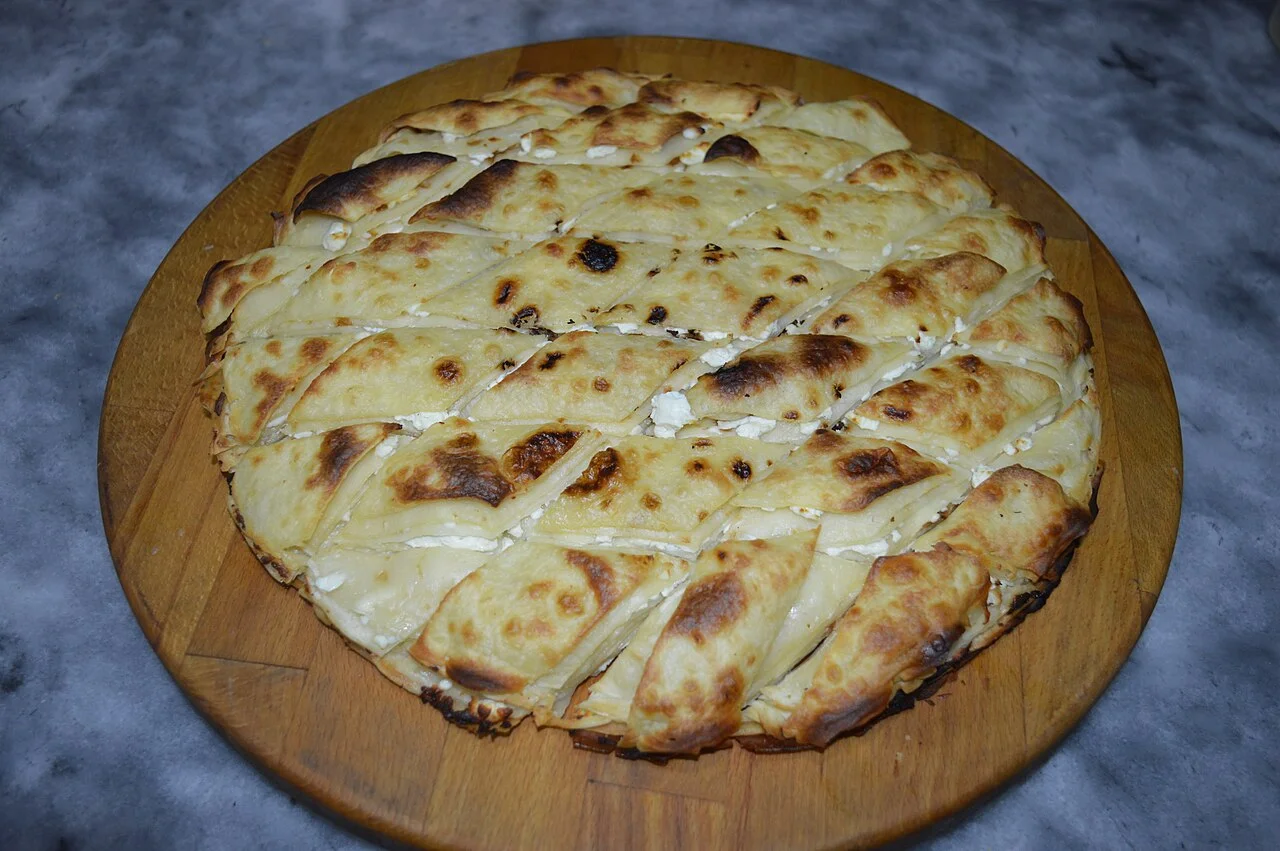
Gjomleze has a particular place in the food identity of the Ohrid area. The national tourism publication associates this layered dough dish with Ohrid, and the municipality's local-product events also feature the tradition. When ordering a slice, ask about portion size and whether cheese or another accompaniment comes with it. Rather than treating the dough as a tiny snack and immediately adding a large main course, consider making it the centre of the meal. With several people at the table, establish how much a shared portion provides before ordering more. Availability is worth discussing: a preparation that takes time should not be assumed to appear at every business at every hour. If it is the main reason for choosing an evening table, ask in advance. Warmth, browned edges and the texture of the layers give you something enjoyable to discuss beyond ticking a name off a list. A freshly prepared serving and an earlier batch may be presented differently, so let the actual offer guide the choice.

Tavče gravče: a bean break in an earthenware dish
Tavče gravče belongs to the country's wider cuisine, rather than being exclusive to Ohrid. The national tourism description explains a baked bean preparation with onion and pepper, finished in an earthenware vessel. At lunchtime it can provide a substantial centre to a meal with bread and a lighter accompaniment, particularly between walks. The same name can appear with meat additions or different serving arrangements, so anyone seeking a vegetarian meal should ask directly about meat, stock and preparation. There is no need to add several dough dishes before seeing the portion. With children, discuss chilli; at a shared table, take care with the heat of the serving vessel. Tasting the browned surface together with the softer interior gives a good introduction to the home-style side of the food without building an unnecessarily large order. Make the side choices after you know what accompanies the beans, rather than assuming every menu uses the same arrangement.


The old bazaar: let breakfast lead into a walk
The old bazaar area makes a useful starting point for the morning. Begin with a drink and a simpler bakery product, then enter the streets; when a second counter catches your attention, consider a shared taste rather than another full breakfast. Ask whether the filling contains cheese, vegetables or meat instead of guessing through the display glass. If someone has a specific dietary requirement involving dairy or gluten, discuss the ingredients before ordering. As you head towards the lake, keep food stops shorter and leave separate time for browsing and sitting. Think about carrying anything bought to take away: a hot or oily product in loose paper is easily crushed if it spends the whole day inside a bag. Sharing several different items can make the breakfast more curious while preserving an appetite for lunch. An early decision about the next meal also prevents the walk from becoming a sequence of unplanned large orders. You can always return to a tempting counter on a second morning.


Around Saint Sophia: a calmer interval between meals
Use the area around Saint Sophia as a breathing space in the food route. If you want a cultural visit, check its current admission arrangements separately; being on the route to a meal does not turn the monument into a dining venue. Smaller streets and sitting breaks can soften the walk back towards the waterfront. After lunch, it may be more comfortable to return to a flatter stretch by the water and decide later whether you want to climb, rather than adding every hill immediately. With a stroller, walking aid or limited mobility, assess paving and steps instead of relying solely on a short distance on the map. If dinner is still far away, a coffee stop need not become another main meal; water, a seat and shade can be valuable in themselves. The Stork is not asking you to fit the largest number of stops into the shortest time. Leaving some energy and interest for the next taste is a better way to structure the day.


A lakeside table: ask the questions that change dinner
When choosing an evening table on the waterfront, look beyond an attractive view. Outdoor or indoor seating, wind, shade, smoke and the style of service affect how the meal feels. On a busy evening, ask the business whether a reservation is useful and when the kitchen takes its final orders. If you are considering fish, ask about the species, portion and origin; standing beside a lake does not establish that every fish on the menu came from it. For an unfamiliar dish, discussing ingredients and cooking style is more helpful than relying on a photograph. A shared starter and drinks can establish the pace before you decide on mains, avoiding the rushed order that fills the table too early. For sunset, account for the season and weather instead of tying the entire plan to a fixed hour. If you expect a longer meal, include the comfort of children and older travellers, as well as access to facilities, in your choice. These practical questions make the scenery easier to enjoy.
A one-day meal plan, with room for a second day
Try a small breakfast near the bazaar, a waterfront walk, tavče gravče or another warm dish at lunch, and an evening table where you have already asked about gjomleze. This gives fuller dishes their own space. If a product is unavailable, do not spend the whole city visit chasing it; select something that meets the same meal need and ask again on another day. With a second day, change the balance rather than repeating the first evening's dough-heavy meal at the next lunch. A salad, vegetables or a different main can give the menu another direction. This is a suggested personal plan, not a claim about fixed restaurant menus. In wet weather shorten the outdoor portions and increase seated breaks. In sunshine, remember that a drink chosen for enjoyment and enough water for the walk are separate considerations. A short note after the meal can help the next order: the product name, a texture you liked and an accompaniment you want to try again are more useful than collecting an enormous list of dishes.
Accommodation and transport: preserve energy for the table
Staying close to the old centre can shorten an evening return, while the slopes and steps of some historic streets may complicate arrival with luggage. If you prefer a flatter waterfront area, check the exact address, approach and evening transport. Do not choose a view room from a distant image alone: ask about the last street, entrance level and where a vehicle can drop you off. For airport arrival, review TAV's transport information and current passenger guidance. At the source check on 4 October 2026, TAV stated that there was no regular passenger shuttle bus, distinguishing transport organised for tours and seasonal flights. Avoid building the arrival around an assumed public bus; discuss a transfer or taxi arrangement before travelling. For intercity coaches, use the operator's date-specific information, and confirm the terminal for your actual service. Solving these details preserves appetite and curiosity for the meal. The sources below support dish descriptions and transport checks; choose current menus and availability directly with the businesses you intend to use.