
What to eat in Oslo is an appealing question because it does not require you to stay within a single cuisine. A walk beside the fjord can become a very different meal around Akerselva and its food-market surroundings. The Tatilmerkezi Stork suggests choosing a few flavours you are curious about and placing them within a comfortable neighbourhood plan. Breakfast, a warm lunch, coffee and an evening table fulfil different needs. Think about where each part of the day will happen before expecting one venue to solve them all.
This guide focuses on food decisions rather than repeating Oslo’s sightseeing list. A photographed dish does not prove that a restaurant serves the same meal today. The ramen image used here is a real Oslo food photograph taken on 9 August 2024, without being presented as the current menu of a named business. Architecture and waterfront photographs provide context for the walks between meals. The aim is a useful framework for your own food day, without promises about current prices, available tables or every kitchen being open throughout the day.
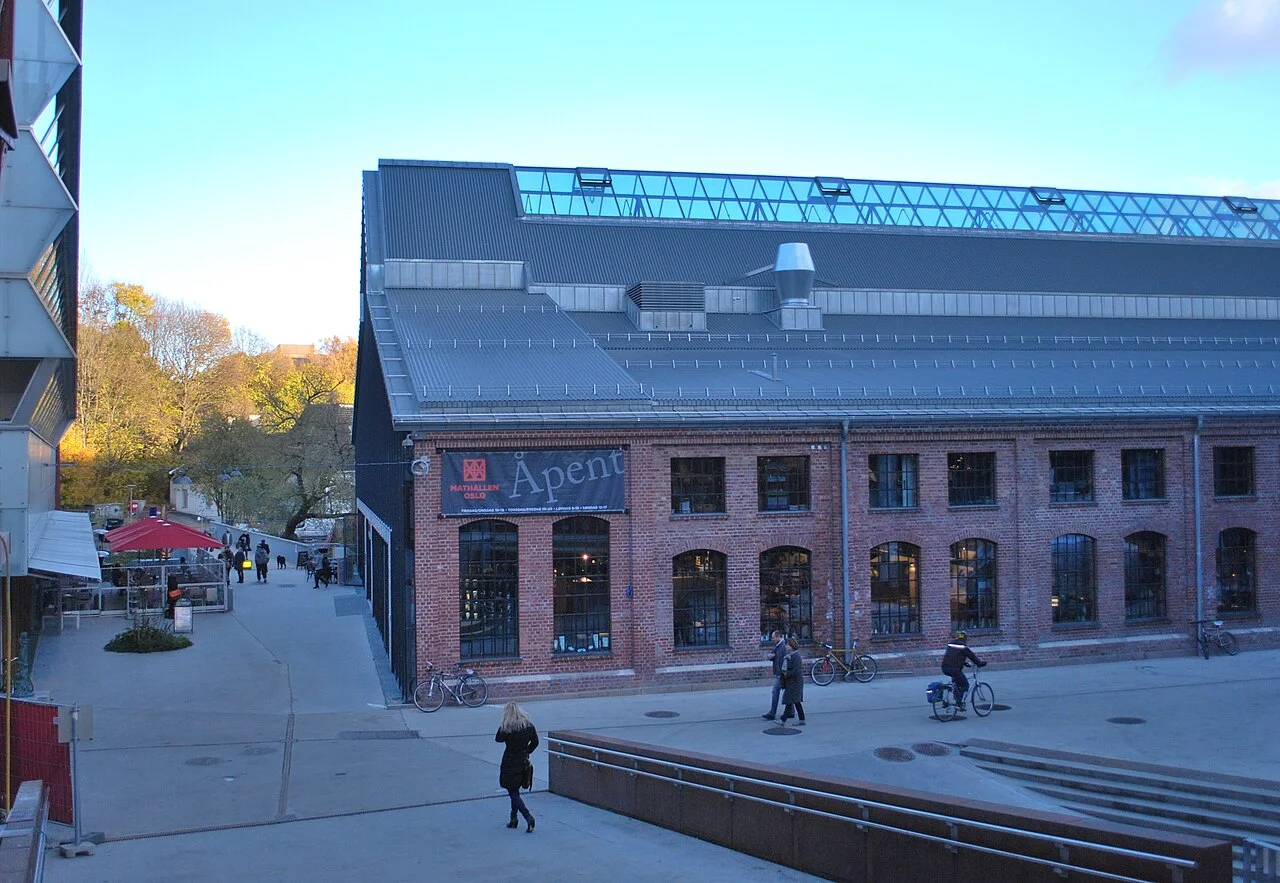
Mathallen: bring different appetites together
VisitOSLO’s current introduction describes more than thirty shops, cafés and restaurants at Mathallen, at Vulkan 5. Norwegian products and international flavours sit alongside each other, giving a group room for different preferences. Vulkanfisk, with its fish counter and seafood bar, and Solberg & Hansen, with a coffee and tea focus, offer two contrasting starting points. They are different experiences: one may anchor lunch, while the other makes more sense as a shorter drink break.
Do not equate the hall’s general opening hours with those of every individual counter. The tourism source specifically notes that their hours can differ. Check the operator’s current calendar for the place you intend to use. If several people order from separate counters, agreeing on a meeting place and seating arrangements first can reduce pressure when dishes arrive at different times. Treat the market as a real lunch stop with ordering and sitting time, rather than solely a photographic waypoint between other activities.
Norwegian flavours or an international bowl
If Norwegian food interests you, begin by asking how a fish or seafood dish is prepared, what accompanies it and whether the portion is a full meal or a smaller tasting. An ingredient name on a menu may not explain the complete dish. When choosing between smoked, marinated, soup-based and hot preparations, consider which textures you enjoy. Combining one unfamiliar choice with a familiar accompaniment can make the table more comfortable than ordering several unknown things at once.
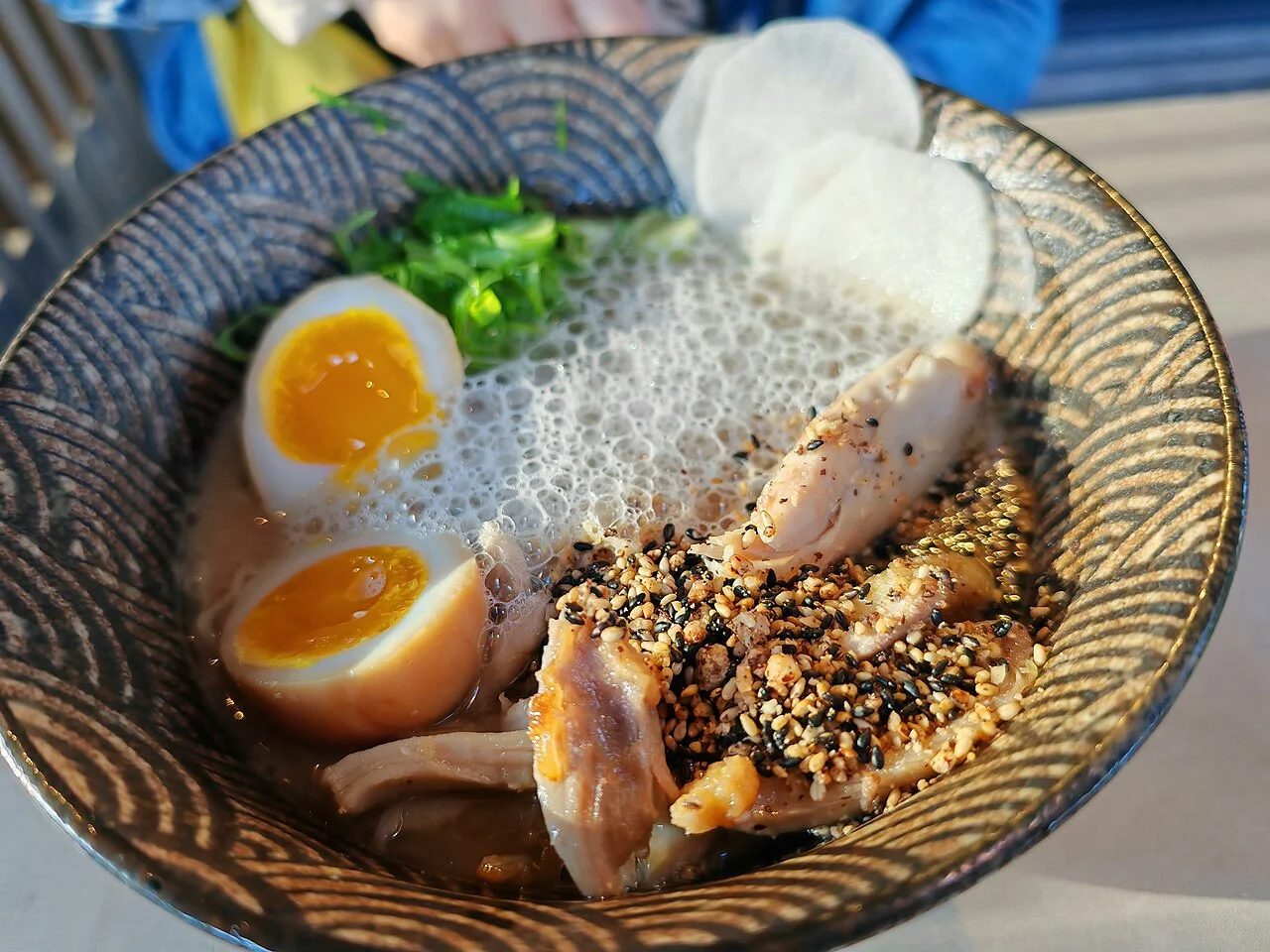

For visitors interested in game, the official tourism listing identifies Helt Vilt in Mathallen as an option. Confirm that day’s menu with the business rather than assuming that every animal and preparation is always available. Oslo’s food exploration need not remain entirely within traditional Norwegian dishes either. The real Oslo ramen photograph is a visual example of this variety; a bowl with Japanese origins is not labelled as a traditional dish unique to Oslo. Choosing a meal that suits you may matter more than completing a national checklist.
Torggata street food and the evening atmosphere
Oslo Street Food at Torggata 16 appears in the official tourism introduction as a food hall combining different world cuisines. The same source mentions vegetarian, vegan and gluten-free choices. This does not mean every counter suits every dietary requirement. Menu details and questions about cross-contact still belong to the individual business taking your order. A group of friends may enjoy being able to choose different main meals without everyone following the same preference.
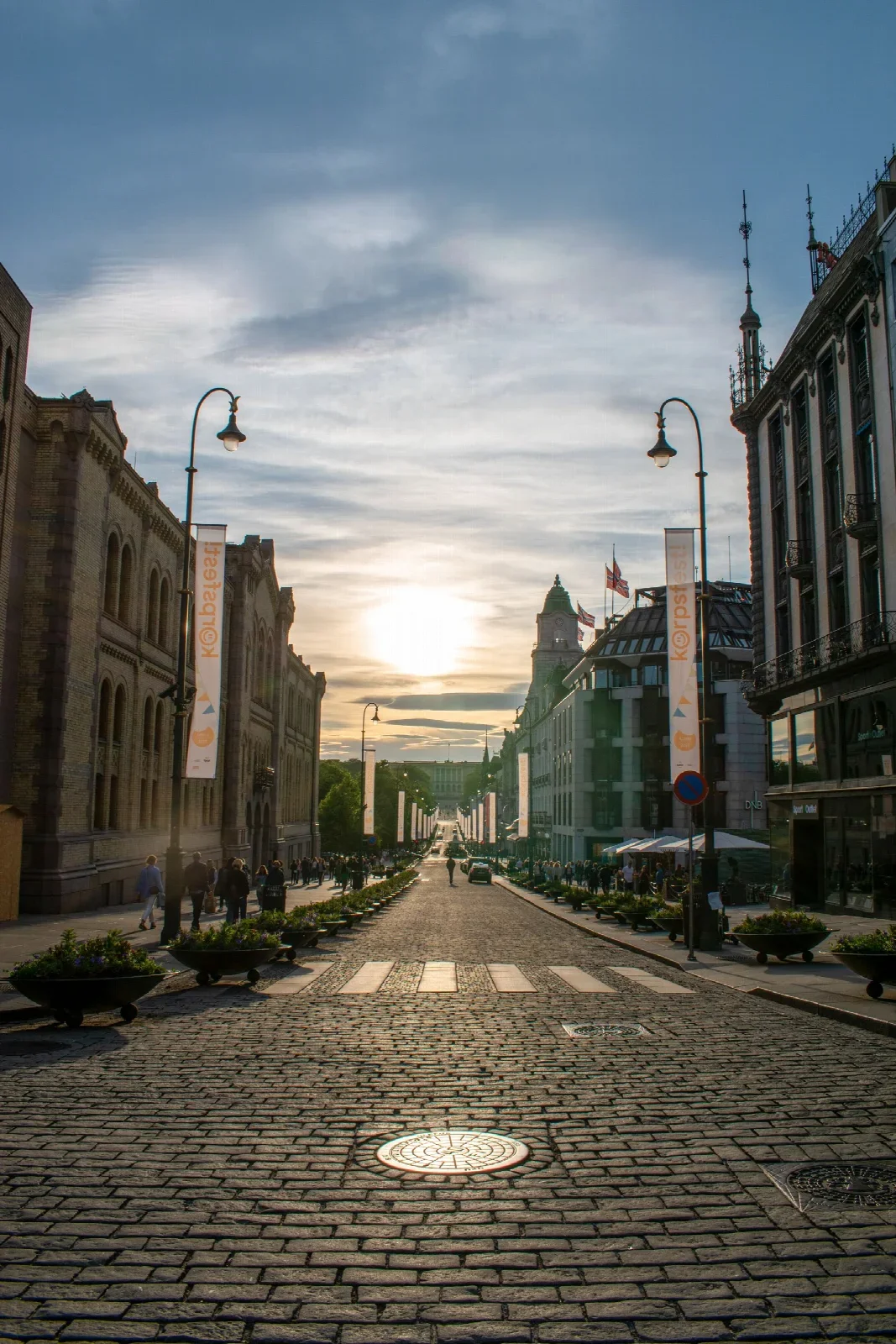
Do not treat daytime dining and the entertainment atmosphere on Friday and Saturday nights as identical experiences. VisitOSLO separately describes the evening nightclub arrangements. If you want a quieter family table with easy conversation, choose the day and time accordingly. For a large gathering, check the venue’s current booking and event information rather than relying on finding an empty table without planning. Discuss food and drinks separately as well: not everyone may want an alcoholic drink, and the journey home still matters after a long evening.
Waterfront walks, coffee and where to stay
When pairing a meal with a Bjørvika walk around the Opera House, make the decision on more than the view. In cold or wet weather, an indoor table can be more enjoyable than an extended search outdoors. Give coffee its own place in the day when you actually want to rest, rather than making it the only plan for a gap between meals. Look at the café’s present display and menu for pastry choices; an image from an earlier trip is not evidence that the same item is permanently available.
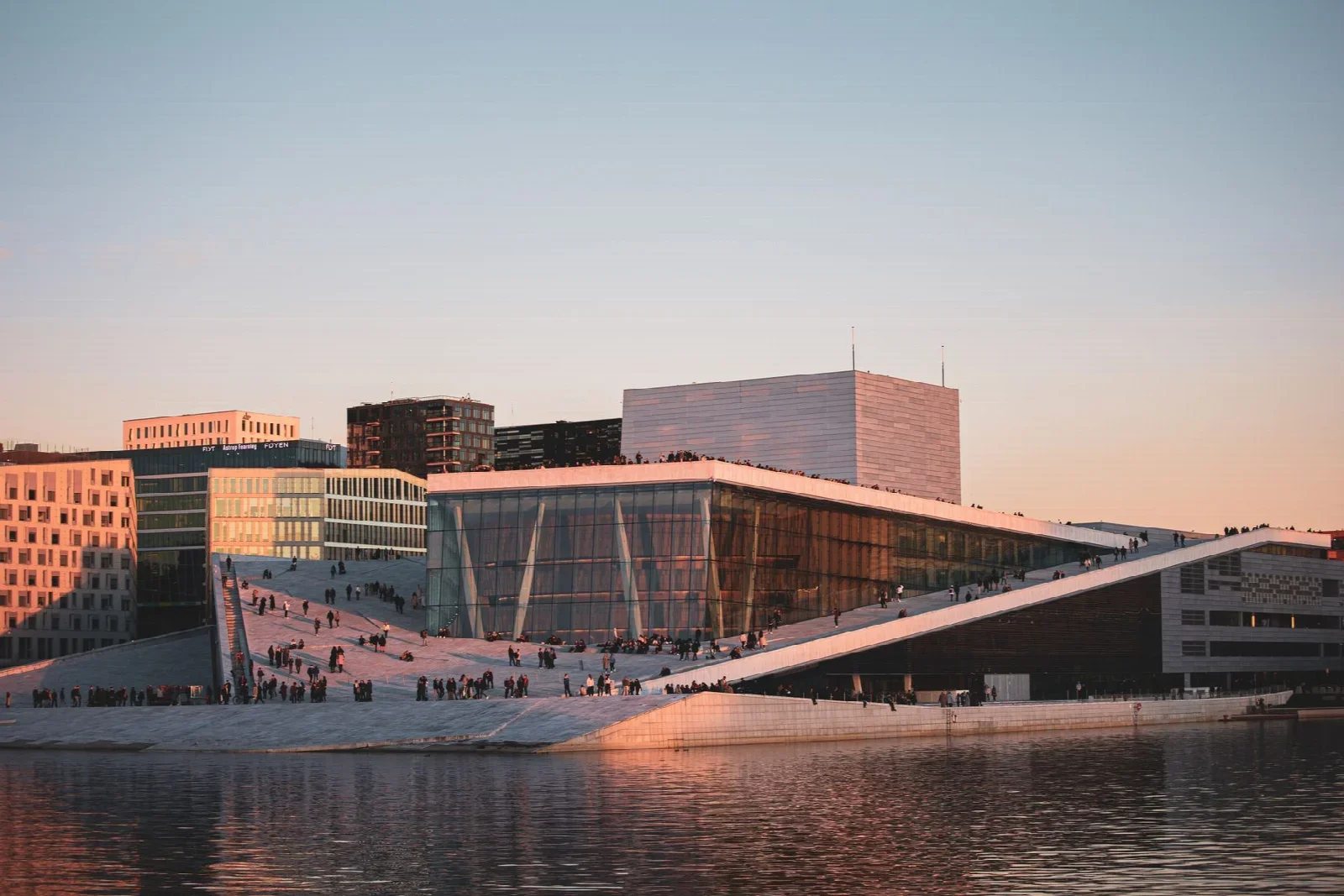
For accommodation, weigh the transport connections around Oslo S, your waterfront plans in Bjørvika or the wish to spend more time around Vulkan. These are neighbourhood examples for thinking about the return after dinner, rather than specific hotel endorsements. Staying centrally does not give every table the same walking time from your room. Enter the actual accommodation and meal addresses in Ruter’s current journey planner. Check changes, connections and the final return for the day you travel. This guide does not prescribe a fixed tram number or an unchanging departure time.
A sample food day and an ordering checklist
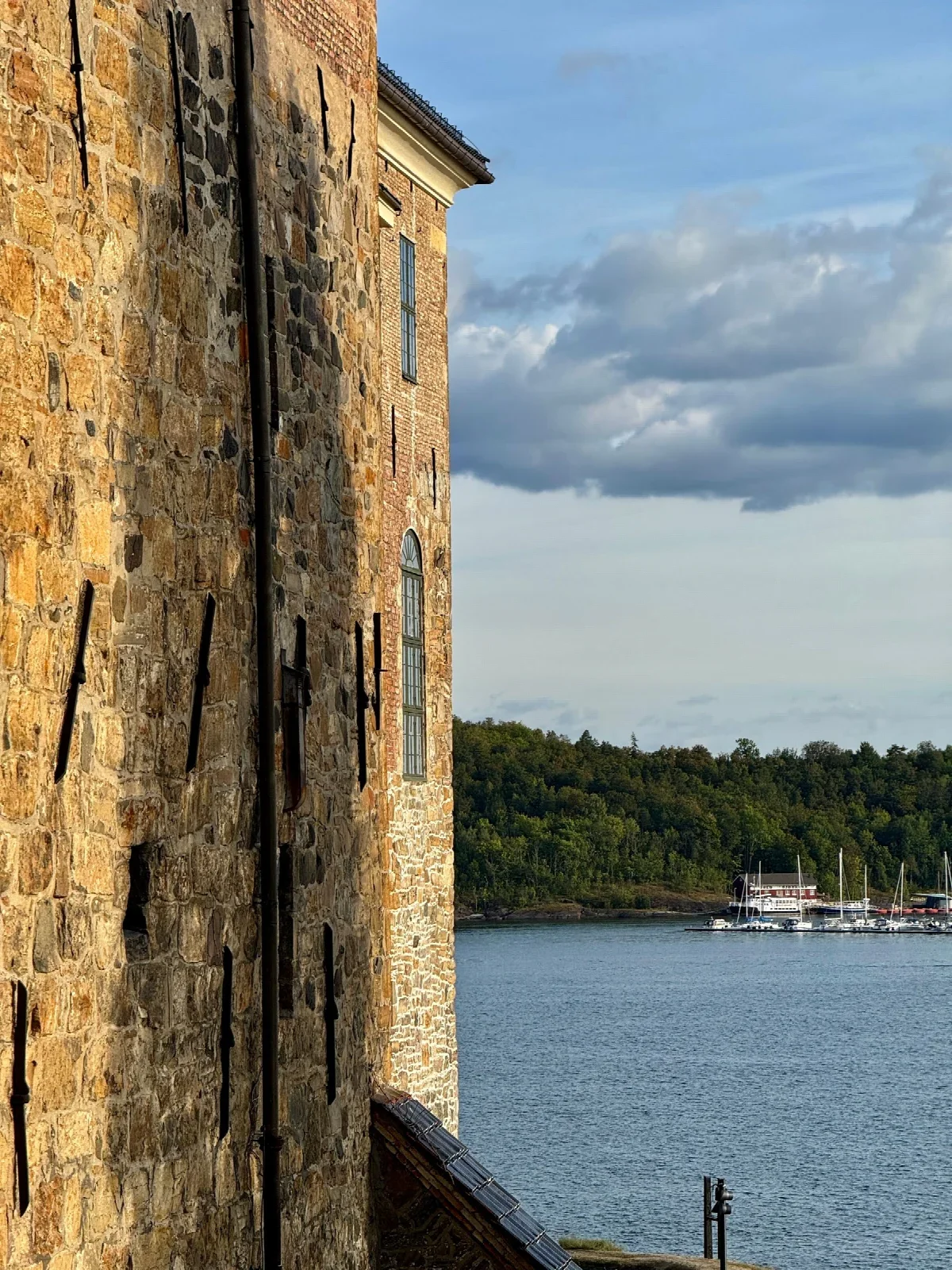
Start with an unhurried breakfast at your accommodation or nearby. If your morning walk follows the waterfront, allow a shorter coffee stop. When moving lunch to Mathallen, leave room to choose a counter and sit down. In the afternoon, select one sweet treat rather than stacking every tasting on top of the previous one. Finish with Torggata or a quieter table near your accommodation according to the group’s energy. If passing Akershus, keep it as a short city chapter between meals instead of adding the entire sightseeing list to the same day.
To track spending, consider drinks, coffee, dessert and transport alongside the main meal. There is no fixed daily price here; checking the present menu before ordering is more useful. With sensitivities involving fish, shellfish, dairy, eggs, gluten or nuts, do not guess from a dish’s appearance. Ask directly about allergen information and separate preparation possibilities. The Tatilmerkezi Stork’s Oslo food suggestion is to combine curiosity with comfort: try something new, sit without rushing and preserve enough energy to enjoy the city lights on the way back.
Primary tourism and transport sources were checked on 3 October 2026. Confirm menus, hours, booking, prices and transport arrangements close to your travel date.