
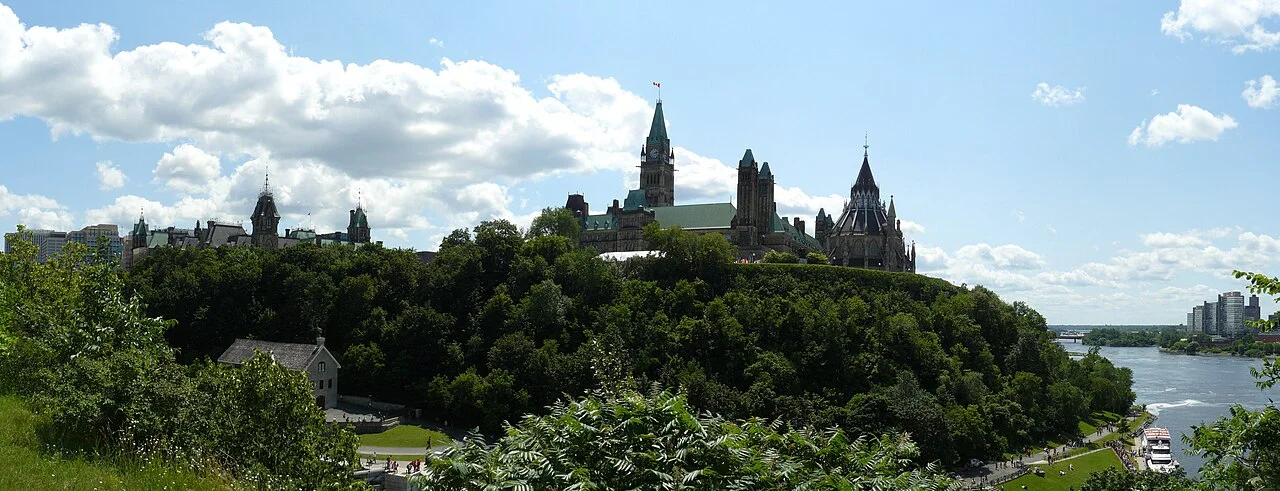
Ottawa deserves more than a photograph taken outside Parliament. Canada’s capital, in the province of Ontario, opens gradually between the Ottawa River and the Rideau Canal: stone buildings, changes in water level, market streets and walks that lead naturally towards dinner. The Tatilmerkezi Stork slows its wings here. Rather than racing between three attractions, follow a waterfront and notice how the city fits together. Gatineau, across the river, belongs to Québec. It can be part of the same trip, but it is not an Ottawa neighbourhood in Ontario.
Two full days make a useful first visit, with a third allowing a museum to receive proper attention. Build day one around Parliament, the northern end of the canal and ByWard Market; reserve day two for Centretown, Sparks Street and a museum chosen for your interests. This guide concerns Ottawa, the Canadian capital, rather than American places bearing the same name. Its transport, accommodation and neighbourhood suggestions all follow that geography.
Parliament: choose the visit before planning the view
Walk along Wellington Street and the hill’s position above the river becomes clear. However, the official position checked on 4 October 2026 still has Centre Block closed for extensive rehabilitation. Do not expect an ordinary interior tour of the main building familiar from photographs. The official visitor options distinguish the House of Commons in West Block, the Senate in the former railway station and Parliament’s Immersive Experience. East Block tours are seasonal. Read the starting address when choosing a booking: these programmes do not all begin at the same entrance, and admission to one is not an automatic pass to another.
Putting Parliament on the first morning makes it easier to organise the rest of the day around a fixed booking. Leave time for breakfast and an exterior walk beforehand, instead of scheduling another major museum immediately before the tour. Afterwards, continue towards the canal and the river views. Looking at historic buildings from outside is a worthwhile experience, but it is different from visiting their interiors. Construction boundaries and local directions determine the paths available on the day; a historic photograph should never be treated as a map of present access.
Rideau Canal: a walk shaped by water
The northern canal area, where the waterway approaches the river, introduces the engineering behind Ottawa’s attractive waterfront. The surroundings of Bytown Museum form a sensible starting point if you want to understand the canal’s history; a museum visit deserves its own time slot. Staying with one bank for a while produces a calmer walk than crossing at every bridge. If cycling, include the return point for your rental and the nature of shared pedestrian paths in the plan. A small, coherent loop is more convenient than assuming a bicycle can simply be left outside whichever attraction comes next.


For a longer canal outing, choose a turnaround point rather than treating the whole waterway as an afternoon task. Ottawa Tourism’s central cycling suggestions provide a helpful way to combine river views, canal scenery and historic sites. A view from a bridge differs from the one at water level: make one a photography stop and the other a coffee break. In autumn, the open waterfront can feel quite different from sheltered streets. A warm indoor stop between stretches of walking gives the day a pleasant rhythm without turning a sightseeing route into an endurance exercise.
ByWard Market: lunch and an unhurried neighbourhood
From the canal, ByWard Market shifts the mood from formal capital to everyday city. Explore George, William and York Street around the market area rather than passing through merely to reach a single restaurant. Shops, the market building and food breaks help create a neighbourhood walk. BeaverTails are a recognisable sweet stop: fried pastry shaped somewhat like a beaver’s tail, offered with different toppings. Cinnamon and sugar provide a straightforward beginning; richer chocolate versions can be shared. Saving the treat until after a short walk may suit the day better than adding it immediately after a substantial lunch.
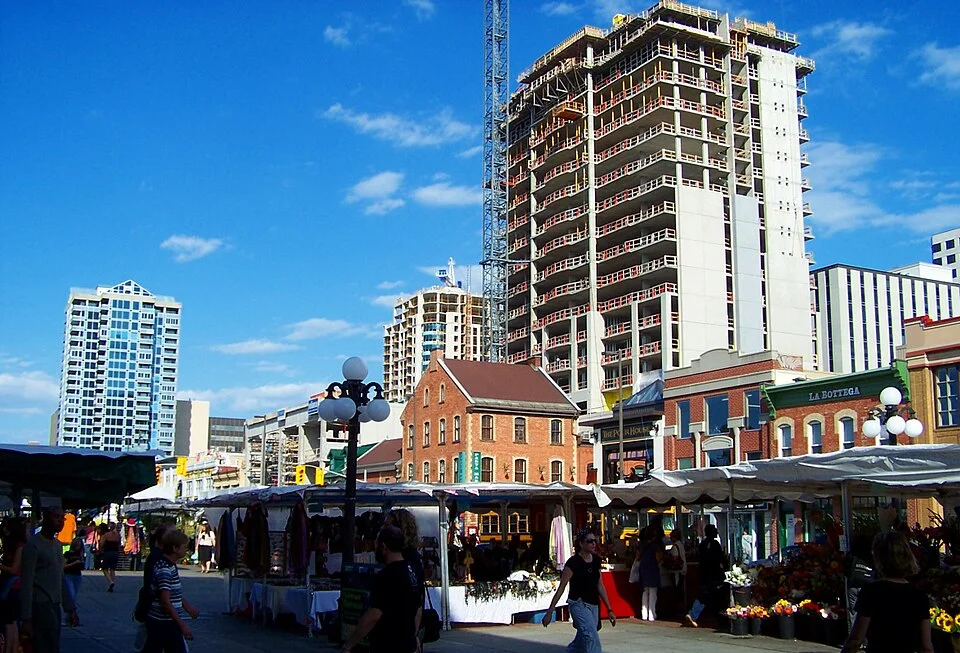

Ottawa’s food scene extends well beyond pastries. Shawarma, falafel, garlic potatoes and fattoush salad offer concrete introductions to the city’s Lebanese-influenced everyday dining. Poutine, with fries, cheese curds and sauce, is a more filling Canadian comfort dish. Spread your choices through the day: a shawarma or falafel lunch, a longer restaurant meal in the evening and a small sweet break between them. ByWard Market and Centretown give different settings for eating, so choose dinner according to where your sightseeing ends. This avoids unnecessary journeys simply to follow a restaurant name on a list.
Sparks Street and Centretown: the second day’s framework
The pedestrian character of Sparks Street gives day two an easy connection from the Parliament area towards the streets to the south. Use Bank Street as a reference for café and meal breaks in Centretown. Divide the day into breakfast, one main museum and dinner, rather than marching through every street at the same speed. If rain arrives, reduce the exposed waterfront portion and expand the indoor visit. The National Gallery of Canada, Canadian Museum of Nature and Canadian Museum of History across the river serve different interests; all three are not sensible additions to one short afternoon.


Geography matters as well as collections. From ByWard Market, the National Gallery area can make a coherent continuation. From Centretown, the nature museum may fit more naturally. Choosing the history museum in Gatineau means including a separate cross-river journey and return. Treating that transfer honestly gives you room to enjoy the collection instead of leaving an exhibition early for a dinner reservation. Major’s Hill Park offers an outdoor pause between the market and nearby cultural stops. Keep a little time for that pause rather than allocating every available minute to another interior attraction.
Winter: skating depends on conditions
The Rideau Canal Skateway is one of Ottawa’s signature winter experiences, but a date in a calendar does not establish that it is open. The NCC describes a usual season from January to early March, dependent on weather. The operator announces open sections and ice conditions. This guide, researched in autumn, does not promise that the full canal will be skateable on a future winter visit. When it is closed, museums, neighbourhood walks and a warm meal still make a rewarding city day. The photograph shown here records January 2005; it illustrates a historic winter scene rather than providing evidence of current ice conditions.


Where to stay and how to move around
For a first visit centred on walking, Downtown and the ByWard Market area offer useful access to Parliament and the northern canal. If a quiet room matters, check the hotel’s exact street and room orientation rather than relying on the neighbourhood name alone. Centretown can suit travellers who want cafés and evening meals woven into daily walks. Accommodation farther out needs to be judged against actual public transport connections and the return journey. A lower room rate may lose its appeal if every day begins and ends with a long transfer.
Combine central walks with OC Transpo’s buses and O-Train for more distant connections. Rideau station is a useful reference point for ByWard Market. For the airport journey, enter your actual hotel address in the current official journey planner; this guide does not guarantee a fixed route, fare or direct service. The two-day framework remains clear: formal history and the canal first, neighbourhoods and your chosen museum second. The Stork’s suggestion is to make room beside Ottawa’s major landmarks for smaller meals and moments by the water. The strongest memory may come from a day allowed to unfold, rather than a tower hurriedly checked off a list.