

When deciding what to eat in Palma, you may not want the entire Mallorca holiday to fit inside one pastry box. The Tatilmerkezi Stork suggests spreading curiosity beginning with ensaïmada across neighbourhood choices and actual meals. A market pause, a longer evening table and a light meal alongside a waterfront walk are different plans. Palma's official tourism promotion mentions tumbet, frit and pa amb oli within the city's food offering, without establishing that every business prepares them identically or serves them every day. This guide builds a table around portions, ingredients and service found on the actual menu. Dated city photographs provide context. The source coordinates of the ensaïmada image are in the Lausanne area: it is a Mallorcan-style product example, not a Palma bakery or a product currently on sale. Arrange the city's meals around your interests rather than attempting to consume every option in one day.
Ensaïmada: choose the size of the sweet pause
The Palma tourism institution describes ensaïmada as a spiral-shaped pastry involving lard, with different possible fillings. Recognising the sweet's name cannot therefore answer every vegetarian or other dietary question. Ask the seller about ingredients and distinguish a filled version from a plain one. After breakfast, a smaller shared pause may fit better; if leaving hungry, consider when the next main meal will be. The September 2022 photograph depicts a sugar-dusted pastry example and is not claimed to have been taken in Palma. Before buying a box, investigate storage advice, travel duration and your return arrangements. Trying something in the city and taking it home are different decisions. You do not have to repeat the same sweet throughout the trip. A smaller tasting may satisfy curiosity and leave appetite for something else at a later meal. The number of products bought is not a measure of how well the food culture has been experienced.
Santa Catalina and a market pause: shopping is not the same as a meal
Palma's official food page presents municipal markets as part of the city's dining world. Santa Catalina is also among the food areas described by the tourism institution. Entering a market does not mean that every stall provides seated meal service. Learn the difference between buying a product and ordering ready-to-eat food at the actual place. The October 2013 Santa Catalina market photograph supplies a dated exterior, not current stalls or opening hours. A short look around before selecting the first item can clarify what you want. If accommodation has no kitchen, avoid filling the day with purchases that require cooking. When travelling with others, discuss whether the pause means a snack or a complete meal before reaching the table. This reduces the chance of discovering different expectations only after ordering. Ask permission before close photographs of people working or shopping, rather than making a meal stop into an obstacle to somebody's routine.


Pa amb oli, tumbet and frit: questions beyond the names
Official Palma promotion mentions these food names within the city's options. Learning them together can help, but does not require ordering every one at the same table. Ask how a particular item is served, what accompanies it and how large the portion is. A traditional product is not automatically suitable for your dietary needs. If meat, fish, dairy or cooking fat matters, make an explicit ingredient enquiry. Separating plates for sharing from personal main courses can make appetite easier to manage. One companion may want to try something unfamiliar because of its local name while another prefers a more familiar option. The table does not have to follow a single choice. Learning about preparation without turning the meal into a knowledge test can make tasting more interesting. This guide supplies neither a universal recipe for every kitchen nor a fixed price. What arrives from the actual kitchen remains more useful than assumptions attached to the name.
Lunch in the old town: let culture and food share the day
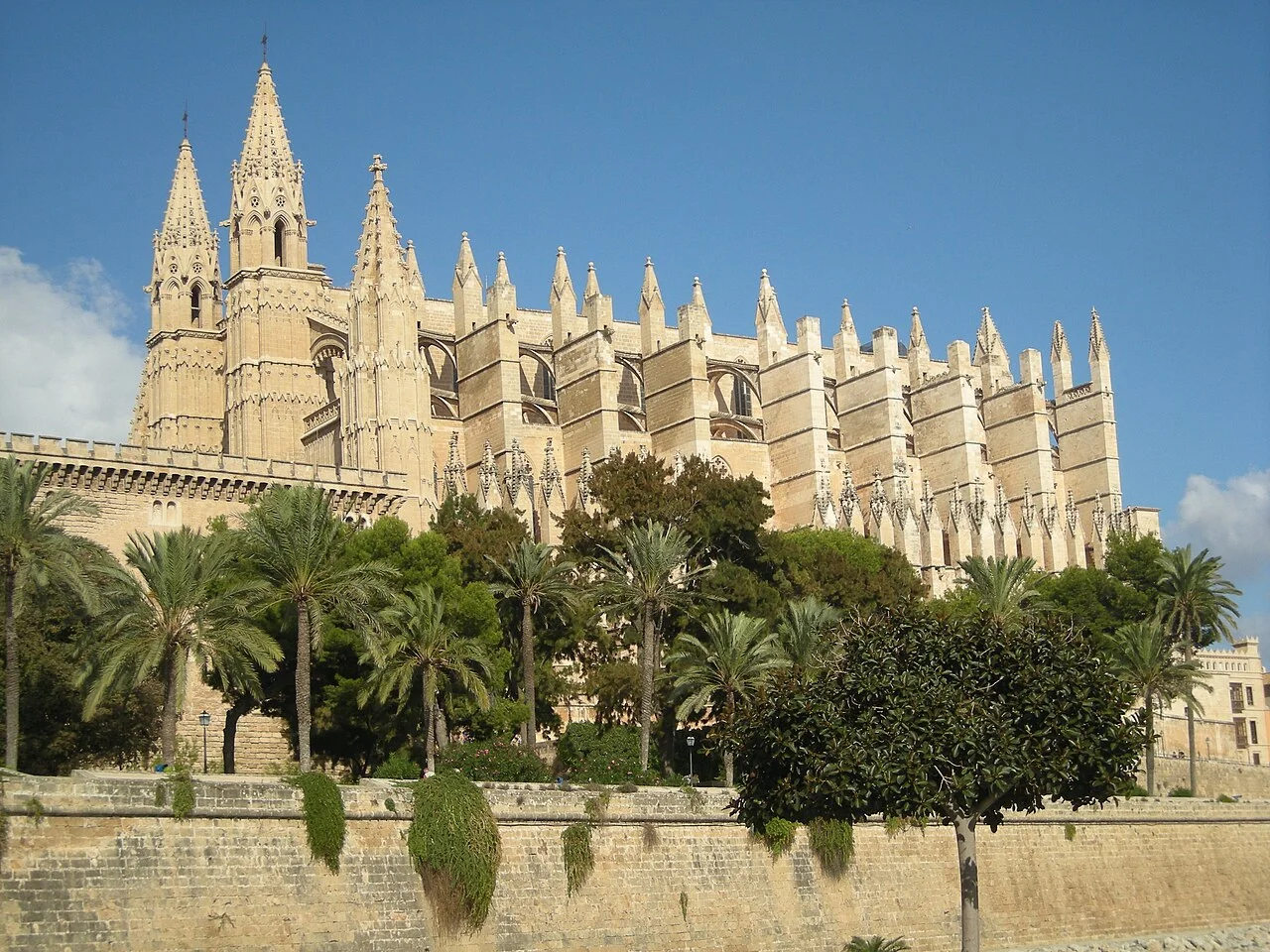
If planning a cultural visit around La Seu, leave an interval rather than placing the entire lunch directly before the entry time. The October 2008 cathedral photograph provides old-town context. It is not a dining business, a current admission queue or present-day service. A short pause may suit a narrow time window better than a substantial table. If lunch itself is the day's focus, move the cultural stop to another block. Reconsider your hunger after leaving a museum or cathedral instead of ordering unnecessarily to preserve the morning's outline. Where the actual menu does not interest you, weigh walking energy and group tiredness before searching further afield. Staying centrally does not mean every requirement can be solved at a single address. Proximity, time you wish to spend sitting and actual service information together make a more useful lunch decision. A change of plan can be a comfortable response to the day, not a failure to follow an itinerary.

An evening by the waterfront: select the view and the plate separately
Palma's food promotion also includes coastal areas among its varied dining settings. A sea-facing table may appeal, but the view cannot establish portion or ingredients. The June 2016 waterfront and Almudaina photograph is city scenery, not a restaurant table. A sunset walk does not have to be linked to a complete dinner. After a filling earlier meal, a smaller pause or a meal at another time may fit. Seeing the menu before sitting and learning waiting and service arrangements supports an easier choice. If interested in fish or seafood, remember that the same name may lead to different preparation in different kitchens; ask about the actual option. Include the return walk, current transport information and evening tiredness in the plan. This guide does not claim that a scenic setting is automatically better value or better food. The setting and the kitchen can each contribute something enjoyable without one being used as evidence for the other.


A Bellver day: do not leave the meal decision to the hill
For a day involving Bellver, arrange food around your own starting and return areas instead of assuming that an appropriate meal will be available at the nearest point. The January 2024 castle photograph shows its exterior, not a food facility or today's open areas. If a large meal does not appeal before walking and culture, begin with something smaller and reserve the main table for the return. Different walking speeds do not mean that everybody will become hungry at the same time. Short intervals for water, rest and meals affect comfort too. If taking food, learn the actual site's rules separately: a historic building is not automatically a picnic area. Avoid adding another distant destination merely to increase the number of meals. Build a reasonable table around a visit you have already chosen, so sightseeing and food do not repeatedly compete with each other. The most useful meal may be the one that makes the rest of the day easier.


A one-day Palma table and shopping for the return
A Palma day could include a small ensaïmada pause, a chosen market or old-town meal and an evening waterfront option according to appetite. That is not a requirement for three large meals. Set portions and sharing around your actual day. Ask ingredient, price and service questions at the real place. For purchases taken home, packaging, storage and the destination country's entry rules matter. This guide makes no general promise that every food product can travel without restrictions. Sources were checked on 4 October 2026. Licence records remain for the dated photographs, and the ensaïmada example with Lausanne source coordinates is clearly distinguished. The Stork suggests reserving space for something that truly interests you at different meals rather than attempting every plate encountered in one setting. Adapt food curiosity to your walk, companions and comfort, and Palma's dining day may flow more naturally. It can still feel full of discovery when one course or one extra stop is deliberately left for another time.