
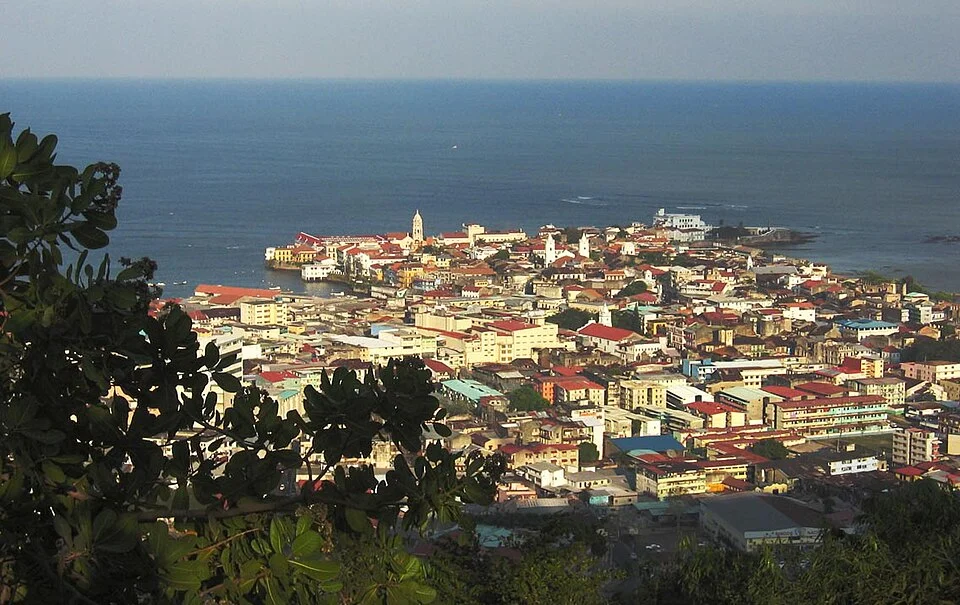
Panama’s compact-looking map contains several distinct journeys: canals and historic squares in the capital, coffee-growing mountains in Chiriquí and Caribbean islands in Bocas del Toro. The Tatilmerkezi Stork suggests a practical choice rather than a crowded collage: spend three nights in Panama City, then add either the mountains or the islands. If you want both, put real transfer days into the programme. The Central American country of Panama is not the same destination as Panama City in Florida, United States. Every regional suggestion in this guide follows the country’s actual geography.
Do not treat the capital simply as unused time between flights. Casco Antiguo and Miraflores explain different parts of Panama’s history and its position in world trade. Moving afterwards to Boquete or Bocas changes the entire atmosphere. A short five-day plan can focus on the capital and one additional region; a longer journey extending beyond a week leaves more breathing space for city, mountain and island sections. Success comes from meaningful time in each place, rather than how many names can be squeezed onto a map.
Miraflores: match the visit with ship movements
Miraflores Visitor Center makes a separate outing from the capital. Watching a vessel change height between lock chambers makes the canal’s operation easier to grasp than a brief historical description. However, an open visitor centre does not mean ships pass at every moment. The canal authority publishes transit information separately and updates it by day. Match your ticket and visit with that information. On the official pages checked on 4 October 2026, the ticket office closed earlier than the visitor centre itself. Arriving near the end of the opening period should not be assumed to allow last admission.


Miraflores and Agua Clara, towards Colón, are different visitor centres. Including both simply because their names relate to the canal can create unnecessary travel on a short Panama City stay. If canal history interests you, the Interoceanic Canal Museum in Casco Antiguo complements the live engineering view at Miraflores. These visits are not interchangeable: one provides historical context, the other water and vessel movement. Keep the rest of the day relatively light and follow it with an unhurried dinner. That allows the main excursion to hold its own place in the itinerary.
Panamá Viejo and Casco Antiguo are separate visits
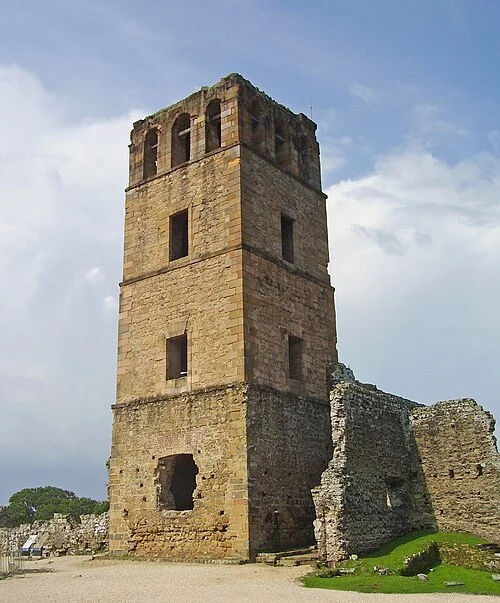
Panamá Viejo preserves archaeological remains of the first city, founded in 1519. Casco Antiguo is the historic neighbourhood created after the city moved. They are sometimes confused under the phrase old town, but they require separate visits and transfers. Devote the first day to Casco’s squares and make Panamá Viejo the principal stop on a later morning. The ruined cathedral tower invites you to imagine an earlier city; Casco answers with streets that are still lived in. Seeing both helps distinguish a historical site from a functioning neighbourhood.

Break the Casco walk into two manageable sections: coffee and history around Plaza Herrera and Plaza de la Independencia, then a waterfront perspective towards Plaza de Francia and Paseo Esteban Huertas. Choose one museum instead of attempting every doorway. The walkable scale is useful when selecting accommodation as well. Evening restaurants and bars can make individual streets lively, so travellers seeking quiet should examine the precise address and room orientation. The neighbourhood name by itself says less than the building’s actual position. Leave enough space between a museum and dinner for a simple walk without another booking.
Boquete: make coffee and mountains a separate chapter
Boquete lies in the mountains of Chiriquí in northwestern Panama. It is not a small afternoon escape from the capital. The official tourism guidance describes road connections through David or a flight to David followed by the final road section. That last transfer still belongs to the journey. If taking a long overland route from Albrook bus terminal, plan arrival and a meal in town rather than a tightly timed coffee-farm tour immediately afterwards. This avoids letting an unexpected delay unsettle the whole schedule.


Bajo Boquete, around the Caldera River, provides a convenient base for walking and everyday services. Jaramillo and Los Naranjos bring mountain scenery and coffee production into focus; choose a farm visit together with its transport. A Geisha coffee tasting becomes more interesting when you explore cultivation, processing and brewing, rather than simply pursuing an expensive cup. Keep a full nature outing and a coffee visit in different parts of the programme. Being here for mountain views does not make a Barú summit ascent compulsory. This introductory country itinerary is not technical mountaineering guidance and does not turn a demanding excursion into a casual neighbourhood walk.
Bocas del Toro: choose the island before the room
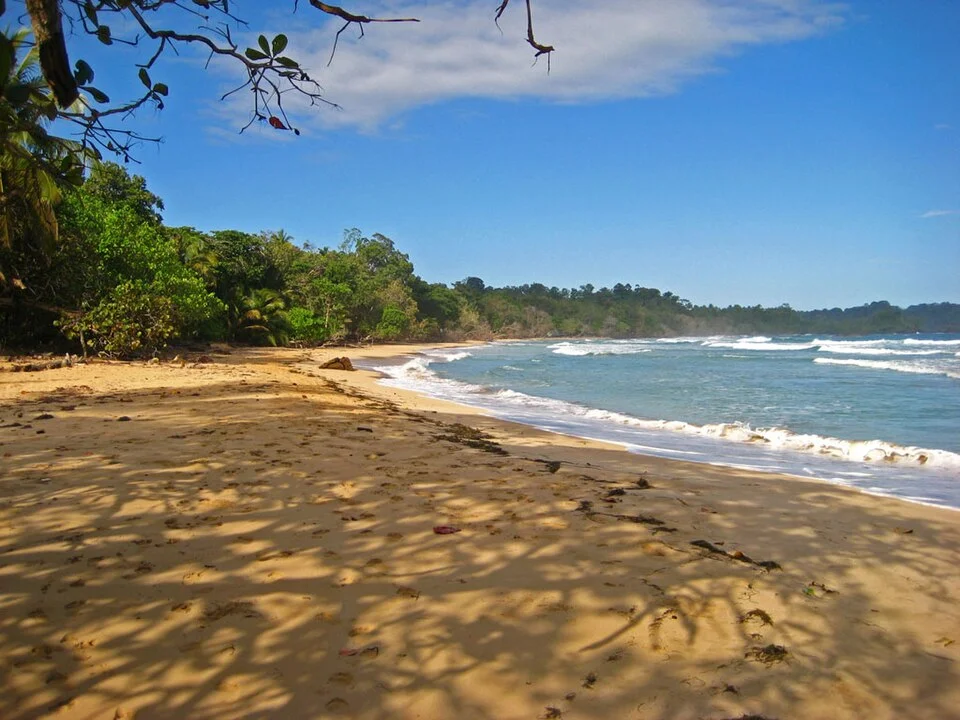
Bocas del Toro includes a mainland area as well as its Caribbean archipelago. Bocas Town on Isla Colón can provide a practical first base for travellers wanting airport access, meals and boat connections in one place. Staying on Carenero or Bastimentos makes water transport part of the accommodation decision. A handsome hotel pier in a photograph is not a promise of an easy return at any hour. Arrival arrangements and the journey back for a flight matter as much as the view from the room. For a beach such as Red Frog Beach, think of outward travel, time ashore and the return as one complete day.

For a flight from the capital, do not confuse Marcos A. Gelabert Airport at Albrook with Tocumen: use the full airport name printed on the ticket. The overland alternative leads towards Almirante before a boat connection to Isla Colón. This structure makes Bocas a regional stay, not a brief beach afternoon from Panama City. An island walk and a restful day, followed by a separate boat excursion, can be more rewarding than racing through every beach. Sea conditions and the operator’s return arrangements frame the outing. A slower plan leaves time to notice the islands rather than mainly remember getting on and off boats.
Panama at the table: soup, plantain and coffee
Start a capital food route around Casco Antiguo and Cinta Costera. Sancocho, carimañolas, tamales and guacho appear among the local dishes recommended by the tourism authority, but no single plate represents every region. Spread your choices across meals: soup and a small side at lunch, then a longer restaurant meal in the evening. Mercado del Marisco is a recognised ceviche stop, while Sabores del Chorrillo is associated with traditional cooks and dishes such as fried fish with patacones. The twice-fried green plantain slices provide a crisp accompaniment rather than a sugary dessert.
Treat coffee in Boquete and Afro-Caribbean flavours in Bocas as separate areas of curiosity. A dish name such as rondón recalls the country’s varied cultural influences; it does not imply that every restaurant serves the same version daily. Coffee in the morning, a straightforward lunch and an evening meal rooted in the region give the trip a stronger shape than another list of stops. Choosing a table that fits the neighbourhood you are exploring can be just as satisfying as pursuing a restaurant from an award ranking. Food becomes part of the route rather than an obligation added after sightseeing.
Accommodation and transport for a first route
In Panama City, consider Casco Antiguo for historic streets and dinners within walking distance, or El Cangrejo and San Francisco for other urban settings and restaurant districts. Compare Metro and MiBus connections against the actual hotel address instead of relying on how central it looks on a map. If driving, account for Casco’s parking arrangements and narrow streets; its neighbourhood details are best explored on foot. For regional transfers, write the terminal, airport or pier name beside the booking so that similar-sounding places do not become interchangeable.
The Stork’s first route is simple: Casco and a local meal on day one; Miraflores on day two; Panamá Viejo or a selected museum on day three; then several nights in either Boquete or Bocas. Leaving space between the return to the capital and an international departure makes room for transfers and one final calm evening. Panama’s excitement is not confined to the canal connecting oceans. Coffee aromas, coastal breezes and regions joined at the right pace all belong to a journey that feels rich without being hurried.