
Grow a Paris food day from a few small choices
The Tatilmerkezi Stork suggests beginning with a bakery, following with an unhurried main meal and adding an optional market pause. Instead of trying to finish the city's culinary variety in one day, get to know the choices near you. A baguette, croissant or bowl of onion soup cannot represent all of Paris, but each can open a small door to curiosity. You do not have to cross the city for every meal. Connecting food choices with your walking neighbourhood may help you sit down to rest rather than simply complete another address.
This guide does not rank the best establishments. It explains what to ask in a bakery, how to approach a bistro menu and how to keep market shopping manageable. The images are genuine dated archival photographs; visible price labels are not current charges. The onion soup has no confirmed shooting location and is described as a French food illustration. The other four scenes were photographed in Paris. A plate or stall may inspire you, but today's decision should come from the current menu, vendor and kitchen. The Stork favours your rhythm over a checklist.
Baguette: consider its purpose before buying
Official Paris tourism information introduces the baguette as a bread associated with the city. The June 2012 photograph shows a Paris bread stall without promising the same choices or shop arrangement today. Consider what you want the bread for: a short snack, breakfast at your accommodation or a prepared sandwich? That small decision affects what else you need. Buying according to immediate requirements can be more comfortable than carrying substantial shopping throughout the entire sightseeing day.
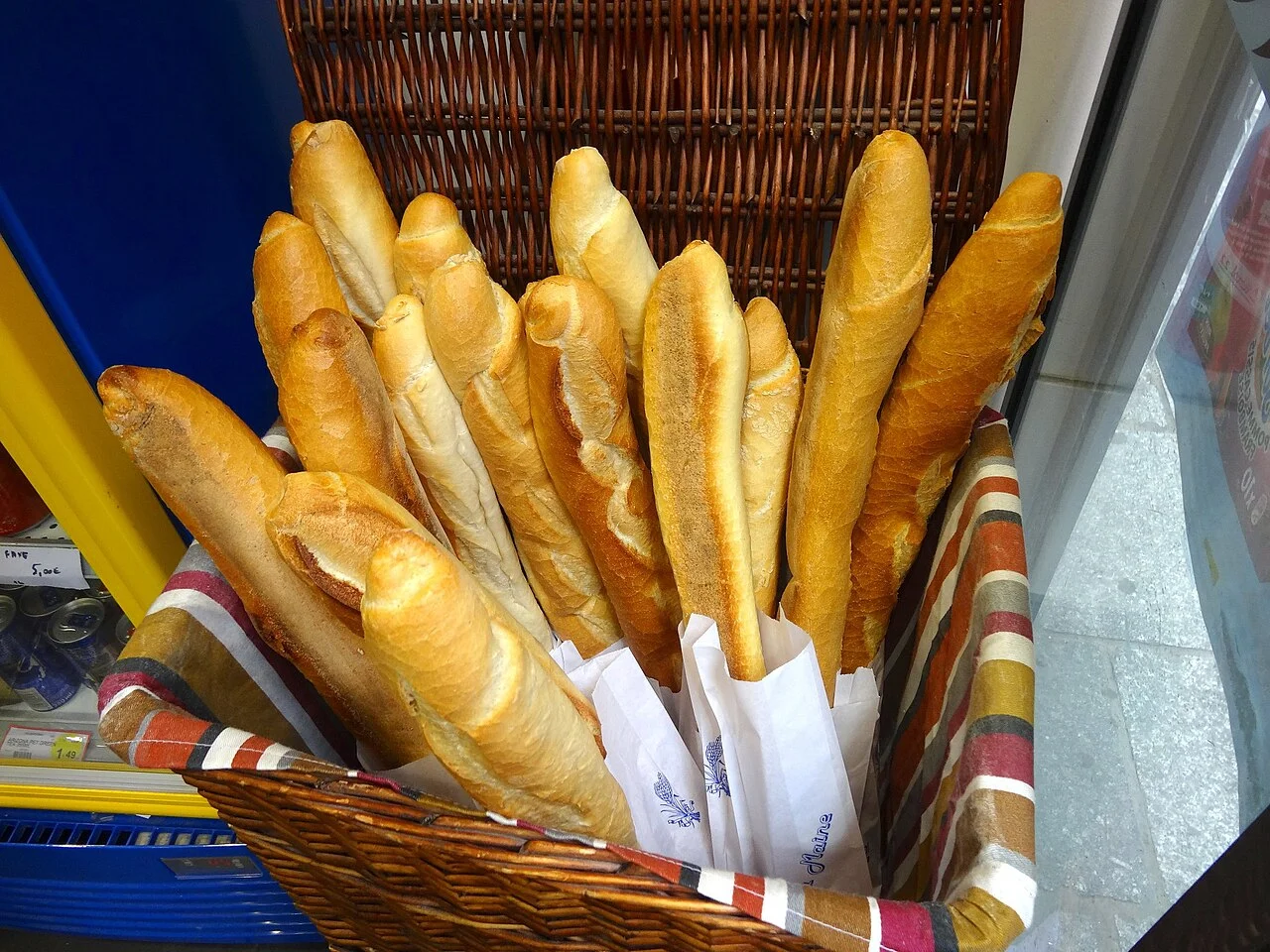

Distinguish plain bread from prepared food at the bakery. A product on display does not necessarily mean it can be sliced, heated or eaten in a seating area. Ask about service and packaging. If choosing a sandwich, find out about its meat, cheese, sauce and storage requirements. Leaving a long gap between buying and eating may be unsuitable on a warm day; ask the seller about transport. You do not need to collect many products to make bread part of a travel memory. A small nearby choice can be an inviting beginning.
Croissant pause: separate a bakery visit from seated breakfast
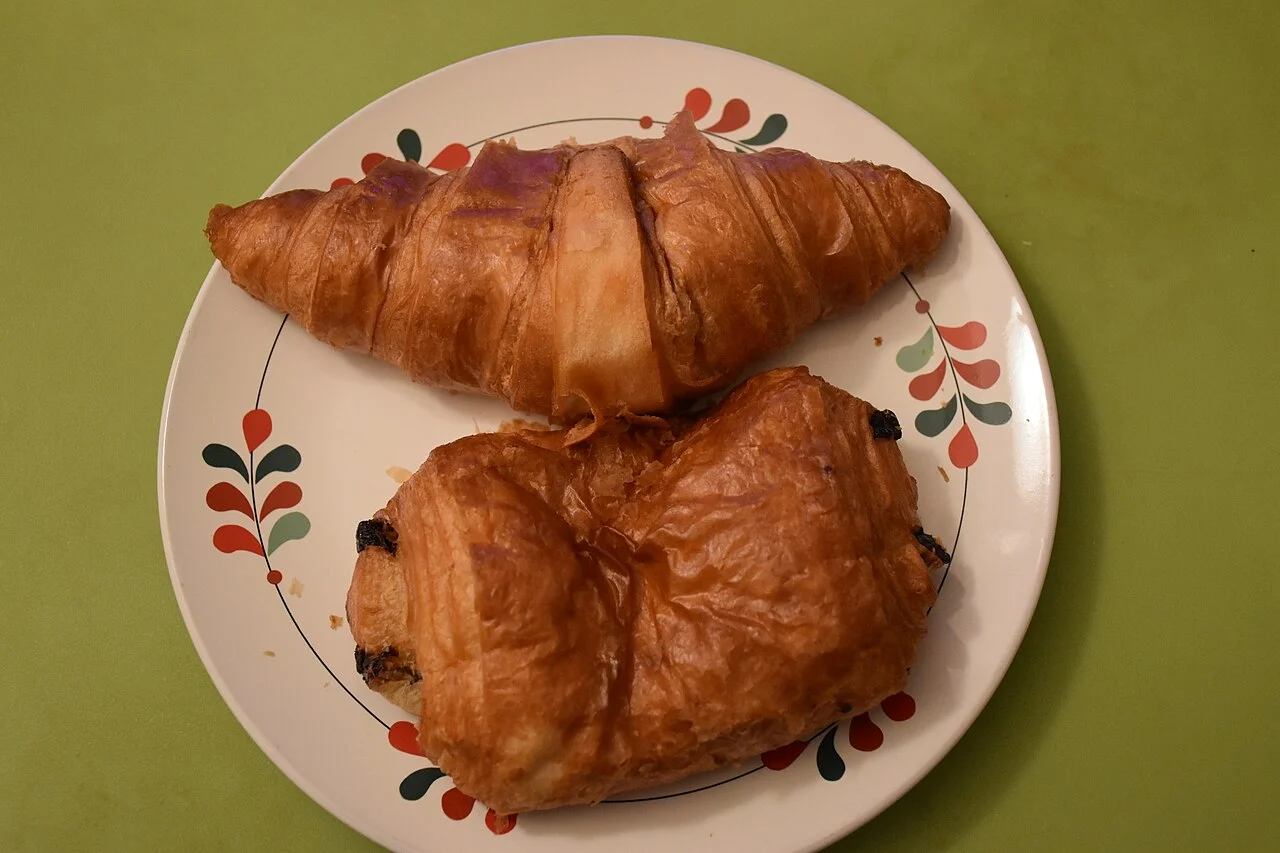
The official Paris food introduction discusses the croissant among familiar bakery and breakfast choices. The October 2025 cover photograph shows croissant and pain au chocolat. It is a genuine product scene photographed in the city rather than a recommendation of a particular establishment. Is your morning plan a quick bakery purchase or a seated café pause? Answering that question first helps prevent different service expectations from being confused while you search for the same pastry. Seating, table service and drink choices vary between businesses.
Recognising the pastry's name does not confirm every ingredient. Ask about milk, eggs, fats and chocolate while explaining any dietary requirement. A group in which one person wants coffee and another only a pastry does not need identical orders. Avoid squeezing the pause immediately before a museum appointment or train departure. The Stork does not prescribe a long breakfast every day. A quick start may suit one morning and a slower table another. The form of breakfast should support the pace you want for that particular day.
Onion soup: ask about stock instead of relying on its name
Official Paris food information associates onion soup with onions, broth, cheese and toasted bread. This is a reminder not to assume a vegetable name makes the dish vegetarian. The March 2010 illustration has no specified shooting location and is not attributed to a Paris restaurant. When considering the current menu, ask separately about stock, cheese and bread. Learning a dish's name provides a useful introduction without requiring every establishment to follow an identical recipe or preparation method.
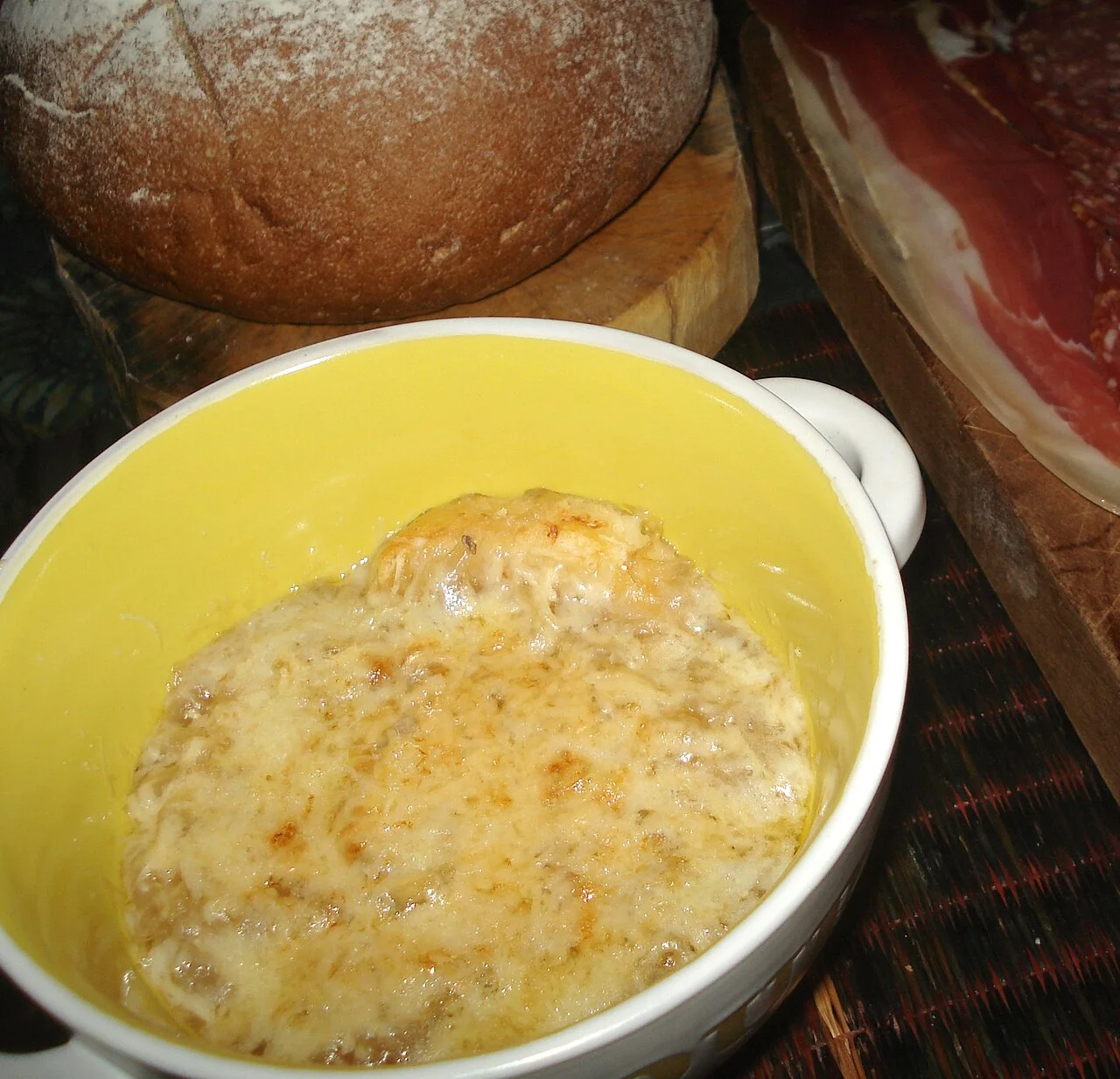

Decide whether soup is your meal or a starter. Establish portion size through staff rather than the photograph. If a main course follows, shape the overall order around your appetite. The visible bread quantity or cheese thickness is not a serving standard. Rather than choosing a bistro solely for a famous dish, evaluate whether its menu suits your whole party. Discussing dietary questions before sitting down can save time. Eating one main meal comfortably may be more rewarding than chasing numerous small stops in the same afternoon.
Cheese counter: connect shopping with your return plan
The February 2008 Paris market photograph shows different cheeses and historical labels. They do not establish current prices or availability. If you want to buy cheese, ask the seller about its type, production information and transport conditions. Do not assume tasting is offered. Shopping for a short city day and choosing something to take home are different activities. Check appropriate storage at your accommodation and your return journey before buying larger quantities that may be inconvenient to keep or carry.
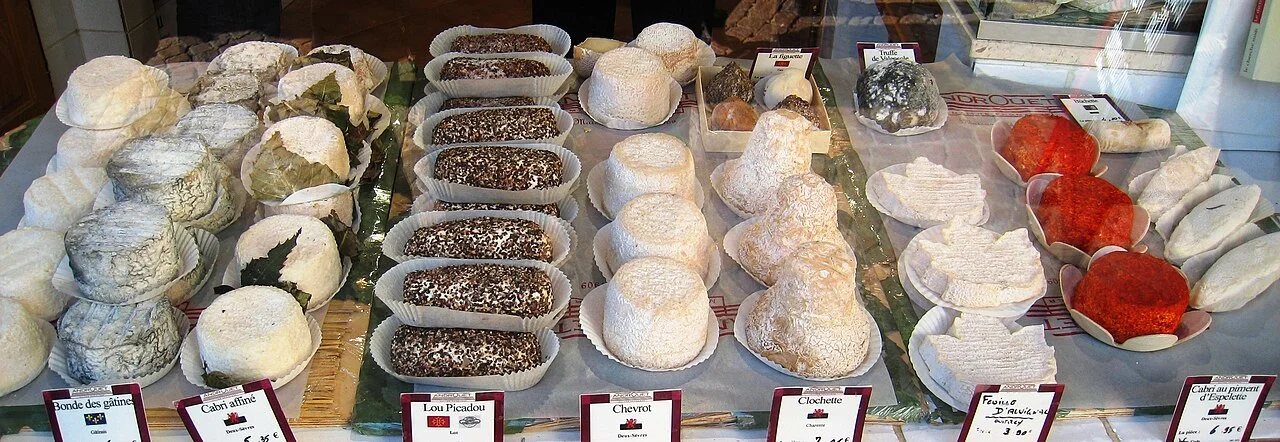

Milk source, ingredients and production details can matter for dietary requirements. A general travel guide is not a guarantee of personal suitability; direct questions to the person responsible for the product. If food import rules apply to your destination, check current official customs information separately. Recognising a cheese in a photograph does not prove it belongs in your luggage. The Stork encourages curiosity at the table and decisions based on your actual journey when shopping. One small purchase can make a memorable choice, and exploring the counter does not require buying everything.
Market day and neighbourhood choices: begin with one stop
Paris's official market information gives examples including Batignolles and Raspail. The Batignolles photograph here is a broad market scene from February 2014. It conveys historical atmosphere instead of today's opening hours, stalls or services. Check the chosen market's own current information before visiting. Separate browsing ingredients, buying products and finding ready-to-eat food; not every stall offers the same service. If you do not want shopping bags throughout the day, consider connecting the market visit with a return to your accommodation.
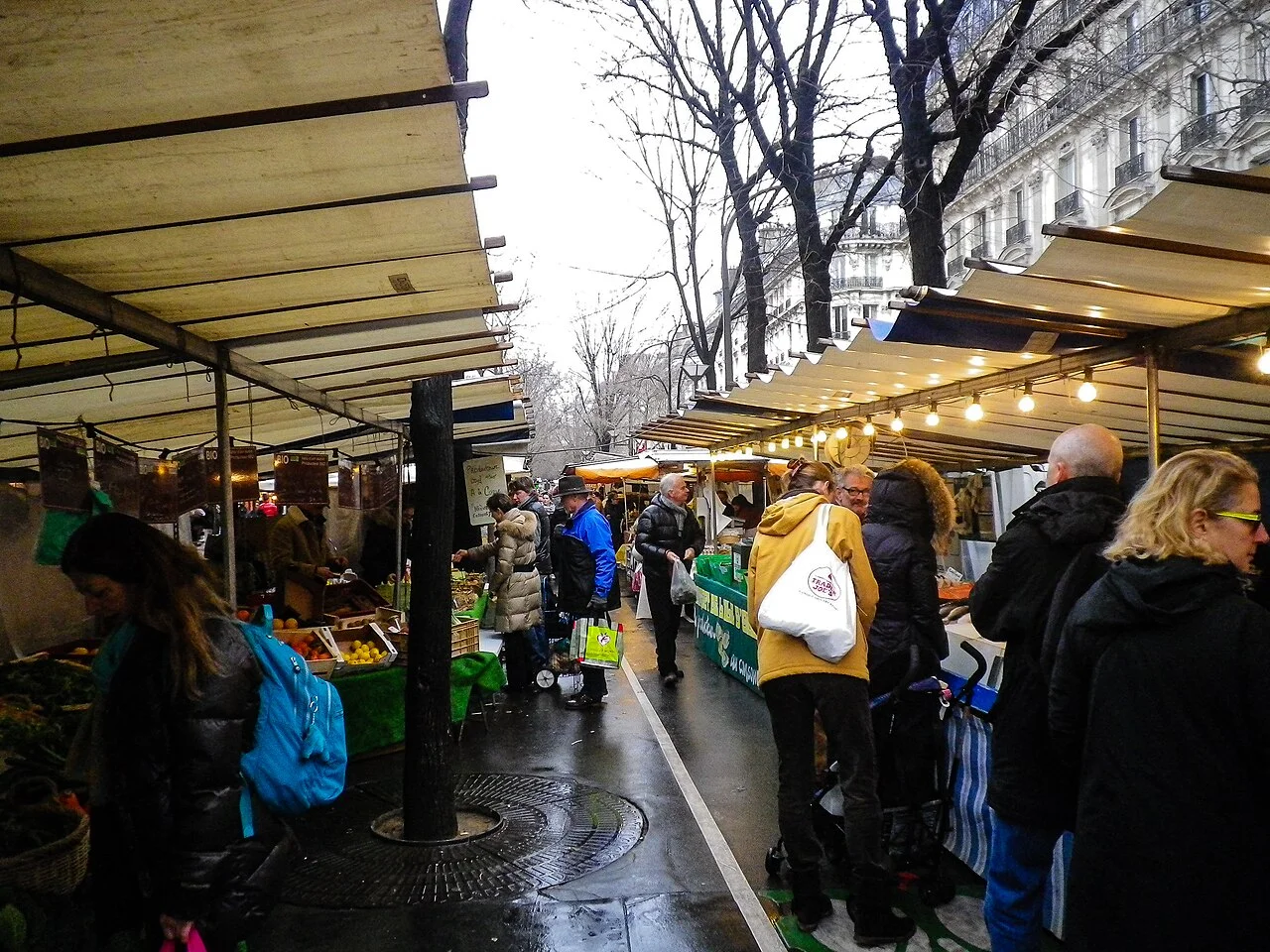

Planning other meals nearby on a Batignolles day is a suggestion rather than a mandatory route. When choosing accommodation, consider the evening return, room access and final walk as well as food addresses. Being central does not guarantee quiet or easy access. Check transport connections through the official operator's current information. Bakery shopping and a seated meal on the first day, then a market and small cheese choice on the second, can leave room in the schedule. Sources were checked on 4 October 2026. Menus, charges, market arrangements and service can change; archival photographs are not current commercial information.