

A Pattaya food day can follow the coast rather than interrupt it. A wok lunch in town, shared seafood on the Jomtien side and a lighter evening after the island trip give each meal a different role. Tatilmerkezi Stork invites you to move comfortably between those tables. These dishes are not all inventions unique to Pattaya: the pleasure comes from combining Thai cooking with a coastal holiday. Instead of trying every name in one day, let breakfast start the programme, lunch provide a walking break and dinner leave time to share the table. The practical connection between your hotel and meals matters as much as the list of dishes.
Begin with tom yum or tom kha
Tom yum goong is a name to investigate for Thai prawn soup, while tom kha gai refers to a chicken and coconut-milk soup. Holiday Inn Pattaya's own menu lists both and their principal ingredients. Decide whether you want the soup as a main meal or a shared starter according to the number of people at the table. Rice and another dish with a different texture make a clear first order. Heat and sourness can differ between kitchens; a familiar name does not guarantee an identical recipe everywhere. Learning how the portion is served helps when you want a relatively simple lunch in hot weather.
For a shellfish allergy, removing visible prawns is not an adequate substitute for discussing stock, sauces and shared cooking equipment with the business. Vegetarian diners should also establish whether fish sauce or meat stock is used. Once you have made those checks, return to enjoying the meal: share soup and rice while choosing a main dish that suits each person's tolerance for chilli. On a first Thai meal, one soup and one wok dish can tell you more about your preferences than a large order of similar plates. Leave room to try a contrasting flavour at the next meal rather than completing everything at once.
Wok dishes and noodles for a walking break
Pad thai offers a rice-noodle option for lunch; some kitchens list a prawn and egg version. Phad kee mao talay is a useful name when investigating seafood noodles with chilli and basil. A menu may also list phad kraprow with chicken or pork. Spellings differ, so use the dish name to begin a conversation about ingredients and serving rather than relying on the lettering alone. Connect a central walk with one lunch stop instead of repeatedly changing transport solely to eat. A straightforward restaurant near your hotel is also valuable after a full day on the island when nobody wants another long journey.


Watching a wok cook at a stall offers a glimpse of everyday working activity. Keep clear of the cooking space and leave room for staff to move. Asking permission before taking a close photograph is a considerate start. Establish what accompanies your plate, whether the sauce is mixed into the dish and whether the portion suits sharing. A quick lunch does not need an especially large order. Two contrasting plates and a drink break may be enough before returning to the walk. Keep the more expansive meal for the evening, when there is time to appreciate the food without having to leave immediately.
A shared seafood meal on the Jomtien side
Placing seafood dinner within a Jomtien coast day can be more convenient than crossing from central Pattaya solely for a restaurant. TAT lists Suttangrak Pattaya in this shoreline area, with examples including fried fish with fish sauce, crab with curry powder and seafood salad. Treat these as possibilities for constructing a table rather than compulsory orders that must all appear together. Fish, salad, rice and a vegetable dish that everyone can eat provide variety for a group. Let the people sharing the meal decide which preparation interests them before adding another large plate simply because it appears in a photograph.
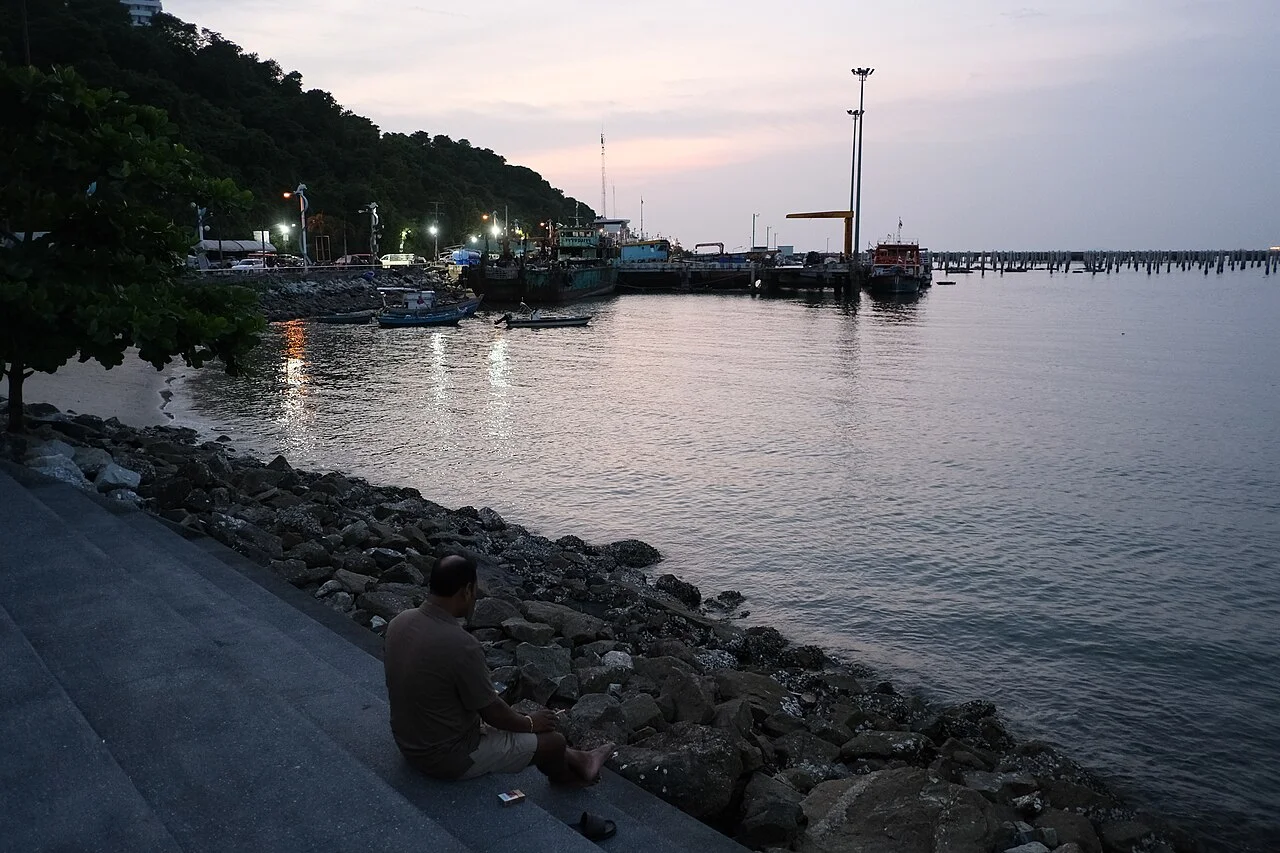

Check the business's current menu, opening arrangements and full address through its own channels. Jomtien covers an extended shoreline, so a restaurant in the area is not necessarily a short walk from your hotel. When choosing a table, consider shade, weather and your return connection alongside the view. If an order is priced by weight, establish what you are purchasing before confirming it; an old menu image cannot determine your final holiday bill. Some fish or crab preparations take longer to eat comfortably. Do not force this meal into a narrow interval between fixed commitments. A shared dinner deserves room in the evening programme.
Som tam, larb and a contrasting plate
Som tam is a useful name for investigating green-papaya salad, while additions and chilli level depend on the preparation. Thai Garden Resort's own menu includes larb with minced meat, herbs and toasted rice. A glass-noodle seafood salad provides another texture alongside a noodle main. These choices can create a contrast rather than simply adding a second fried dish. One soup, a salad and a main plate offer a straightforward structure for several diners. Decide how those components fit together, not just whether every dish name sounds appealing. A smaller, varied order often makes preferences easier to recognise.
Do not assume that every salad is mild or light. Herbs, chilli, lime and sauces shape its character. Diners avoiding pork need to establish which meat is used for larb, while those avoiding seafood should examine the dressing as well as visible ingredients. A dish widely eaten within Thailand is not automatically a special Pattaya tradition, but it can still become a memorable part of your coastal stay. Order by considering the differences between plates. At the following meal, you can return to a flavour you actually enjoyed instead of allowing a social-media picture to decide every choice you make.
A snack break and the island day
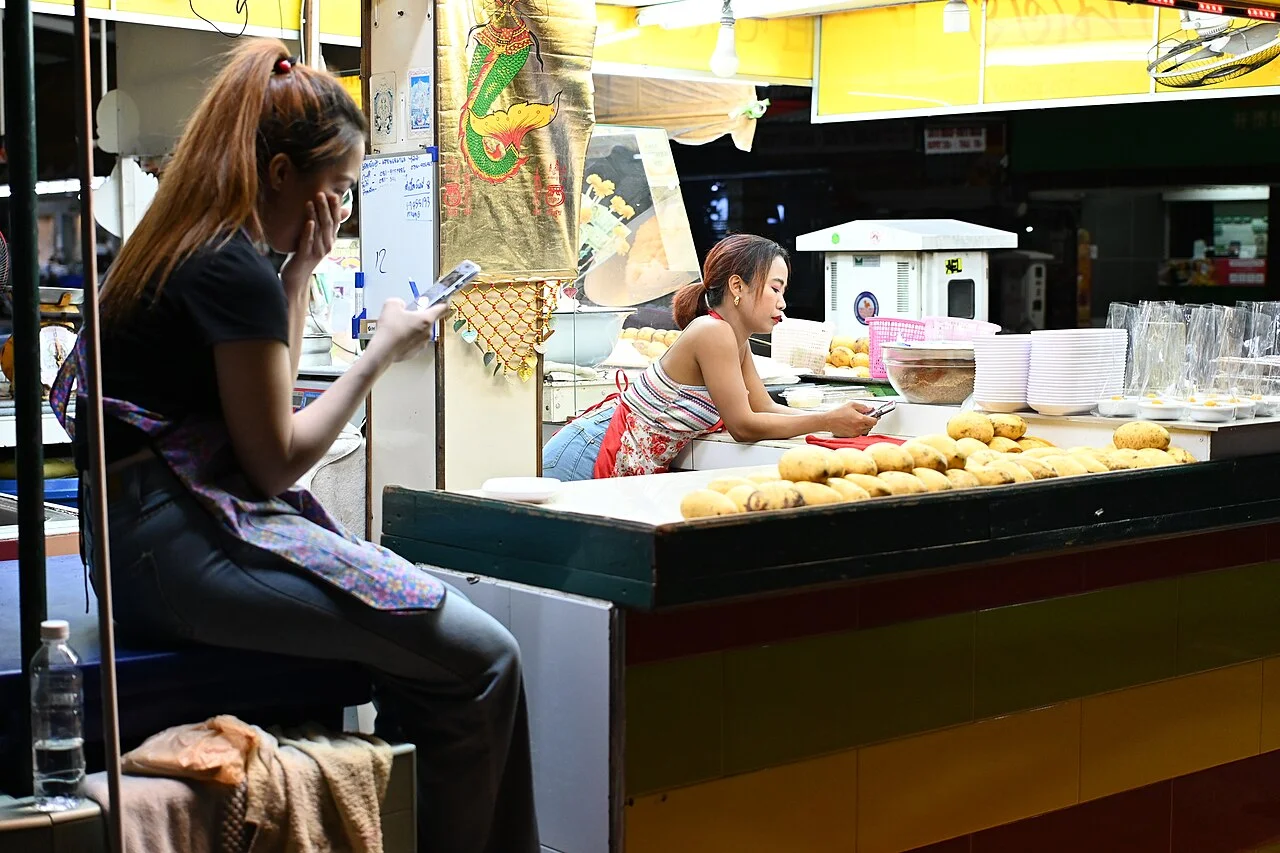
Snack stalls provide an opportunity for a short pause during a Pattaya walk. Ask the vendor before giving a photographed pastry or fried piece a definite regional dish name. A small portion shared with companions can be an enjoyable way to learn its flavour. Packaged goods and freshly prepared food have different storage needs; bear that in mind when choosing something to carry around in the heat. Placing a substantial snack too close to dinner can reduce the appetite you wanted for a shared evening table. One deliberate afternoon stop is often enough without turning the walk into a sequence of compulsory tastings.

On a Ko Lan day, connect your meal decision with arrival and return transport. If spending longer at a beach, plan a lunch break there; if making a shorter sea outing, a convenient meal near your hotel after returning may work better. Do not assume that every island business provides the same menu or a suitable option for particular dietary needs. Think about drinking water and the return connection before departing. Avoid a programme so tight that lunch puts your ferry journey at risk. Finishing the island evening with soup and rice can leave everyone more rested for another coast day.
A sample food day and a useful hotel base
From a central hotel, have breakfast nearby, walk along Pattaya Beach and choose a noodle or wok lunch within that area. Rest in the afternoon, allow one small snack stop and expand dinner with soup, salad and a shared main dish. If staying in Jomtien, adapt the same structure to that coast rather than visiting the centre and returning merely to obtain seafood. On a Bangkok arrival day, leave a flexible meal option instead of a lengthy restaurant booking that depends on an exact transfer time. The relationship between the hotel's actual address and your dining stops matters more than a broad neighbourhood label.


A food-focused trip is not simply the day with the largest number of dishes. A comfortable breakfast, lunch that connects with the walk and an evening without rushing away from the table also form part of it. Once current menus and personal dietary needs are checked, put the list on your phone aside for a while. Tatilmerkezi Stork's Pattaya suggestion is to spread Thai soups, wok cooking and shared coastal meals across different days. The food then avoids becoming repetitive and gains meaning from the water, the walk and the time you spend with other people.