
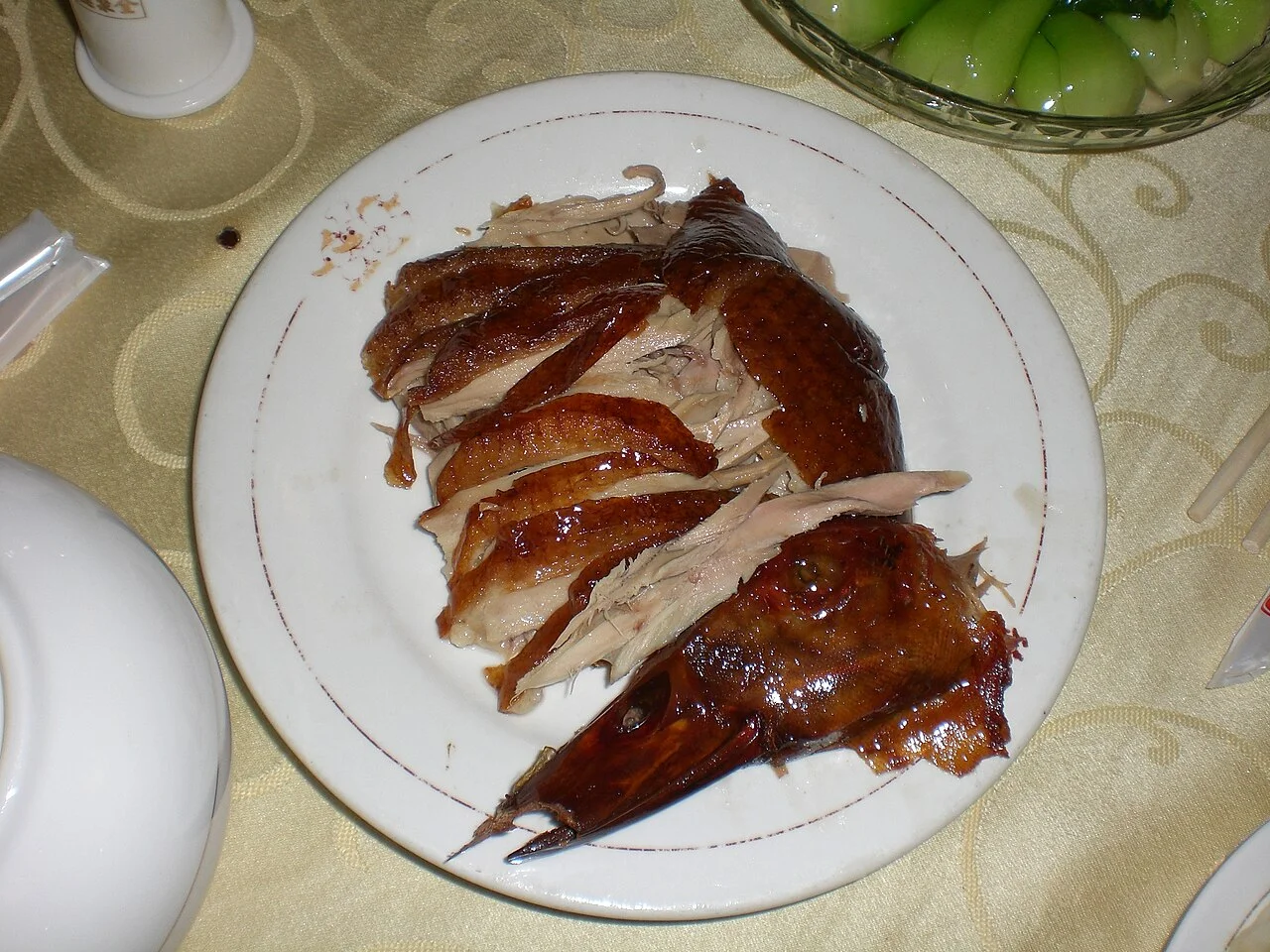
When deciding what to eat in Beijing, do not organise every meal around duck. A shared roast-duck table, a bowl of soybean-paste noodles and a small sweet break offer different experiences. The Tatilmerkezi Stork places them within the actual rhythm of a visit: a short meal after the palace, a modest tasting during a street walk and a relaxed evening table. The important question is not only which celebrated restaurant name to find, but how travelling to its address uses your sightseeing time. Begin with the type of meal, then consider the area you are in and your appetite that day. This creates variety without loading every flavour into one sitting.
Beijing roast duck: the main dish for a shared evening
Beijing kaoya, or Beijing roast duck, can be tried with thin pancakes, spring onion and sauce. Preparing a small roll at the table lets you explore the taste more slowly: notice how you want to balance meat, crisp skin and accompaniments in a bite. Quanjude and Bianyifang are historical brands mentioned by official Beijing tourism. Include their names in preliminary research, then confirm the actual branch address and ordering options directly. A whole duck and a smaller service are different meal decisions. Think about how many people will share and whether other dishes are wanted.
If placing the duck dinner after a lengthy museum day, allow a short rest between them. Tired travellers may find another transport route and a major dining decision less enjoyable when combined. Finding a table in the area already planned can be easier than reaching a distant branch solely because it is famous. Spend time reading the menu, comparing portions and accounting for everyone's choice. If a companion does not eat duck, do not assume accompaniments alone will provide their main meal; include their needs when selecting the restaurant. Shared dining works because everyone can sit comfortably together, rather than because everyone must make the same food choice.
Zhajiangmian: a straightforward bowl on a palace day
Zhajiangmian combines noodles with a soybean-paste sauce and is associated with Beijing food. The sauce may include meat; vegetables on top or alongside do not establish that the whole dish is vegetarian. Where sauce arrives separately, mix a modest amount first and adjust to your own preference. Consider this dish for a lunch where you want an individual portion instead of a large shared table. On a Palace Museum day, a noodle option in the area you are already using can make a more practical pause than splitting limited time between several additional destinations.
Do not turn one old address into a compulsory target. Official tourism archives describe various noodle businesses, but a telephone number or price published years ago should not be treated as current. Check the real menu and keep the dish name noted for an understandable order. Consider both noodle quantity and the richness of the sauce instead of judging a photograph as a small or light meal. If continuing to walk afterwards, leave a few additional minutes for sitting, water and deciding on the next direction. A short meal need not be a hurried one.
Copper-pot hotpot: a different evening option
Beijing's copper-pot hotpot tradition centres on thin meat slices and a shared pot. Official tourism information introduces lamb or mutton and vegetables in this context. Donglaishun is one of the brands you may encounter while researching the tradition. Consider it an alternative to the roast-duck evening; there is no requirement to make both into major meals on the same night. Discuss the ingredients everyone wants while sharing the pot and surrounding plates. Follow the establishment's preparation and service guidance; this guide is not a recipe determining safe cooking time for meat.


Hotpot is better suited to a seated meal than a brief street break. Save it for another day if you need to rush immediately from dinner to a large sightseeing objective. For a group interested in preparing a shared meal, time around the table can become a travel experience itself. Learn about booking and seating arrangements if you want an unhurried evening. Clarify the choices of someone who does not want to share meat, since a vegetable plate and the contents of the communal pot are separate matters. The Stork values the time spent together here: talking about the day, remembering courtyards and approaching unfamiliar tastes in small steps.
A sweet pause: wandouhuang and Jingbajian
Wandouhuang, a pea-based sweet, appears on official Beijing tourism's local-flavour list. Jingbajian refers to traditional pastries with different fillings. Add these names to modest tasting notes when you want another texture without enlarging the main meal. Choosing one item with a tea or coffee pause creates a different rhythm from a restaurant dinner. Learn the ingredients and storage arrangements at the place of purchase. For a gift to take home, distinguish a packaged product from a serving intended for immediate eating. If nuts or other ingredients affect your choices, do not rely on the general product name alone.


Trying a sweet does not need to turn the whole afternoon into a search for a new address. A suitable stop along the route you are already following can provide time to sit. Travelling as a pair, choose a small shared tasting rather than buying so many items that it is difficult to notice which you enjoy. When combining shopping and a food pause, remember how much will need to travel in your luggage. The Stork suggests choosing what you are interested in tasting, rather than what merely photographs attractively. Exploring this side of the city can begin at a quiet small table instead of with a large box.
Connect meals with Qianmen and central walks
The city government's June 2026 street introduction describes Qianmen as an area with time-honoured brands offering shopping and food. This makes it a possible area for combining a central walk with meal research. Do not look for every brand or branch on the same street; check the precise business location. Walking and eating can fit together in Qianmen, but a palace reservation should not be altered at the last moment around a restaurant queue. A day with a prebooked visit can be balanced using an easy lunch and a more relaxed dinner.
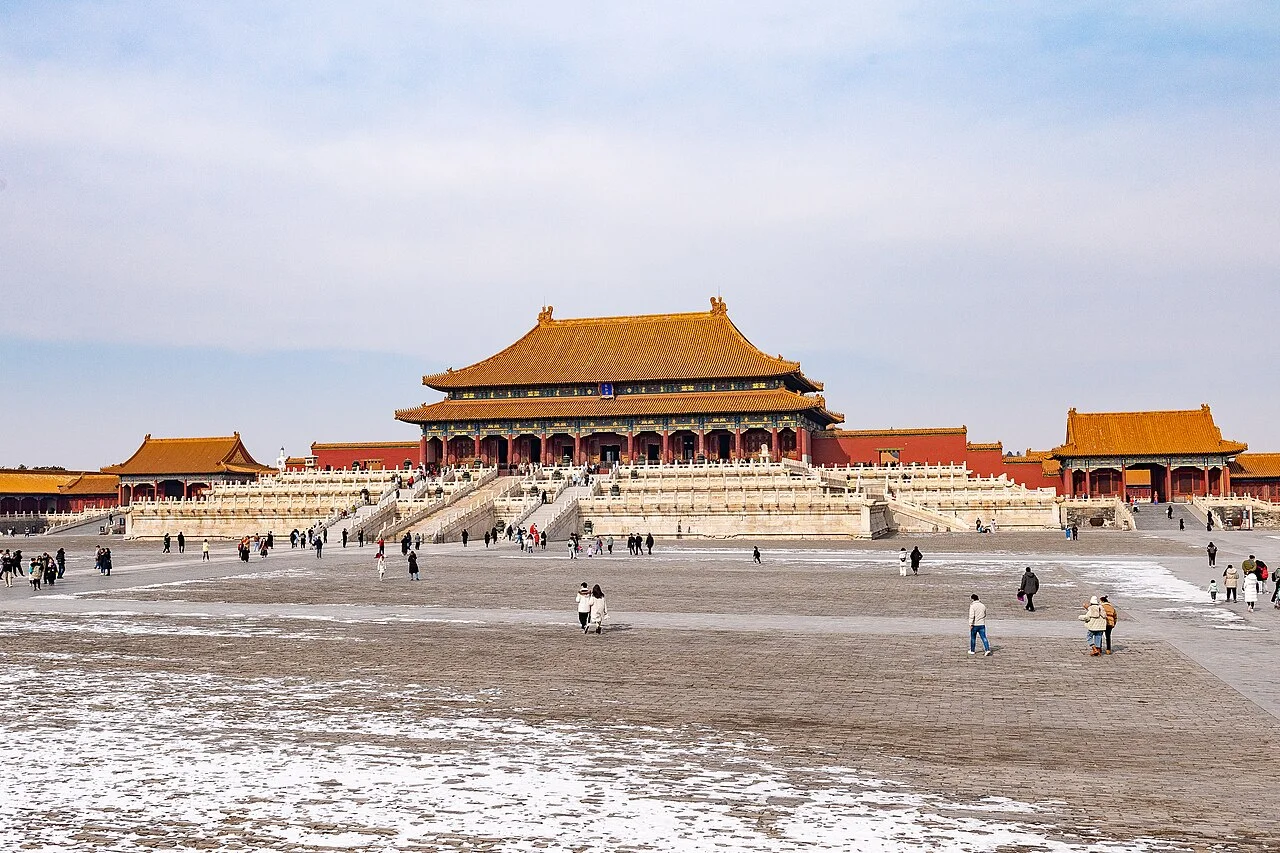

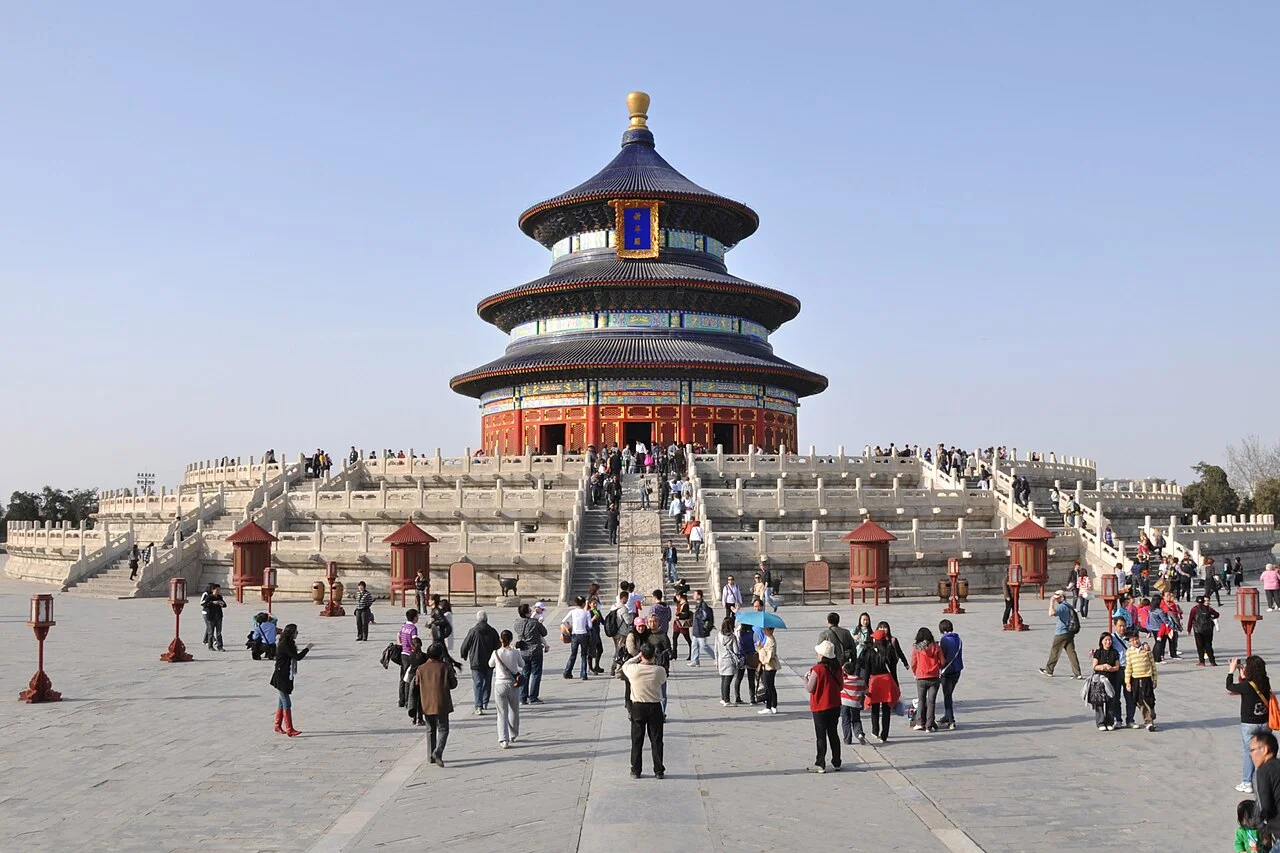
When considering a tasting stop around hutong lanes, remain in public streets without entering private courtyards. Connect a shop or café pause with the walk's beginning and finishing points. On a Temple of Heaven day, prioritise the park visit and choose the next meal around the energy left afterwards. The day assigned to the Summer Palace need not also cover every central dining address. Thinking about the return route and options near accommodation may be more useful. A satisfying Beijing food plan is about recognising the kind of break that suits each visit, rather than reaching every famous name.
Spread tasting over two days and choose accommodation accordingly
One two-day outline could begin with zhajiangmian at lunch, a small sweet break and roast duck at dinner. If the second day contains a longer park outing, consider hotpot as a seated evening alternative. Account for actual appetite instead of making every order generous. If sharing different tastes with a companion, choose a main meal first, followed by modest additions; ordering everything at once is unnecessary. This outline is a starting point shaped by the real travel day, rather than a reservation or fixed timetable.

Compare the return after dining alongside the view when choosing accommodation. A room around Dongcheng or Qianmen can be researched, but the actual metro station and final walk with luggage are important. On a late arrival, an easy meal nearby may be more valuable than an ambitious distant restaurant plan. Learn payment options from the selected establishment and see the price alongside the actual portion on the menu. Keeping key dietary details written down can support clear communication. Build a plan that leaves you remembering a duck roll you assembled, a noodle bowl and a calm sweet pause between visits, as well as the names of brands you researched.