
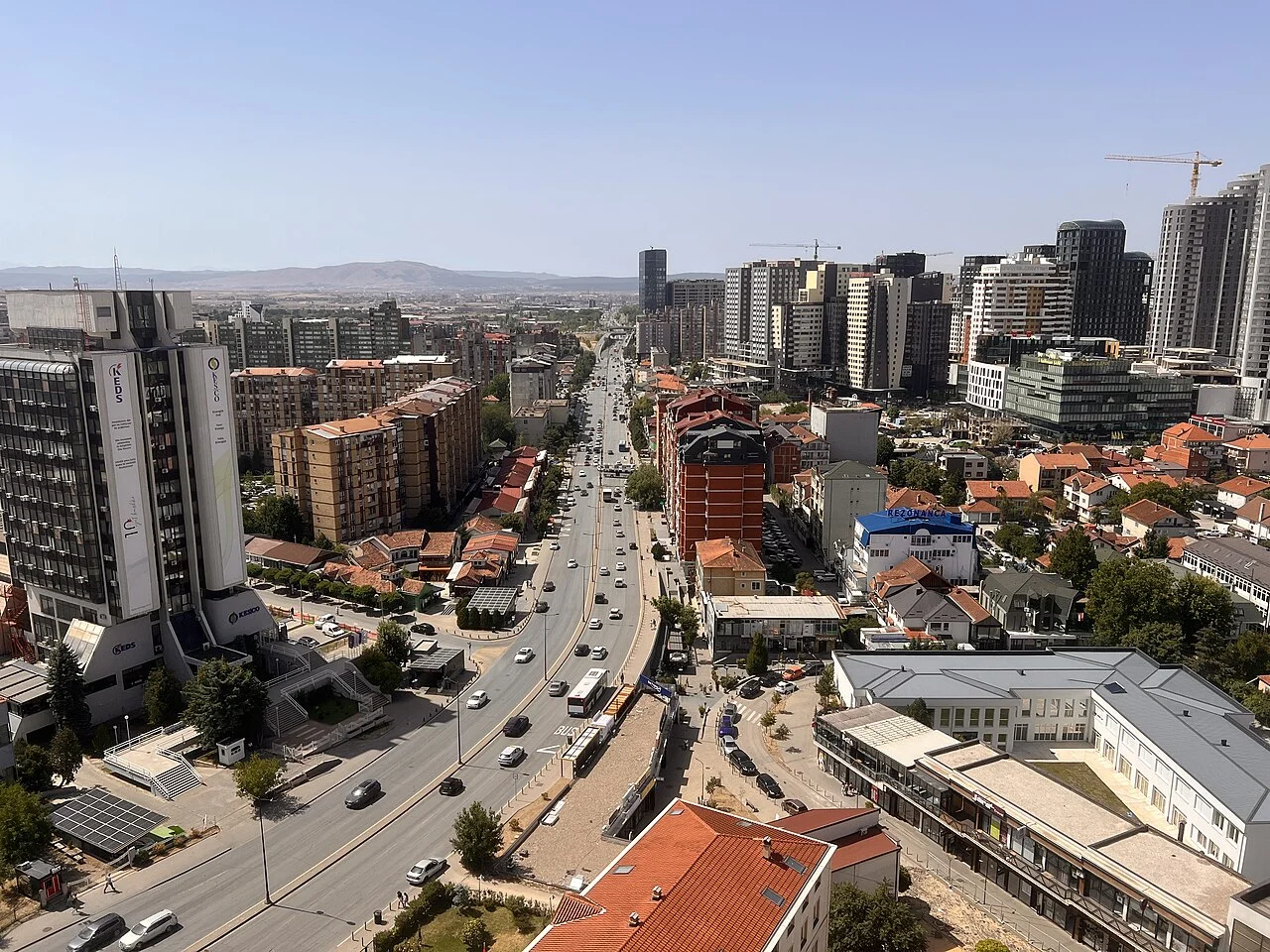
Pristina travel guide: from the promenade to older streets
The Tatilmerkezi Stork builds this route around the movement of Pristina’s streets at different times of day rather than a single landmark. Pedestrian life around Mother Teresa Boulevard, courtyards in the older neighbourhood and the market area tell different parts of the city story. Give the centre one day, with a second day for cultural stops and slower walks if you have time. The plan is intended to introduce the capital at its own scale instead of compressing an entire Kosovo trip into it. A walk divided by coffee breaks can be more enjoyable than marking numerous addresses in rapid succession. Use the same principle when choosing accommodation: seek a comfortable connection between the places you want to explore and the place you will return to in the evening.
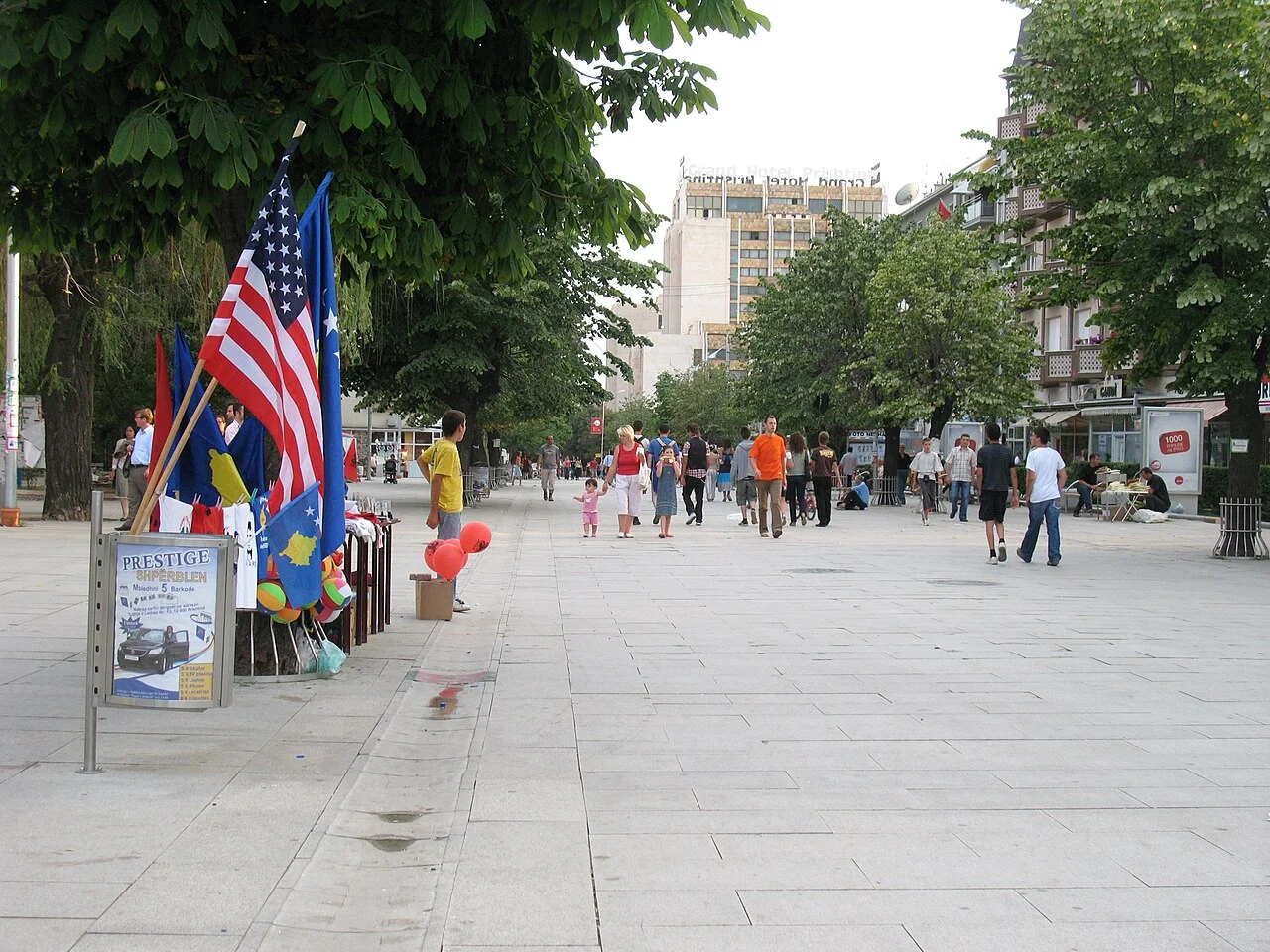
Mother Teresa Boulevard: enter the city on foot
Begin around Mother Teresa Boulevard to get accustomed to the central pedestrian area. A short morning walk gives you a reference for noticing how the street changes if you return later in the day. Decide the direction of the older neighbourhood before the first coffee becomes a lengthy programme of its own. If members of the group have different interests, agree on a meeting point using one precise place name; similar square names can make directions confusing. Use the promenade as a link to the next historical section as well as a place for browsing. Leave room for passing pedestrians when stopping for photographs. On a very short visit, removing more distant destinations and connecting this central spine with the older streets offers a reasonable introduction.

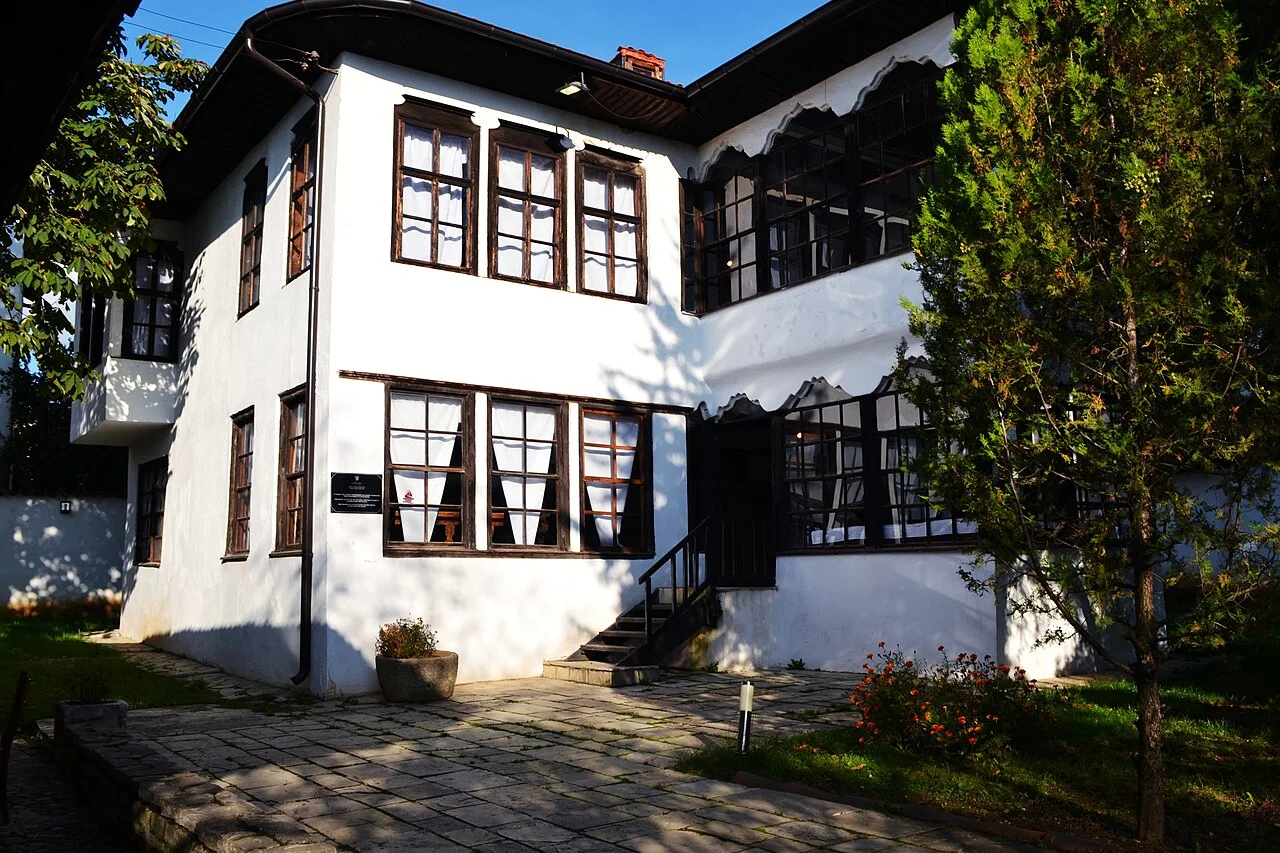
Emin Gjiku: a cultural stop on a courtyard scale
The Emin Gjiku complex and ethnological museum area offer a historical scale different from the broad boulevards. Looking at the buildings, courtyard and traditional residential arrangement can make the visit more meaningful than a quick photograph at the gate. Ask the local institution about present opening and exhibition arrangements if you want to go inside; an older tourism map does not describe the access available today. If the place particularly interests you, avoid putting lunch immediately afterwards on a rigid schedule. Two visitors can spend very different amounts of time studying the same building. If interpretation or guided assistance is offered, establish the language in advance so that the details you notice have useful context. Afterwards, continue gently into the nearby older neighbourhood rather than rushing straight to the next distant stop.

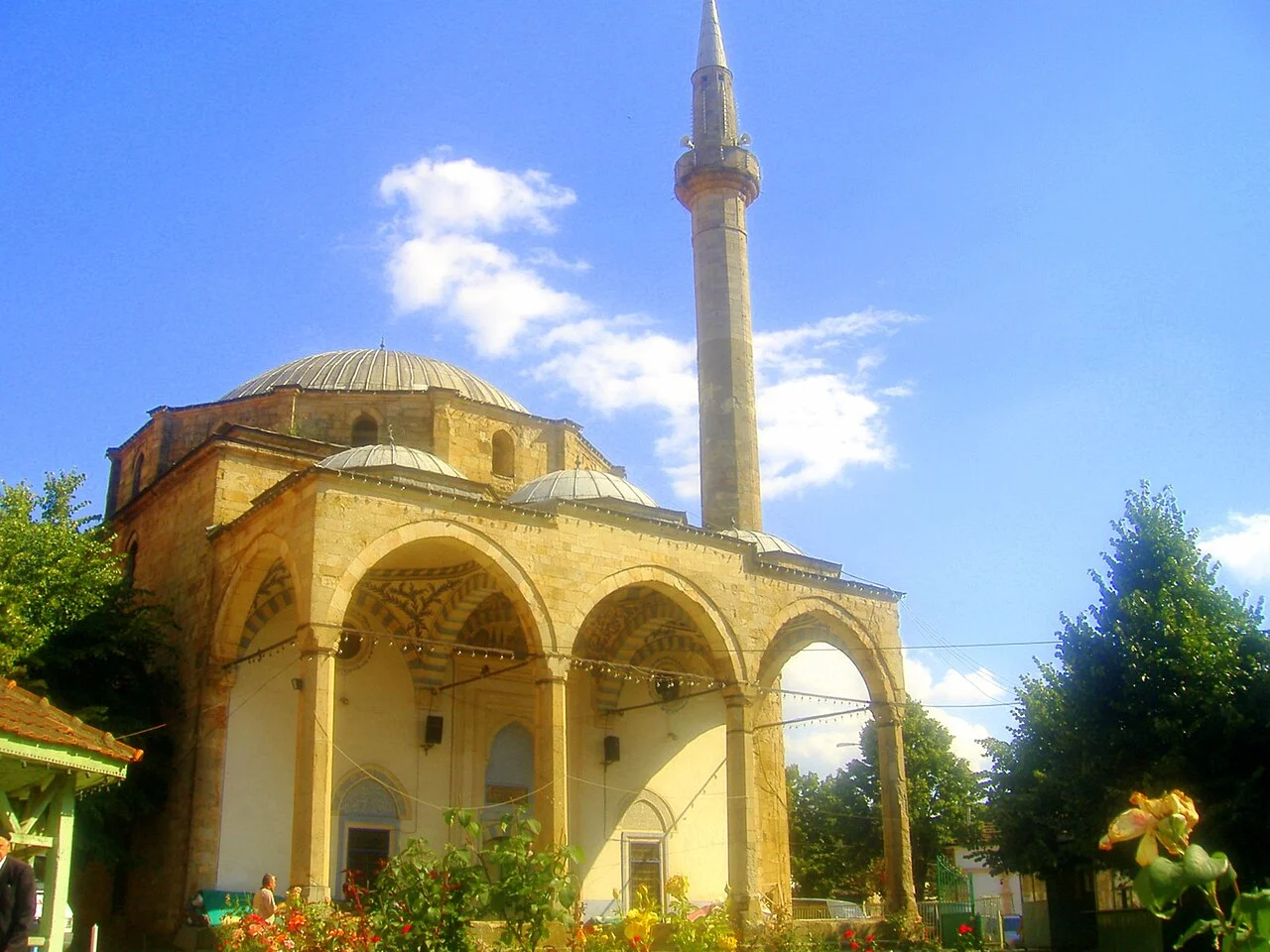
Imperial Mosque: a walk around living heritage
Consider the Imperial Mosque in the section devoted to the capital’s historic religious surroundings. Allow a short stop to observe its exterior, entrance and relationship with the neighbourhood. Respect the active worship arrangements rather than treating the place solely as a photographic subject. If you would like to enter, ask about conditions that day; observing the exterior is also a valid visiting choice. Several successive stops in the same area do not all require a lengthy historical lesson. Focus on one or two details, such as the scale of the courtyard, the transition between streets and the everyday activity nearby. This can help you notice how different periods sit alongside one another without making the city itinerary unnecessarily heavy.

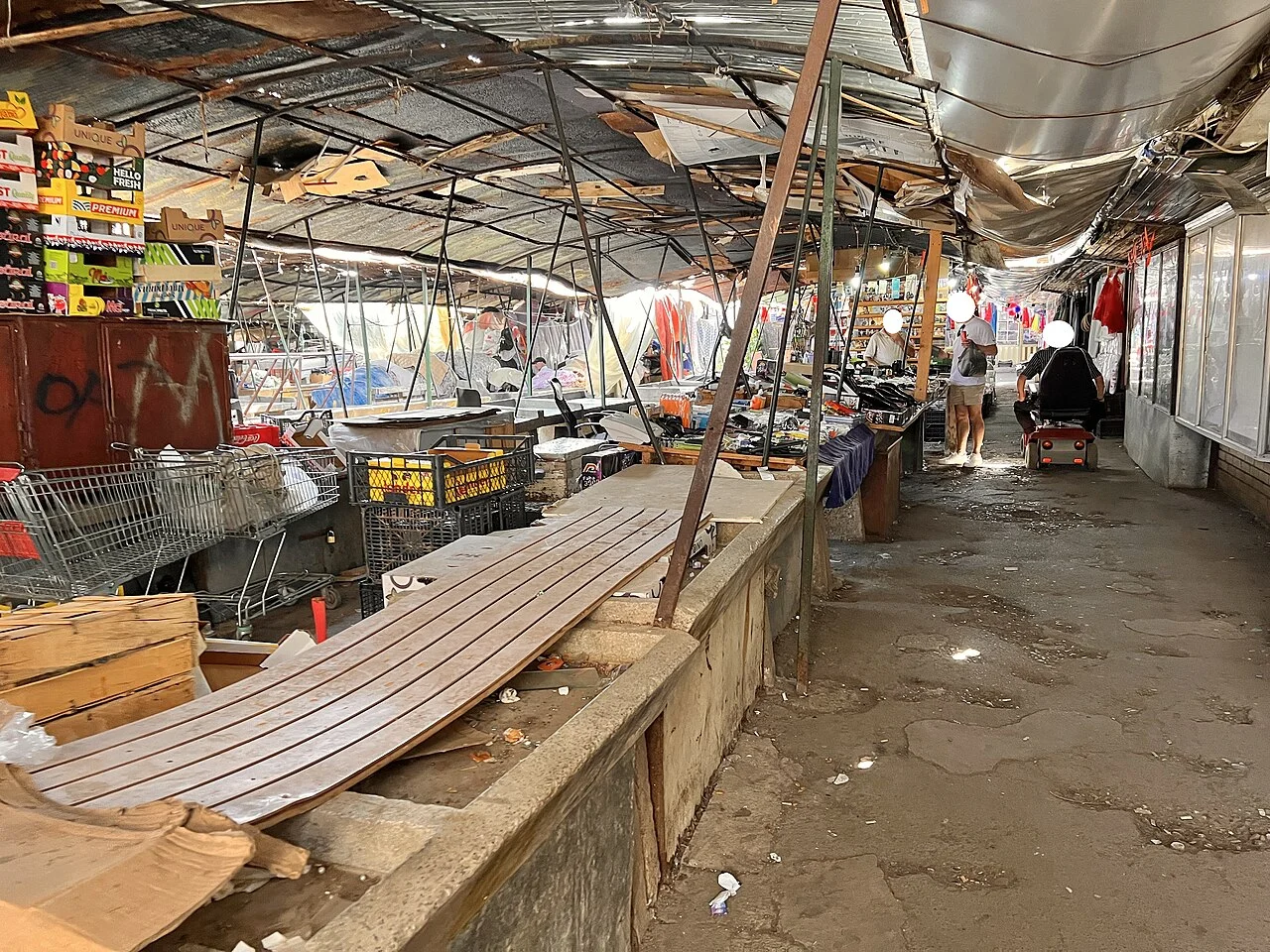
The Green Market area: a window into everyday shopping
Choose the Green Market area after the monument stops to observe another aspect of daily urban life. The number of active stalls can vary with the day and time, so avoid building the entire visit around an expectation of a crowded market photograph. Before buying something, understand the product and the unit in which it is priced; comparing an individual item with goods sold by weight requires different attention. A market walk can be followed by lunch, but identify a dining place and its menu separately. Let shoppers pass without blocking the route, and ask before making close portraits. If you buy several items, consider returning briefly to your accommodation instead of carrying everything through the rest of the day’s walk.

Cathedral surroundings and city views: a separate section
Treat the area around Mother Teresa Cathedral as another part of the central visit. Municipal tourism publications describe a view over the city from a tower; check the access, opening arrangements and ascent conditions on the day if this option interests you. Do not assume that everyone in the group wants to go up. If some people prefer to remain outside, agree a meeting point and a return time together. Observing Bill Clinton Boulevard and the residential fabric from above can help you understand how the streets you have walked relate to one another. If you only want an exterior walk, keep this section shorter and connect it with a coffee stop. Searching for the ideal photographic angle can take longer than expected, so setting a limit helps protect the next part of the itinerary.
Meals, coffee and a flexible second day
Putting a meal break in the middle of the exploration allows different sections of the day to proceed at different speeds. If qebapa or flia appear on a menu, ask about the ingredients and how the dish is served for sharing rather than assume every business offers the same portion. Take a coffee break on another street instead of automatically adding it to the end of a long lunch; this can mark the start of a fresh section of the day. Build the second day around a slower museum programme or streets you skipped in the centre. A longer excursion beyond the central area requires its own transport calculation. Discovering which parts of Pristina deserve more of your time may be more useful for planning the rest of Kosovo than declaring the city finished after one day.
Airport, local transport and accommodation choices
For the airport connection, consult the current Trafiku Urban page for route 1A. Compare the ticket method and service arrangement with your own flight instead of relying on an old blog’s timetable or price. Reaching the first city landmark and dropping luggage at your hotel can involve different journeys, so check the accommodation address on the map too. A room near the pedestrian boulevard may simplify an evening return, although noise, entrance access and a taxi drop-off point also matter. You can distribute the visit between the boulevard, Emin Gjiku, mosque surroundings and market on day one, then cultural visits and the cathedral area on day two. In rain, shorten an outdoor walk and insert an indoor break. Sources were checked on 4 October 2026; read visiting conditions again close to your travel date.