
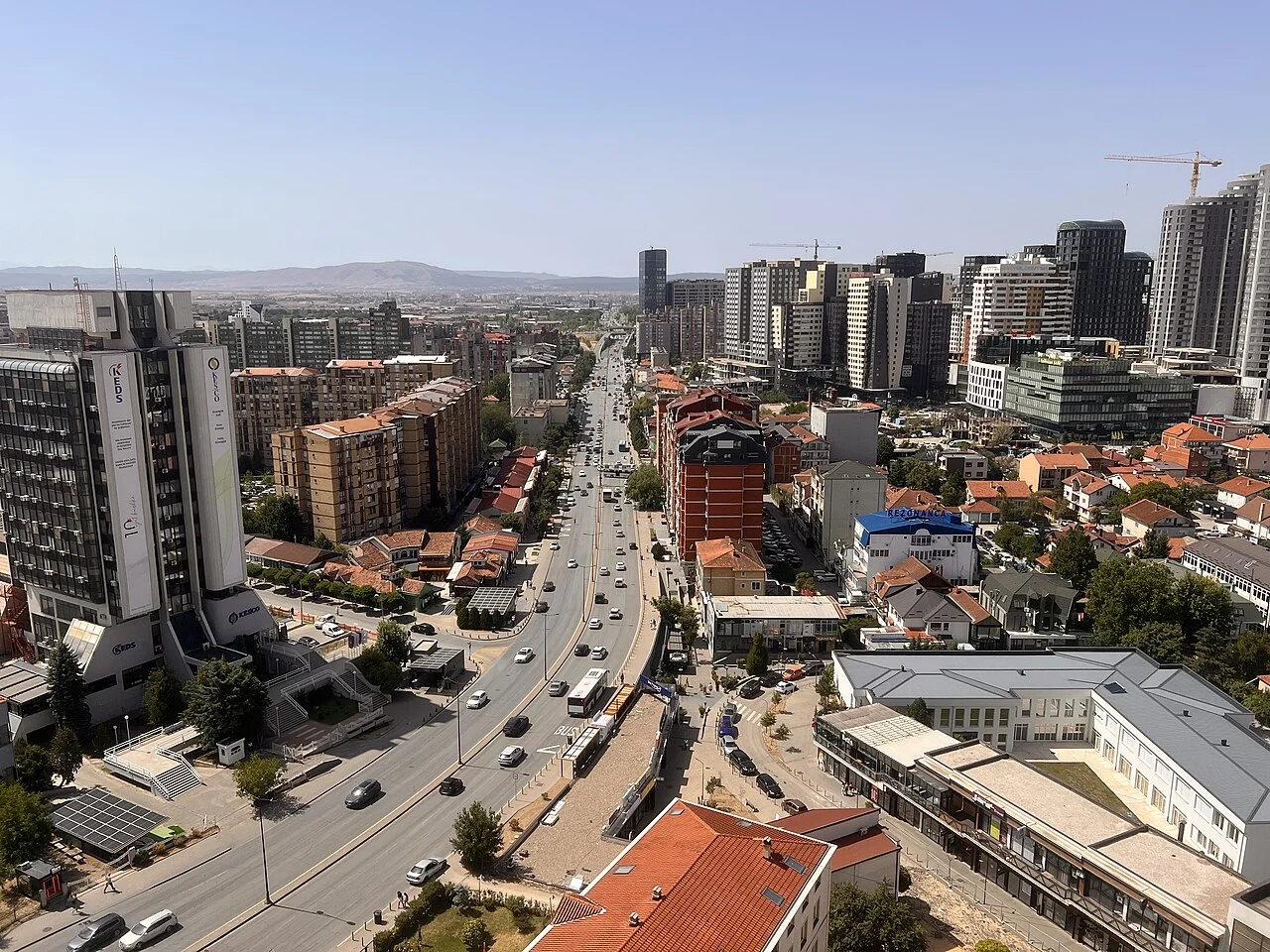
Eating in Pristina: a day of bakery, grill and coffee
A Pristina food route need not be just a restaurant list. A bakery product in the morning, a grill at lunch, a walk and coffee in between, and a traditional dish you have asked about in advance give the first day several different moods. The Tatilmerkezi Stork invites you to make meals distinct rather than rushing through every food name. When you encounter flia or flija, qebapa and a pite counter, begin by learning how the portion is served. Smaller-looking items can be filling, and sharing leaves room for curiosity. Starting with a central walk and placing meals around it can be more comfortable than travelling across the city for every order. This guide focuses on the product, its accompaniments and the interval between tables, rather than providing a long list of historic sights. Accommodation and arrival choices belong to the same rhythm: a comfortable route makes it easier to pay attention to what you are eating.
Flia: share a plate and notice the layers
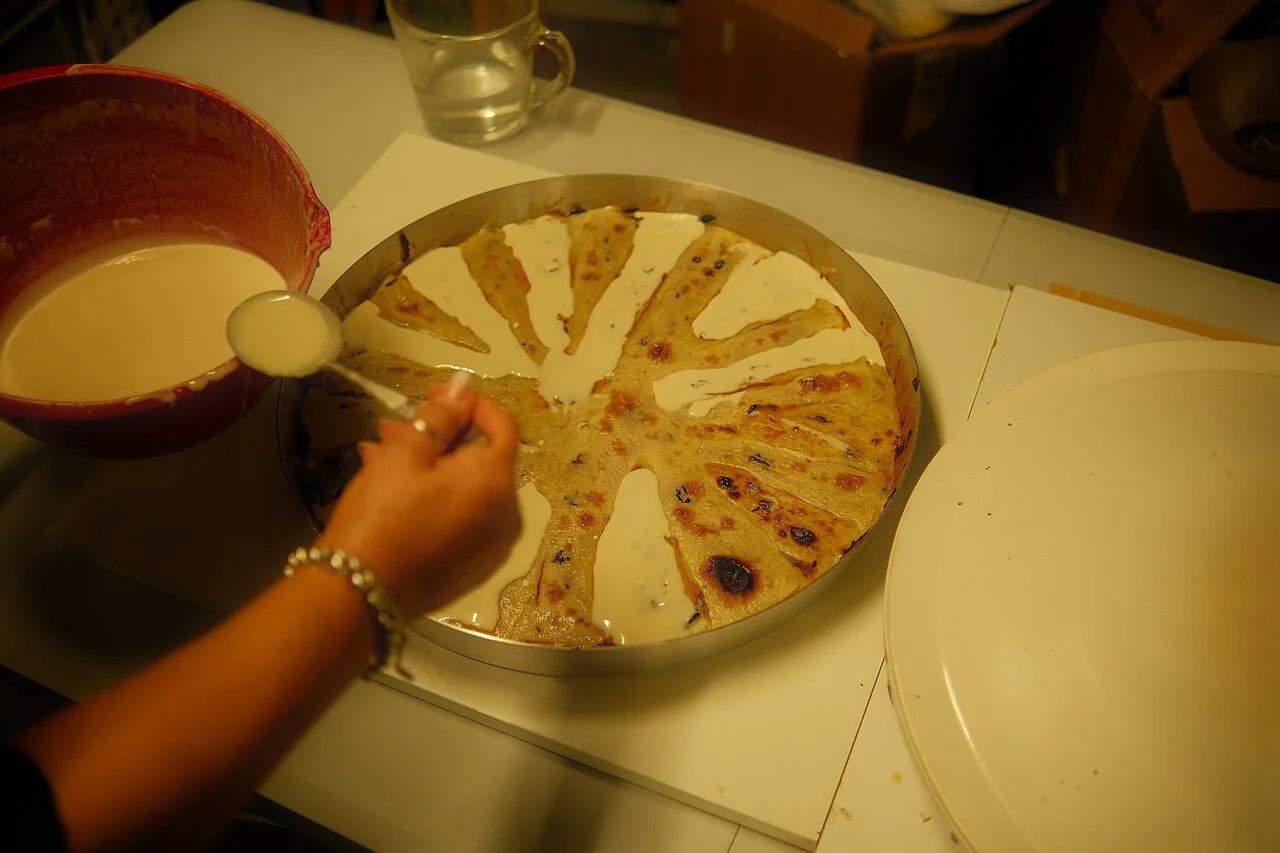
Flia belongs to Kosovar and Albanian food traditions, combining layers of batter with dairy. The Slow Food product record describes the successive baking technique under a saç and the creamy intervals between layers. Do not think of it as one recipe exclusive to Pristina, or as something ready in every bakery. If it is an important part of your plan, ask the chosen place about availability that day and whether it serves a slice or a larger portion. Several people can begin with a shared serving and compare warmth, browned areas and the softness of the layers. Learn which dairy product or other accompaniment comes with it before ordering a full set of sides separately. Availability is part of planning a dish that takes time to make. Choose it as a smaller shared taste before another meal, or as the centre of a more relaxed meal in its own right. A question about technique can open a better conversation than simply recognising the name on a menu. Adjust the amount to how much walking you want to do afterwards.

Qebapa: choose the grill with its accompaniments
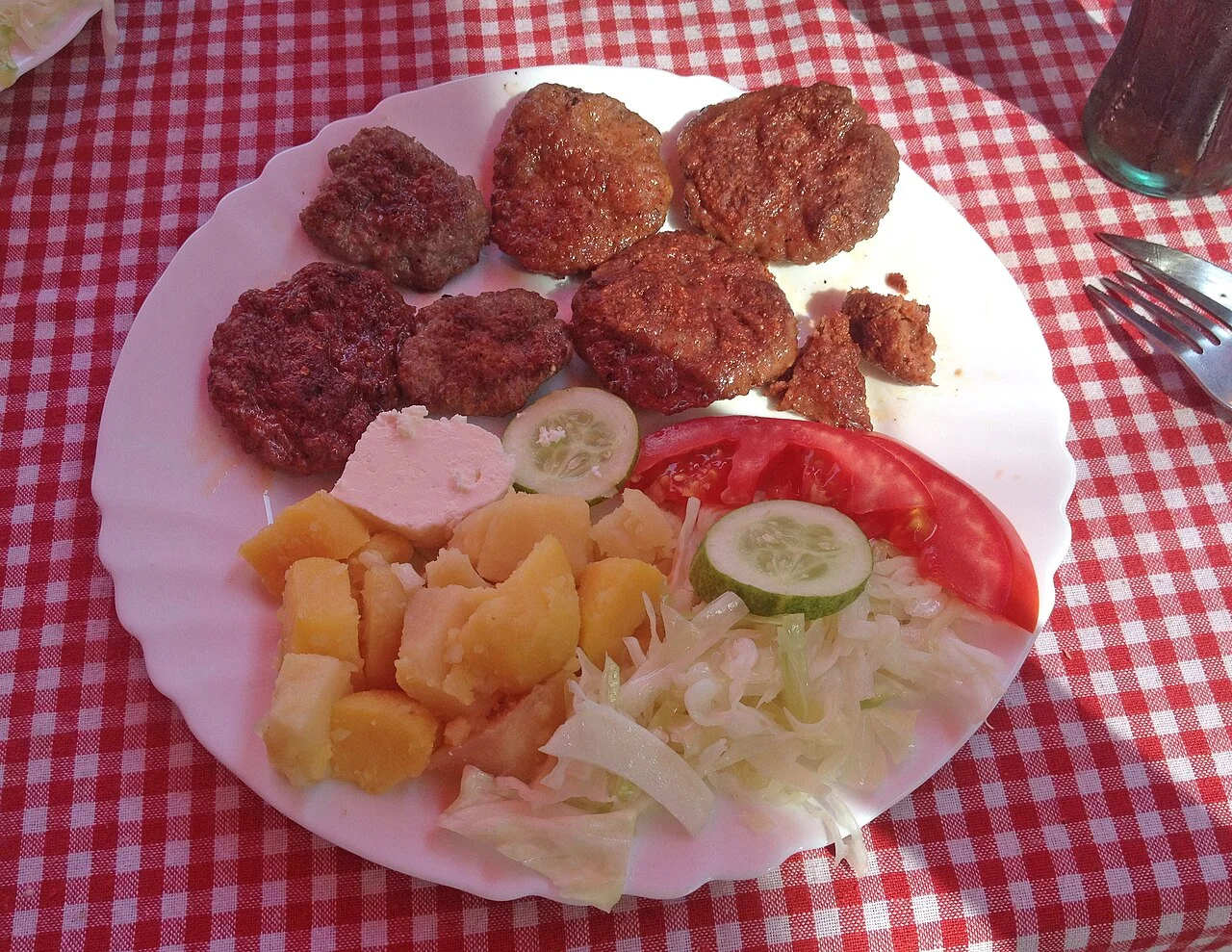
When qebapa appears on the menu, ask about the portion and what comes beside these grilled minced-meat products. A local accommodation business's food guide records the name and accompaniments such as bread and onion, while the actual arrangement can vary. A plate with potatoes and vegetables at one place does not establish the same serving everywhere. Asking about the meat, included bread and any hot sauce makes the order easier to understand. For lunch, one grill portion and a lighter side can leave dessert for a later break. With several people, explore shared plates before increasing every main order. Families and anyone with dietary requirements should discuss ingredients and preparation rather than relying on the name alone. To focus on the grilled food, you might ask for sauces separately instead of adding all of them immediately. That allows you to notice the texture first and decide afterwards which accompaniment you enjoy. There is no need to turn a straightforward lunch into a crowded table before you know the portion sizes.

Pite and bakery breakfast: ask about the filling
For dough products described as pite or byrek, establish the filling before ordering. Do not decide that a product contains cheese, vegetables or meat from its colour behind glass. A local business's food description includes different fillings, but the actual counter matters more than expecting every bakery to make the same selection on the same day. One product and a drink at breakfast can preserve space for a grill lunch or a flia-focused evening. A group sharing two fillings may have a more curious start than everyone taking a large separate portion. A hot product eaten at a table and one carried away do not give quite the same experience; if time allows, make the first taste seated. For takeaway, ask about packing and when to eat it, then carry it without crushing it during the walk. If dairy or gluten affects your choice, discuss the dough as well as the filling. Passing another attractive bakery later does not automatically require a second complete breakfast. You can keep it in mind for another morning.
Around the Green Market: a walk led by product questions
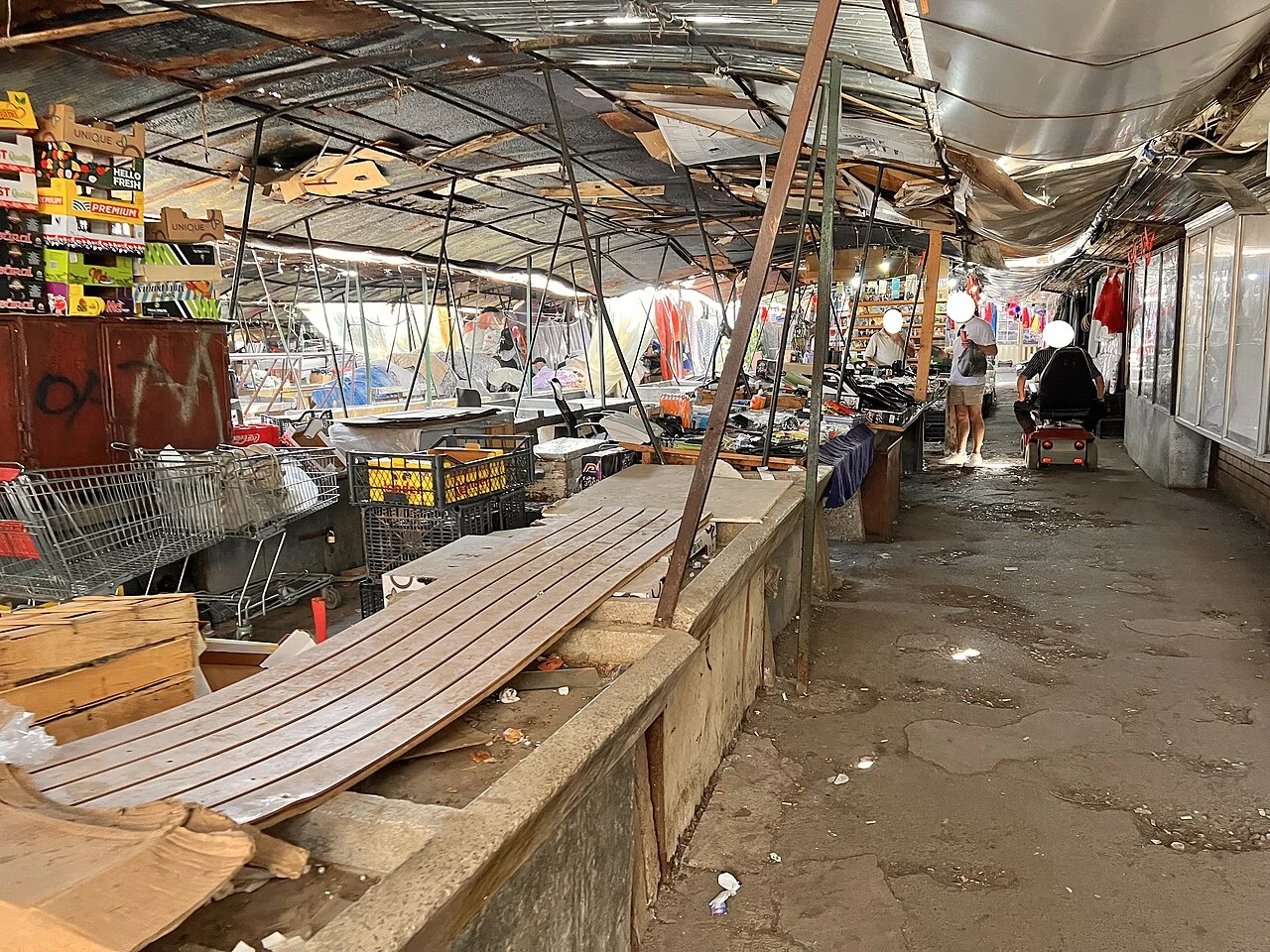
Consider the Tregu i Gjelbërt, or Green Market, area for the shopping side of a food route. Do not build the visit around a promise of fully stocked stalls and a ready-made tasting event; let the actual activity on the day guide it. At an open counter, asking the name of a product, how it is used and which dish it accompanies provides a useful starting point. Allow time for conversation and ask before photographing a vendor. If you buy something to carry, learn about packaging and storage. A product requiring refrigeration should not become an all-day souvenir in a warm bag. You need not eat every purchase immediately; recognising the same product name on a later menu can be part of the pleasure. In a busy street, distinguish a place to pause from a through route, and avoid spreading the whole group across a stall entrance. Choose morning or afternoon around your own programme rather than treating this guide as a fixed statement of market hours. The visit can be worthwhile even when it is a shorter observation stop.

The Mother Teresa walking axis: give coffee its own interval
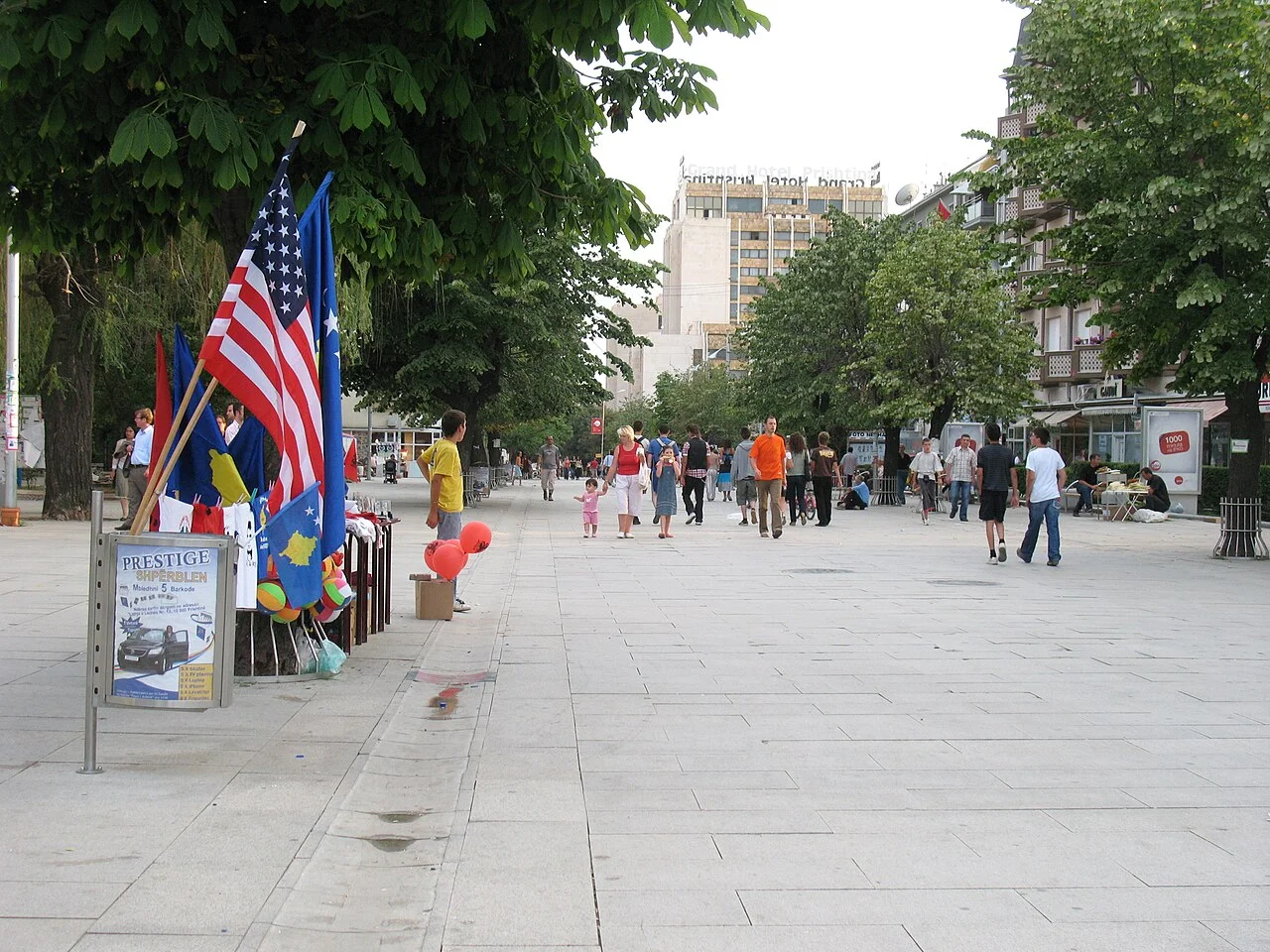
Use the Mother Teresa walking axis as a central connection between food stops. Rather than carrying a cup throughout the day, turn coffee into a seated interval and give yourself time to observe the city. Learn the drink size, whether it contains milk and the portion of any sweet you want beside it. Immediately after a fuller meal, a small shared sweet or just a drink may be a more comfortable choice than another large order. Leaving space for dinner does not require an endless list of café stops. Some people in the group can choose coffee while others choose another drink; a comfortable place to sit is the shared requirement. Indoor seating in rain, shade in heat and noise levels when it is busy can guide your decision. With a stroller or walking aid, check entrance width and steps. Once the break is over, choose a short connection on the map so that the walk between meals stays enjoyable. The pause is part of the food day, rather than time that must be filled with more attractions.

Evening and the next day: vary the balance of the table
If breakfast centres on dough, lunch can follow a grill direction and the evening can focus on a traditional dish whose availability you have discussed. To leave room for flia, make lunch smaller; completing a full portion of every named product in one day is not an achievement you need to pursue. At a group table, agree on shared starters before the mains so that the order remains manageable. Ask about the kitchen's last orders and whether reservations help, particularly when arrival will be late. With a second day, revisit a favourite product with another accompaniment or choose vegetables and a lighter meal to give the route a different shape. Every stop need not come from a famous list: a table close to your own walking area can be practical. When a menu is unclear, ask about a product and its contents separately, and agree on the total amount with your companions. A note about a filling or texture you liked will make a future visit more personal. This is a suggested arrangement for your meals, rather than a statement that businesses maintain fixed menus.
Accommodation and transport: keep arrival day separate
A place near the centre can be practical if you want a shorter return after dinner. For accommodation farther away, examine the evening connection and the option of returning by bus or taxi together. Ask about the nearest vehicle drop-off point, the route to the main door and arrival with luggage; a short distance on a map does not explain the entire experience. On arrival day, one nearby meal may be more comfortable than an extensive food circuit. At the check on 4 October 2026, Trafiku Urban's official route page listed 1A between the Pristina bus station and the airport, with separate links for weekday and weekend schedules. Open the timetable for your actual travel day rather than assuming the same departure pattern every day. This guide does not promise a fixed fare, departure time or a connection for every flight. Include the onward link from the bus station to your chosen part of the centre; treating them as the same location can squeeze a dinner reservation unnecessarily. Once transport is settled, you can arrive at a Pristina table with curiosity rather than haste.