
Being an experienced air traveller is not about finding a secret way around a queue or expecting the same privileges on every flight. The Tatilmerkezi Stork gives this archive topic a more useful purpose: divide the journey into clear stages and avoid overloading arrival day. Someone who has flown often can still select the wrong terminal, misunderstand two separate tickets or think about a departure in the wrong time zone. Experience helps when it becomes a repeatable arrangement rather than a pile of details entrusted to memory.
This guide does not repeat every terminal step for a first-time flyer. It connects booking organisation, transfers, arrival and the journey home. Copenhagen, Tallinn, Helsinki and Bruges are real city examples. Their photographs do not demonstrate airport services, current gate numbers or an airline product. They are dated scenes illustrating how flight choices affect the first and final days of a holiday. Airline procedure sources were checked on 4 October 2026. Match any example to the operating carrier and actual itinerary shown in your own documents.
Copenhagen: simplify arrival day around one cultural stop
If Rosenborg interests you, think of arrival day as the airport, accommodation and one cultural stop. The aircraft's landing time is not the starting time of a city visit: leaving the terminal, collecting luggage when necessary and reaching the hotel are separate tasks in between. Include the later programme when comparing flights. Attaching a museum reservation to the most optimistic arrival time may require the whole afternoon to be rearranged after a small delay. For an afternoon arrival, Rosenborg can belong to another day while the first outing remains a shorter introduction.


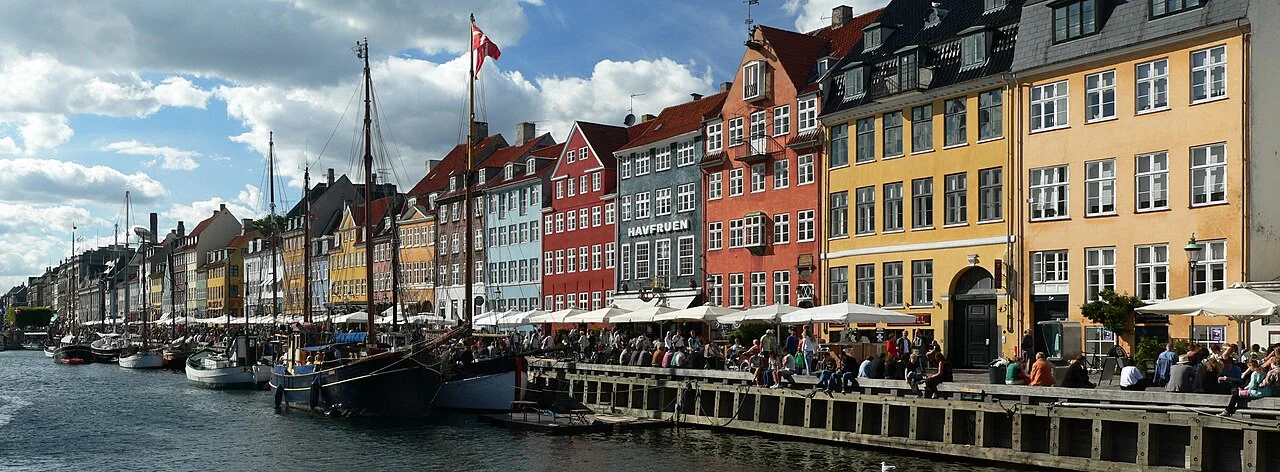
Keep the accommodation address in an easily accessible note alongside, but separate from, flight information, and learn the arrangements for late arrival. A seated meal featuring a local choice such as smørrebrød gives the day a real pause instead of letting an airport snack determine every eating decision. There is no need to append Nyhavn hurriedly to a cultural visit. One useful habit for regular flyers is to choose the day's main purpose clearly, rather than filling every unallocated interval with another reservation.
Tallinn: evaluate a connection together with its ticket arrangement
When considering a calm day around Tallinn's Kadriorg, examine the arrival connection with the same care. Two flights displayed consecutively in a search result do not automatically constitute a journey issued on one ticket. If the arrangement involves separate tickets, different airports or a terminal change, do not copy the brief connection time directly into your city plan. A map cannot tell you where checked luggage must be collected or whether another check-in is required. The operating airline's itinerary guidance and the documents for the booking matter.


Turkish Airlines explains different single-ticket and separate-ticket transfer situations individually; that explanation is not a universal sequence for every company. Leaving a small neighbourhood meal as the arrival-day target avoids combining transfer uncertainty with an elaborate dinner reservation. The Kadriorg photograph shows a historic palace setting, not a promise that you will be admitted at a particular hour after landing. Scheduling the chosen cultural visit for the second day separates it from the uncertainties of the first day's transport.
Helsinki: keep documents and belongings in a consistent system
For a short Helsinki trip, store the flight record, accommodation address and intended transport information under distinct headings. Test access to the document you need before leaving, rather than searching a lengthy email chain at the last moment. Do not assume every link works offline or that every file displayed on a phone will be accepted at a control point. Passport, visa and entry requirements depend on nationality and individual travel circumstances. This guide does not establish one document list for all passengers; use the requirements applicable to your own application and the relevant border authority.


A korvapuusti pause can provide a modest local goal for arrival day. The cinnamon-bun photograph records a real past food scene, without advertising a particular café's present service. The following morning, avoid transferring everything packed for the flight automatically into the day bag. Leave the main luggage at the accommodation and select what that outing needs. A city arrangement and a terminal arrangement serve different purposes. Giving a cable, document or small object a consistent place also reduces the repeated search for it on every journey.
Bruges: connect the return flight with the final night's plan
In a Bruges example, relate a walk around Minnewater to the final evening while checking the actual departure airport separately. An airport marketed using a city's name need not be close to the neighbourhood where you stay. The final accommodation and the way you intend to reach the terminal in the morning should remain part of the plan after the ticket has been purchased. For a very early flight, a shorter dinner may suit the final night better than a lengthy evening programme. This guide does not promise that a particular transfer or overnight transport service runs every day.


If Bruges chocolate interests you, completing the purchase before the final packing session avoids combining a shopping queue with luggage organisation on departure morning. Consider the carriage conditions of your own flight when deciding how to transport products. The Minnewater image shows a past scene, not every detail of the current walking environment. Early checkout arrangements, reception procedures and space to organise belongings can be more useful accommodation information for this particular night than an attractive view.
Repeat the same short review for each journey
Before travelling, read the date, local time, airport code, operating carrier and baggage section together. Completing check-in is not the same as completing bag delivery and reaching the gate on time. The Turkish Airlines source reviewed for this guide describes its online check-in window as opening 24 hours and closing 90 minutes before departure. This is information about that carrier, not a universal window for all flights. Having obtained a boarding pass, continue following flight displays and staff directions. Queue procedures, security requirements and cabin-crew instructions apply to experienced passengers, too.
Keep ticket and transaction records until the journey has ended. A delay or cancellation does not automatically create identical compensation or accommodation rights on every route: the carrier, itinerary and applicable rules may differ. Preserve the airline's notification and consult official passenger-rights guidance for the particular circumstances. The Stork's suggestion is to understand when each stage is complete, rather than simply move faster. Leaving room for a local meal and a manageable city introduction helps keep the flight arrangement from consuming the holiday itself.