
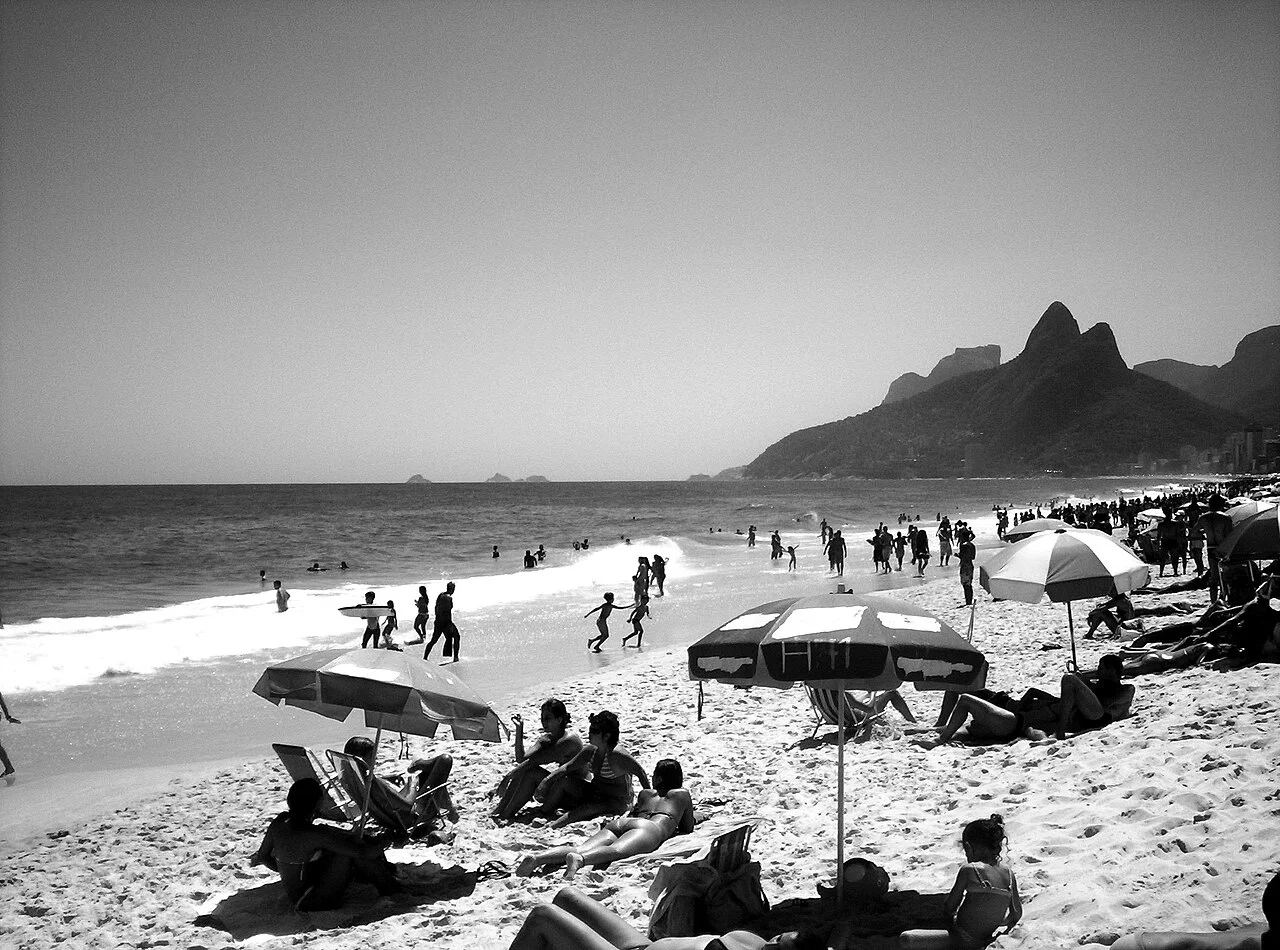
Seeing Rio de Janeiro only from a high viewpoint can leave its everyday rhythms out of the picture. The Tatilmerkezi Stork suggests three contrasting days for a first visit: a coastal walk with neighbourhood life, a green interval around Lagoa, and a separately planned outing into Tijuca Forest. Beach, lagoon and forest then become distinct experiences rather than interchangeable stops. The central idea is to read Rio's natural shape at several scales. This guide connects walking, meals and transport, grouping each day around one main area instead of pursuing every symbol at once. Three days can provide a strong introduction without becoming a race through the entire city.
Copacabana: keep the beach day simple
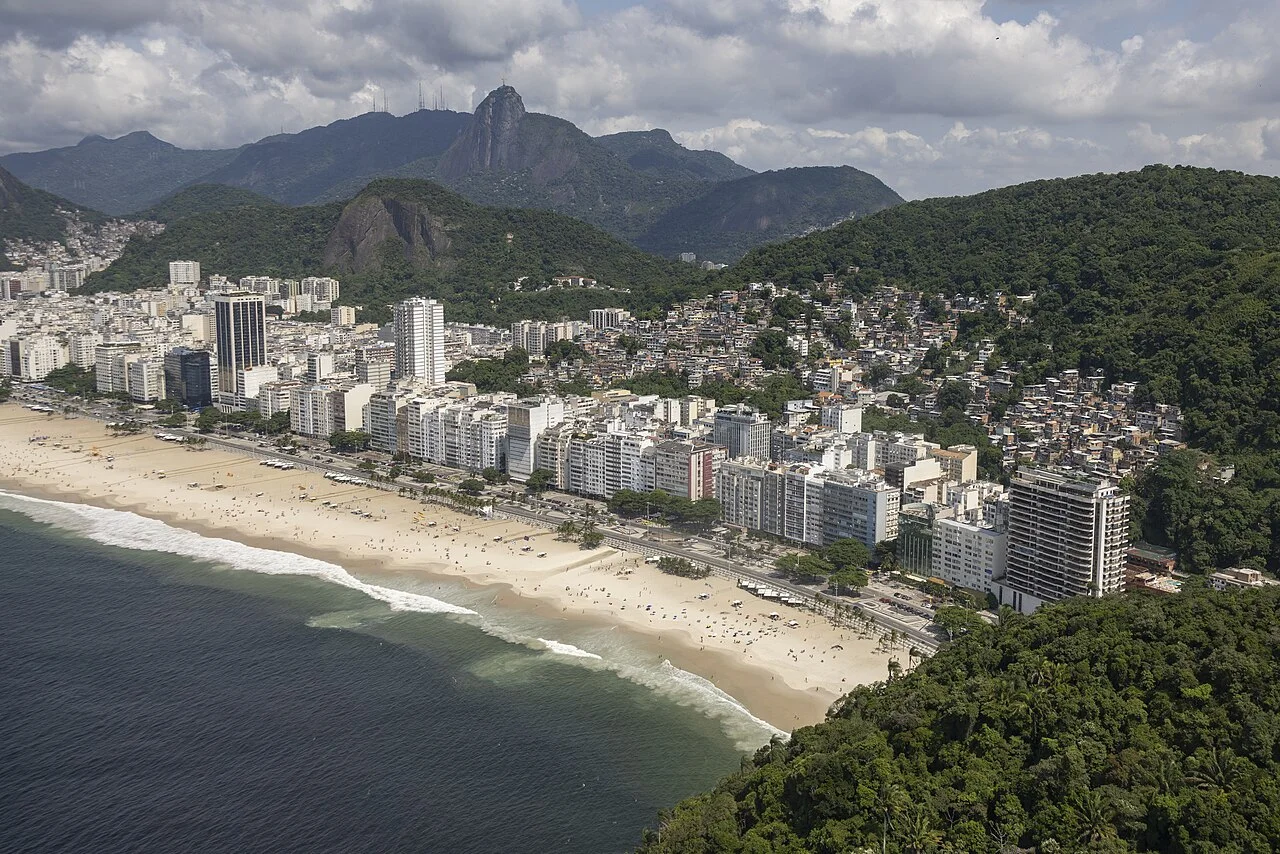
Give the first morning to the Copacabana coast. Starting near your hotel and proceeding in one direction is more comfortable than repeatedly covering the same stretch. Observe sand, sea and the neighbourhood behind them together; the broad Rio landscape is more than a photographic backdrop. Follow a modest walk with a seated breakfast or drink. Carrying little on a beach day and planning the return to the hotel makes the outing simpler. Spending time beside the sea and entering the water are different decisions, so judge swimming conditions through local warnings. Rather than rushing to a distant district in the afternoon, explore a few surrounding streets. Everyday businesses provide a broader impression of the city than the waterfront alone. A relaxed first day also leaves room to adjust after arrival and understand your base.

Ipanema and Arpoador: two scales of the coast
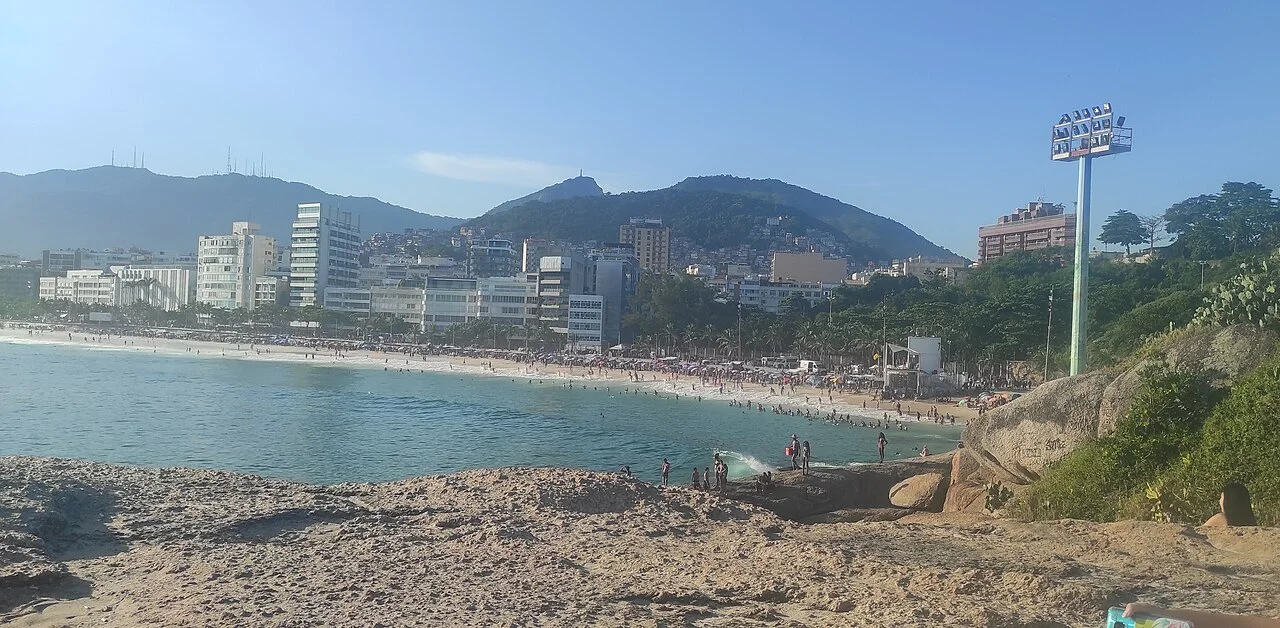
Ipanema offers a long beach line, while the rocks at Arpoador provide a more concentrated coastal experience. Riotur identifies Arpoador as a place for sea and sunset views. Connecting these forms of coast can be rewarding, but completing the entire walking distance need not be the goal. Begin with a selected section of Ipanema, then give the surroundings of Arpoador time. Choose a comfortable dry observation point rather than a risky edge for a photograph. If you arrive toward sunset, decide your return route and dinner area beforehand. The Stork enjoys the transition from a broad sandy shore to the rockier edge, where the shape of the view and the sound of the sea change. Overcast weather can still produce a memorable coastal walk; a colourful sunset is a possibility rather than a requirement for a successful visit.

Lagoa: a quieter interval inland
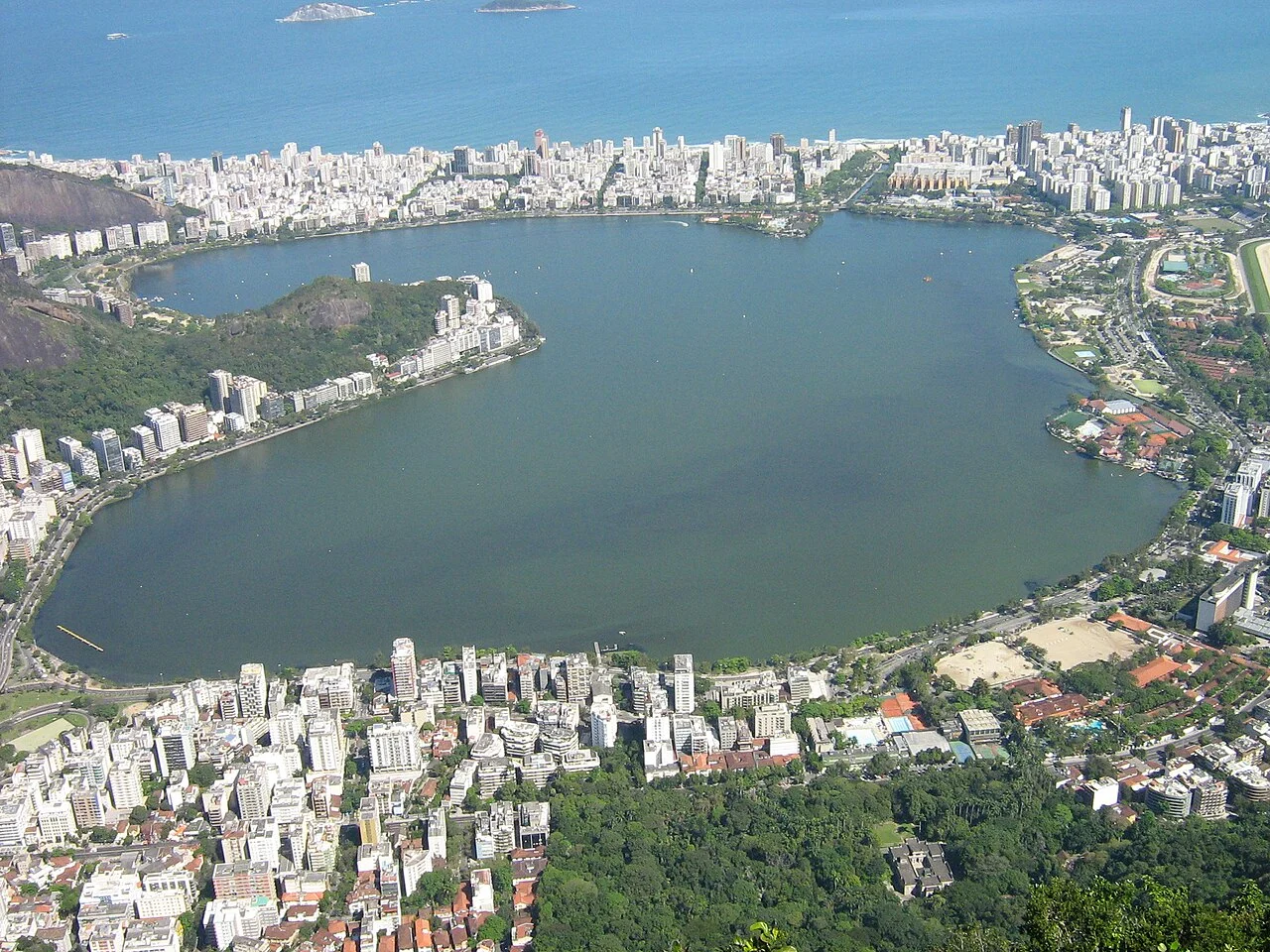
Lagoa Rodrigo de Freitas gives a different water landscape after the coastal programme. Riotur's account of the city identifies the lagoon among Rio's important landscapes. Do not approach it expecting another beach day. Instead, plan a short chosen walk and somewhere to sit. Set start and finish points that work with your transport rather than automatically attempting the entire perimeter. Morning coffee or a lighter afternoon meal can establish the rhythm of the outing. Observing mountains and urban surroundings together helps explain the city's geography. Visitors who want to add nearby Jardim Botânico can use the institution's official visitor page to plan entry for their dates. Lagoon and botanical garden are separate destinations. Make one the main visit and the other a smaller interval instead of hurrying through both and treating them as a single attraction.

Tijuca: treat the forest as a separate day
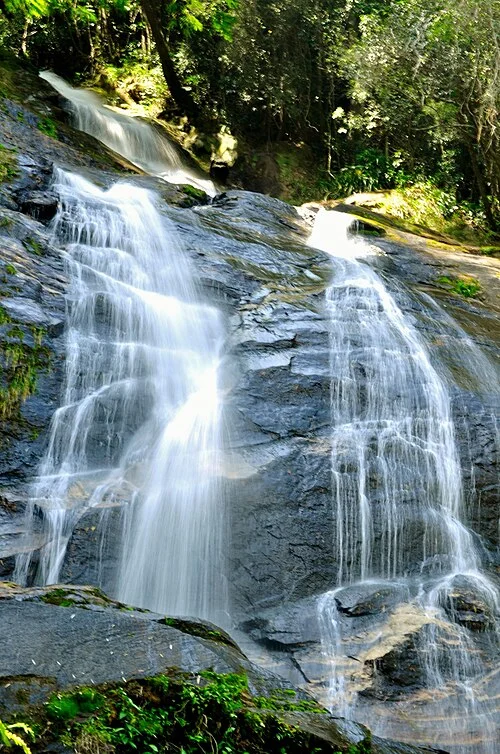
Tijuca Forest is not an extra point to add casually to the end of a beach walk. The national park's sectors, access arrangements and transport require their own preparation. Select one main area for a first outing rather than trying every trail in the same day. Cascatinha Taunay is a waterfall described in the park's official information; the historical photograph represents conditions on its capture date, and water flow can change. Check current visiting rules and the condition of your selected route for your travel dates. The waterfall and Mirante da Cascatinha are different places: do not automatically attach a viewpoint trail that may be closed to a waterfall visit. Slippery ground after rain and a planned return time belong in the itinerary. Giving the forest a proper day provides another Rio experience without repeatedly interrupting the relaxed coastal programme.

Meals: move from the shore to the table
You can organise coastal-day meals without turning them into a heavy tasting marathon. The municipal tourism guide discusses feijoada, churrasco, fruit juices and waterside coconut water within the city's eating culture. Give a substantial meal such as feijoada its own seated lunch block and choose a lighter dinner afterward. A botequim offers another rhythm for a relaxed meal or smaller plates. When comparing businesses in Botafogo or the beach neighbourhoods, do not assume that the same dish is offered on the same day everywhere. One deliberate meal is often more satisfying than repeated improvised snacks between viewpoints. A fruit drink can count as a small experience in itself; not every stop needs to become a full meal. Keep lunch and dinner in relation to the area you are actually exploring rather than crossing the city for every order.
Connect your hotel choice with transport
Copacabana and Ipanema are areas to consider for a coast-focused first visit. Botafogo is also worth comparing if neighbourhood connections and meals carry more weight in your programme. An area name alone does not choose the hotel: examine its actual address, walk to a metro station and evening return route together. MetrôRio's customer guide provides official line and connection information. Airport travel and the national park outing require separate planning; do not assume the metro delivers you to the forest entrance. On a short trip, finish at least one day around the neighbourhood where you are staying rather than choosing a distant area every night. Arrival and departure days with luggage should also remain lighter than full sightseeing days. These decisions make Rio's distances more manageable and protect time for the experiences that brought you here.
A flexible three-day Rio programme
Reserve the first day for Copacabana and nearby streets, the second for Ipanema-Arpoador with a short Lagoa interval, and the third for Tijuca with transport arranged separately. If the botanical garden is a priority, shorten the second day's coastal walk. There is no need to force every green destination into the forest day. Families can choose shorter shoreline outings instead of lengthy walks. Photography enthusiasts can keep one evening flexible for the chance of sunset, without making the entire visit depend on a single lighting expectation. Rio's strength lies in how beach, mountain and neighbourhood approach each other within the same city. Slowing down at a few well-chosen places reveals that closeness more clearly than an exhausting list of views. Leave with a sense of how the landscapes connect, not simply a collection of completed markers.