
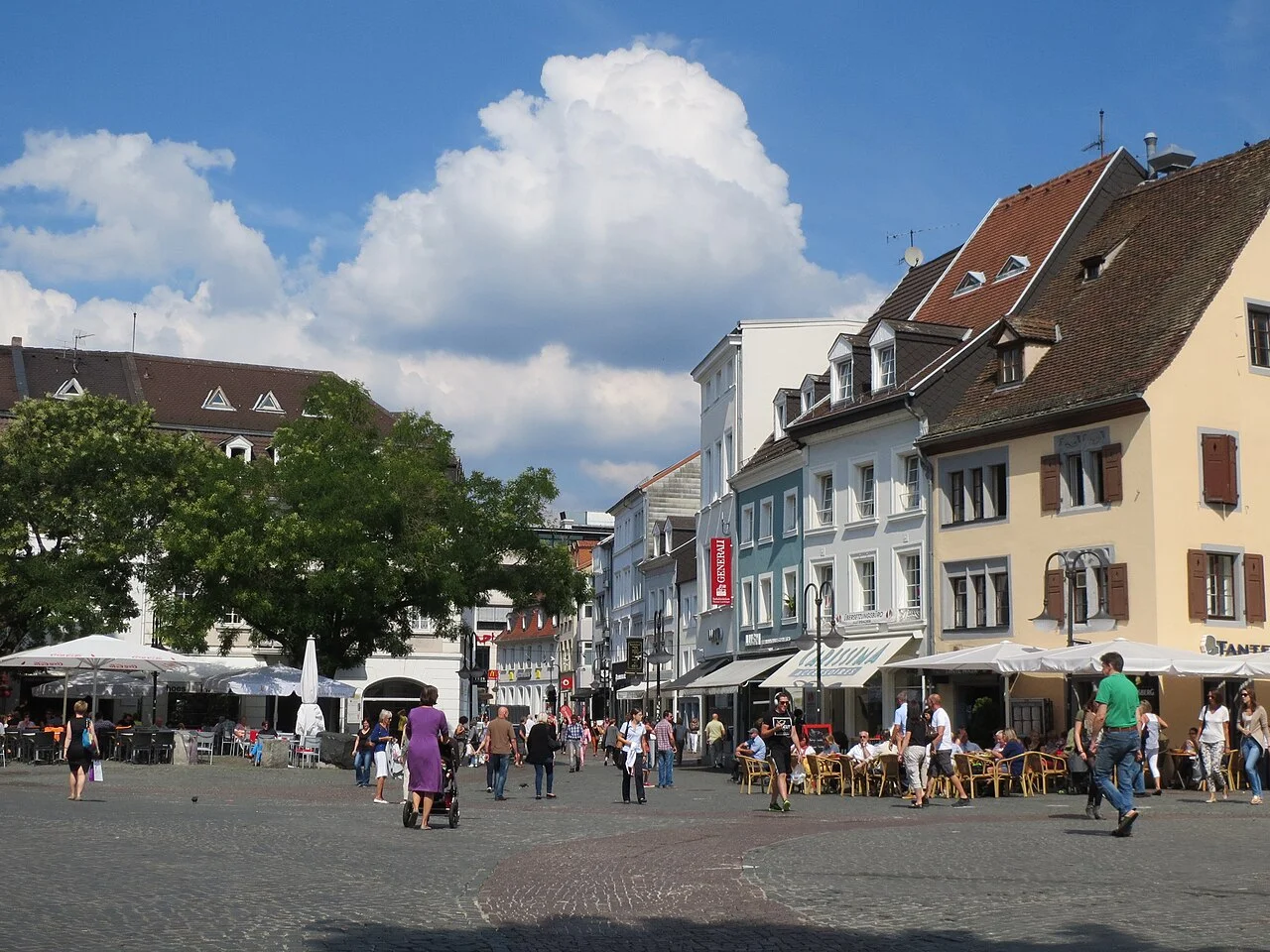
Begin the Saarbrücken table at St. Johanner Markt
A useful start to a Saarbrücken food route is separating potato dishes and giving one principal choice to each meal. The Tatilmerkezi Stork begins around St. Johanner Markt, then considers Nauwieser Viertel and Mainzer Straße as separate pauses. The city's German and French-influenced food culture allows a programme wider than one substantial plate. All its neighbourhoods need not occupy the same afternoon. Central food and walking on one day, then a neighbourhood coffee and another main on the next, create a clearer comparison. Every stop does not have to become another purchase or another product to photograph.
For lunch, the name Dibbelabbes may appear; for another meal, Gefillde or a different potato option; for a smaller interval, Flammkuchen. Think of them as choices responding to different amounts of time and hunger, rather than three dishes that must arrive consecutively at one restaurant. A family may want shared sitting time, while a short-stay visitor could keep one principal meal central. The cover records a real St. Johanner Markt view from 2013. It introduces the urban setting for the meal plan, rather than proving the current availability of particular tables or the food served there today.
Dibbelabbes, Gefillde and Hoorische: three forms of potato
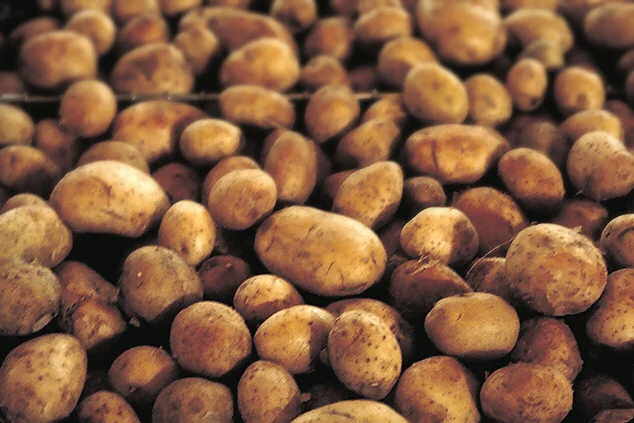
Dibbelabbes places grated potato at the centre of a regional fried dish. Traditional versions and adaptations mean it should not be imagined as one recipe with identical ingredients in every business. Gefillde offers a different meal idea through filled potato dumplings. Hoorische is another name associated with potato dumplings. Learning the three words helps explain why the same central ingredient appears within different menu choices. The image here shows potatoes as a general ingredient, not a finished Dibbelabbes dish or a Saarbrücken restaurant plate. Selecting one of the dishes for lunch can provide an adequate introduction without treating the others as missing achievements.

A seated meal around St. Johanner Markt supplies a simple way to connect this food vocabulary with a city walk. Deciding on the main plate early leaves room for afternoon coffee and the return. With two days available, move another potato preparation to tomorrow. A fried-potato choice on one day and a dumpling-based main on the next allow their differences to be noticed more comfortably. For a smaller appetite, consider shareable choices where actually offered. The official regional tourism route associates Hilde & Heinz on Mainzer Straße with smaller regional plates, offering an example for research rather than a promised reservation.
Schwenker: give grilling culture a separate meal
In the region, Schwenker can name a grill, the marinated meat cooked on it and the person using the grill. This small linguistic detail helps decode a menu word or a local description. The 2007 image records a Saar-style grill and meat, without identifying a particular present-day Saarbrücken event or venue. Giving a grilled choice its own evening keeps it distinct from a potato-focused lunch. No route for lighting an outdoor fire or building a personal grill is proposed here. The aim is a meal plan introducing table culture, with the illustrated equipment providing context rather than instructions for an activity.


Consider the choice within the surroundings the outing actually takes you to. Repeated journeys out of the centre solely to reach another food name are unnecessary. A walk before dinner can be followed by space for conversation or the journey back. A companion who does not choose meat can make a different main-meal selection at the same table. Meeting regional cuisine does not require every traveller to follow an identical tasting order. The Stork's approach turns local words into ordinary meal decisions: potato at lunch today, perhaps grilling on another evening, and enough room between them for streets, company and time spent in the city.
Flammkuchen: choosing between a pause and a main
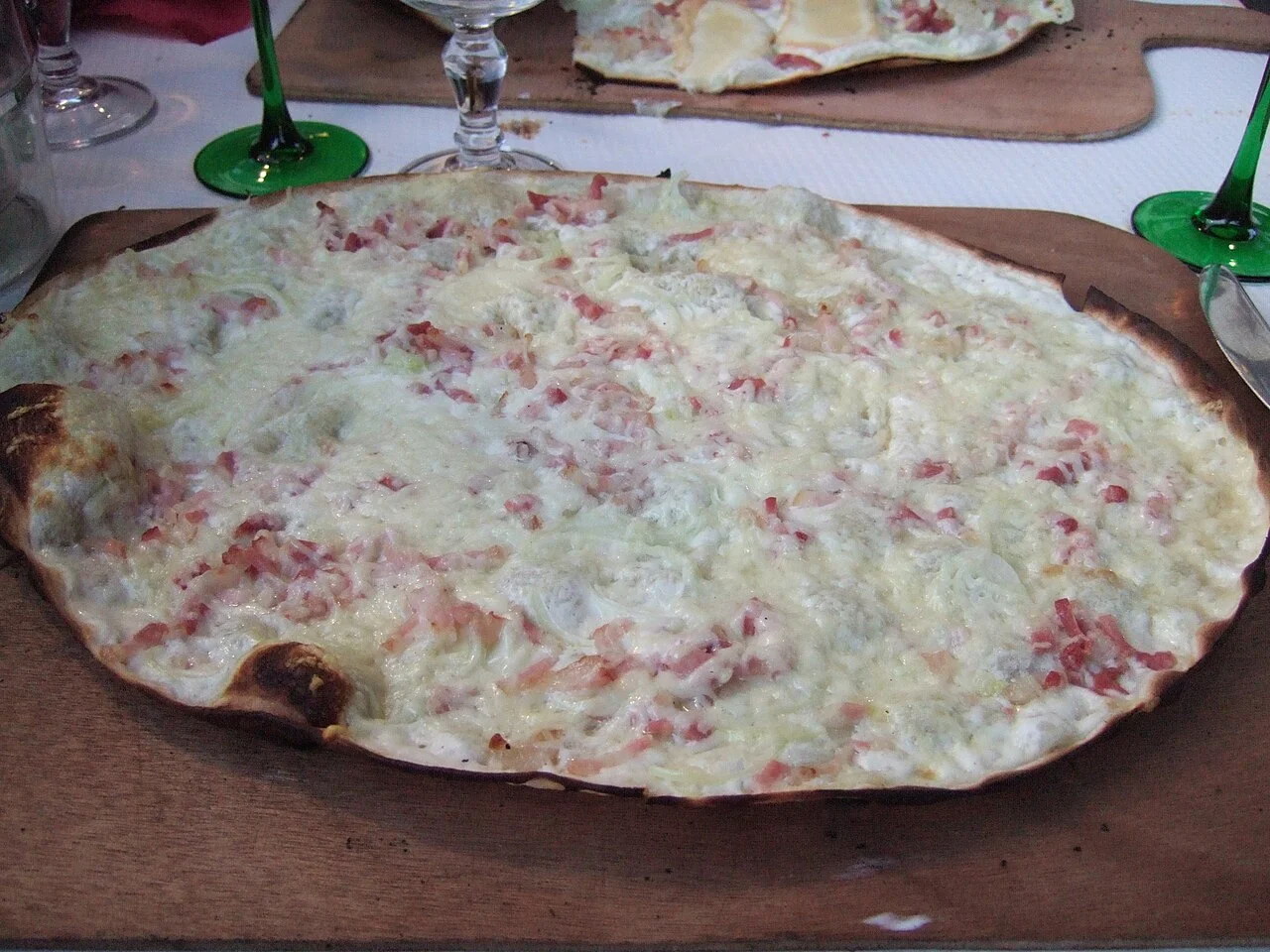
Flammkuchen appears within Saarbrücken's official culinary-tour account. A thin-dough serving might be considered for a smaller interval or a lunch choice, with quantities and toppings varying by presentation. If Dibbelabbes already forms the day's main food experience, Flammkuchen need not become an obligatory second large meal. Sharing, where offered, or moving the choice to another day may create an easier pace for a short visit. The example photograph was taken in Alsace in 2009. It illustrates the product's appearance, rather than documenting a Saarbrücken business, a current menu or the size of a serving available in the city.

If looking for a smaller meal during a central walk, consider this name separately from a dumpling or potato main. Travellers who want a short table interval and those waiting for a substantial dinner may have different needs. A shared outing can accommodate those differences without forcing everyone into the same purchasing sequence. If one larger plate has been enough until afternoon, later pauses can contain coffee or rest rather than more food. The Stork is not listing every variation here, but placing another menu word into an interval that fits the actual length and appetite of the visit.
A coffee interval in Nauwieser Viertel or Mainzer Straße
The official Saarland tourism route treats Nauwieser Viertel and Mainzer Straße among the city's food areas. Choosing one for a second-day outing may offer another perspective rather than repeating only the surroundings of the central square. Treat coffee as a sitting occasion of its own instead of a rushed final task on a food list. After a substantial central lunch, the interval can consist simply of a drink and conversation. The photograph is a general coffee illustration from Café Butter in Berlin, not a Saarbrücken cafe or a serving from a business mentioned by the regional route. A neighbourhood choice makes sense alongside the continuation of the walk and the eventual return.


For visitors wishing to remain central, accommodation around St. Johann can be evaluated alongside the food-and-walking plan. Staying in another area means setting the first stop and the return around the transport points actually needed. One sitting pause may be more realistic than placing a substantial meal and two coffees between train or hotel transfers. The drink need not contain alcohol: regional food culture can be approached with different beverage choices. This guide is not an evening booking programme. Its purpose is to connect several concrete products with different table settings, leaving each traveller room to choose a comfortable day.
A simple meal order for two days
Begin the first day with a central walk and a potato-based lunch around St. Johanner Markt. A coffee and short afternoon walk may be enough before ending the evening with a smaller choice. On day two, select Nauwieser Viertel or Mainzer Straße and compare another regional dish. Flammkuchen or a grilled option can create a meal that does not automatically repeat the previous day's main. This framework intentionally leaves space: the programme is not designed to occupy every minute with food. Walking, transport connections and rest remain part of the trip instead of intervals in which travellers must hurry towards another principal plate.
Sources were reviewed on 4 October 2026. An older culinary event's date and price have not been transferred into today's itinerary. Tourism sources support dish names and neighbourhood examples without supplying an invented personal visit. Leaving Saarbrücken with a few useful words is a good beginning: Dibbelabbes, Gefillde, Hoorische and Schwenker indicate different choices. Building one meal in which a product can actually be noticed may offer more than trying to consume all of them within a day. The Tatilmerkezi Stork leaves some appetite and curiosity for another visit, allowing this small culinary map to unfold at the rhythm of your own journey.