

Tatilmerkezi's Stork pauses above a yellow bridge in California's capital. Sacramento need not be a hurried stop overshadowed by coastal cities. Wooden sidewalks in Old Sacramento, open space around the Capitol and food pauses in Midtown invite a visit at several different scales. A worthwhile two-day programme does not require finishing the whole state; giving genuine attention to a few central subjects is enough.
This itinerary focuses on Sacramento itself. Nearby cities, wine areas and a larger California road trip deserve separate planning. The first day can concentrate on the river and history, with the second shaped around the capital's institutions and neighbourhood streets. Families, travellers who prefer shorter walks and anyone visiting in hot conditions can reduce the number of stops easily. Use photographs for atmosphere and institutional guidance for current access and reservations.
Old Sacramento: look beyond the historic facades
Old Sacramento Waterfront provides an understandable first-day anchor, with historic streets, the river and museums close to one another. Wooden walking areas and older facades are visually appealing, but this is more than a preserved backdrop. Visitors, workers and businesses use the district today. Take an introductory walk and choose a museum or story that interests you instead of making a task of entering every shop.
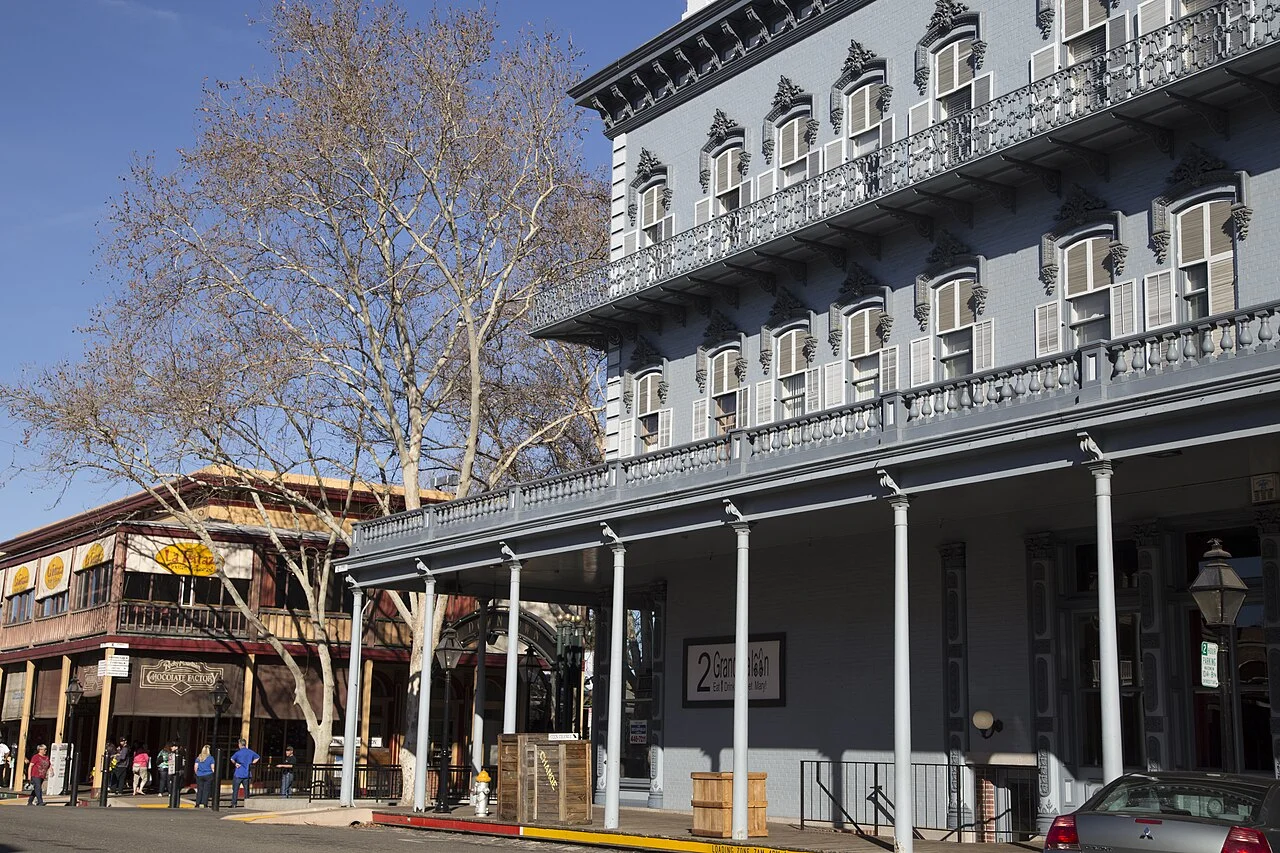

Surfaces and thresholds are not necessarily identical throughout the area. If using a stroller or mobility aid, assess the actual route and access conditions rather than assuming every historic block works equally well. Keep doors clear while photographing, and respect businesses' entry and photography rules. A sign appearing in an archival image does not confirm that the same business, menu or opening arrangement remains in place now.
Tower Bridge and the Sacramento River waterfront
The yellow structure of Tower Bridge gives the river outing a strong visual focus. Choose a manageable waterside section for changing views, without stepping into traffic or obstructing a crossing for a picture. The appeal is not only the straight-on bridge photograph, but also the way water and city lines work together. Morning and later light can offer different moods, although a travel guide cannot guarantee a perfect photographic hour.
Keep children close near the river, take water access seriously and pay attention to weather advisories. If a boat excursion appeals, check departure, booking and operating conditions separately. Arriving at the waterfront and joining a tour are different plans. The cover photograph was taken in 2014: it helps explain the geography but does not report today's river level or the availability of a particular riverside path.
Railway stories: separate the museum from the outdoor scene
The California State Railroad Museum can add an engaging cultural section about railways and regional development to an Old Sacramento day. It may appeal to adults and children interested in trains, but the visit need not become only a collection of vehicle photographs. Exhibition context helps connect a transport network with the cities and people it affected. Review the museum's official information for current tickets and visiting arrangements.
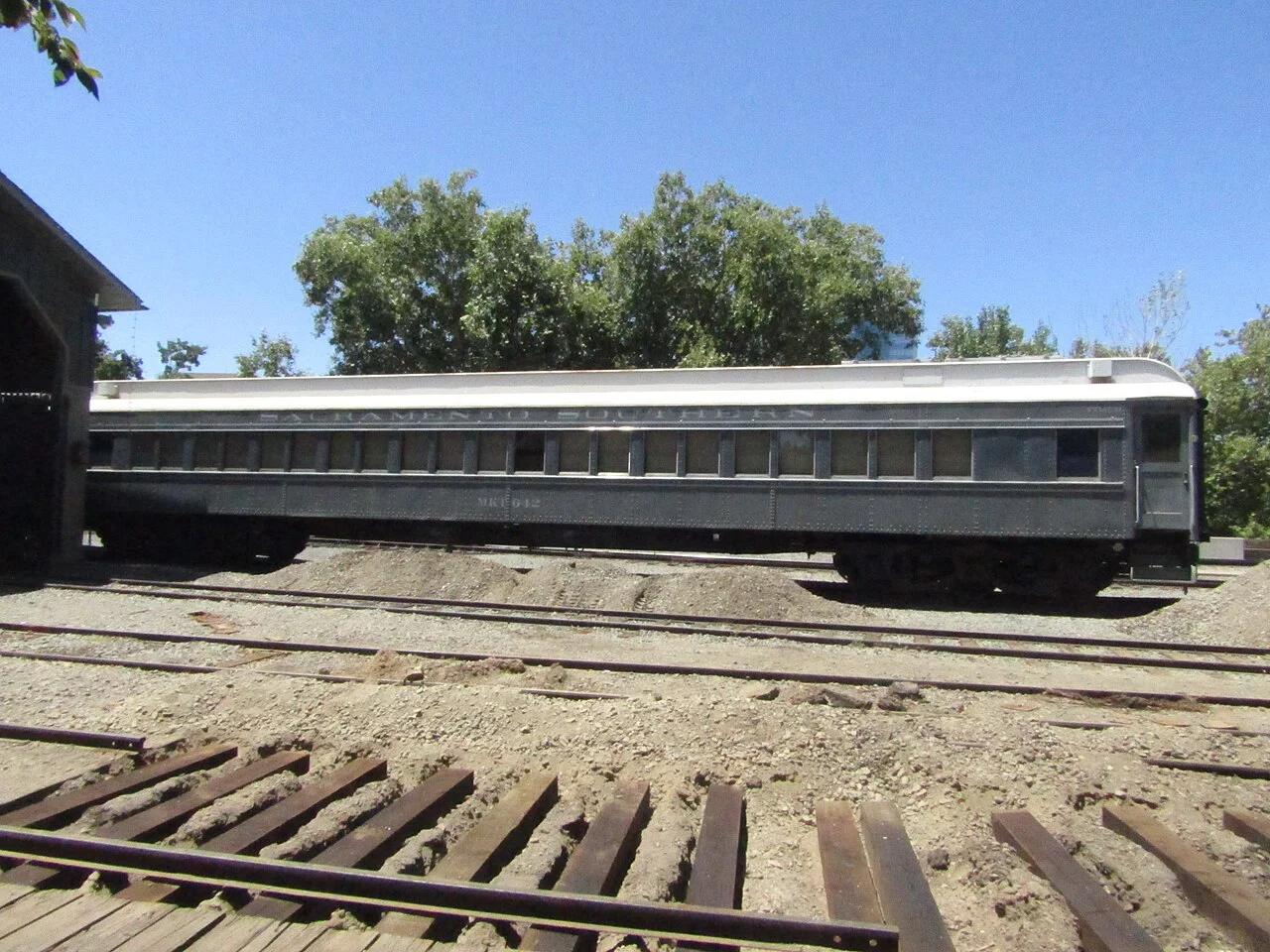

The train photograph in this guide records an outdoor railway scene in the Old Sacramento Historic District in 2023. It does not show that all museum galleries are currently open in the same form or that the photographed carriage provides an operating excursion. A gallery visit, seeing rolling stock outside and a possible rail experience each need their own up-to-date information. Choose the part that best suits your interests and available time.
California State Capitol: understand the state-capital role
The California State Capitol surroundings make Sacramento's role in state government visible. An exterior view and a suitable walk around Capitol Park introduce a different city setting from the river district. For entering or joining a tour, follow the Capitol Museum's current instructions. Security procedures and available entrances can change around public institutions, so copying a fixed access point or tour time from an older guide is unhelpful.


If architecture interests you, look at the relationship between the facade, dome and surrounding open space. Without an appetite for a lengthy interior visit, a shorter exterior stop can still be worthwhile before moving to another neighbourhood. Trees, lawns and places to pause can improve the outdoor experience, but signs and access directions on the day take priority over a general itinerary.
Sutter's Fort: consider more than one historical perspective
Sutter's Fort can enter the second day's historical programme, but it is not the same location as the Old Sacramento riverfront. Plan the journey and time separately. California State Parks explains that it is revisiting the site's interpretation with greater inclusion of Indigenous peoples' experiences. That makes it important to approach the visit as more than one settler's success story or a romantic photograph of a frontier-era structure.


Read the institution's interpretation, notice whose experiences are included and avoid filling gaps with unsupported stories. Use the official park page for exhibition redevelopment, programme and visitor information. The exterior photograph in this guide dates from 2015. It identifies the physical place without implying that a new interpretive programme is complete or that the present interior arrangements match the image's period.
Midtown, local food and selecting a base
Midtown can provide a pleasant second-day section built around coffee, food and streets rather than a search for one mandatory landmark. Plan a few blocks at a time instead of spreading the entire central city across the afternoon. Sacramento's farm-to-fork identity is a useful invitation to ask what is seasonal on a menu. It should not become a blanket guarantee that every restaurant sources every ingredient from the same local area.
Look at the menu being served on the day, consider sharing dishes and explain allergies clearly. Downtown can enter the accommodation comparison for a first visit centred on the river and Capitol; Midtown can suit a programme leaning towards neighbourhood atmosphere and dining. Compare actual journeys to your preferred stops. Parking, evening surroundings, luggage arrangements, stairs and total cost can make two properties with the same district label quite different choices.
A two-day plan and arrival preparation
For day one, keep Old Sacramento, a Tower Bridge view and an optional Railroad Museum visit together. Begin day two around the Capitol, then organise Sutter's Fort and Midtown according to transport and energy. In hot weather, move exposed walks to a more comfortable part of the day and use the middle for an indoor visit or a longer meal. The Stork's suggestion is to enjoy a smaller number of stops properly rather than stretch the map for its own sake.
SacRT's Route 142 Airport Express information can help plan a central connection from Sacramento International Airport. Check the current timetable for your actual terminal, arrival and final service, rather than assuming a fixed interval from this guide. Airport travel and other city routes should not automatically be combined under the same ticket or journey-time assumptions. Sources were reviewed on 3 October 2026 and the photographs are licensed archival scenes. Recheck transport and visitor conditions before departure, then discover this riverfront capital at your own pace.