
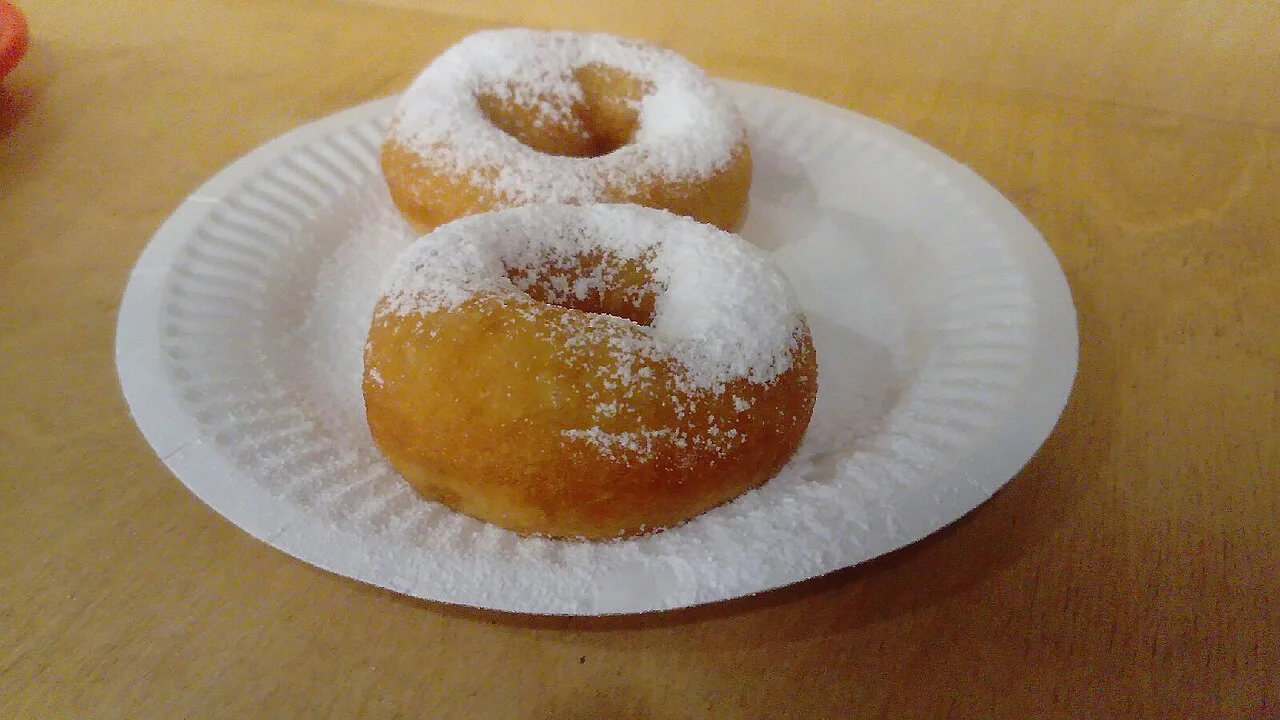
A Saint Petersburg food day can build small but worthwhile stops between palace and canal. Tatilmerkezi Stork suggests beginning with blini or syrniki, a pyshki pause during a walk and one evening reserved for a chosen warm meal. Every stop need not become an elaborate restaurant experience. Some tables can form a main part of the day, while others provide a short rest. Rather than summarise the city through one Russian dish, investigate several preparations across the journey. Pastry at one point and fish or soup at another gives each a clearer place than assembling every choice into the same dinner. Match the meals to your actual Nevsky, Palace Square and Griboyedov programme instead of crossing the city again to reach each table.
A brief city pause for pyshki
Pyshki offer a concrete sweet pastry name to investigate in Saint Petersburg. Official city tourism lists Pyshechnaya at 25 Bolshaya Konyushennaya alongside this tradition. Consider the address for a shorter walking pause rather than a principal meal. Coffee or another drink can accompany an order shaped by how much sweetness you actually want, leaving room for the next meal. A hurried museum-morning breakfast need not revolve entirely around pyshki; a more flexible afternoon walk may suit the stop better. Confirm the business's current serving and address information through its own material or the official record.


Do not turn the pause into an obligatory photographic activity requiring a long wait regardless of the day. Decide according to the actual queue and time available; every trip need not reach exactly the same business. With more walking ahead, a smaller sweet order and drink may be enough. If comparing preparations interests you, leave another example for a different day's pause. The pastry also belongs to everyday city life, not only an account of the past. Choose how long to sit or stand in relation to any museum appointment rather than leave the connection to chance.
A breakfast idea with blini, syrniki and mors
Saving blini or syrniki for another morning gives the journey a fresh starting point. Teremok's operator menu lists sweet and savoury blini alongside syrniki. A substantial filling and a sweet version serve different needs, so choose a direction appropriate to the day's walk. Syrniki need not be an obligatory extra plate with blini; investigate them as an alternative breakfast. You may encounter the drink name mors, but the fruit and serving belong to the real product you choose. Before an early museum entry, a shorter seated meal followed by a walk may work better than a prolonged breakfast.


On a flexible canal morning, allow more time at the table. A modest neighbourhood walk afterward creates a more balanced day than immediately seeking another snack. If the hotel provides breakfast, consider the outside dish as a later pause rather than an unintended second complete meal. Do not assume every branch of a chain shares every product or service arrangement. The actual address, current items and meal time should be evaluated together. A dated breakfast image introduces one preparation; today's order belongs to the particular business's real menu.
Choose a focus for soup, pelmeni or a longer dinner
For lunch or dinner, choose the soup, pelmeni or warm main you actually want to investigate. Gogol's operator menu, for its Malaya Morskaya 8 address, includes borsch, ukha, pelmeni and Stroganoff. Divide these between meals rather than convert them into a compulsory tasting set. After a museum, a longer seated evening can provide a principal meal, while another daytime appointment may call for a shorter lunch. Before ordering both soup and a substantial hot plate, consider your appetite and the walk afterward. A dish name does not guarantee identical presentation at every branch or on every date.


For an interest in fish, investigate the name koryushka, or smelt, which appears in official city food-related information. It should not be presented as a compulsory dish available in every restaurant throughout the year; use the actual menu and seasonal information. When choosing fish, soup or another warm preparation, establish ingredients through the business's description. Dinner need not determine the entire sightseeing day, although a longer table benefits from having its reservation and location arranged. It can become a good place to discuss the art seen earlier. Ordering a dish you particularly enjoy again is also a sensible choice; a journey does not require pretending to have explored an entire cuisine.
Place meals in palace and canal days
On a Hermitage day, avoid placing the museum programme and lunch within a narrow sequence of appointments. After Palace Square, think about the collection visit's real duration and give lunch separate seated time. On a Nevsky day, Kazan surroundings can form a walking anchor, with a pyshki pause on the outward or return route. Beside Griboyedov Canal, investigate nearby real options before making another district necessary for the meal. These days need not reproduce the same restaurant list: give each a different plate and a different length of table time. A meal is one way of staying within a neighbourhood, not merely the interval between transfers.


When comparing accommodation, examine the real hotel address and return from the evening table rather than rely on a general claim of centrality. With children or companions of different interests, everyone need not want the same large plate. Consider shared choices alongside individual main meals. Tea, coffee or the business's current non-alcoholic drink can finish the table at your chosen pace. Add dessert because you actually want it, not because it occupies the next place on a list. In a two-day example, the first might begin with blini and include a short afternoon pyshki pause; the second could use another breakfast and a longer evening meal. Stork's Saint Petersburg food programme follows a small curiosity through the streets and gives it a proper stopping place at the table.