
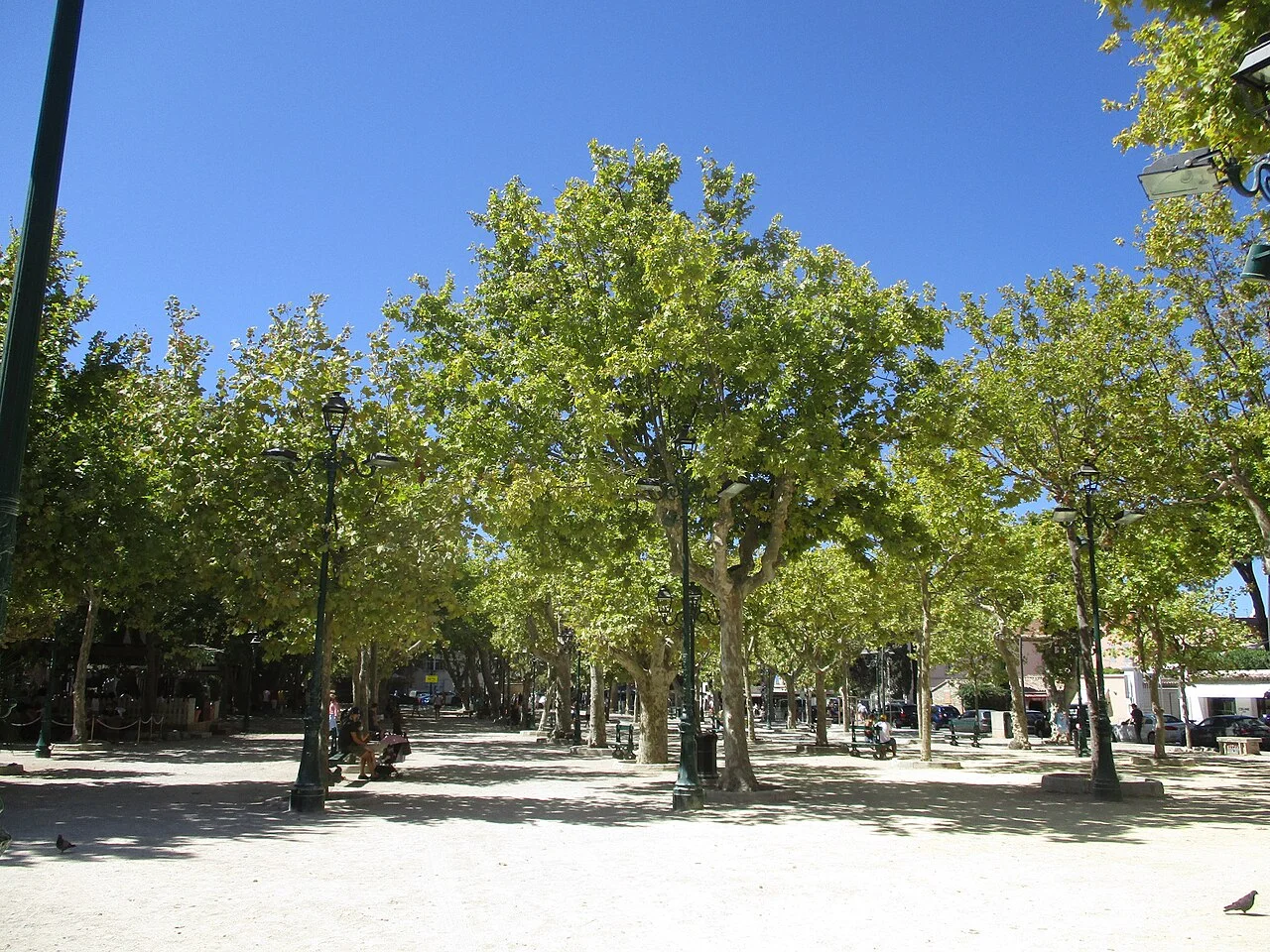
What to eat in Saint-Tropez is not just a question of securing a famous terrace table. Tatilmerkezi's Stork is packing a different kind of plan: a modest sweet stop, market shopping when the schedule fits and a considered meal near the water. Choosing the food, portion and service you actually want can make both the day and your spending easier to manage than choosing solely by a glamorous address.
This food guide does not repeat a sightseeing checklist. It focuses on pauses, questions to ask about products and ways to balance the meals of one day. Sources were checked on 3 October 2026. We do not claim fixed prices, today's menus or personally tested restaurants. Photographs are dated archives; the dessert photographed in Neuilly-sur-Seine is explicitly used as a product example.
Tarte Tropézienne: ask more than the name
Cream-filled brioche makes Tarte Tropézienne one of the recognisable sweets associated with Saint-Tropez. The useful question is not only where to photograph it but how much you want to eat. Instead of forcing dessert after a large meal, reserve a small portion for a coffee break. Ask about serving sizes, takeaway and sharing options rather than estimating them from the cakes in a display.
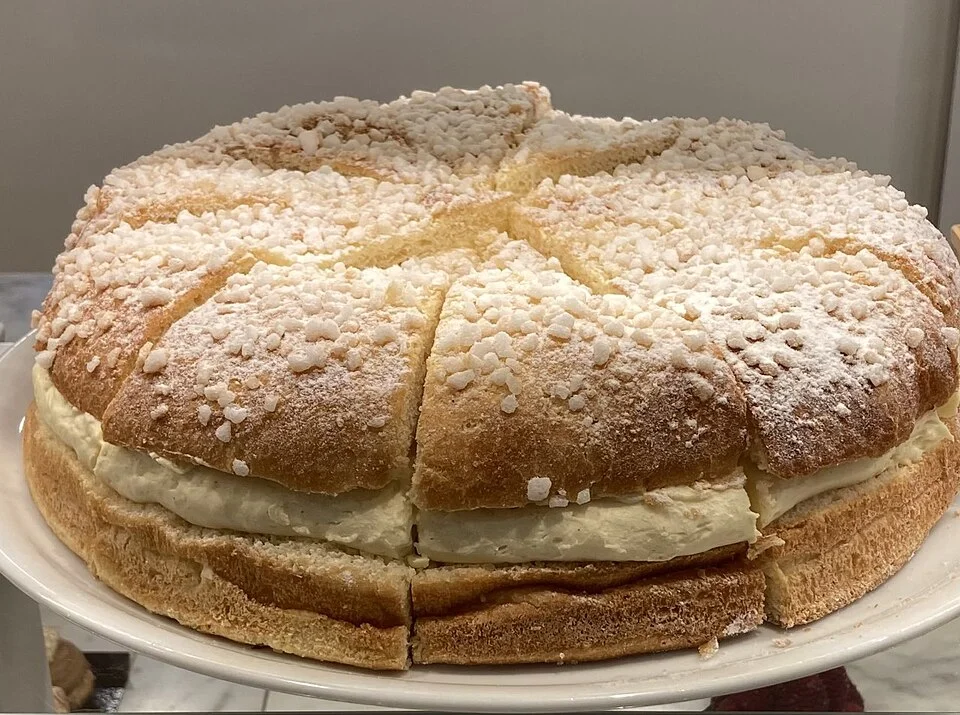

With an allergy or dietary requirement, ask about the dough, filling and finishing ingredients separately. Appearance is not a reliable guide to milk, eggs or gluten. Our close-up product image was taken in Neuilly-sur-Seine in February 2021. It is not a photograph from a pastry shop personally tested in Saint-Tropez. Use it to recognise the style of dessert, not as a guarantee of a business's flavour, recipe or service.
A pastry stop: consider the day before the display
Treat a pastry-shop visit as a short break in your central walk. Buying close to the time you intend to eat reduces the need to carry food around for hours. Follow the seller's storage advice for cream-filled products. Do not build an itinerary around leaving them in a hot car or bag. If you are buying a gift, explain the length of your journey and ask whether the chosen product is suitable.
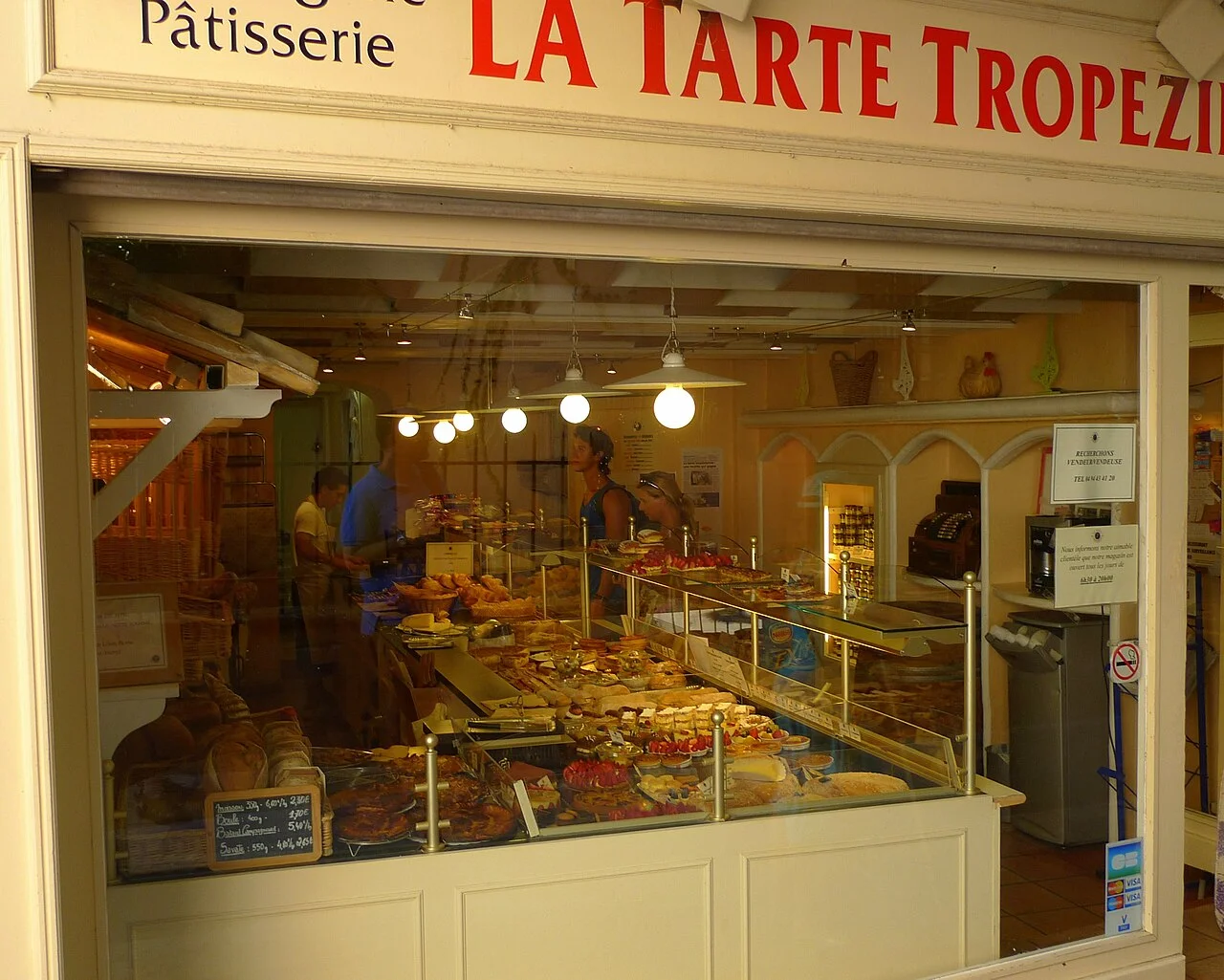

The 2009 photograph of a La Tarte Tropézienne display belongs to the Saint-Tropez archive. It does not show current opening hours, prove that the same display remains in place or promise that identical products are still sold. An archive can illustrate the town's food identity; a present-day decision needs current business information and the actual menu. The Stork's suggestion is to avoid tying every meal of the day to one celebrated name.
Place des Lices: turn a market visit into a meal idea
The Tuesday and Saturday morning market listed by official tourism can be part of your plan. A small purchase of produce, cheese or olives may provide an alternative to a long restaurant stop. Do not assume that every stall serves ready-to-eat food. Some items may need washing, preparation or cool storage before they are appropriate for lunch.
Start with a short look around after breakfast, then choose amounts you can genuinely use. That approach can reduce waste and the burden of carrying unnecessary shopping. If a tasting is offered, ask about its conditions; permission to take a photograph and permission to handle a product are separate matters. On a non-market day, choose an available bakery or shop rather than attempting to recreate a market menu. Our image shows the square without stalls, not today's range of products or crowds.
Olive oil and Provençal products: reading the label is discovery
Olive oil, olives and aromatic herbs can be an enjoyable starting point for learning about regional flavours. Saint-Tropez printed on a bottle does not prove that every ingredient was produced in the town. Ask about origin, producer, package size and suggested use. Read the ingredients of mixtures such as tapenade carefully; do not assume that every recipe is free of fish ingredients.
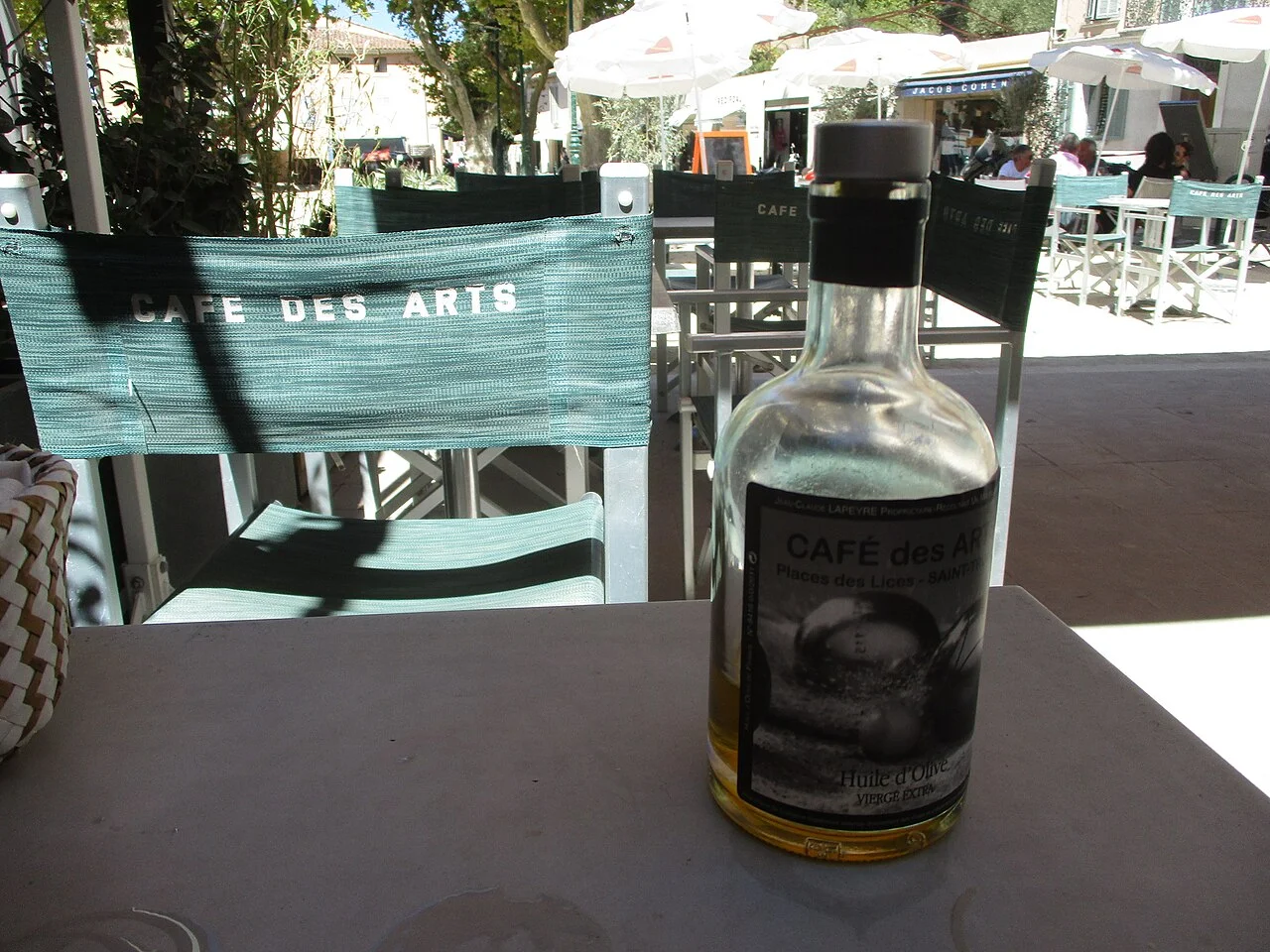

Bread, a sensible amount of fresh produce and drinking water can make a simple portable meal. Think separately about where you may sit and how you will take litter away. Market purchases and restaurant service do not need to compete for the title of the better experience; choose what suits your day. The photograph shows an olive-oil bottle at a café near Place des Lices in 2020. It is not evidence of today's stock or an endorsement of a producer.
A harbour meal: separate the view from the menu
When choosing food by the harbour, distinguish a sea view from the contents of the plate. For a seafood meal, ask what is available, how it is cooked and whether the portion is charged per person or by weight. A menu may suggest the atmosphere of a fishing town, but you should not assume every product was caught in this harbour that morning. Asking about origin gives curiosity and spending control a practical form.


You do not need several rich starters and a dessert in the same meal. Decide on a main preference, ask what comes with it and add extra dishes only if you want them. Discuss seafood allergies or other dietary requirements directly with the business. The port photograph beside this section shows boats. It is not a photograph of a dish or restaurant and does not provide evidence about fish freshness.
A one-day food route: three pauses can be enough
Begin with coffee and a small breakfast that suits your needs. On a market day, put shopping near Place des Lices in the morning portion of the itinerary; otherwise consider a pastry stop after walking. Choose either a restaurant lunch or a portable-food plan rather than automatically doing both. Sharing a sweet later in the afternoon may leave more comfortable space for short breaks.
For dinner, compare menus in the side streets, around the square and by the harbour. During busy periods, check reservations, cancellation terms and service times. Allow time for the last boat or return transport if you will be waiting for a table. A lovely morning market idea is not a reason to forget how you will get back that night. Food planning works best when it supports the rest of the journey.
Accommodation and transport: match meals with the last mile
Staying centrally may make walking to meals simpler, although nighttime activity and parking might matter to you. With accommodation elsewhere on the peninsula, solve the journey back from dinner before reserving. Official Saint-Tropez transport information discusses rail, bus and sea options separately. Ask the operator whether the relevant connection runs on your specific date rather than treating a general list as a timetable.
With children, do not organise every meal around an adult tasting checklist. Consider uncomplicated choices, drinking water, toilets and earlier pauses. Manage spending through the menu actually displayed, portion sizes, service and drink preferences instead of invented average prices. For Tatilmerkezi's Stork, a good food route is not the longest list of expensive-looking stops. It is a day finished happily after understanding and choosing a few products well.