
São Paulo can initially look like an endless sea of buildings. The Tatilmerkezi Stork suggests giving each day a different scale rather than squeezing the metropolis into one view: a walk around Paulista, a market and theatre in the historic centre, and a long pause beside the lake in Ibirapuera. Distances then become a planning tool rather than the force controlling your holiday. This guide is designed for a first visit of three days. Street life, green spaces and meaningful meals provide the structure; completing every museum collection is deliberately outside the plan. Choose a few connected stops and give each neighbourhood enough time to make an impression.
Paulista: read the city through one walk
Keep the first day around Paulista. Pick a starting point that is convenient from your hotel, then follow the avenue in one direction instead of repeatedly doubling back. Entering one exhibition that actually interests you is more satisfying than trying every cultural venue. Trianon supplies the green interval in this urban corridor: the municipal park record describes a remnant of the city's original Atlantic Forest vegetation. Combine a short walk beneath the trees with a coffee break nearby. The change from broad pavements to small shaded paths is an approachable introduction to São Paulo's contrasting scales. Choose dinner in the surrounding area rather than travelling to a distant district on arrival day. A deliberate local meal helps keep transport fatigue from dominating your first evening.


Mercadão: lunch in the historic centre
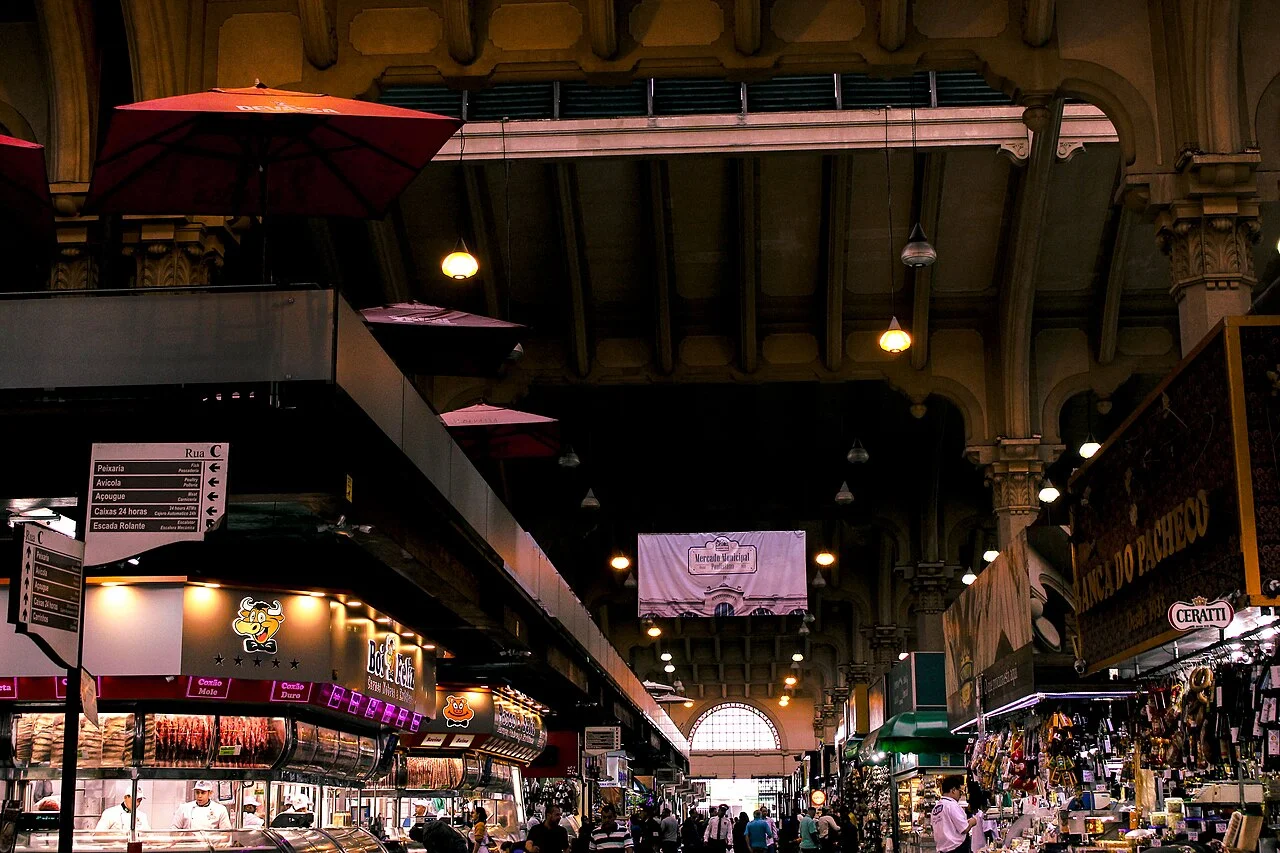
Make Mercado Municipal the centrepiece of the second day. This historic market on Rua da Cantareira opened in 1933. Municipal sources describe its meat, spice, fruit and vegetable stalls, alongside the mortadella sandwich and pastel de bacalhau. Walk through before choosing lunch rather than committing to the first counter you see. Think of the mortadella sandwich as a substantial meal and the pastel as fried pastry with a salted-cod filling. Two visitors who want to try both can share and leave room for a lighter evening. Looking at fruit varieties and buying a modest amount turns the visit into more than a photographic stop. Do not squeeze the market between several lengthy museum visits: allow a proper lunch block and time to enjoy the atmosphere at walking pace.

Theatro Municipal: a cultural stop in the centre
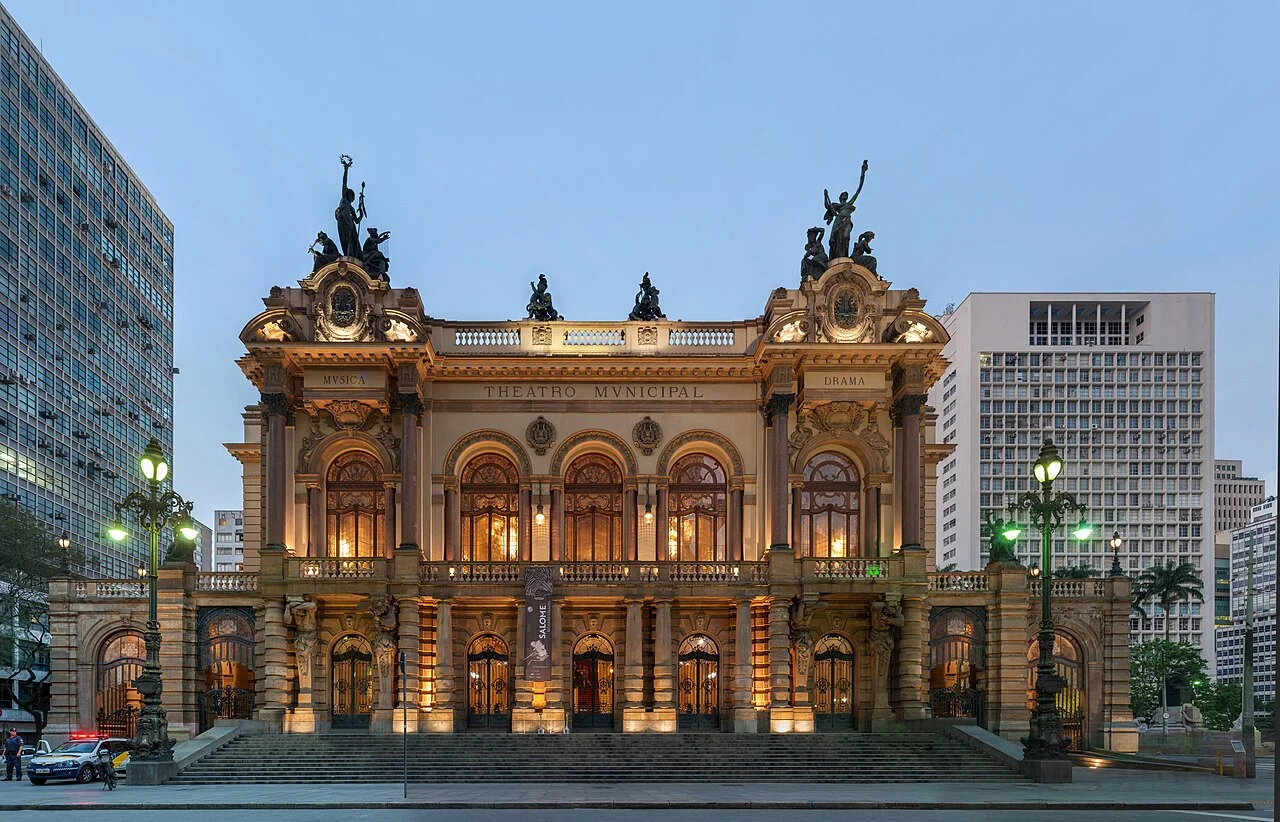
Theatro Municipal is the second anchor for the central-city programme. Its own historical publication identifies the opening in 1911 and the Modern Art Week in 1922. Viewing the facade and visiting the auditorium are separate experiences. If the interior matters to you, choose an educational visit or a performance from the institution's programme for your travel dates; arriving outside the building does not by itself provide access. Include the square and nearby architecture in a daytime walk, then use a planned connection back to your hotel or next stop. The market, theatre and streets between them provide a satisfying half-day without collecting every historic building. In wet weather, a selected indoor activity can become the focus rather than a last-minute attempt to keep an outdoor checklist intact.

Liberdade: another rhythm in smaller streets
Plan Liberdade as a separate afternoon walk with a meal or drink. The municipal tourism routes treat it as an independent cultural destination. Moving from the main square into smaller streets brings shop signs, food businesses and changes of scale into view. Rather than arriving for a single photograph, sit down for tea or something sweet and compare menus for a meal. Japanese-food connections provide options such as a noodle bowl or shared small plates, which can balance a heavier market lunch. Do not assume that every business serves one identical cuisine: the neighbourhood has several layers. A busy weekend and an ordinary weekday walk can feel different, so give the programme a flexible hour instead of expecting the same street scene at every visit. Keep the emphasis on exploring and eating at a comfortable pace.


Ibirapuera: open the third day beside the lake
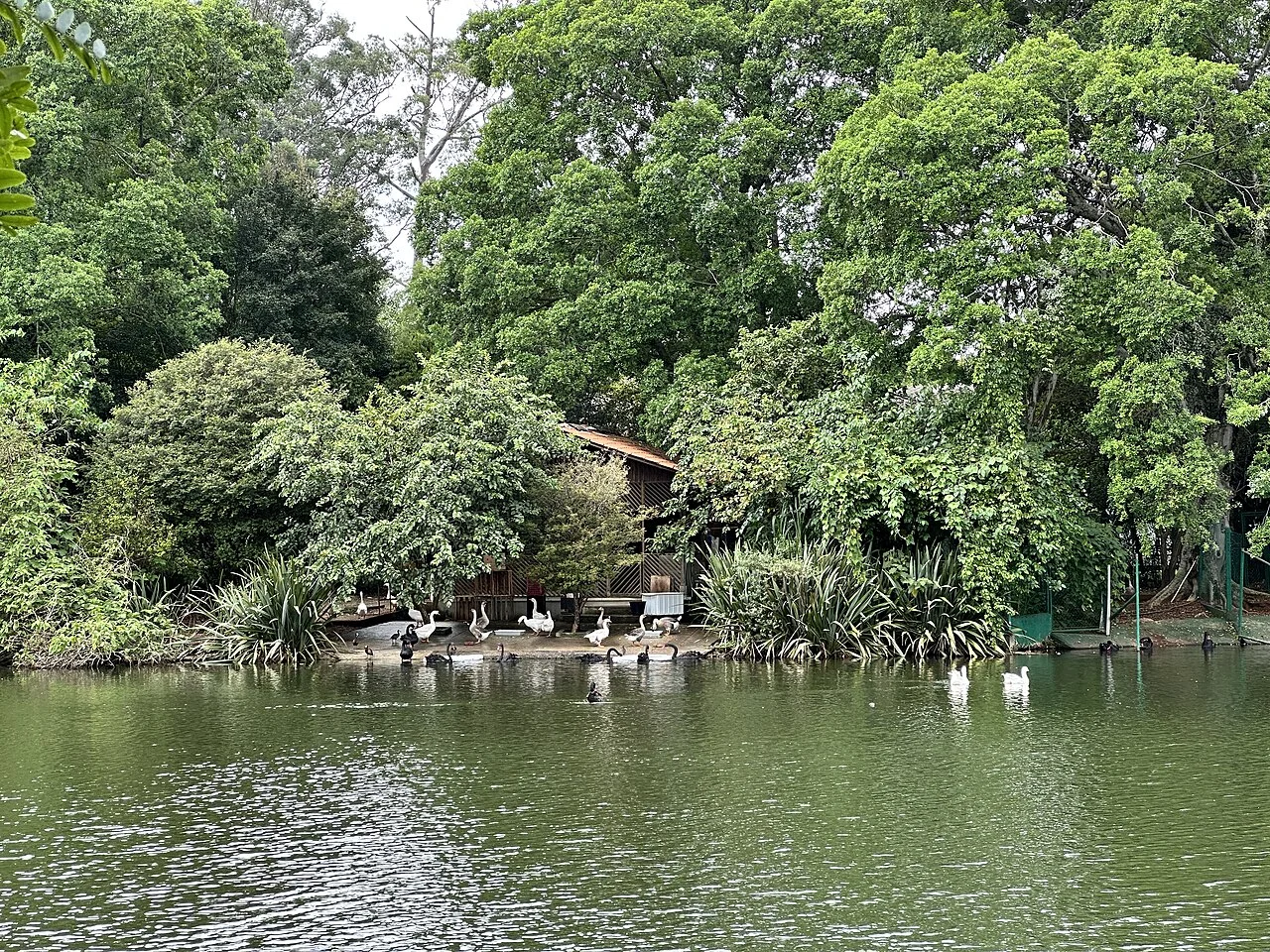
Start the third day more slowly in Ibirapuera Park. The municipal park page lists walking and running paths alongside different places to rest. For a first visit, choose a modest loop near the lake rather than trying to cover every section. Pause on a waterside bench, then return along a shaded path. Cultural institutions within the park deserve their own time; if you add an exhibition, shorten the outdoor loop accordingly. Carry water, increase rest breaks in sunny weather, and leave a generous transport margin if your flight departs that evening. The Stork's advice for this day is straightforward: you need not escape the metropolis entirely to find a quieter rhythm. A deliberate green morning can make the remaining urban programme much easier to enjoy.
Choose transport and your hotel area together
A useful hotel choice in São Paulo involves more than the room. Staying around Paulista can simplify the first day's cultural walk, while the Liberdade area may suit a visit concentrated on the neighbourhood and central districts. Compare the exact address, walk to a metro station and evening return route together on a map. Use the official Metrô Sua Viagem information for lines and stations; do not assume that connections between different operators always mean one ticket or a fixed journey time. Plan the airport arrival separately and consider reducing transfers when carrying luggage. Avoid a day that repeatedly jumps between Paulista, a distant restaurant, the centre and the park. Grouping nearby stops saves energy and can also make spending more predictable, without relying on invented fares or optimistic travel estimates.
Adapt the three days to your interests
For a short trip, reserve day one for Paulista and Trianon, day two for the market and theatre, and day three for Ibirapuera plus a meal in Liberdade. If you move Liberdade into the second day, reduce the number of central stops rather than simply extending an already crowded itinerary. Families can expand the park block; performing-arts visitors can make a chosen theatre performance the evening's main event. Food enthusiasts can follow the mortadella and pastel lunch with one carefully selected dinner in another neighbourhood. The size of the city need not dictate an enormous checklist. A rewarding São Paulo visit is one in which you stop long enough to distinguish a few everyday rhythms, not one in which you race through every marker on the map.