
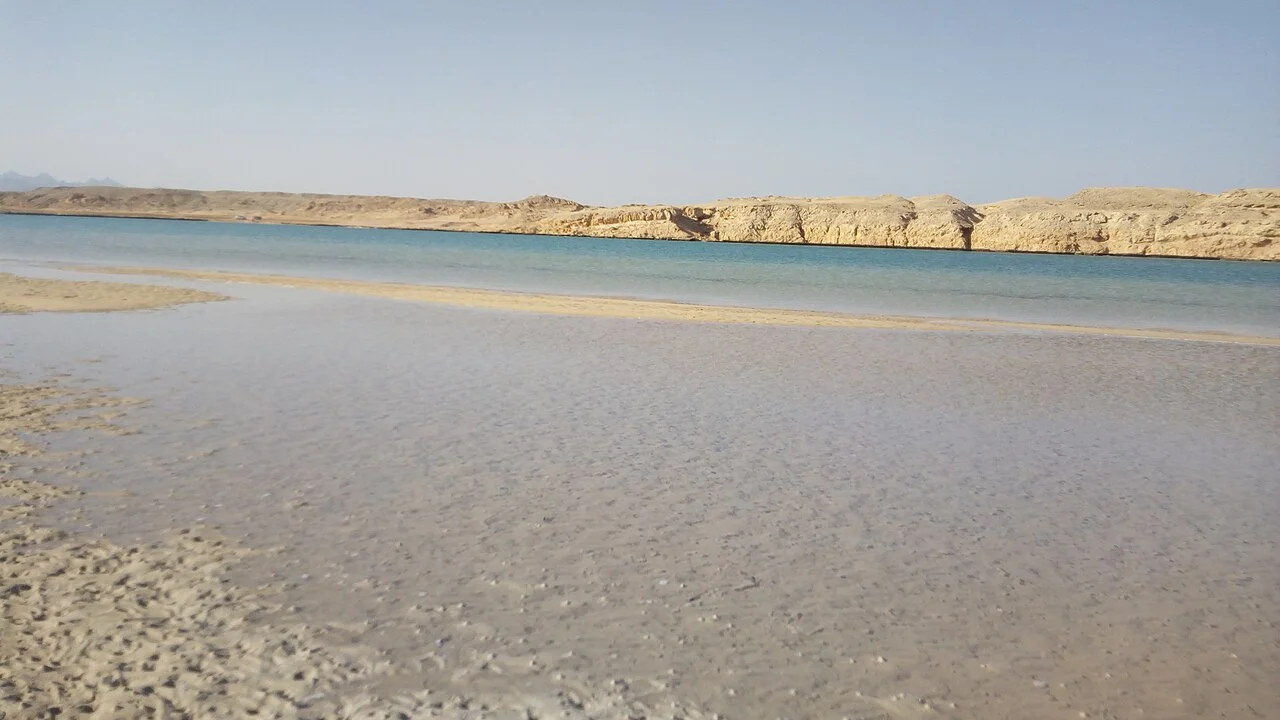
The Tatilmerkezi Stork heads to the southern tip of Sinai, where dry mountains rise behind the blue waters of the Red Sea. Sharm el-Sheikh deserves a plan that goes beyond a hotel pool and buffet. Naama Bay offers a useful centre for evening walks and meals, Ras Um Sid has a different rocky coastline, and Ras Mohammed and Nabq give nature a substantial place in the itinerary. A rewarding visit comes from choosing these experiences deliberately, rather than trying to fit every bay into one crowded day.
This guide concerns Sharm el-Sheikh in South Sinai, Egypt, rather than Hurghada on the other side of the Red Sea. Beach access, a marine excursion and a protected-area visit require separate arrangements. Organising each day around one main outing and one satisfying meal leaves space for the landscape itself. Official sources were checked on 4 October 2026. The plan contains neither invented personal travel memories nor promises about fixed prices, wildlife sightings or unrestricted access.
Naama Bay: a base for walks and evening meals
For a first visit, Naama Bay is a useful place to understand how the resort city relates to its shore. Start by checking how your accommodation connects to the beach. The area you can walk through and the private beach used by a particular hotel may be different. Keep a morning for getting your bearings and an evening for eating and walking in the same neighbourhood. This creates a manageable day without arranging two separate cross-city journeys.
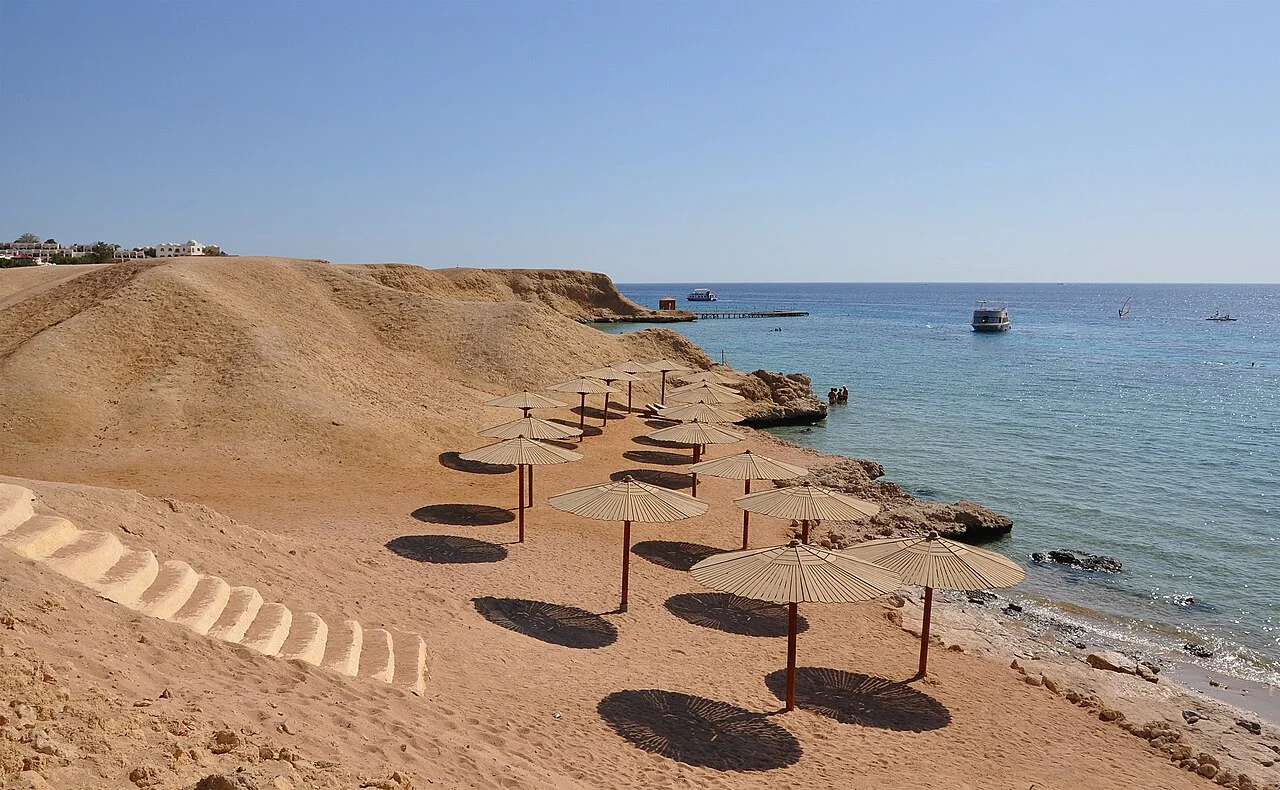

Staying near Naama can suit travellers who want to go out for dinner regularly. Someone seeking quieter, longer resort days may favour accommodation elsewhere with clearly explained beach arrangements. The accompanying photograph records a private beach in 2009; it is not an offer of free public admission or a statement about its present operator. Choose your base by the distance between your room and the activities you actually want, rather than the number of loungers in an old photograph.
Ras Um Sid: a different day on the rocky coast
Ras Um Sid offers a coastal setting distinct from Naama's central atmosphere. Think about access down to the shore, the facility you would be using and the way you would enter the water. Looking across the bay from a cliff, swimming and snorkelling are different activities. The Gold Beach photograph was made around Reef Oasis Beach Resort, so this guide does not present that particular scene as an unrestricted public beach.
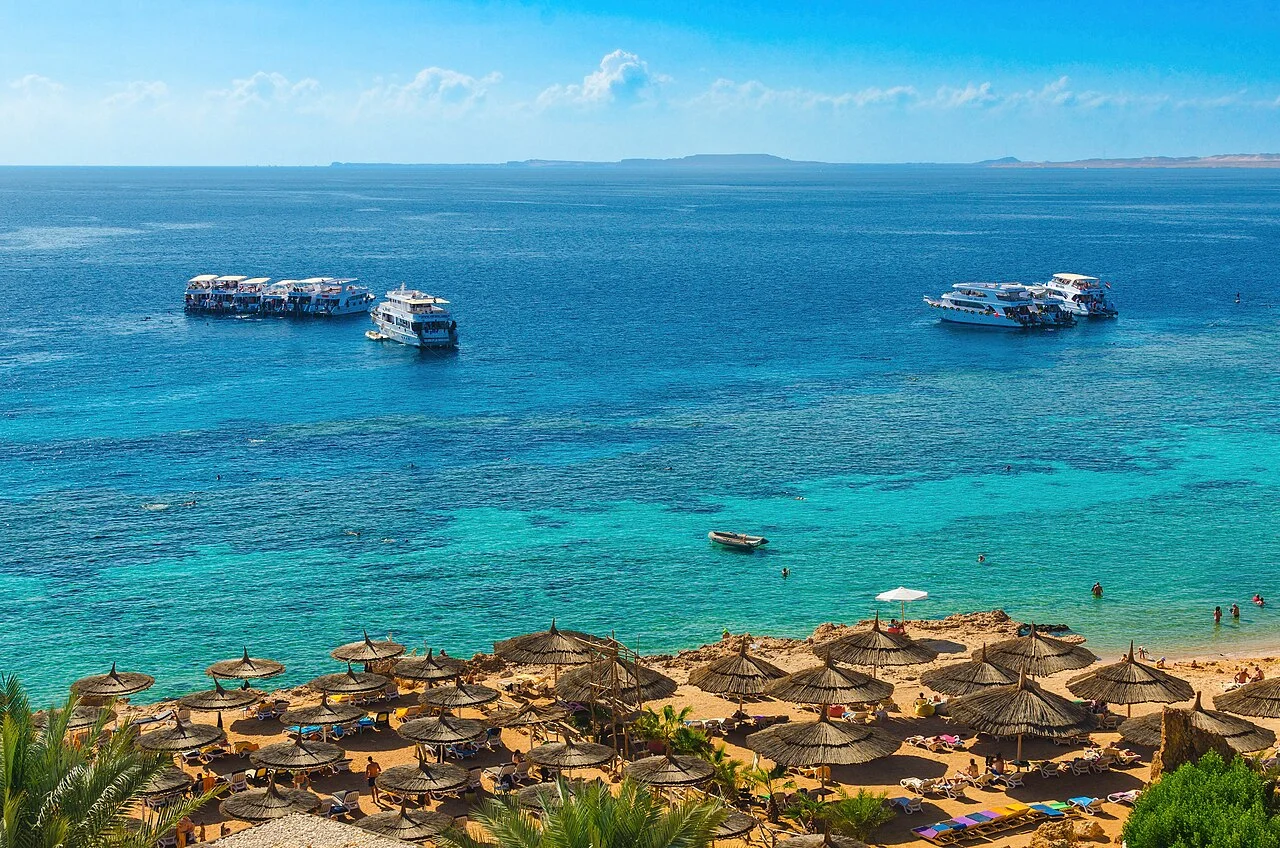

Give the coast a specific part of the day and allow time to rest afterwards, rather than treating every viewpoint as another compulsory stop. If you want a water activity, discuss your experience with a licensed operator. Egypt's official tourism information associates sites such as Jackson around Tiran with experienced divers; it would be misleading to describe every reef as appropriate for someone's first immersion. Encounters with particular marine animals cannot be promised either. A sensible plan matches the outing to the people taking part.
Ras Mohammed: a nature day for bays and mangroves
Do not treat Ras Mohammed as simply an extension of your hotel's beach. Its bays, coastal forms and mangroves can justify a separate nature day. A land visit and a boat programme do not show the same places in the same way. Compare the actual stops, transport and pace before deciding which experience interests you. Leave enough time for that choice instead of trying to insert it between a late breakfast and a rushed evening transfer.
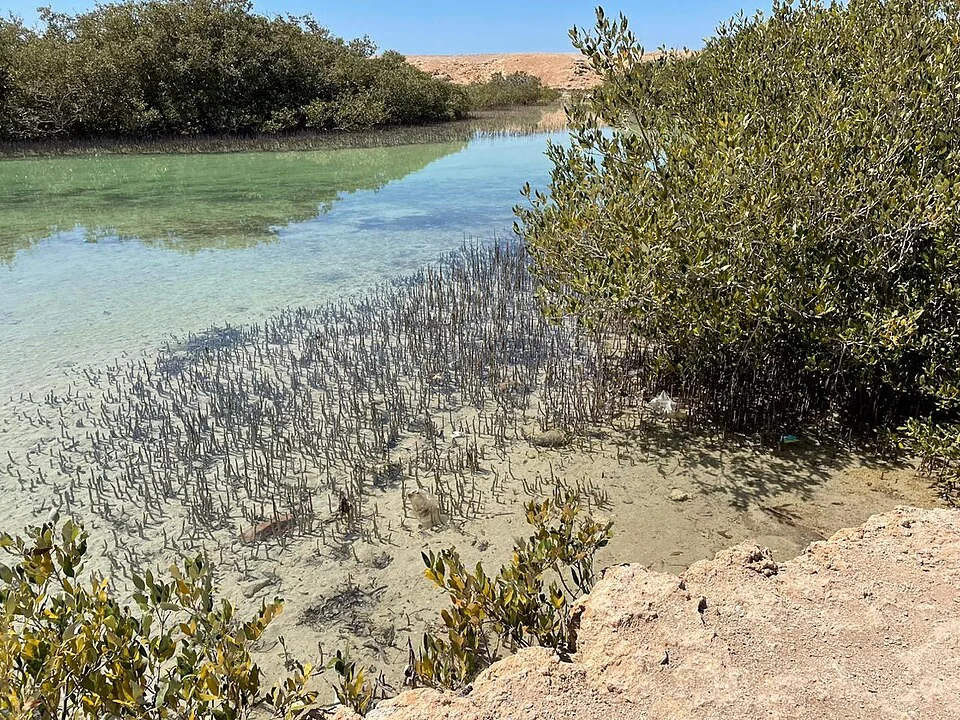

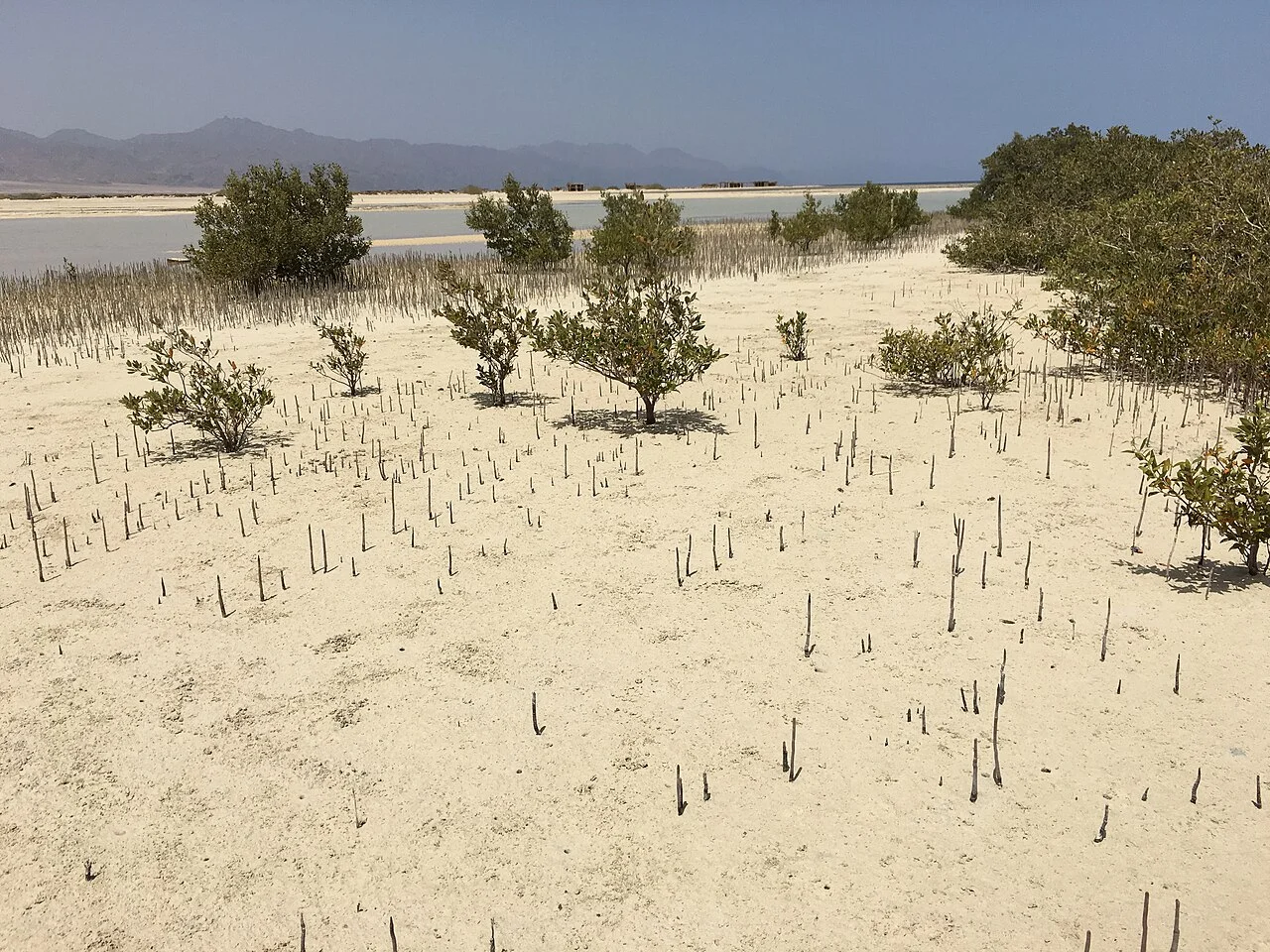
The mangrove photograph is a reminder that this shore is more than sand and sunshine. Notice the roots, the colour of shallow water and the contrast with the surrounding dry terrain. Enjoying a natural place does not mean rearranging it for a photograph: keep to the operator's permitted route and leave coral and wildlife untouched. The bay and mangrove images in this guide represent two separate scenes, giving a clearer sense of the coast than repeated crops of one attractive picture would.
Nabq: distinguish the protected coast from the hotel area
The name Nabq appears both in accommodation searches and in discussions of nature outings. Having a hotel in the Nabq area does not mean that you are staying inside the protected landscape or have purchased a visit to it. Establish that distinction before booking so that the middle of your holiday is not spent resolving a mistaken expectation. The open shore and mangrove surroundings in the photograph do not depict a hotel's pool complex.

Compare your hotel's beach arrangements with the evenings you would like to spend around Naama or the Old Market. Families wanting long days at one resort and travellers hoping to try a different dinner setting each night may choose very differently. If the natural area interests you, arrange its visit separately with an appropriate operator. A hotel's district name cannot establish what an excursion includes. Underestimating distances around Sharm can turn a promising day into a sequence of transfers.
The Old Market and Egyptian food: give meals variety
The Old Market offers a shore-free part of the day through spices and souvenir browsing. If you also want to include the museum, organise your time around that cultural stop rather than assuming it can be added after any marine programme. Sharm then becomes more than the place where you board a boat and return to your room. Browse first and sit down for a meal afterwards instead of trying to finish an entire evening at speed.
Use a meal to explore Egyptian dishes rather than searching only for another version of the hotel buffet. Ful medames centres on cooked fava beans, while taameya is also made with fava beans; eish baladi offers a bread companion. Koshary combines rice, pasta, lentils and chickpeas with tomato sauce and crisp onions. These are elements of Egyptian cuisine, not inventions unique to Sharm. Knowing their names gives a daytime meal a more concrete purpose and helps you plan variety across several days.
Four days: one main experience each day
On arrival day, travel from the airport to your accommodation and learn the walking and dining pattern of your own area. The second day can combine Naama and the Old Market as a limited city outing with time for food. Keep the third day for the land or marine programme you selected around Ras Mohammed. For the fourth, choose either the Ras Um Sid coast or a Nabq nature visit; the itinerary does not require you to squeeze both into one day.
Clarify transfers between the international airport, your accommodation district and the activities you have chosen. Using a beach, joining a boat and visiting a natural area are separate access arrangements, even when a sales description places them under one coastal heading. Choose accommodation by the rhythm of the holiday you want. The Stork's suggestion is simple: understand one bay properly, make time for an Egyptian meal and enjoy the meeting of mountains and sea without rushing.