
Travelling together does not mean doing the same thing at every moment. Two people may have different curiosities, walking preferences and meal rhythms. The Tatilmerkezi Stork considers five European settings where a couple can shape a shared day without erasing each person’s preferences: Bruges, Lucca, Copenhagen, Stockholm and Bled. The purpose is not a competition for the most romantic city, but thinking about how time together is arranged. One cultural stop, a short common walk and time for separate interests can belong to the same holiday. We do not claim a journey creates a particular relationship outcome; these are concrete examples for discussing daily plans. First choose one focus you both want. Then consider stops that interest one person more as separate sections rather than making them represent the whole common day.
Bruges: small separate choices after a shared walk
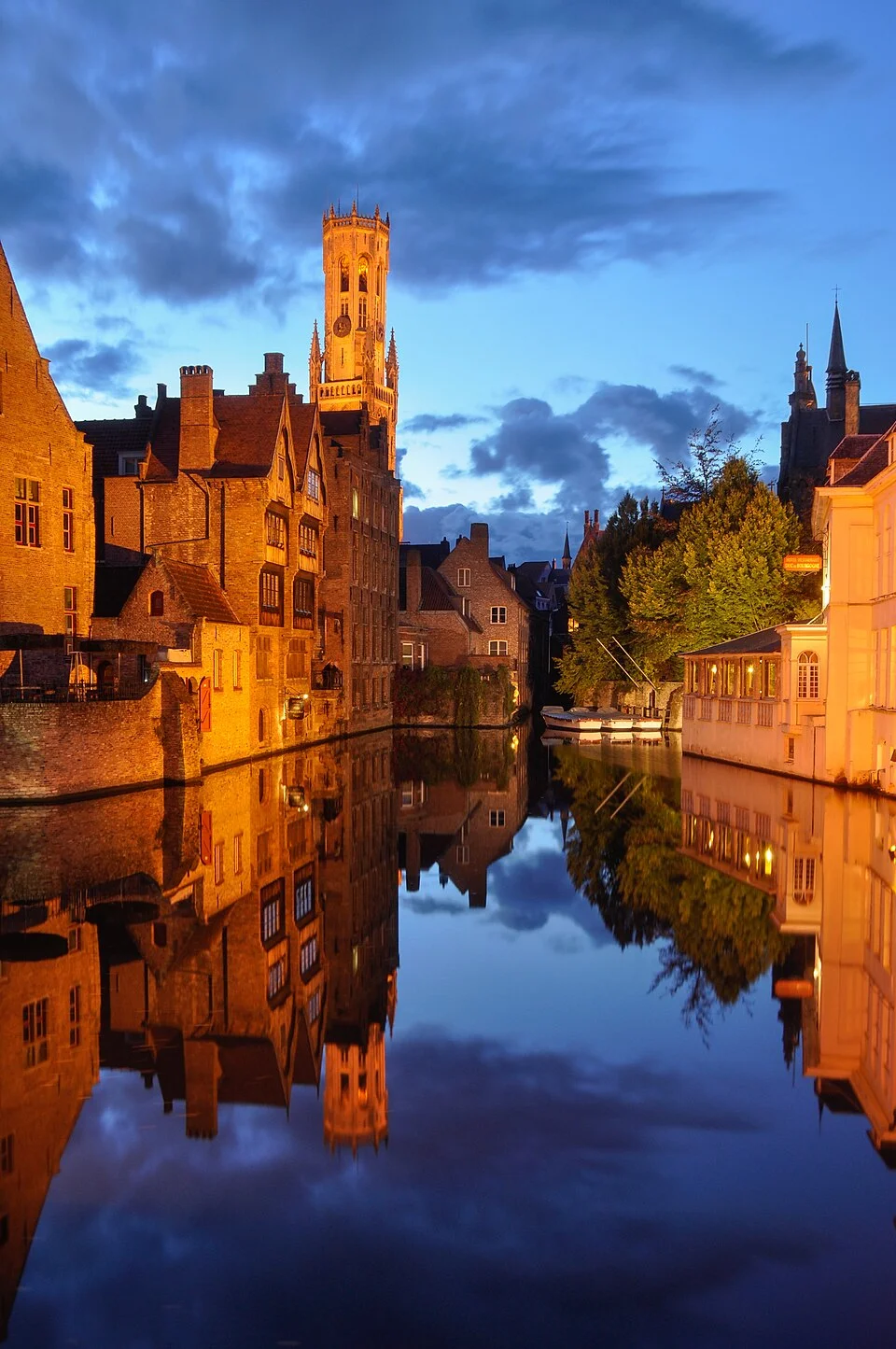
A central walk and a pause looking at canals can provide the shared beginning of a Bruges day. The official visitor source describes boat outings and movement in the centre. If adding a boat, learn actual service and starting arrangements and discuss whether both of you are interested. When one person prefers shopping and another a longer walk, leave a small separate period with a clear meeting point. Staying together for a selected section is also possible instead of continually enlarging the common experience with more stops. Liking the same photograph does not mean wanting the same programme every day. A chosen beginning creates shared time without demanding identical interests throughout the afternoon.
If offered, a waffle pause or small chocolate selection can connect a local taste with a common break. Bruges’ official food source introduces these products. When one person does not want something sweet, making another choice at the same table need not disrupt the plan. Consider the main meal separately from tasting stops. Assess accommodation through central movement, access from the arrival point and your return. Learn actual service for the travel date when arranging dinner together. Avoiding a large task at the end of the day can leave room to discuss choices again. The Bruges example joins a common beginning with small separate interests in the same central day rather than demanding everyone follow the same complete list.
Lucca: add two different interests to one walking section
A selected section around Lucca’s walls can form a shared plan. The official tourism source describes the green walls walk. If one person is interested in architecture and the other in outdoor time, look at different details along the same section. A seated square pause afterwards brings the observations together. You do not need to complete the circuit or climb every tower. Examine access and movement requirements separately if adding a cultural visit. Choose the section that matters to both of you instead of presenting one preference as the city’s compulsory experience. The same walk can support different kinds of attention without becoming two entirely separate trips.


Buccellato, if available, can provide a short bakery pause; Lucca’s official gastronomy source introduces the product. Learn ingredients and serving before making shared or separate choices. Movement inside the walls matters for accommodation, as does the luggage arrangement on arrival. Discuss that arrangement if one person can carry less. Adding other Tuscan cities on the same day may sound exciting to one companion and tiring to the other. Calculate the real transition time together before expanding the Lucca day. Carefully sharing a short city section may suit your needs better than constant movement between numerous stops. A day can remain full through the quality of attention rather than its geographic size.
Copenhagen: make lunch the day’s meeting point
A Copenhagen day beginning with a canal walk around Christianshavn can be divided through a shared lunch. Visit Copenhagen introduces the neighbourhood and the traditional smørrebrød meal. Learn the actual ingredients of the offered open sandwich; fish, meat or other choices may be available. When one person wants an extended cultural visit and the other a short neighbourhood exploration, meeting again for lunch makes the arrangement clear. One museum preference does not need to organise the entire day. If planning separate sections, establish a common return and communication arrangement before beginning. Lunch can be a focus of shared time rather than a rushed interruption between unrelated activities.


Give time to the meal you both want instead of trying to persuade one another to complete a food list. Assess connections for other city days alongside access to the canal surroundings when selecting accommodation. Include return time in the shared meeting arrangement for someone heading farther away. Learn actual boat services for your date if considering a water outing. A shared seated meal connects the day without requiring both people to move at the same speed through the same number of activities. Copenhagen appears here as a choice for sharing different interests through a clear meeting focus rather than a task to reach a romantic image. The plan should follow the people travelling, not only the postcard.
Stockholm: leave a choice between park and culture
Visit Stockholm introduces park and cultural stops around Djurgården. If one companion is more interested in walking and the other in a museum, consider separate time after a short shared section. Discuss it beforehand rather than discovering the difference late in the day. Check a museum’s actual entry and booking conditions through its own source. Identify one meaningful focus for each person instead of attempting to finish the whole area in a day. Choosing different interests in the same surroundings does not mean spending no time together; a shared pause and return can connect the sections. A limited common walk can become the beginning rather than the only possible form of the day.

If a product such as kanelbulle is available, a fika pause can sit between two different visit sections. Stockholm’s official source explains the cinnamon bun and fika culture. A coffee-and-pastry break does not have to replace the main meal. Select a beginning by assessing daily access and evening return together from your accommodation address. Do not assume a distant archipelago excursion has the same time needs as a short park walk. You may each have different movement limits for one day. A meeting and return arrangement established in advance helps prevent that difference becoming a new problem to resolve halfway through the programme. Leave room for rest as well as interest in the surroundings.
Bled: distinguish a shared lake section from separate activities
A Bled shore section can be chosen for a shared walk; the official visitor source introduces lakeside movement. If one person prefers an island visit and the other a longer rest, discuss them as different options. A boat, island visit and castle climb do not have identical preparation and duration. Learn actual service conditions, then establish where the common section begins and ends. Compare the idea of accommodation near the lake with real access from the address to your starting point. An attractive view does not mean the location resolves every daily need. A small common section can provide a shared memory while preserving other options afterwards.


If available, kremna rezina can join different parts of the day through a shared sweet pause. Leave actual time for the main meal and return too. Across five examples, the Stork offers small central separations, two different walking interests, a lunch meeting, park-versus-culture choices and a shared lake section as distinct planning needs. Do not measure travelling together through an identical number of stops reached at the same moment. Build the day through one shared experience, separate curiosity, a local meal and a clear return arrangement. A plan fitting both of you need not be longer; it should make the reason for each chosen section clear. Discussing that reason is a practical beginning before you book.