
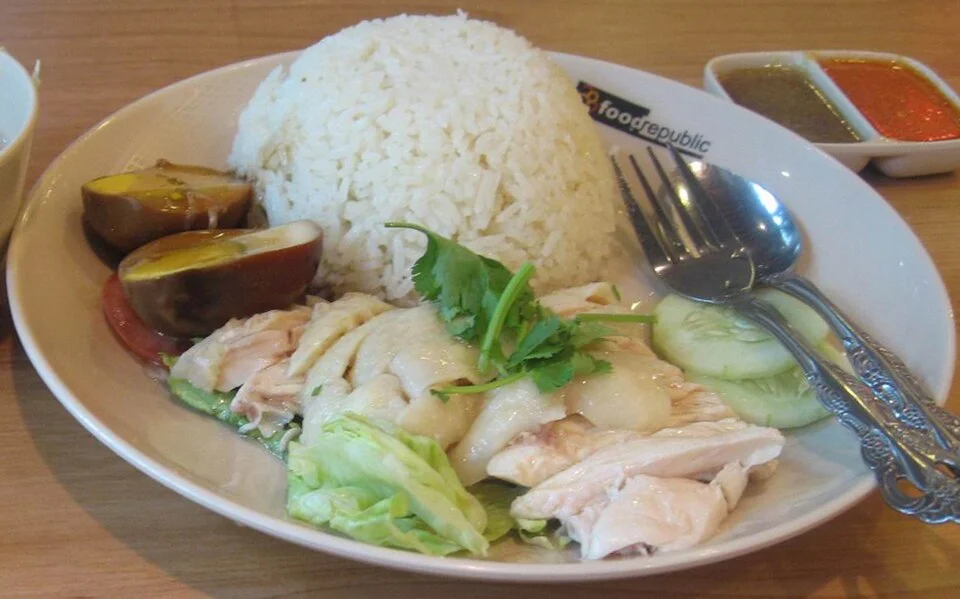
What to eat in Singapore is an invitation to discover different cooking stories around a shared table. Chicken rice, laksa and kaya toast provide three distinct starting points for a first visit, but they need not become a checklist to finish in one sitting. The Tatilmerkezi Stork suggests noticing the eating environment as well as the plate. In hawker culture, stalls and shared seating together form an everyday meeting space. Choosing one dish and observing the rhythm around it can leave a stronger memory than ordering every famous name in succession. This guide focuses on menu decisions, neighbourhood pairings and an enjoyable food day rather than rankings of supposedly unbeatable businesses.
Three authentic food photographs and two separate Singapore neighbourhood scenes accompany the guide. Sources identify the kaya toast and Katong laksa pictures as taken in Singapore. The chicken rice photograph is a dish example: its particular restaurant or exact city is not presented as verified. Chinatown and Little India scenes are not a stall's current menu. Photograph dates, creators and licence records are retained. Official tourism, heritage, transport and public-dining sources were reviewed on 4 October 2026. Menus and opening may change, so consult the actual business information for the day. No current price table or promise of identical stall hours is supplied here.
Chicken rice: make a choice beyond the appearance
Chicken rice should not be selected merely from a picture of white rice; consider chicken, rice and accompanying sauces together. Singapore's official heritage information describes different chicken-rice traditions. Ask what preparation, portion and sauces are available when ordering. The Hainanese chicken rice example pictured here dates from 14 March 2006 and is not attributed to a particular Maxwell stall. An older serving cannot establish today's menu. When choosing a main meal, understanding the plate and accompaniments before adding extras can help avoid unnecessary orders. It also leaves room to decide whether another dish actually interests you rather than simply looking good at a neighbouring table.
Maxwell Food Centre and Chinatown Complex appear among Chinatown's food stops in official tourism information. That does not mean every stall serves the same chicken-rice recipe or operates daily. Look at the actual queue and menu of the place selected. If companions order from separate stalls, agree how to meet in the seating area; shared tables are not the same arrangement as service in one restaurant. Explaining the sauce you want can be more useful than carrying a long recommendation list. Travellers with children or dietary restrictions should mention the need before relying on a familiar dish name. A short, clear question may improve the whole meal.
Give Katong laksa a meal of its own
Laksa has a recognised place in Singapore's food story, while the Katong setting offers a route idea for travellers curious about it. Do not infer a creamy-looking bowl's full ingredients from its colour. Ask about seafood, sauces and accompaniments before ordering. According to its source, the authentic photograph records Katong laksa served in Singapore on 9 March 2022. The photographed plate need not represent a business's present menu or a standard portion size. Giving laksa the main midday meal and leaving another substantial dish for a later day may help you distinguish the experiences rather than blending every flavour into one hurried session.
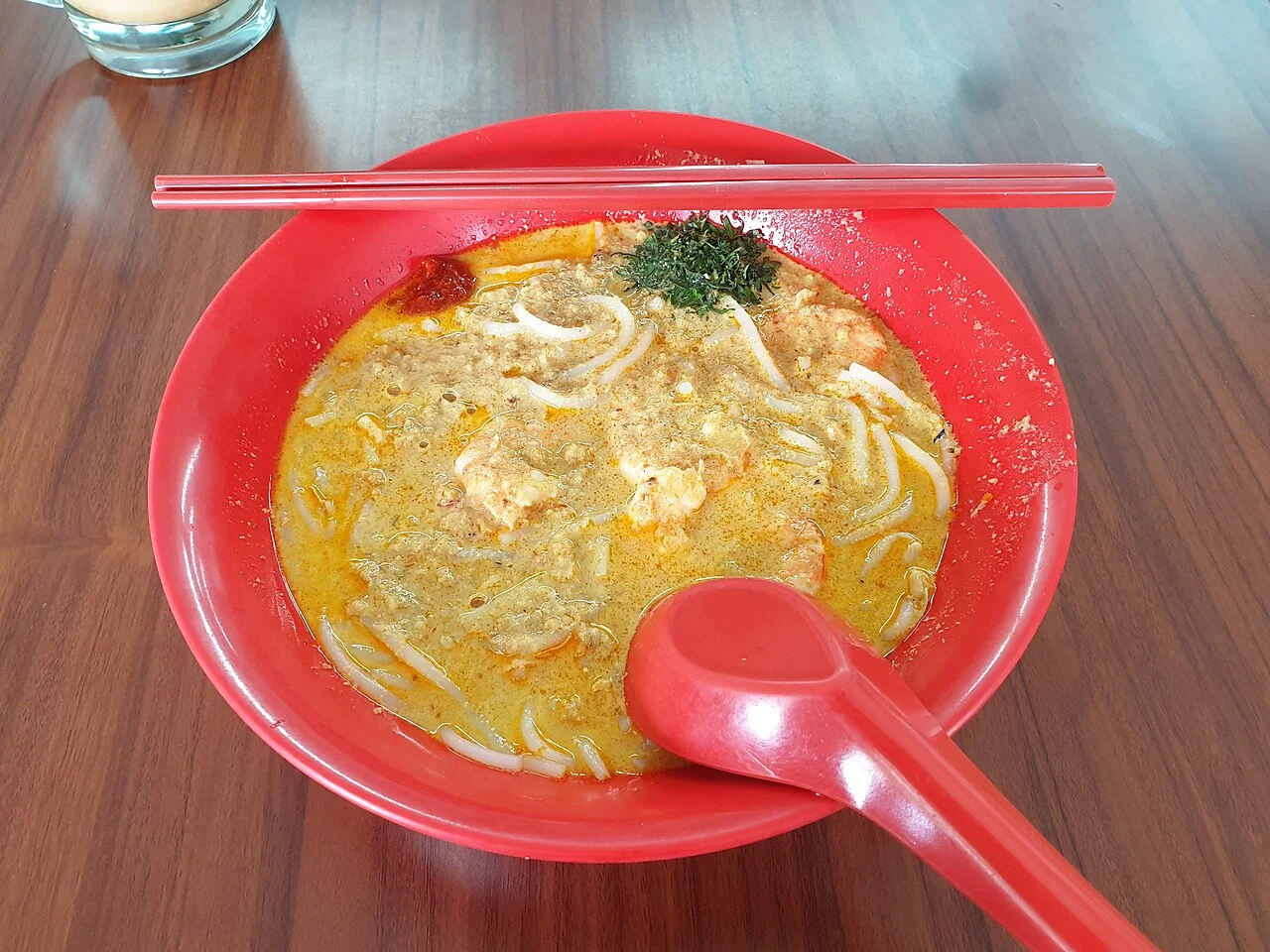

Katong need not be merely a name reached quickly for one bowl before leaving immediately. If you choose the area, allow a short neighbourhood walk before or after eating and plan the journey from your accommodation separately. With another scheduled activity ahead, leave a margin for a queue and the return. Photograph your food and your own table without assuming nearby diners consent to appearing in the picture. Asking for a smaller or different option can be more comfortable than believing a famous meal must be finished in its largest serving. Learning about a dish is not a competition. Your appetite and interest are better measures than the length of a list.
Kaya toast for breakfast and a kopitiam pause
Kaya toast offers a breakfast or snack idea. Consider the toast, spread, accompaniments and drink separately, and ask what a set contains. This guide's photograph shows an authentic toast example taken at Ya Kun Kaya Toast in Singapore on 13 August 2016. The named business identifies the photograph's source; it is not a current quality ranking or a guarantee that every branch serves an identical portion. If eggs or dairy matter to you, obtain the business's ingredient explanation. Stating the sweetness and milk preference for coffee or tea when ordering may suit you better than accepting a set without asking. A set name does not explain every ingredient.
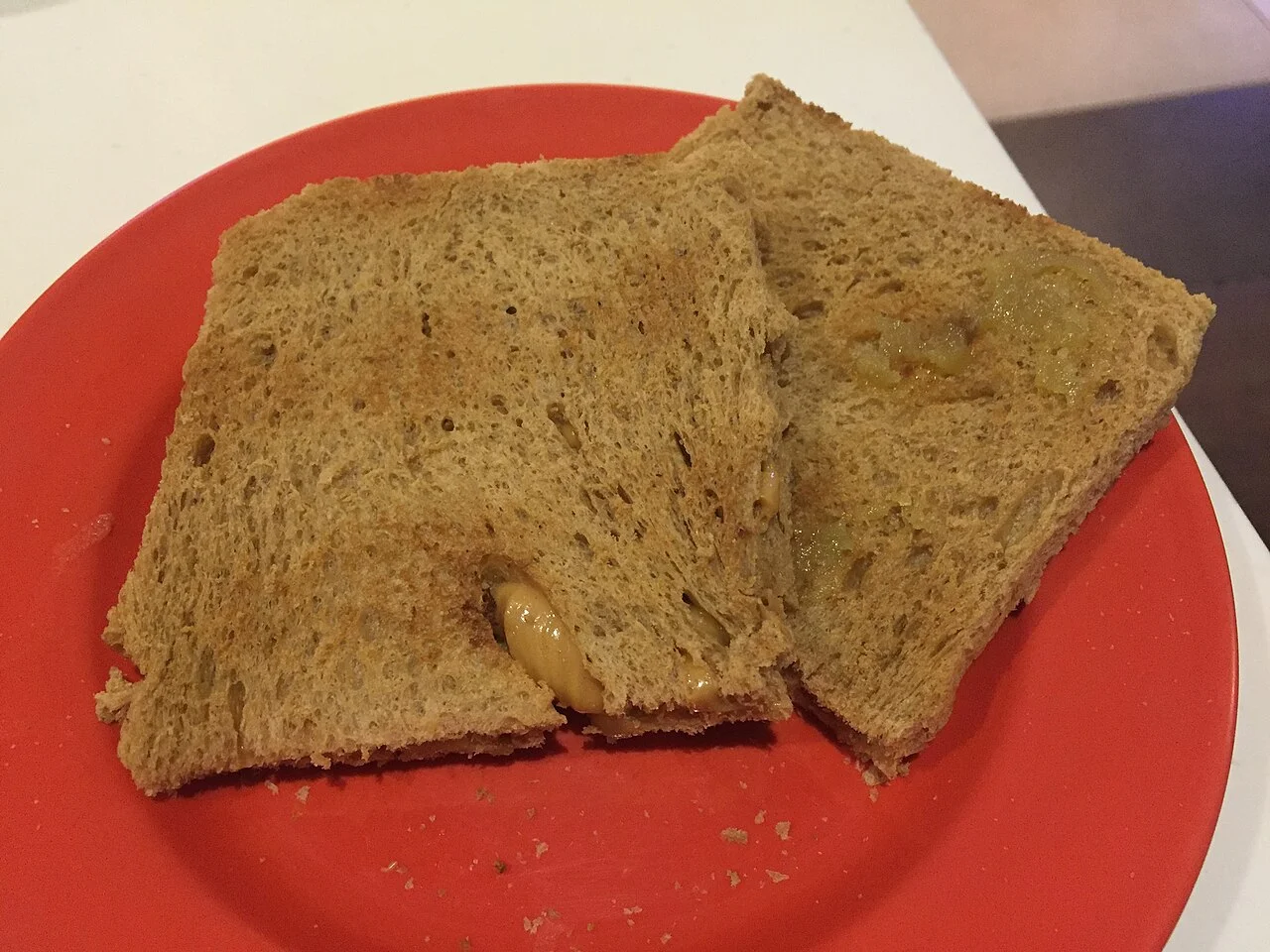

A day that begins with toast does not need a food appointment for every hour. Follow breakfast with a walk and choose a main meal after a rest. When discovering a kopitiam environment, observe seating and ordering arrangements rather than assuming identical table service everywhere. One companion may choose toast while another prefers a different breakfast; enjoying an outing together does not require the same plate. No egg, coffee or other unseen accompaniment is claimed to appear in this photograph. A menu set may differ from the simple toast pictured. Base your decision on the serving actually described, not on expectations created by an unrelated image.
Small details at a hawker-centre table
A hawker centre includes multiple stalls and shared seating; treating every table as the restaurant of one business can produce the wrong expectations. Understanding where to collect an order, whether to carry it yourself and how to pay makes the experience easier. Lau Pa Sat describes food choices on its own official site, but check the hours of the actual stall too. Different cuisines in one centre do not establish identical ingredients, prices or halal suitability. When a question remains unanswered, another choice may be better. Curiosity about new food need not override your own requirements. Asking is part of experiencing a place, not an obstacle to it.

In public dining settings, leave the table clean and return used trays and crockery to the designated point. NEA's information explains the requirement; the advice is not merely a preference for attractive tables. Follow signs and the return arrangements at the particular location. Seeing cleaning workers nearby is not a reason to leave a tray randomly beside them. Do not remove or use an item another diner left simply because its owner is momentarily absent; ask if seating is unclear. Avoid obstructing shared passages to take photographs and observe queues. These ordinary details can make a busy food experience more comfortable for everyone using the space.
Chinatown, Little India and a balanced food day
Choose one food centre around Chinatown and connect the meal with a short street walk. Little India can offer a separate setting for investigating other cooking and neighbourhood surroundings. The two authentic city photographs provide context, not claimed pictures of a particular Maxwell or Tekka stall. Rather than adding both areas around the same meal merely to fill a list, let time and interest guide you. When selecting accommodation, check the actual entrances of food stops and the return journey. LTA's official network and journey tools can help establish connections; a neighbourhood label alone does not prove an easy walk. The most convenient area depends on your particular plans.
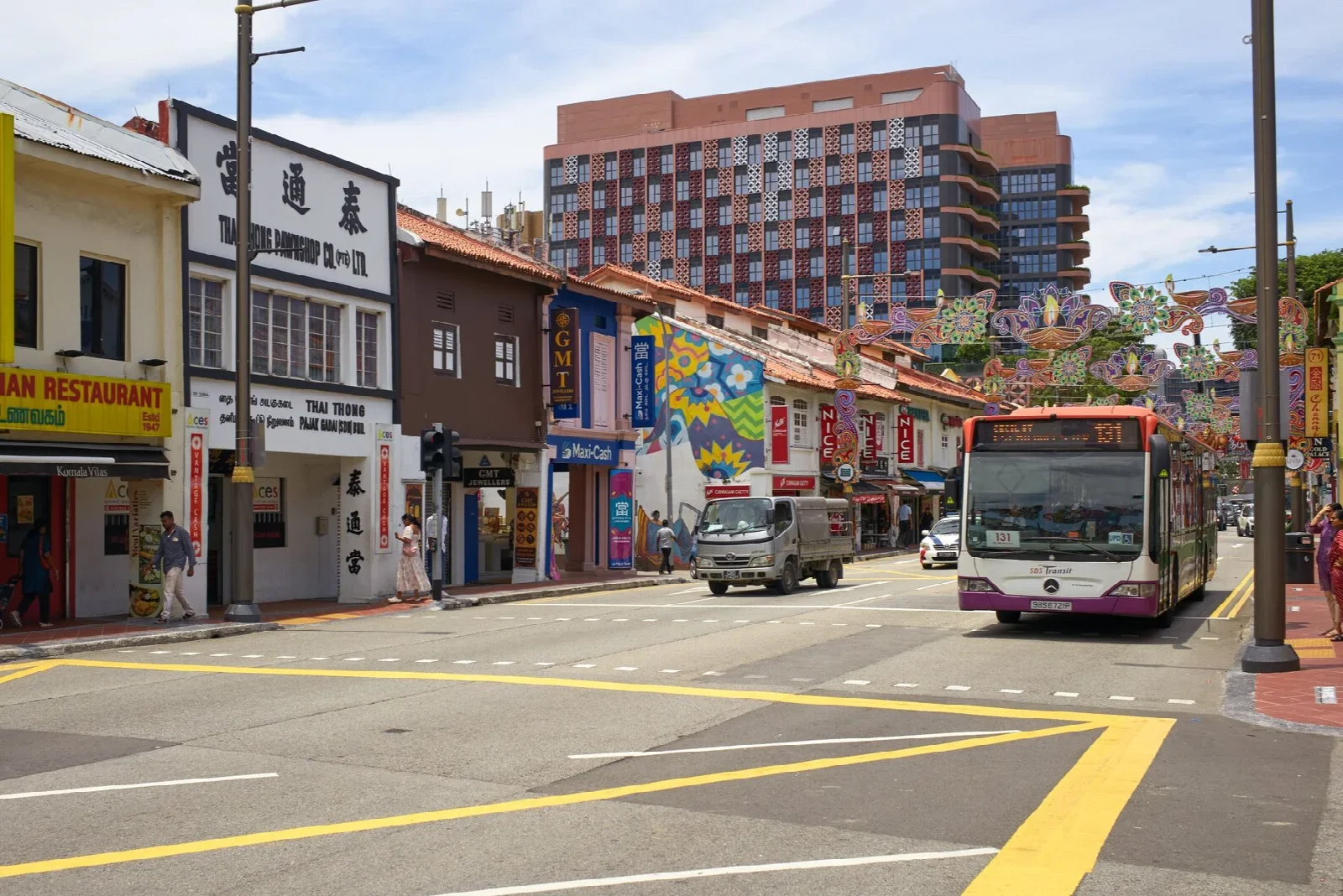
A sample day combines kaya toast at breakfast, one selected chicken-rice meal around Chinatown and a restful interval. Keeping Katong laksa for another day is an equally appealing choice. Reorder the plan when rain, a queue or a menu change requires it. Build the budget from real menus, drinks and additions rather than an outdated price list. On a flight day, do not sacrifice the return margin for a distant meal. The Stork's last suggestion is to bring one small question to each table: what about this dish am I curious to discover? Finding the answer can satisfy your interest in the city as well as your appetite.