
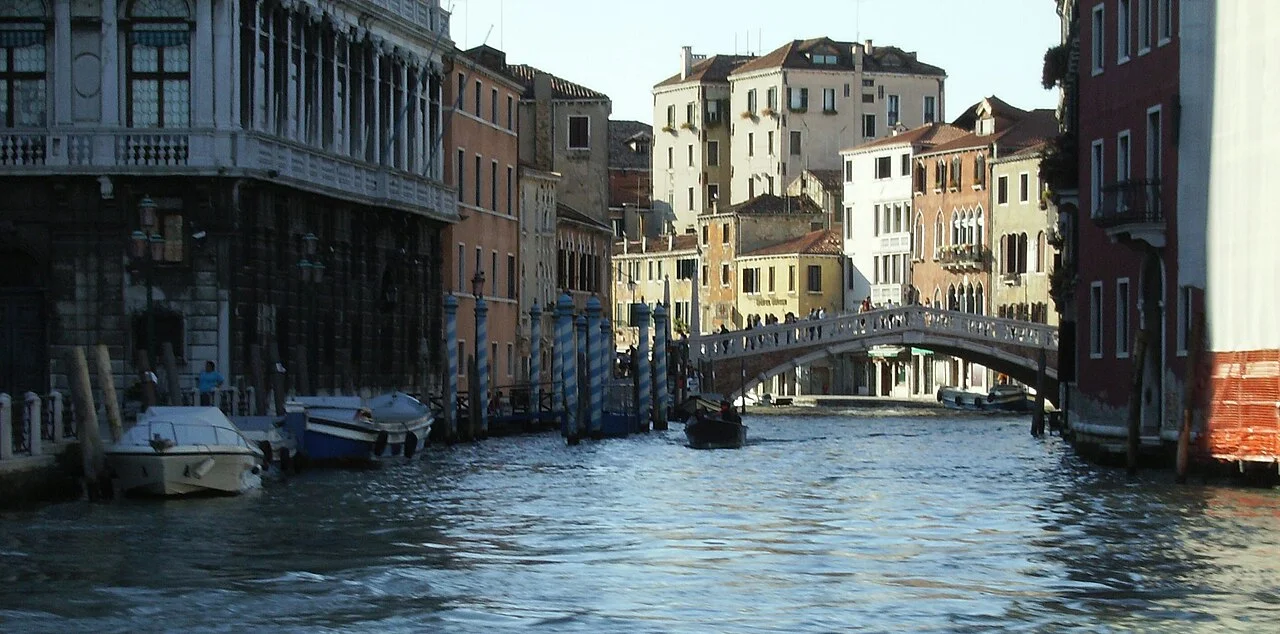
A travel backpack does not need to contain a miniature version of your home. This time the Tatilmerkezi Stork is not choosing a product: it is arranging an actual day inside the bag you already have. What you take on a three-night journey and what you carry when leaving the hotel each morning belong on two different lists. One covers the stay; the other covers a specific outing. Making that distinction reduces the temptation to squeeze spare clothes, charging cables, purchases and every document behind the same zip.
This is a packing organisation guide, rather than a review of backpack models, capacities or medical supplies. Venice, Amalfi, Salzburg, Munich and Lisbon provide real settings in which to think through a travel day. Their dated photographs are contextual city views, not pictures of a particular bag. Begin with two sheets of paper labelled main luggage and day bag. Put each item on one list first. If something appears on both, consider whether you truly need two copies or whether its place simply changes during the journey.
Separate the main luggage from the day bag for three nights
Relate clothing to the programme you will actually follow. Three days exploring a city centre do not necessarily require a different event outfit every evening. Make separate groups for items used at the accommodation, items needed on the walk and documents accessed during transport. Hotel arrival information and the relevant travel ticket should be easy to reach on the journey. Tomorrow's clothing does not need to accompany today's canal outing. Before packing, check that your phone, cable and any adapter you intend to use work together.
Fill the bag once, then unpack it. The arrangement needed when leaving home differs from the one used when leaving a hotel after breakfast. The daily group might include the identification or travel document required for your outing, a payment method, a phone, your chosen charging solution and an item suitable for that day's conditions. These are prompts, not a compulsory universal list. Pick the pieces that have a job in your actual plan. Keeping important documents in the same compartment opened for every small purchase can make a simple arrangement unnecessarily awkward.
Amalfi: think about the day's needs beside the lemon hillside
An Amalfi example begins with the waterfront and town centre on arrival day, while the main luggage stays at the accommodation. The following morning can then have its own preparation. The Via dei Mulini image shows a green slope and lemon garden; it does not grant entry to private land or promise a continuously accessible walking trail. A hillside visit and an afternoon seated by the waterfront call for different arrangements. Consider the length of the visit you have selected, the conditions and the journey back. Remove yesterday's unnecessary items rather than carrying them simply because they are already packed.
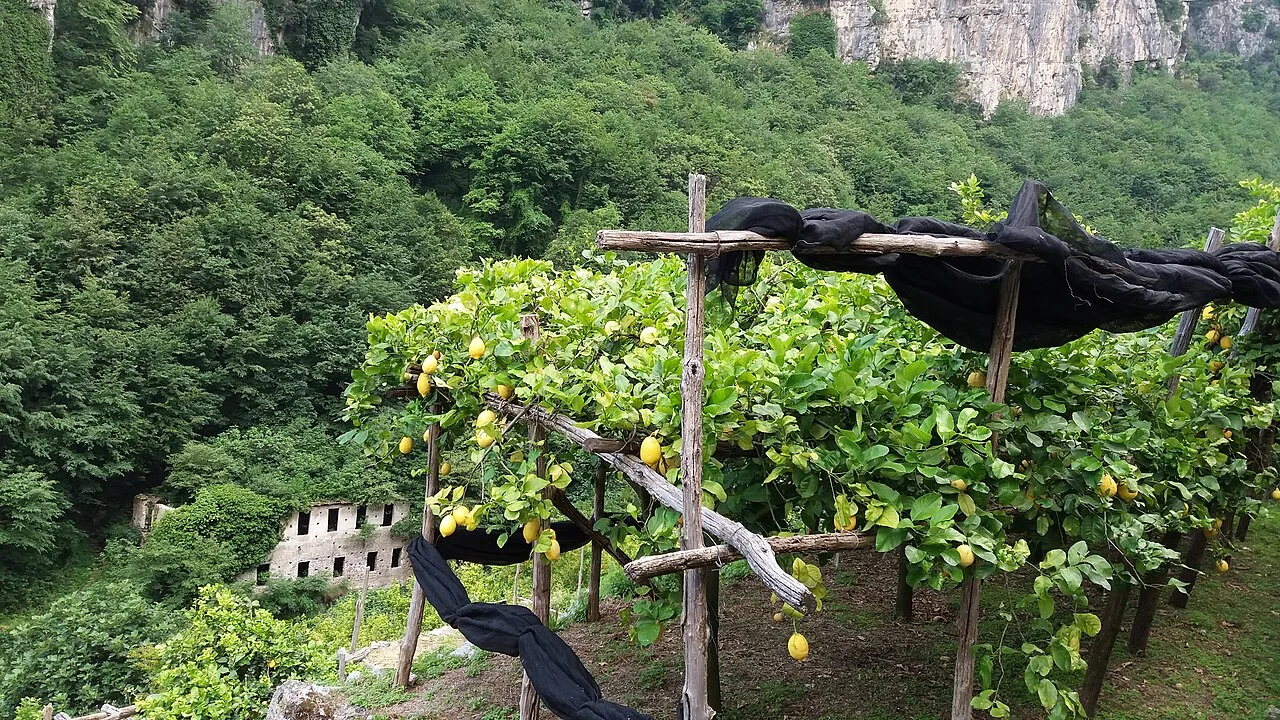

Making a meal stop part of the programme changes the packing decision, too. If you plan to sit down for a lemon-flavoured dessert in town, every eating opportunity need not depend on food carried in the bag. A lemon photograph does not certify geographical-indication status for a product: consider the actual option presented on the menu. When choosing accommodation, look beyond the scenic image. The connection between your arrival stop and the entrance, including how you will carry luggage on that final section, can make a concrete difference to the first hours of a short holiday.
Salzburg: prepare for the change from a garden to an indoor visit
A morning around Salzburg's Mirabell Gardens followed by an indoor visit is a useful setting for thinking about access order. Putting a layer needed early in the day at the bottom of the bag may mean unpacking whenever conditions change. Give frequently used small items a consistent place; returning them there in the evening reduces searching the next morning. Do not assume that a garden and a building have identical admission arrangements. The specific museum or room you choose may also have its own rules about belongings, which matter more than a generic city checklist.


A warm local dish such as Kasnocken and a short café pause call for different amounts of time. Treat lunch as a real stop: setting down the bag helps mark an actual break between walking sections. In a three-night example, use the end of the second day to organise worn clothes, receipts and spare items within the main luggage. Resetting the day bag each evening makes the next morning clearer. Otherwise it gradually becomes a container for everything left over from the previous outing, rather than an arrangement designed for the day ahead.
Munich: leave room for what you might buy at the market
If an afternoon visit to Viktualienmarkt interests you, starting with a bag that is not completely full can be useful. That does not mean every product should be packed inside it: the nature of the item and its journey home require separate decisions. Placing the market in the final part of the day makes the return to the hotel visible in the schedule. Learning local names such as Breze and Obatzda and choosing a meal in town also avoids reducing every food encounter to snacks carried from elsewhere.
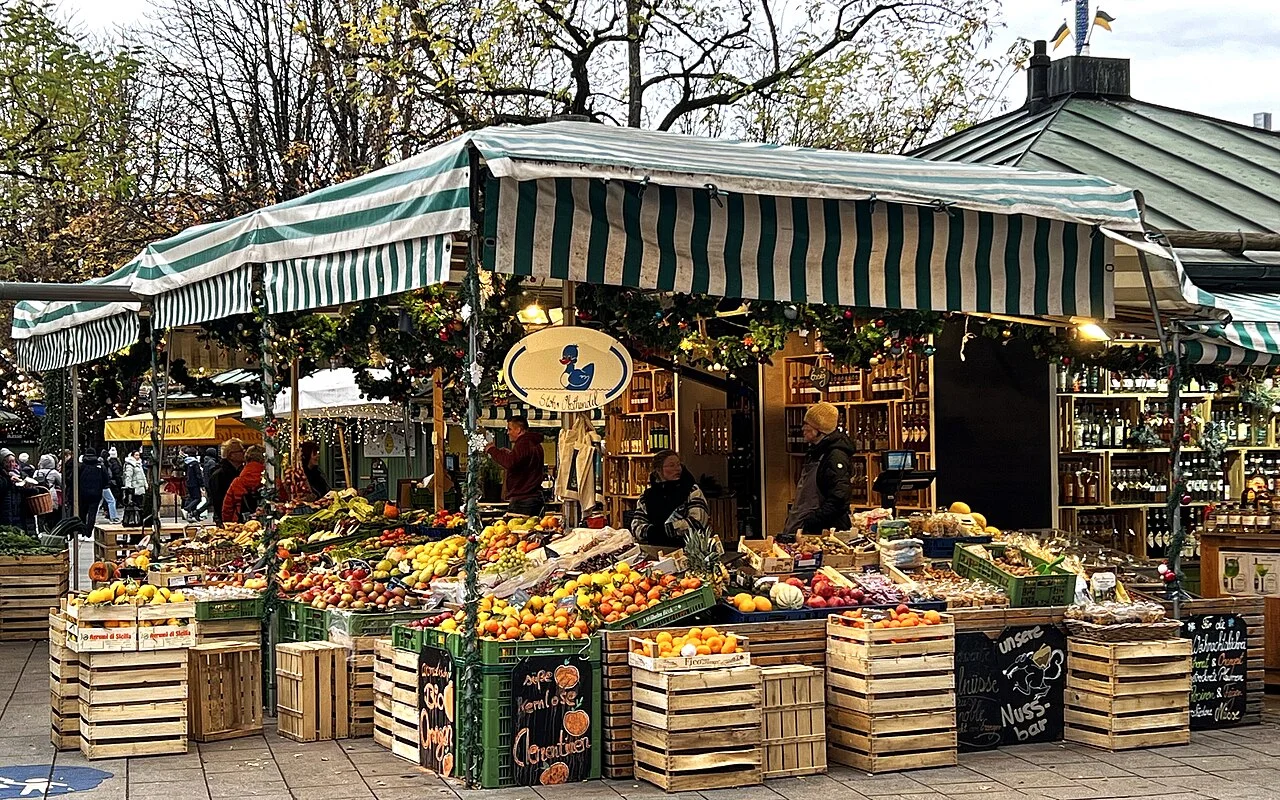

Accommodation is part of this plan, rather than a disconnected booking. A hotel convenient for your main transport connection may make both the market return and the next day's departure easier to organise. Convenience includes the entrance you will use, any changes of transport and the arrangements for leaving luggage; it is more than a short line on a map. If the third day includes the journey home, compare purchases with the baggage conditions of your ticket and the entry requirements at your destination. This guide does not claim that food is automatically accepted on every flight or across every border.
Lisbon: organise the departure bag the evening before
A Lisbon outing around Belém with a pastel de nata pause can be planned without adding a lengthy walk and a tightly timed onward journey to the same afternoon. Prepare the final morning's bag the evening before, leaving clear access to departure information, your transfer choice and required documents. Distinguish a spare garment from the item you will actually use that day. The pastry photograph records a real past scene; it does not establish present opening hours or guarantee a particular business's current menu.


If you are flying home, the capacity printed in litres on a product label does not establish cabin acceptance. Packed external dimensions, weight and the conditions attached to your carrier and ticket matter. The Turkish Airlines cabin-baggage and restricted-items pages checked on 4 October 2026 illustrate why airline conditions should be read separately. Do not transfer one airline's allowance to another. Consult the rules for your own itinerary when deciding about liquids, batteries or other restricted items. The Stork's final habit is to explain why each object is in the bag. Something that serves today's plan has a clear place; something included only because an ever-growing list of possibilities demanded it deserves another look.