
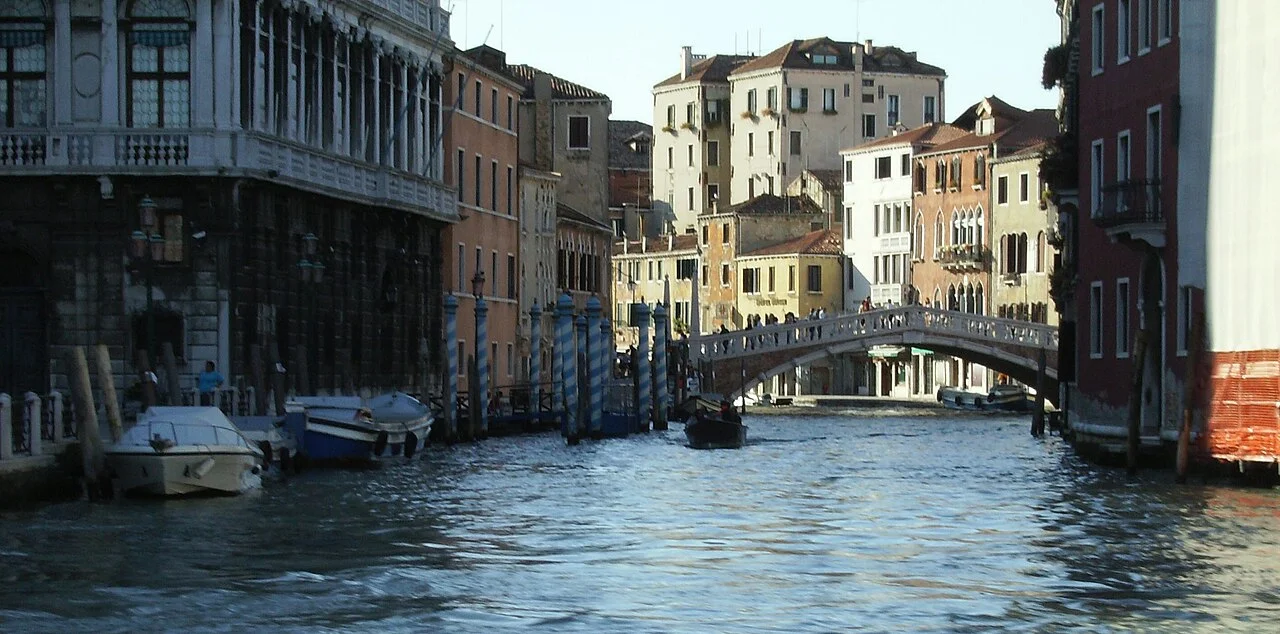
When choosing a backpack, the most exciting first question is often its colour or brand. The Tatilmerkezi Stork returns to a simpler one: on what kind of day will you carry it? Bringing all your belongings to the accommodation is not the same task as leaving a room in the morning and returning after a short city outing. Venice's canal area, Amalfi's slopes, a Salzburg garden and Munich's market provide real contexts for considering the arrangement. These photographs show travel settings, not a product test or technical images of a particular backpack model.
Rather than offering a long packing list, this guide focuses on choosing the bag's job. No model is declared best for everyone and no price ranking is created. Manufacturer sizing guidance and equipment-selection sources were checked on 4 October 2026. Specifications belong to the particular model; no fixed capacity or airline-cabin acceptance guarantee is given here. The itinerary scenarios use correctly identified, licensed photographs of real places to make carrying decisions easier to relate to an actual trip.
Choose the job first: an outing or the entire journey
A day bag is selected for the smaller items used during that outing, while carrying all clothing for several nights is a different task. Will you leave the main luggage at the hotel after arrival, or change accommodation during the day? That decision changes how full the bag will be even within the same city. Numerous empty compartments can invite unnecessary items, while forcing too much into a small bag can make it awkward to use.
Write two use cases before buying. Let the first be the journey from the station to your room and the second a neighbourhood walk and meal pause. If you want one bag for both, make that expectation explicit. Do not choose solely because a catalogue calls a product a travel backpack. Suitability for a daily outing does not establish that it will carry the entire journey's clothing with equal ease. Main luggage and a smaller day bag can remain separate options where that arrangement suits your itinerary.
Sizing and trying it on: capacity is only part of the decision
Manufacturer size tables distinguish back length and the fit of the carrying system. Overall height alone is not a sufficient selection method; read the model's own sizing and adjustment guidance. A pack appearing comfortable on another traveller does not demonstrate that the same size will work identically for you. If you can try one, consider a load representing your intended use rather than judging it only when empty. The aim is to understand the fit of the product you may actually carry.
Adjustment systems, shoulder straps and any hipbelt differ between models. Large volume and numerous features do not correct an unsuitable size. This is not advice on pain treatment or a medical load limit; it keeps product fit as a separate purchasing consideration. If two people intend to share the bag, consider both sizing needs. Each use should begin with its own appropriate adjustments rather than assuming that the other person's settings are automatically suitable. Look to the manufacturer's model guidance where the details differ.
Amalfi: a hillside day and a waterfront pause need different plans
The green-slope photograph around Amalfi's Via dei Mulini reminds us that an urban visit need not take place entirely along a level waterfront. A longer hillside outing and a brief central stroll are different daily programmes. Consider how far you will be from the accommodation and whether you can return to collect something later. Establish the carrying requirement from the whole day instead of only the first stop, particularly if several types of activity are being combined.
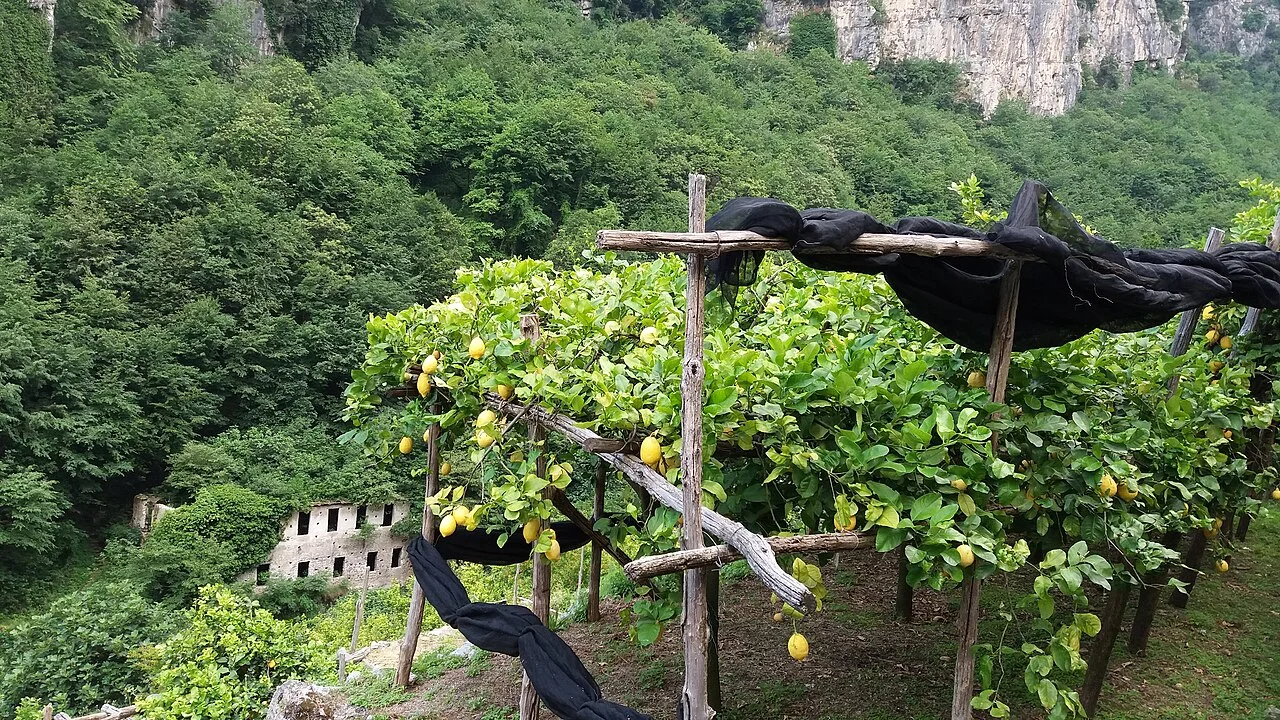

If you intend to buy a lemon-related product or a small food item, the space available at the start may not remain unchanged by evening. Shopping early in the route and shopping shortly before returning create different carrying decisions. Tasting a regional product does not always require transporting it all day. Choosing where the food and shopping section belongs can change your daily arrangement without buying a larger bag. The landscape photograph illustrates the outing's setting; it does not present an orchard as public access or a product's current availability.
Salzburg: a garden, a cultural stop and a return to the room
If you plan to return to your accommodation after walking around Mirabell and then leave for another activity, you may not need to carry the entire day's belongings each morning. If the outing continues without a return, consider how often you will need different sections of the bag. Knowing where smaller items belong helps establish your own organisation rather than opening the whole main compartment at every pause. The arrangement should reflect how you use things during a real day.


Cultural institutions do not all have the same luggage arrangements. Do not select a backpack on the assumption that every museum and performance space will allow you to keep it on your back; the chosen institution's own conditions form a separate decision. A garden followed by an indoor cultural visit is therefore a different scenario from spending the whole day outdoors. The bag should support the programme rather than require every planned visit to be reorganised around a single piece of equipment.
Munich: think about the space needed after market shopping
If you are interested in fruit or small products around Viktualienmarkt, consider possible purchases as well as the initial contents. Buying something when the bag is already full may require another carrying arrangement. This is not an instruction to put every product inside a backpack; the item's nature and the way you carry it matter. Visiting the market near the end of the outing is one itinerary option that can shorten the distance travelled with purchases, without making assumptions about every stall or product.


Learning names such as Breze and Obatzda and choosing a meal on the spot removes the need to package every food encounter. A seated pause divides continuous exploring with a bag into two parts. Use those real stops when deciding which compartments you will access frequently. The main compartment, openings and zips should make sense within your own routine. The product with the most compartments is not automatically the most useful one if remembering where things belong becomes more complicated than the outing itself.
Lisbon: a pastry pause and the journey back
Relating a pastel de nata pause to Belém or a central-city visit makes the carrying requirement around a meal clearer, too. If you will sit in a café, the entire food arrangement does not need to be built inside the bag. For a brief outing, you can separate the roles of belongings left at the accommodation and those carried with you, rather than using the large travel pack for every walk. The pastry image is an actual dated photograph, not a promise about current service or packaging.


Finally, check the packed bag's measurements, the product's external dimensions and the conditions of your intended transport separately. A capacity in litres does not replace external measurements, and a general flight-friendly advertising phrase should not decide cabin acceptance. The Stork suggests designing a real day first and then selecting what carries that day. The arrangement needed for a canal walk, a brief market pause and a manageable return may differ from the bag used by someone else on a lengthy expedition, without either travel style being the universal answer.