
Suzhou deserves more than a hurried detour from Shanghai. Water inside a garden wall, a bridge along a narrow lane and sweet-and-sour fish at dinner each ask for a different part of your day. Tatilmerkezi Stork suggests two days: pair the Humble Administrator's Garden with the Pingjiang area first, then the Lingering Garden with Shantang. This separates the garden visits and leaves room to understand the streets around them. Our Suzhou travel guide is a flexible starting point rather than a race through every famous name. Choose two neighbourhoods you can give proper attention to, and let a meal or a quiet waterside pause be part of the journey.
Humble Administrator's Garden: a first morning around water
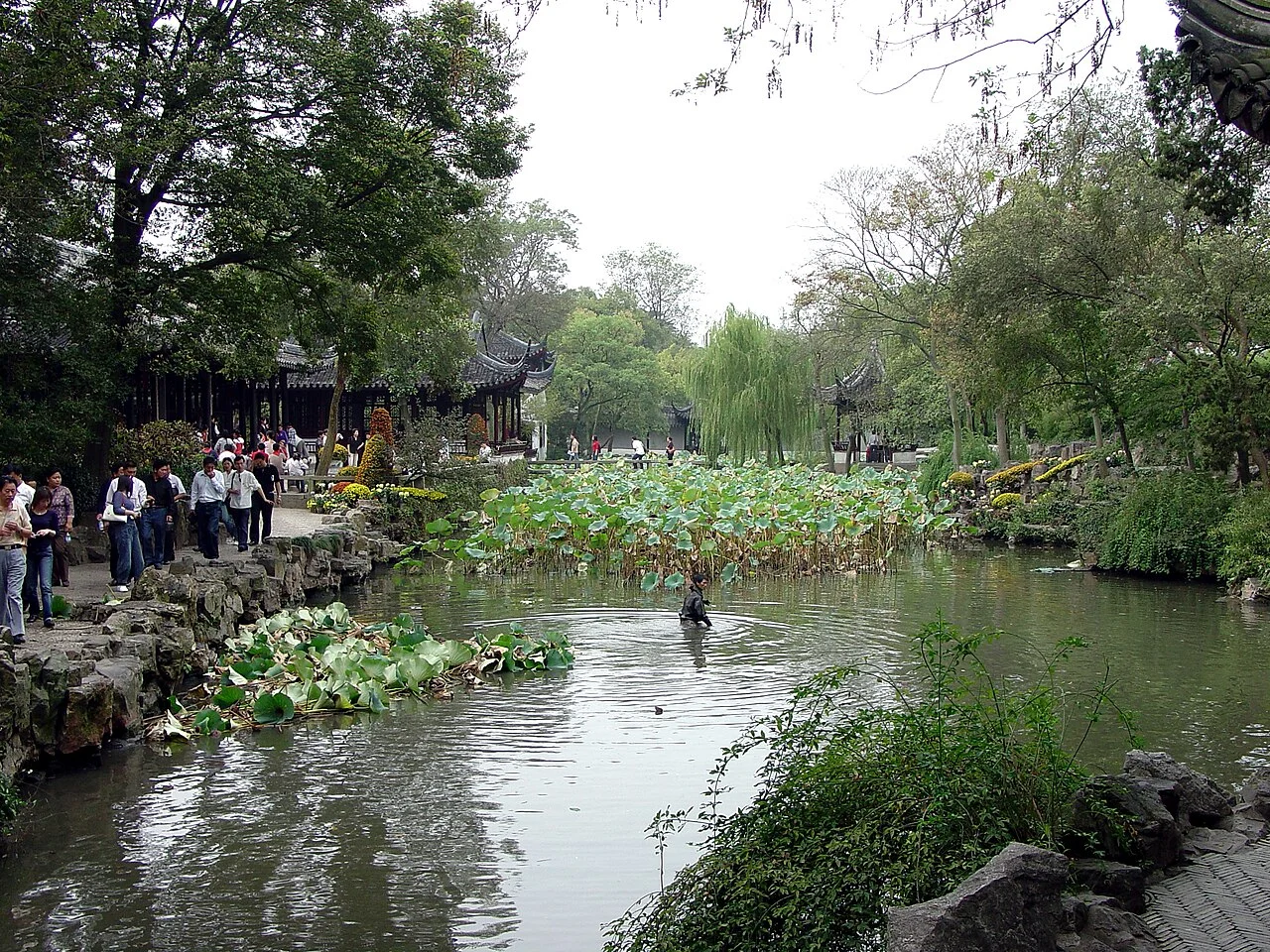
Zhuozheng Yuan is known in English as the Humble Administrator's Garden. Make this historic garden near Dongbei Street the main visit of your first morning. Among Suzhou's UNESCO-listed classical gardens, it offers an opportunity to notice how water, passages and buildings work together. Instead of searching only for one recognised photograph, compare a framed view through an opening with the wider scene beside the water. Take an initial walk to understand the layout, then return to one area that interests you. A second look often reveals more than adding another distant attraction immediately. Keep narrow passages clear when stopping for photographs; the garden is a place people share, not a private stage.
Planning the entrance matters. A June 2026 municipal notice describes real-name timed reservations and advance online ticket arrangements. The early-opening programme mentioned in the same notice applies to a stated period, so do not treat it as a permanent year-round timetable. Check the conditions for your own date, including passport handling, entry time and ticket requirements, through the official channel. Municipal transport guidance published in 2026 identifies Humble Administrator's Garden Suzhou Museum Station on Line 6 as a connection for this area. Match the station with the actual garden gate on your map and include that final walking section when deciding when to arrive.
Lingering Garden: gates and courtyards on day two
Liuyuan, the Lingering Garden, works well as a separate morning rather than a rushed continuation of the first garden. The official city introduction emphasises spaces divided by corridors, walls, gates and halls. Shape your visit around these transitions: look back before passing through an opening, then notice how the next courtyard changes the view. An enclosed corner can hold as much interest as a broad waterside panorama. Seeing a few smaller spaces carefully will help you remember the difference between the two gardens. Avoid carrying the same checklist from one visit into the other; allow the arrangement of the place itself to determine where you slow down.
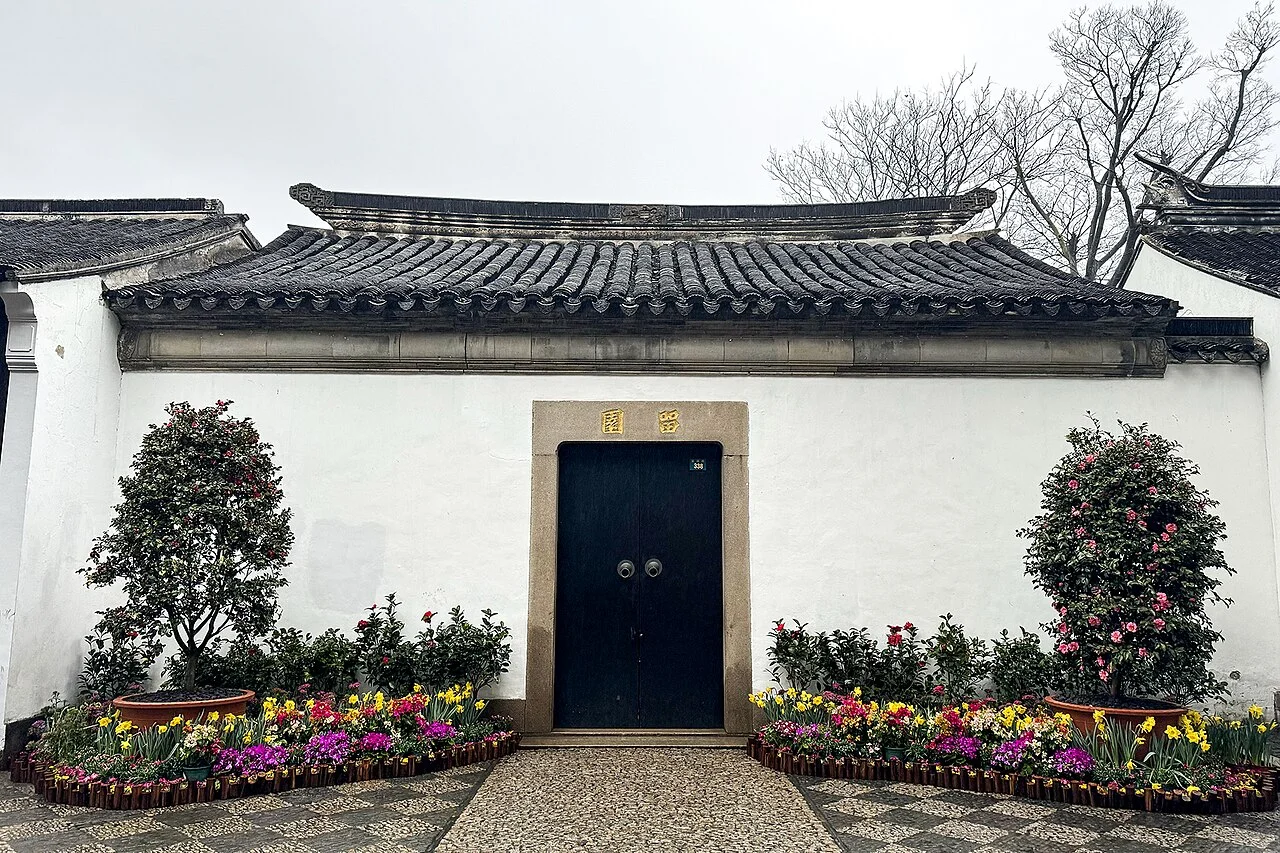

The garden is on Liuyuan Road, so plan the connection to its real entrance separately from your previous day's route. Combining it with a Shantang walk can divide the day into a garden morning and a street afternoon. Whether the link between them should be walked or made by another form of transport depends on your group and the weather. Leave room for a seated lunch and a rest instead of treating every minute after the gate as another tour. Two large visits compressed into one day can blur together. The purpose of this two-day outline is to preserve the transitions, not simply to increase the number of places you enter.
Pingjiang Road: from garden grounds to canal lanes
Pingjiang Road is an old-city area where the street and water run alongside each other. A short route here after the garden creates a change from a managed visitor site to neighbourhood scale. Choose the stretch of bank you want to follow and a place to pause rather than standing at one bridge and immediately returning. Shops, homes and visitors may share a narrow space, so leave a path for people passing through. Looking at a waterside frontage is different from entering a private courtyard. Stay outside unless there is a clear invitation, and let the details visible from the public street guide your attention. A thoughtful walk respects the everyday movement around it.


Daylight and energy should determine how far you continue. Municipal transport guidance points to Xiangmen on Line 1 and Xuanqiaoxiang on Line 6 as nearby connections for Pingjiang Road. You need not start and finish at the same station, but save the return point before setting out. A tea or small sweet break can fit naturally into the walk. Do not assume that seeing boats guarantees a particular service throughout the day. If a boat trip matters to you, check the day's operator and boarding point. With a waterside walk as your basic plan, extra experiences can be added only when they genuinely fit the available time.
Shantang: the second day's waterside walk
Use the Shantang area as the street portion of your Lingering Garden day. Canal edges, waterside buildings and bridges provide another setting to explore, without requiring you to connect every old-city lane into one continuous expedition. Select a short section, use an appropriate bridge for another angle and remember your starting point. Among shopfronts and possible meal stops, decide how the evening should end: a few small snacks along the way, or a seated dinner with shared dishes? That choice gives the walk a destination. A relaxed meal also creates time to remember what you noticed during the garden visit instead of immediately moving on to another activity.


The official 2026 transport introduction identifies Shantangjie Station on Line 2 as a walkable connection to the old street. For the evening return, consider the last section to your accommodation as well as the walk to the station. Take care on wet steps and avoid balancing at a canal edge for a photograph. A crowded afternoon may call for a shorter visit, and choosing a small section is a reasonable response. The Stork is not asking you to count every bridge in the city. A calm period in two different street areas can leave a clearer impression than collecting all their names in one crowded day.
A Suzhou table: noodles and sweet-and-sour fish
Suzhou-style soup noodles are worth researching for a daytime meal. For a shared dinner, songshu guiyu, the squirrel-shaped mandarin fish served with sweet-and-sour sauce, offers another introduction to local cooking. Saving the dish names makes a menu easier to discuss, but a photograph alone cannot tell you the portion or every ingredient. A lighter beginning before a garden visit and a more leisurely meal after the street walk give food different roles in the day. Hot soup and a shared fish platter do not need to compete at the same sitting. Treat a meal as part of your exploration rather than something squeezed between sightseeing appointments.


Start with an anchor dish and a balancing side instead of ordering every substantial option at once. If you want more detail, use our Suzhou food guide to build a separate meal plan. For this sightseeing route, a restaurant near the actual day's stops is usually more practical than travelling across the city for one famous name. Do not jeopardise a garden reservation or return train for a meal. Ask the business directly about seafood, soy, wheat or other dietary restrictions. Choose drinks and dessert according to the table's pace as well. More memorable flavours do not require finishing every local speciality in a single evening.
Two days, the correct station and where to stay
Keep the outline simple: Humble Administrator's Garden and Pingjiang first; Lingering Garden and Shantang second. Read the exact station name on your rail document, because Suzhou and Suzhou North are different arrival points. You can investigate Gusu and the old-city area for accommodation suited to this route, but the hotel's real position, walk to a useful station and late-arrival arrangements matter more than the district label. For a return visit from Shanghai, compare your own train arrangements with the garden reservation. Use the travel day's actual connections rather than assuming one fixed journey duration, and allow time for the final gate and station sections.
With only one day, do not attempt this two-day route at twice the speed. Select one garden and one street area, leaving the others for another visit. With more time, first preserve breathing space before adding a museum or another garden. A museum visit has its own conditions; a garden ticket does not settle its reservation. Weather, visitor numbers or entry availability may change the order of your stops. A good Suzhou plan still lets you notice water, architecture and food together despite those changes. Tatilmerkezi Stork's last suggestion is simple: if one corner invites you to stay longer, your programme should allow it.