
What should you eat in Suzhou? Begin with the city's own table rather than a list covering all Chinese cooking. A bowl of soup noodles, a shared squirrel-shaped fish and Biluochun tea offer three different experiences. Tatilmerkezi Stork proposes a food plan that can stretch across two days: a straightforward meal after the garden morning, tea along a Pingjiang walk, and a more leisurely dinner on the second evening. This lets food help you understand the city instead of merely fitting between attractions. The aim is to recognise local dish names and choose a few that suit your actual route, not to order the greatest number of plates.
Suzhou noodles: a bowl for morning or lunch
Suzhou-style soup noodles provide a practical introduction to local food. Meat or vegetable additions on the menu can give the bowl different roles in a day. Decide whether you want a lighter start before a garden visit or a more substantial lunch after walking. Saving the dish name makes it easier to find and discuss, but it does not guarantee identical portions or recipes at every shop. The menu of the place you actually enter is what determines your meal. Use the local name as a starting point rather than expecting the guide to describe every individual kitchen. A simple bowl can be enough to begin exploring the city's food.
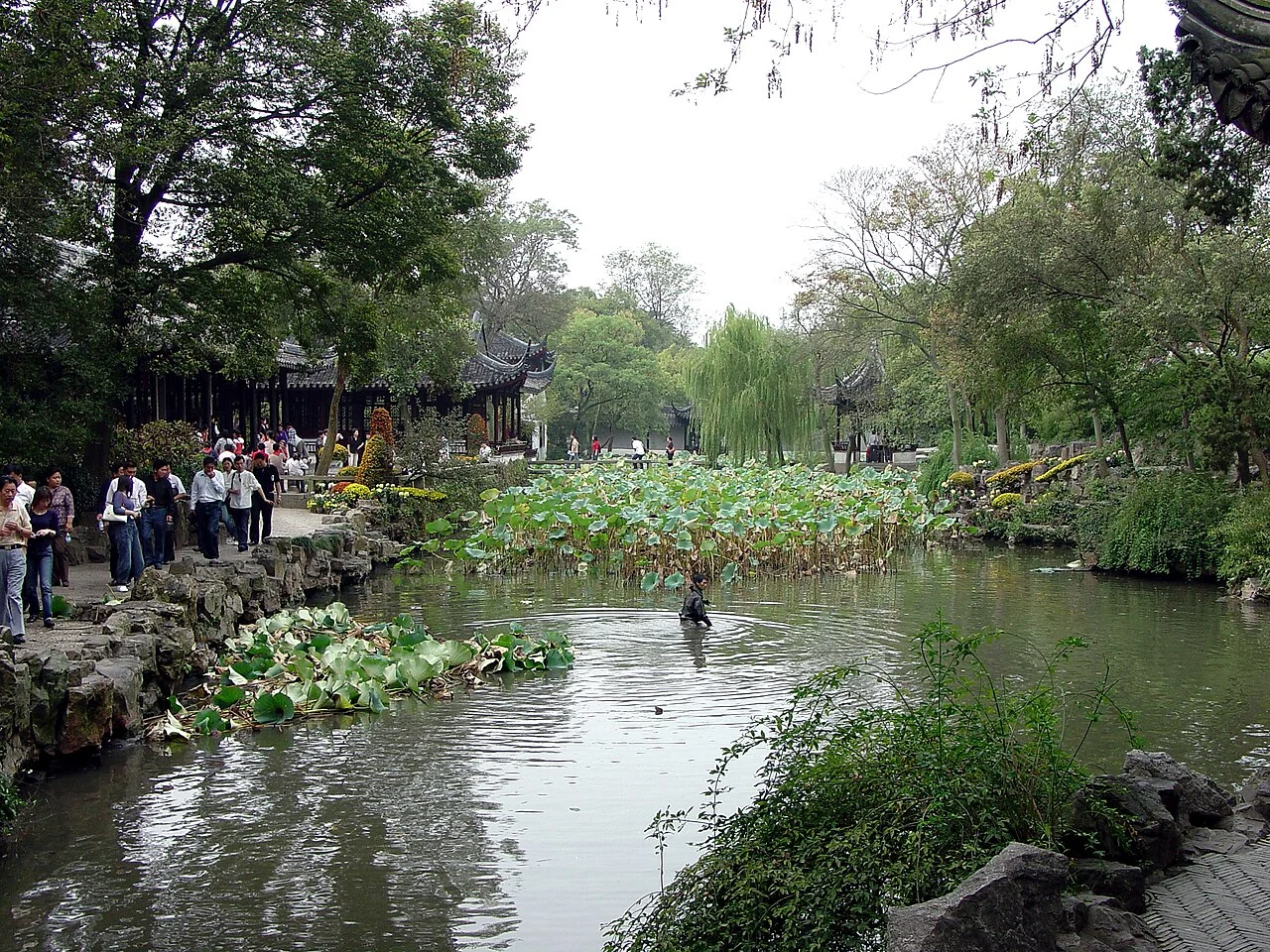

Place this meal around the Humble Administrator's Garden or Lingering Garden visit. If a reserved entrance is approaching, a distant restaurant may disrupt the whole morning; somewhere on your real route can be a better choice. Rather than adding several side dishes automatically, decide according to your appetite and the walk still ahead. Soup ingredients also matter when you have dietary restrictions. A vegetable topping by itself does not establish that the entire preparation is meat-free. Once you have made the necessary check, keep the meal relaxed: finishing something warm at a seated table and leaving without a rush is a useful beginning to a sightseeing day.
Songshu guiyu: build dinner around a shared fish
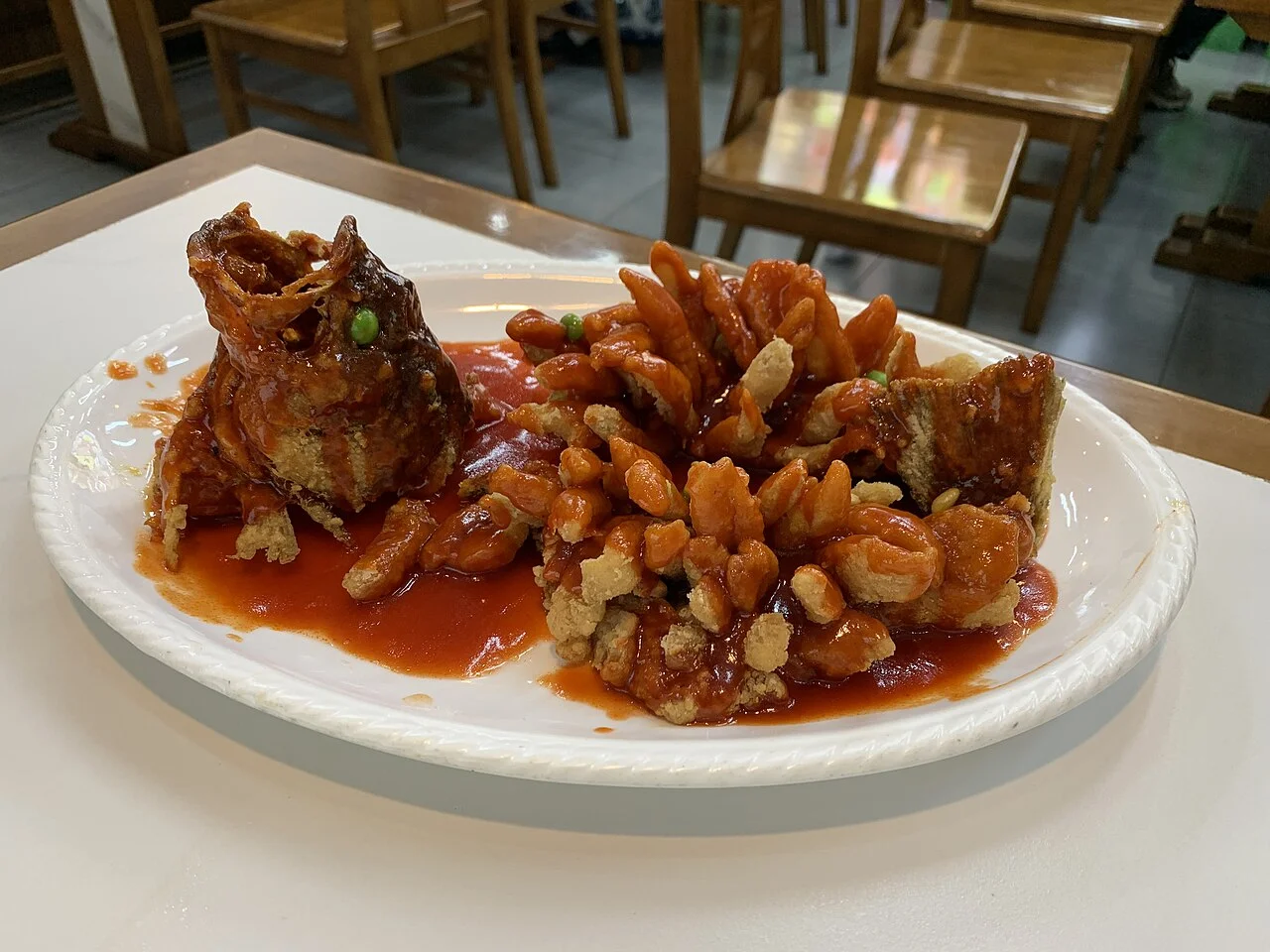
Songshu guiyu, squirrel-shaped mandarin fish, is a recognisable name on a Suzhou table. The city's dish description explains how cuts in the fish open into its distinctive shape during frying; sweet-and-sour sauce is another characteristic. The squirrel name refers to presentation rather than to an animal ingredient. Consider it the centre of a shared dinner instead of a quick street snack. When choosing accompanying dishes, think about the number of people at the table and what else you intend to order. One fish, a few complementary smaller choices and an unhurried sitting can make a clearer introduction than several substantial dishes competing at once.
Look at the presentation before serving, but do not keep everyone waiting merely for photographs. Allow time to notice the sauced outside and the fish within together. Additional ingredients vary between preparations, so seafood restrictions should not be considered only in terms of the main fish. Consult the day's actual menu for portion and price. Historical dish descriptions may contain stories and old business details, which are not guarantees about a present restaurant. What matters for your visit is the plate genuinely available where you are eating and how it fits the shared table. Let dinner be an activity of its own rather than the last hurried appointment of the day.
Biluochun and shrimp: one name in two forms
Biluochun may appear not only as a drink but also alongside shrimp in a local dish. The municipal cooking description explains a preparation combining shelled shrimp with tea. It is worth researching when a shared table wants something different from squirrel fish. You need not order both dishes on one evening; with two days, separate dinners can make their differences easier to notice. Choose an anchor dish first, then arrange the rest of the meal around it. As more plates arrive, the table can become harder to understand. A few clearly chosen flavours provide a more useful introduction than ordering everything with a regional name.

Remember that tea flavour in a dish is not the same experience as drinking a separate cup. The shrimp preparation may also involve other ingredients, so seafood or egg restrictions need an explanation from the kitchen. Do not assume a local name provides a complete recipe. You can keep the day's sightseeing straightforward when planning this meal: a garden morning, a short street walk later, and a seated dinner. Giving the food its own time allows its details to emerge. The Stork is suggesting two distinct evenings with different centrepieces, not a competition to complete every speciality before the end of the trip.
Tea and gaotuan: give Pingjiang a proper pause
A Biluochun tea stop creates a lighter part of the food day. Official city material associates the tea with the Dongshan and Xishan areas around Taihu. A 2026 picking-season report discusses spring harvesting, but that does not establish the harvest or quality of every product in every shop. Drinking a cup and buying a packet to take home are different decisions. Sitting down to see whether it suits your taste can be a smaller first step than committing to a large purchase. Leave a few minutes for talking about the walk or simply resting. Tea deserves a place in the day beyond being something consumed while rushing to another stop.
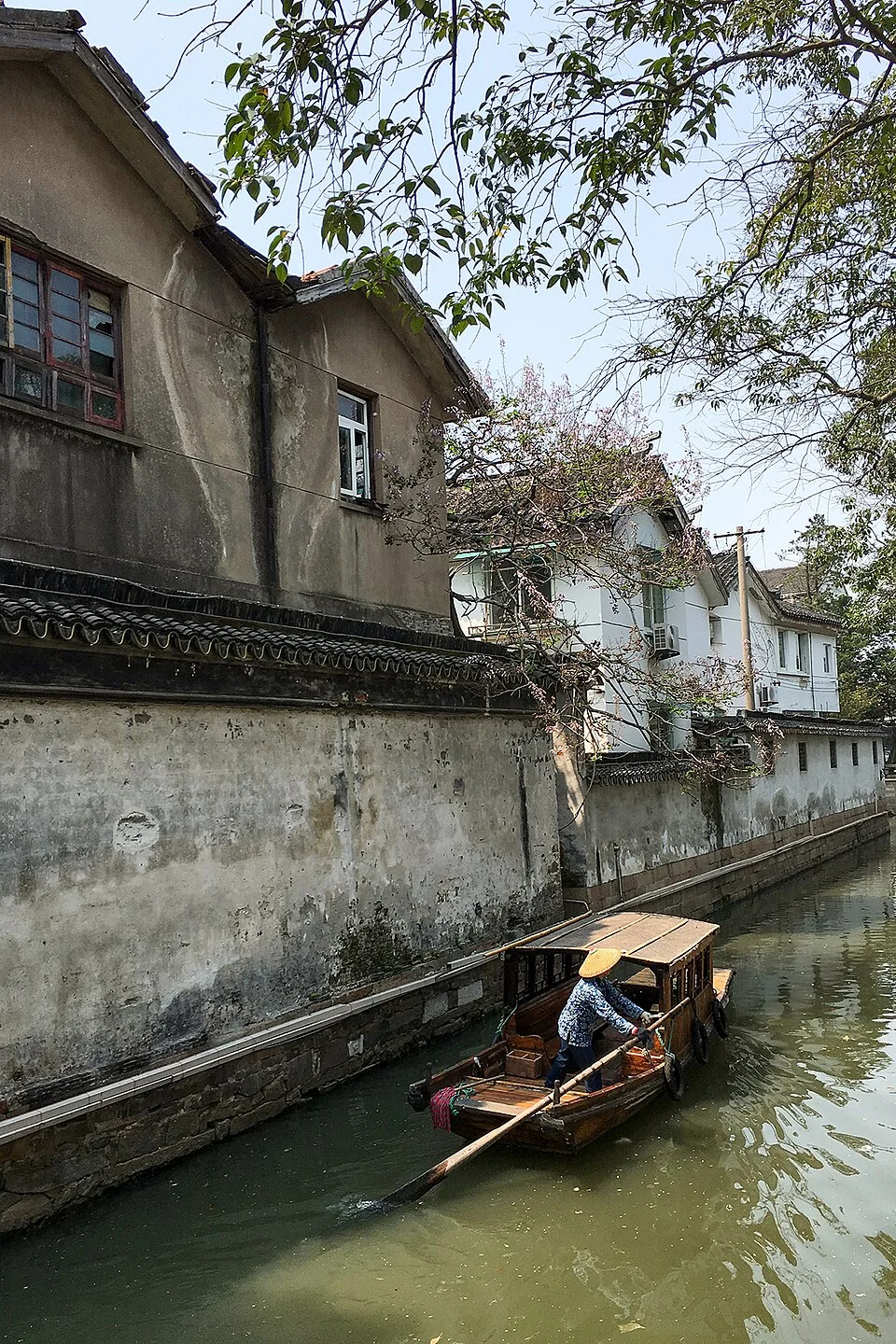

You can also investigate rice-based sweets described as gaotuan. Sharing a small amount allows room to try a different texture without turning the pause into another full meal. Along Pingjiang, there is no need to save a rest until you have completed every stretch of street. Sitting when your energy drops can be the more enjoyable choice. Adjust the amount to the dinner still ahead, and check the actual filling or seasonal choice displayed rather than treating every sweet as interchangeable. A short tea-and-sweet break leaves space for the next meal while giving the afternoon an identity of its own.
A food route for garden and canal days
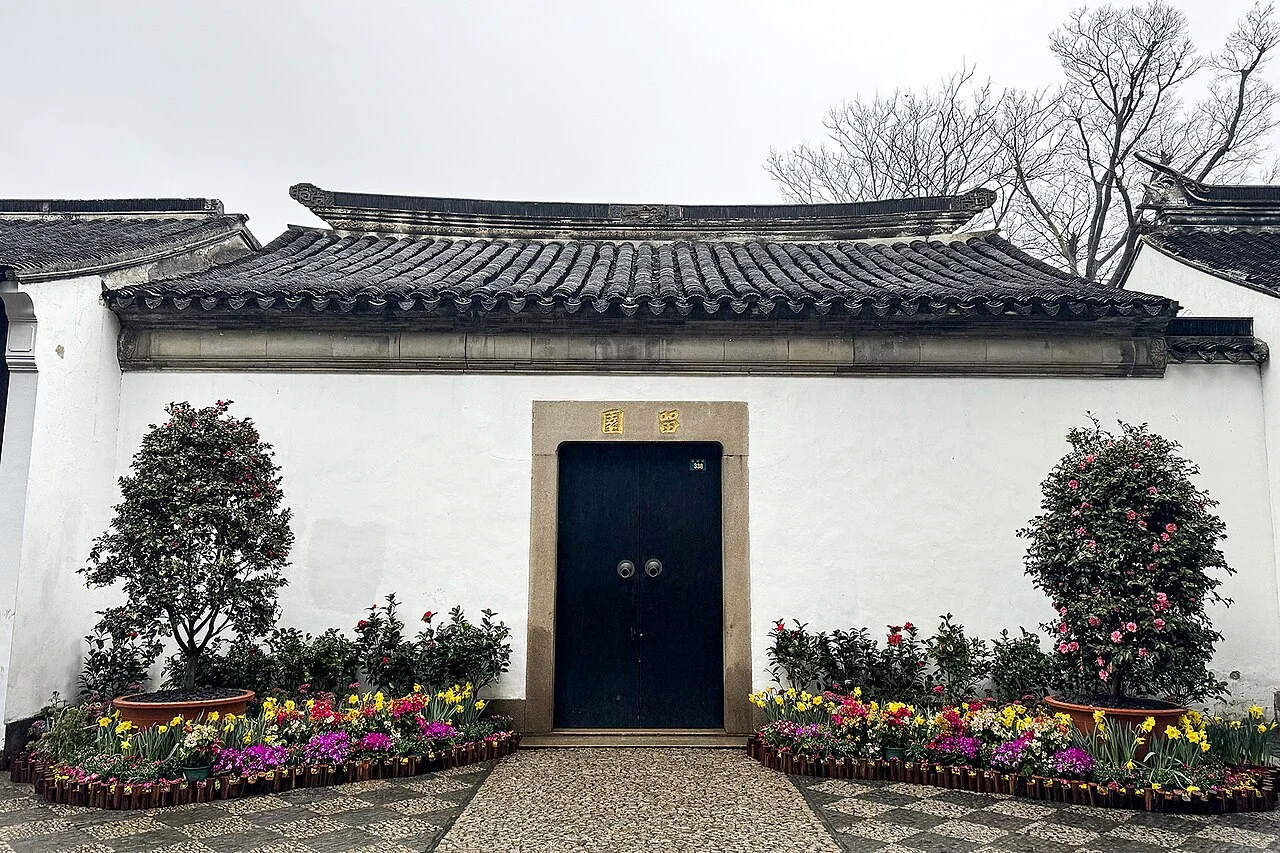
On day one, begin around the Humble Administrator's Garden, follow with noodles and use Pingjiang for tea. If dinner fits your programme, reserve that part of the day for squirrel fish. Three different meal scales then support the sightseeing instead of competing with it. On day two, visit the Lingering Garden, take a shorter Shantang walk and investigate another shared dish such as tea shrimp. This outline does not assume fixed restaurant hours: check real addresses, current menus and service times for your date. A garden reservation should guide the meal arrangements around it. Adding a distant famous restaurant may require removing another stop rather than stretching the day indefinitely.
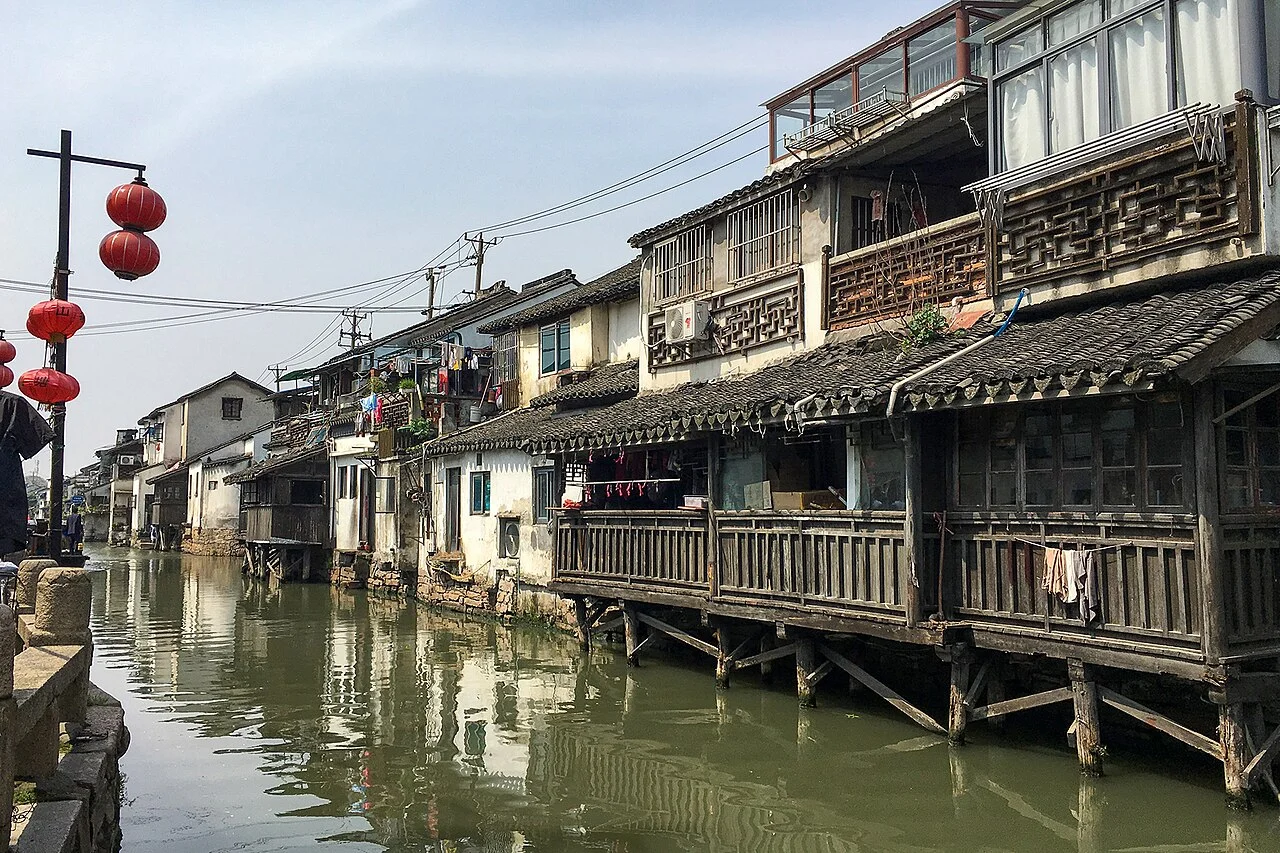

The city's 2026 transport introduction points to Xiangmen on Line 1 and Xuanqiaoxiang on Line 6 for Pingjiang, and Shantangjie on Line 2 for Shantang. Consider the restaurant together with these connections and your hotel's actual position. Gusu or the old-city area can be a starting point for accommodation research, but usefulness depends on the particular street and station connection. If you are returning to Shanghai, avoid turning the train into a final dash after dinner. A food plan is more enjoyable when it leaves a comfortable return. A dish saved for another visit is not a failed meal.
A single day and flavours to take home
With one day, do not compress the two-day food outline into one sitting. A noodle meal, a short tea stop and, if time allows, a shared dinner can provide a varied introduction. If a large fish or another substantial dish does not suit two people, consult the portion choices genuinely available. When buying tea to take home, examine the label, weight and storage information rather than choosing only an attractive box. Check your destination country's rules separately when carrying food or drinks. This guide offers names and a way to position them within the day, rather than a shopping guarantee or a claim about all products sold in the city.
Tatilmerkezi Stork's last suggestion is to give each meal a purpose. Breakfast can support the walk, a pause can restore energy and dinner can create a shared table. Choosing one flavour does not dismiss all the others; it simply leaves them for another time. Solo visitors can begin with smaller choices, while a group can widen the shared dinner. Local names, a real route and enough time together make Suzhou more distinct than a generic Chinese menu. A well-placed table between gardens and canals helps give the journey its own rhythm.