

The pleasure of a solo city trip is being able to follow a street without persuading anyone else. Tatilmerkezi Stork suggests using that freedom to understand your own rhythm, rather than filling every day with more stops. For a first trip alone, do not choose a city solely through an attractive photograph or a safety ranking. The journey from arrival to accommodation, places where you can sit for a meal, your interest in walking and the option to switch to public transport all shape the experience. Copenhagen, Amsterdam, Tallinn and Bruges offer four different arrangements. This guide does not declare any city risk-free or the universal winner for solo travel; it helps you decide which everyday structure may suit you.
Copenhagen: connecting two parts of the day with a meal
For a solo day in Copenhagen, connect a shorter walk around Strøget with a place to eat. After exploring squares and streets in the morning, comparing options around Torvehallerne can provide a local pause without turning the restaurant decision into a separate lengthy task. The official destination account introduces smørrebrød as a Danish open-faced sandwich. When it is actually on the menu, selecting one topping can be a simpler beginning than preparing an extensive tasting list. After lunch, decide whether the second half belongs in the same centre or another neighbourhood. Eating before making that choice also gives the day a natural point at which to slow down.
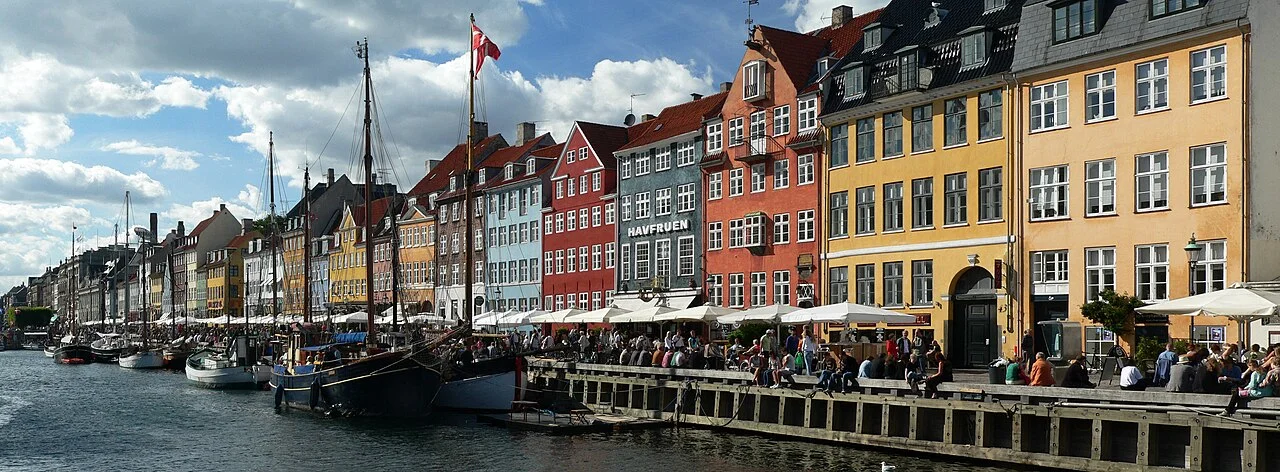

Set aside a smaller section for the Nyhavn waterfront, or make the museum that interests you the principal appointment. Travelling alone does not mean continuing along every street; reducing the programme when weather changes is another part of the freedom. Compare accommodation through the actual transport stop, check-in arrangements and the journey back from the day's final section. Move out of bicycle lanes and passage space when taking a photograph. For a late return, verify the service for your particular date rather than relying on a general timetable. A market lunch, one museum or neighbourhood and a waterfront pause can form a balanced first day without feeling unfinished.
Amsterdam: one canal section and a proper meal pause
A comfortable solo plan in Amsterdam begins with a canal section and a nearby neighbourhood, rather than every ring of canals. Make a shorter morning circuit around Jordaan and have lunch within the same area; it reduces the pressure to follow every attractive street encountered on the way. The official visitor account emphasises using pavements and paying attention to bicycles and tram movement. Step away from passing traffic when checking a map or making a photograph. Finding a suitable place to stop beside the water should be a natural part of the walk, not something accomplished by blocking the route used by people going about their day.
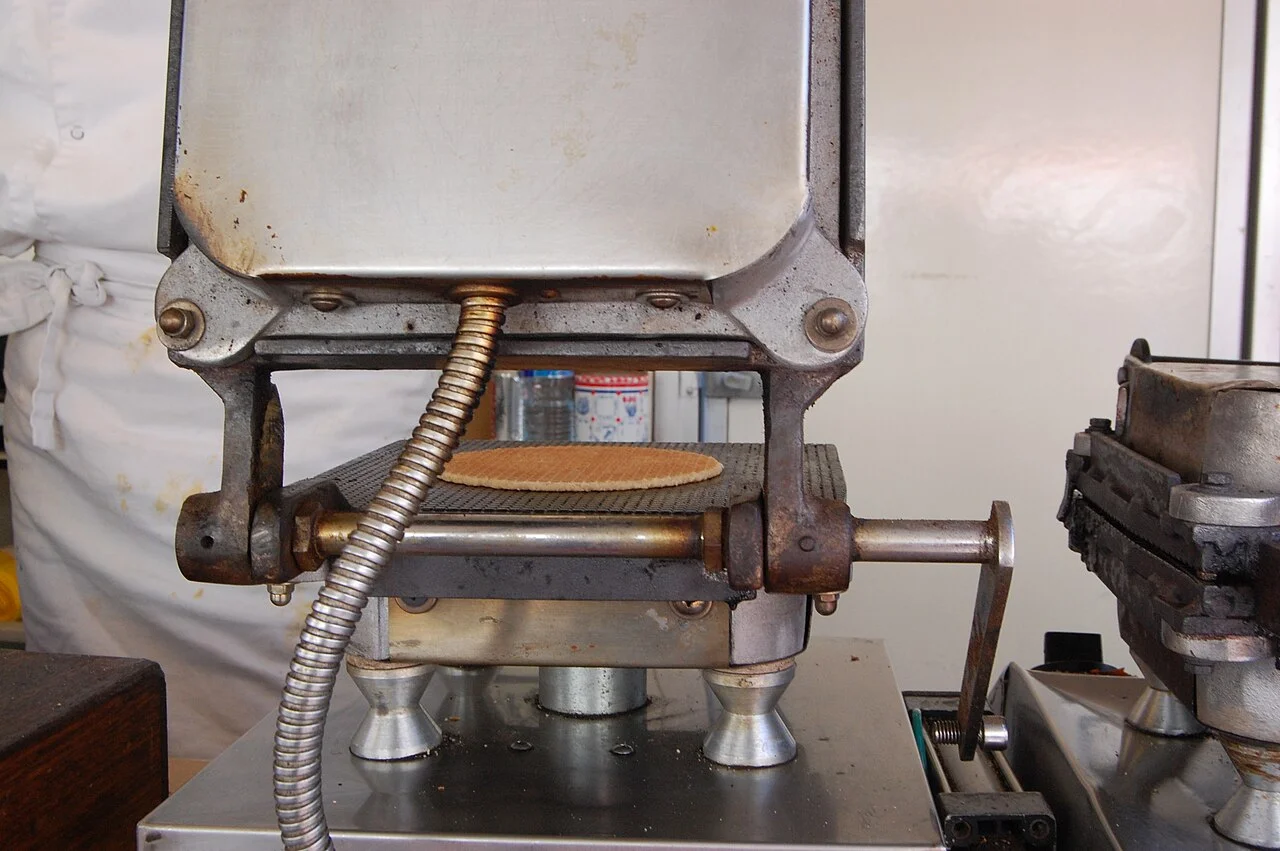

Choose a different need for the afternoon: a museum, a longer neighbourhood exploration or simply sitting down. Bitterballen genuinely available on a menu can introduce a Dutch savoury snack with a hot filling, while a stroopwafel offers a shorter sweet pause. You do not have to try both in the same sitting. Choose a place where the menu, seating and your budget suit the kind of meal you want; a long table pause and a quick standing snack can work on different days. If moving to another district in the evening, examine the actual tram or other official transport connection first. Travelling alone does not oblige you to finish every distance on foot or expand the day late at night.
Tallinn: separating the Old Town from another neighbourhood
In Tallinn, give the Old Town's stone streets one section of the day and a neighbourhood such as Kalamaja another. Beginning near Viru and making a shorter circuit through a square and nearby streets can be simpler than fitting all the upper viewpoints into the same morning. The official visitor account notes that cobblestones and high kerbs can make the Old Town challenging for people with mobility impairments. Consider those surfaces when comparing luggage routes and room entrances: a central address does not automatically make arrival effortless. Examine the distance between the useful transport stop and the actual door independently, rather than judging only by the property's position on a city map.
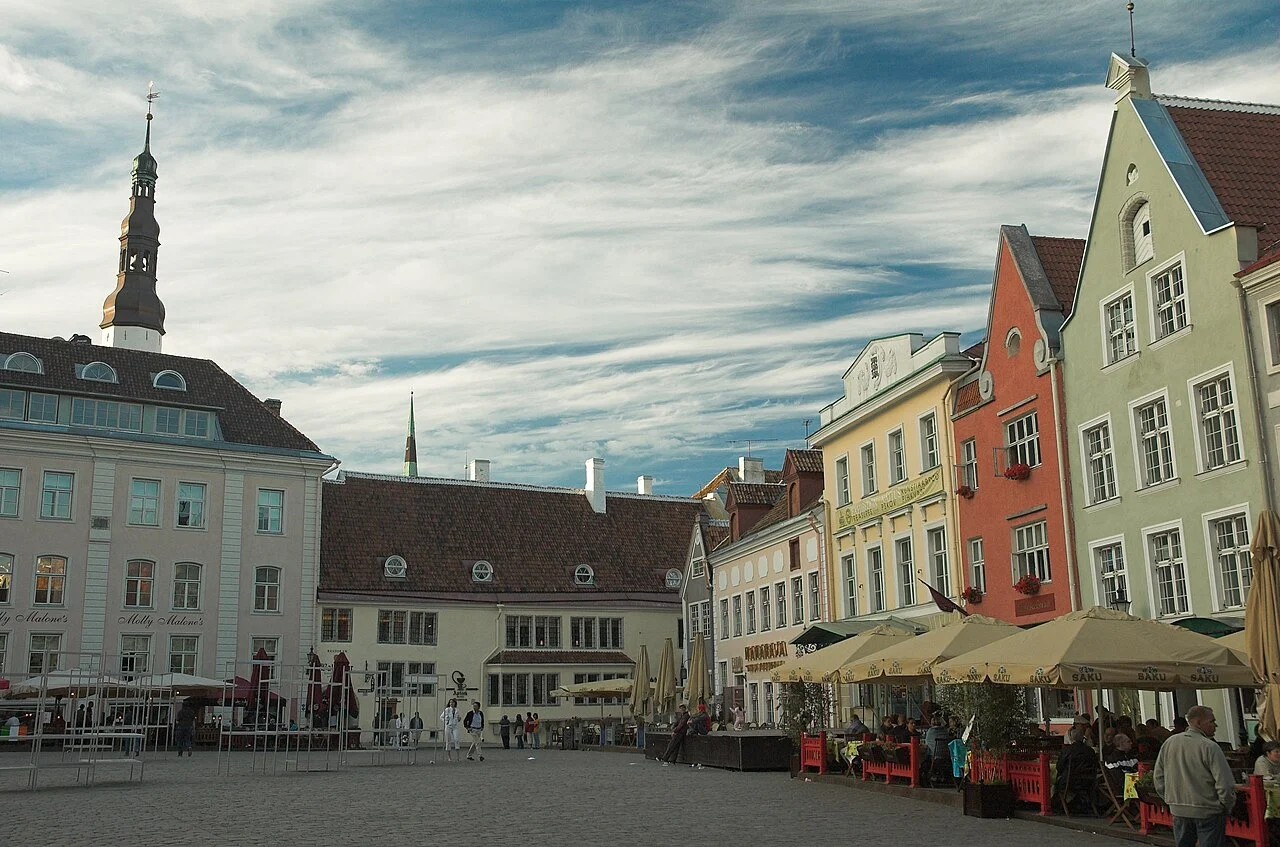

Towards Kalamaja or Telliskivi, organise a meal through a café, bakery or available market option. These areas show a different part of everyday life from the Old Town's architecture. For a solo visitor, that change renews the day's atmosphere without moving to another city. Connect the stops with soup, bread or a warm meal genuinely offered that day; the aim is not to increase the number of restaurants visited. On returning, choose the official transport network or a shorter walk appropriate to your own conditions. An Old Town section and one other neighbourhood make the limits of a first solo day easier to manage while retaining variety.
Bruges: a smaller-scale day and a chocolate pause
Consider Bruges when you want a day away from a larger city's busy programme, or an overnight stay at a smaller urban scale. Combine the Markt surroundings with one canal section; after the view at Rozenhoedkaai, choose another shorter waterside stretch. A compact centre does not require completing all the museums or boat options. Returning to a bridge in different light can be as rewarding as adding a new attraction. If arriving by train, establish the station connection at the outset rather than allowing a last-minute return to hurry the calmest part of the day. At an accommodation address, stone paving and the route with luggage deserve attention beside the view.


Chocolate can become a local pause through comparing a producer or shop. The official city destination account records chocolatiers such as The Chocolate Line; verify the business's current opening through its own channel instead of assuming it is available at any hour. Arrange a separate seated lunch, leaving a smaller purchase within the day rather than making shopping its sole purpose. If taking chocolate home, consider packaging and warmth during the onward journey. For a quieter evening impression of the centre, connect that walk with accommodation and the return after dinner. The value of time spent alone in a smaller city is not measured only by the number of places crossed from a list.
A three-day outline for a first trip alone
Give the first day to arrival, accommodation and a short introduction to the surroundings. On day two choose one principal activity, one local meal and an optional section that can be removed comfortably. Keep day three to a shorter circuit or purchase pause around the actual departure, knowing in advance where luggage will remain. Book a museum or guided activity against its real programme when needed, without turning the solo visit into a succession of appointments. Across these four cities, compare time at a table, walking surfaces and the evening return together. Stork's suggestion is to remember that you need not discover your ideal rhythm in a single day: a few calmer moments on the first trip can provide the most useful information for choosing the next one.