

Making an appealing urban photograph with a phone does not require turning every holiday moment into a screen. Lucca's wall promenade, squares and historic streets illustrate how pausing to consider a frame can combine with everyday exploration. Tatilmerkezi Stork invites you on a short photographic walk in Italy: choose one principal section first, then leave real time between photography, a seated meal and the return. The licensed photographs here introduce locations; they are not all claimed to have been taken with phones. Your own device's features may differ. Starting with simple framing decisions can be clearer than assuming one application has identical controls on every model.
Prepare the phone and the day's route
Battery charge, storage space and a clean lens are small details to check before leaving. Selecting the previous day's images instead of keeping many similar frames can make the new day's records easier to follow. Try your camera app's focus and exposure controls beforehand. Apple's iPhone guide explains framing grids and a level indicator; official Pixel Camera help also describes focusing on a particular area. These are examples for specific devices. With another model, consult the manufacturer's own help record for the relevant feature rather than expect controls at the same location or an identical result.
For a Lucca day, choose a wall section and a square section rather than photograph the entire historic centre at one pace. Consider the connecting route, meal break and return to accommodation together on a map. A smaller programme leaves time to try several approaches to the same setting. If adding a church interior or paid cultural visit, separately inspect that institution's current admission and photography arrangements. An exterior facade photograph and photography inside need not have identical permission conditions. Where photography is unavailable, continuing the visit can be easier than making the whole day depend on that single frame.
On the walls: separate landscape, path and human scale
Lucca's official tourism record describes the walls as a city park and promenade in everyday use. Begin by noticing the path itself. In one image, consider the line of the tree-lined walk and its surroundings; in another, examine the urban fabric seen from the walls. Decide which element is the principal subject instead of putting everything into the same frame. A screen grid may help compare lines, without making perfect symmetry a competition you must win. Tree shadows, the direction of a path and distant rooftops can offer different stories, even while remaining within the same short section.


Keep the passage clear when stopping to frame a photograph. Walkers and other everyday users share the same space. Think about how you will continue after the shot as well as where to make it. Before taking a step backwards to change the composition, look at the ground and people around you. Stabilise the phone and select focus after stopping. Several considered attempts can make the final selection easier than a large number of similar frames. Returning to a short walk without looking at the screen lets you notice the city's daily rhythm alongside its photographic appearance.
Piazza dell’Anfiteatro: do not put everything into one frame
Around Piazza dell’Anfiteatro, consider the shape of the open space and relationships between facades from different directions. A broad image introducing the square and a selected window or entrance detail perform different tasks. The first establishes the setting; the second directs attention towards something smaller. If using the phone's wide-angle option, inspect how facades look near the edges. Lens and processing arrangements vary by model. Compare an upward view made very close to a building with a frame chosen from further away. Doing so does not require occupying the same position in front of other visitors continuously.


Make the square section part of its own half-day programme. After several photographs, select an actual business where you can sit for a break. When photographing your table or other people's meals, remember that those people also belong to the place; avoid making everyone an unintended principal subject. For a detail, choosing the intended focus point helps you understand the phone's automatic decisions. Official Pixel help describes tapping a particular area to focus, with implementation to check on your own model. Technical options should make an everyday scene clearer, rather than encourage continually magnifying every urban detail throughout the visit.
San Michele, San Martino and observing light
Consider the facades around San Michele and San Martino in another urban section. Notice how sun, shade and viewpoint can make the same building look different. When a frame combines dark shadow with bright stone, automatic exposure may not select your preferred balance. Try your device's focus and exposure tool; every photograph need not reach identical brightness. Adding a detail to a wider image introducing the facade creates a different account from keeping only one broad view. Change position within safe, permitted space rather than use a closed area or obstructed passage in pursuit of a better angle.


An indoor visit does not have to enter exactly the same programme as exterior photography. Visitor and camera arrangements inside belong to the institution's own rules. Where photographs are permitted, follow current guidance about flash or other features. Seeing a moment directly also belongs in the journey. When choosing accommodation, assess daily walking access in the historic centre alongside the first arrival with luggage. For evening photography, establish the actual route back to your room beforehand. Decide how long to remain out according to your need for rest as well as the number of images you hope to make.
A tordelli pause and turning photographs into an account
Visit Tuscany introduces stuffed tordelli pasta and the sweet bread buccellato among Lucca's local food examples. If offered on a real menu, either can be investigated for a meal or short pause. Select something you actually want to eat instead of treating food only as a photographic object. A wall walk, a square section and a local meal provide three connected experiences in one day. For the food photograph, choose a principal subject rather than fill the frame with every object on the table. Closing the screen and allowing time for the meal makes an equally meaningful part of the travel account.
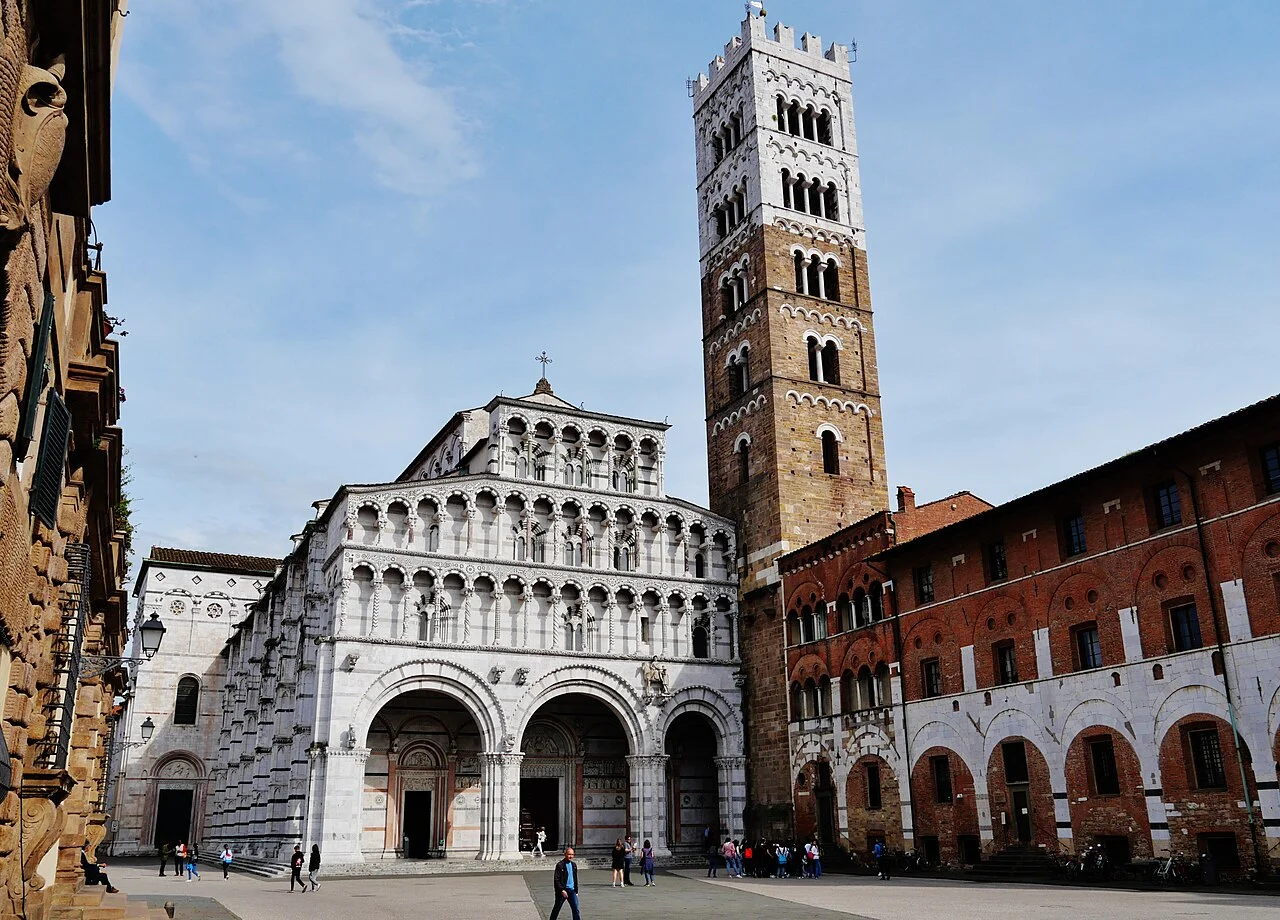

When selecting photographs at the day's end, consider an establishing location view, a path or facade detail and a pause image together. You need not change every frame through the same filter; try to keep actual light and colours understandable. For a backup service, check the internet connection and your own account settings. Label the photographed place accurately when sharing it rather than decorate it with another city or building's name. The Stork's phone-photography note makes space for several more considered images in Lucca instead of simply a larger quantity. Let photographs become meaningful short pauses between the walk, the meal and the actual city.