
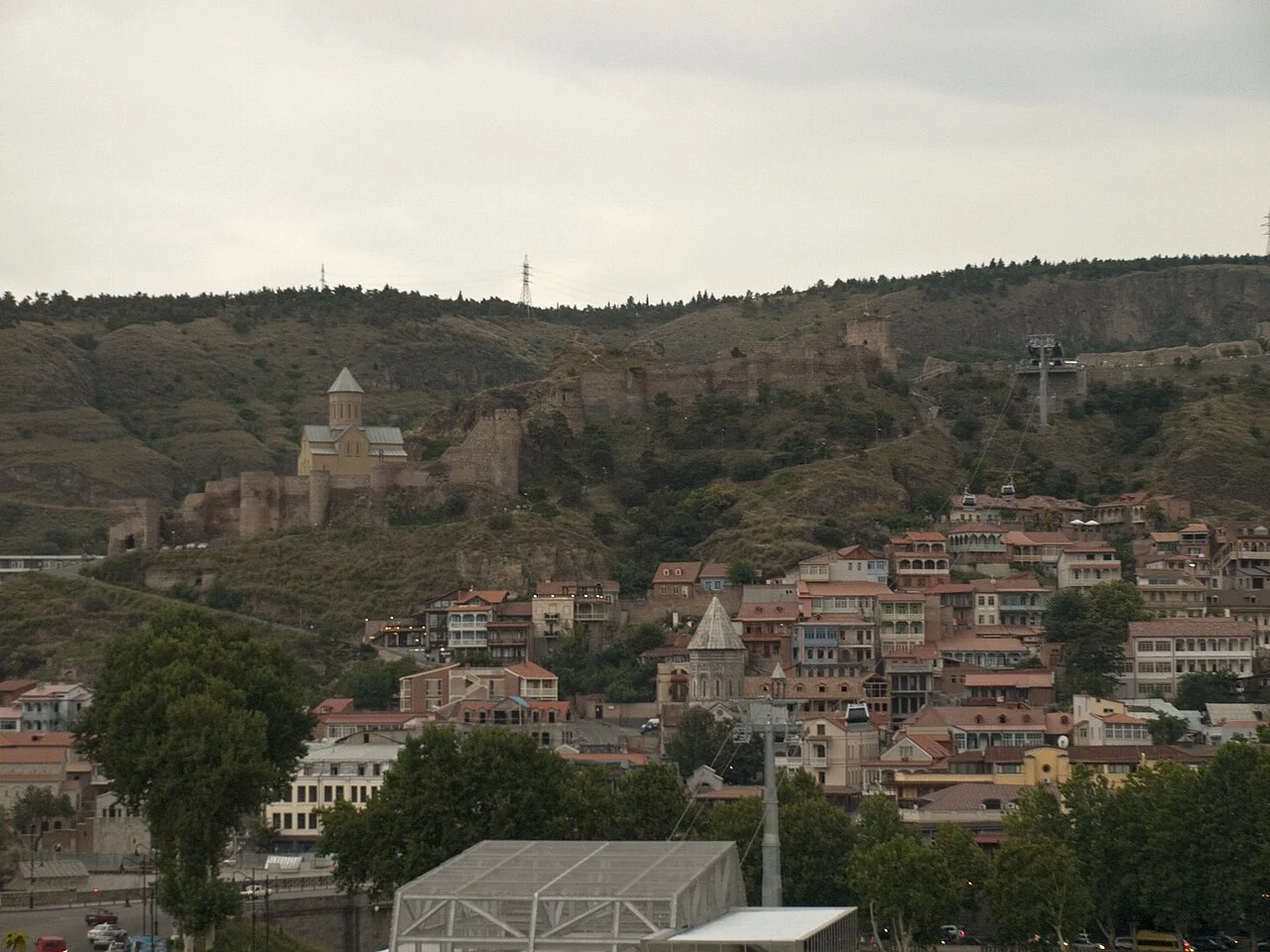
Tbilisi is difficult to understand through a single panoramic photograph. Streets beside the Mtkvari, brick bath domes, inscriptions on old stone and a small gorge reveal a capital at several different scales. Tatilmerkezi's Stork suggests starting with a compact old-centre walk and then expanding around the river, rather than packing distant attractions into the same day. Tiflis is the Turkish name you may encounter for Tbilisi; recognising both can help when comparing maps and travel material. This guide offers an itinerary, not invented memories of a personal visit. Its purpose is to make room for your curiosity, pace and practical needs.
Start with Freedom Square and the older streets
Freedom Square and Kote Apkhazi Street make useful reference points for an initial walk. The national tourism description connects this street with Vakhtang Gorgasali Square, commonly called Meidani. The pleasure of the route does not depend on reaching its far end quickly. Leave time to look into side streets, pause for coffee and notice the difference between broad squares and narrow passages. Check slopes before following an apparently short detour: steps and changing surfaces can affect walking comfort in the older centre.
If you see churchkhela or tklapi in a shop, ask what goes into the product instead of treating it only as a colourful photograph. Fruit, nuts and recipes can vary. An open courtyard door does not automatically make a residential space public, either. Respecting privacy is a small but valuable part of exploring a lived-in city. A first-day route built around the street pattern, one food break and some time beside the river can leave you with energy for the next outing.
Abanotubani: see the domes, plan bathing separately
Abanotubani's bath district gives the old centre one of its most distinctive scenes. Walking among the brick domes and buying a bathing service are different visits. If you want a private room, a shared space or another service after the outside walk, ask the operator about booking, duration, hygiene arrangements and the full scope of the cost. An old price circulating online is not a current quotation. This guide does not present the baths as medical treatment; consider your own comfort and needs in a hot environment.
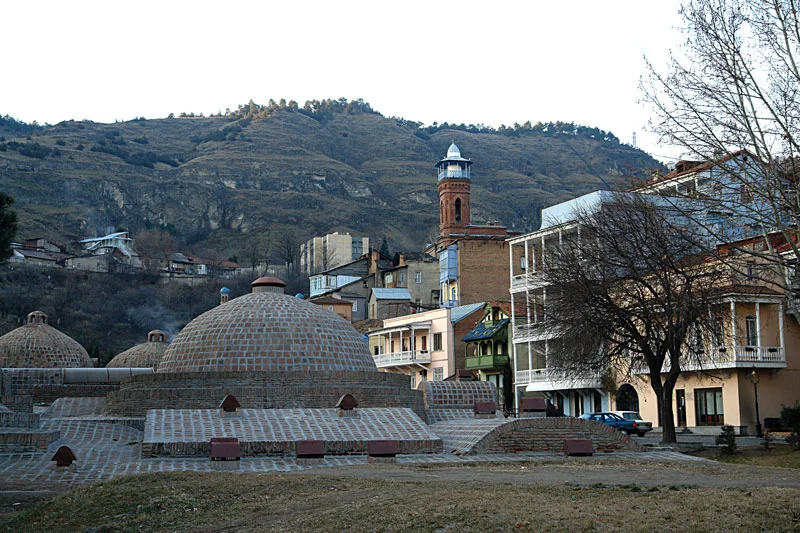

Take time to look at the combination of brick, stone and traces of water. Keep other visitors' and workers' space clear when photographing. The fact that people are taking photographs outside does not establish permission inside service areas. Evening lighting may be attractive, but learning the route and return connection in daylight can make the walk more comfortable. A historical image of the domes illustrates the district; it does not demonstrate that every business currently operates under the same conditions.
Leghvtakhevi opens a small valley within the city
Turning from the bath area towards Leghvtakhevi introduces a different landscape without leaving the central sightseeing area. Georgia Travel describes the gorge, its stream and waterfall as a distinct place to explore. The photograph here shows part of the approach rather than the waterfall itself. That distinction matters: neither an archive image nor a scenic description guarantees complete access or the amount of water on your particular day. Weather, maintenance and local notices can affect the plan.
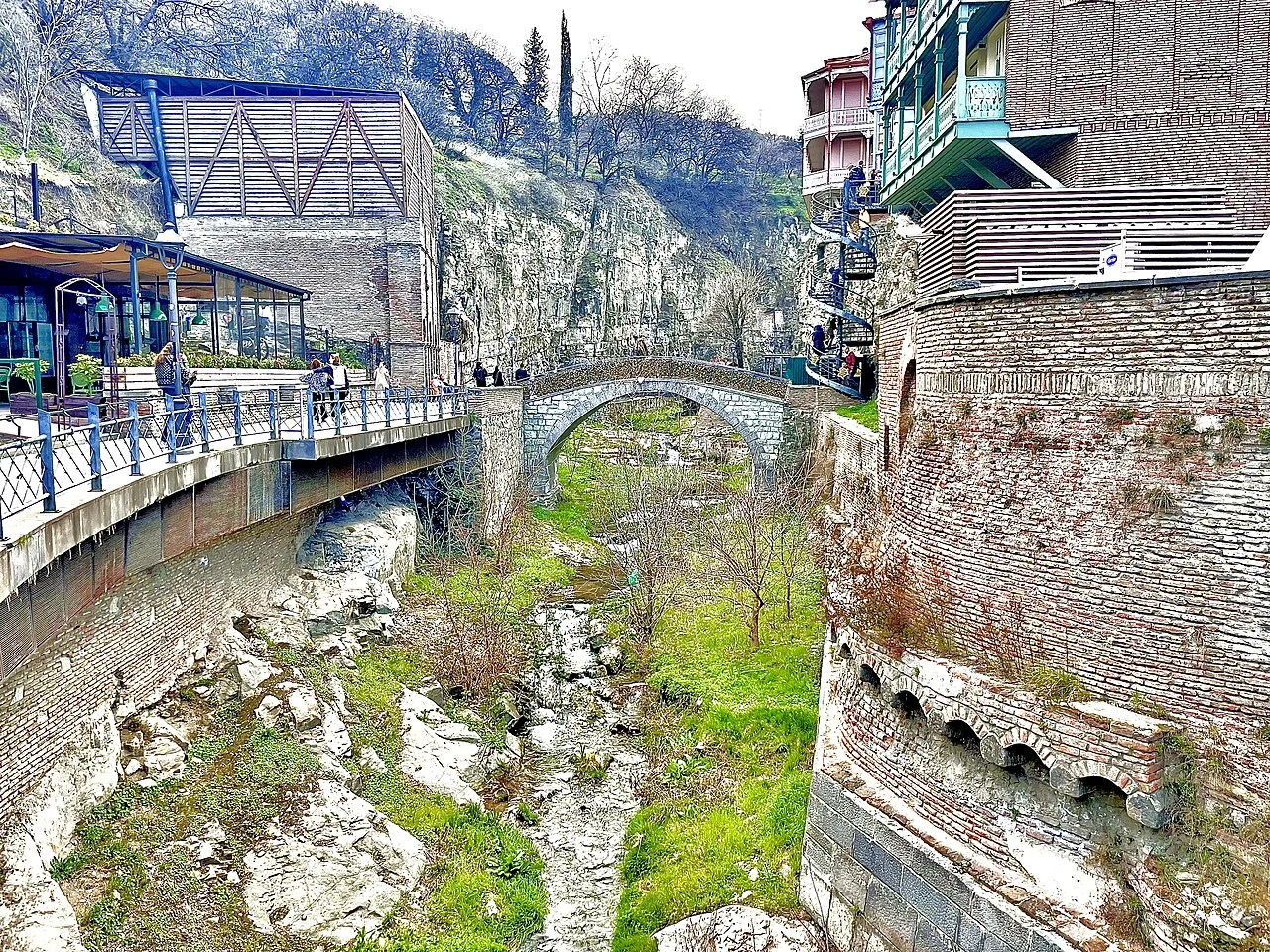

Watch for slippery ground, narrow sections and people stopping to take pictures. Keep children close near edges and do not enter closed areas for a photograph that appears closer to the water. If a popular viewpoint is crowded, you can appreciate the light and sound of the gorge without spending the whole visit waiting for one frame. Continuing towards a botanical-garden or hillside outing should be a separate decision. Check the actual distance, gradient and access rather than assuming that every nearby attraction forms an effortless extension.
Metekhi gives the river walk another perspective
Crossing towards Metekhi lets you consider the river and older city from a different side. Reaching the historic church area does not mean that the worship space is open to visitors at every moment. A quiet pause to look at old stonework and inscriptions can be enough. The detail photograph in this guide shows a historical inscription on Metekhi's exterior; it is not an overview of the whole church or the modern statues nearby. Small architectural details can add as much interest as a broad skyline.
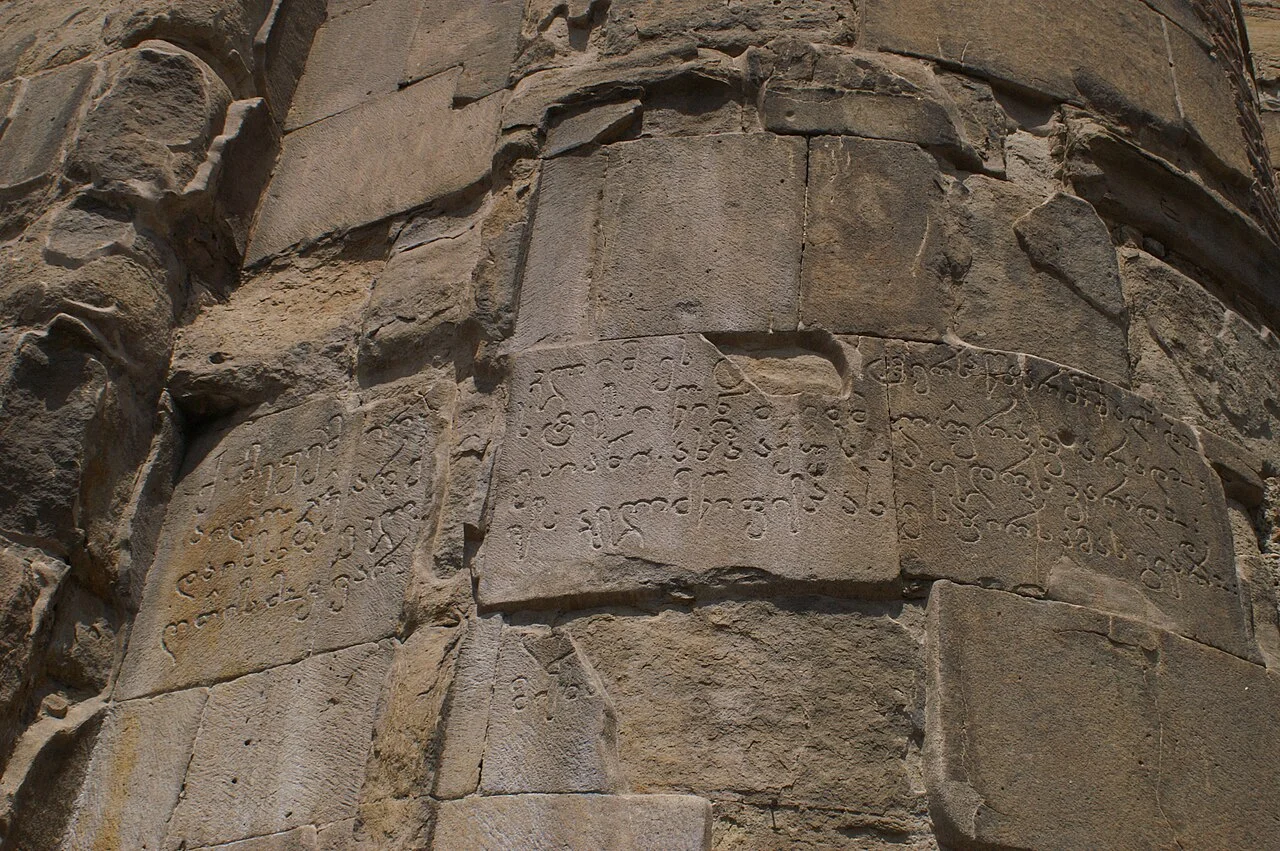

Think about bridge crossings and your return on the same map. Places visible along the river can feel very close, while their practical walking connections and gradients differ. Stop in a safe space rather than on the edge of a road or in a narrow passage when taking a photograph. Knowing which side of the river you will use for dinner can avoid a tiring extra crossing later. What matters here is a set of stops that connect sensibly, rather than the speed at which you complete them.
Separate the Narikala view from access to the fortress
Narikala forms an important part of the silhouette above older Tbilisi. Seeing it in the distance does not establish that every internal area is accessible or a particular transport option is operating that day. Check current official information about restoration, maintenance and visitor arrangements before choosing a hillside visit. This guide does not turn an earlier tourism description of a cable-car journey into a current service guarantee. A landscape walk and entry to the fortress are separate plans.
Give a hill visit a time slot that suits the weather and your energy instead of adding it randomly to the end of an unfamiliar central loop. Footwear and light for the descent can matter. Do not consider a tiring climb compulsory merely to reproduce a photograph: the city also reveals itself from lower streets and the river. If part of the route is closed, choose another public viewpoint or a central walk rather than passing barriers. An enjoyable trip does not require every early idea to remain unchanged.
Picking accommodation and planning connections
The older centre or the Freedom Square area can offer convenient starting points for a first visit. When considering Sololaki, examine the slope, luggage access, steps and likely window noise as closely as room photographs. The Rustaveli area offers another option for linking different city stops. A listing that uses the word centre does not prove that every sightseeing journey will be an easy walk. Look at the actual street and the return route you will use at the end of the day before booking.
For public transport, check the operator's current routes and payment information. This guide does not freeze an old card system, fare or service number into permanent advice. It is worth thinking through the final connection from the airport or arrival station in advance. With an app-based taxi, confirm the vehicle, destination and cost terms shown before the journey starts. On a two- or three-day trip, keeping central walking loops compact and reserving farther plans for another day can reduce time spent simply moving between sights.
A khinkali meal and a manageable two-day itinerary
Khinkali can be an enjoyable introduction to Georgian cooking in Tbilisi. Ask about the filling before ordering: meat, cheese and other versions may appear under the same broad name. Georgia Travel connects the dish with mountain regions and discusses its urban variations. Eat patiently and take care with the hot liquid inside. The plate in this guide was not photographed at a named Tbilisi restaurant; it is a February 2026 culinary example used to illustrate the dish, with its provenance retained in the image record.
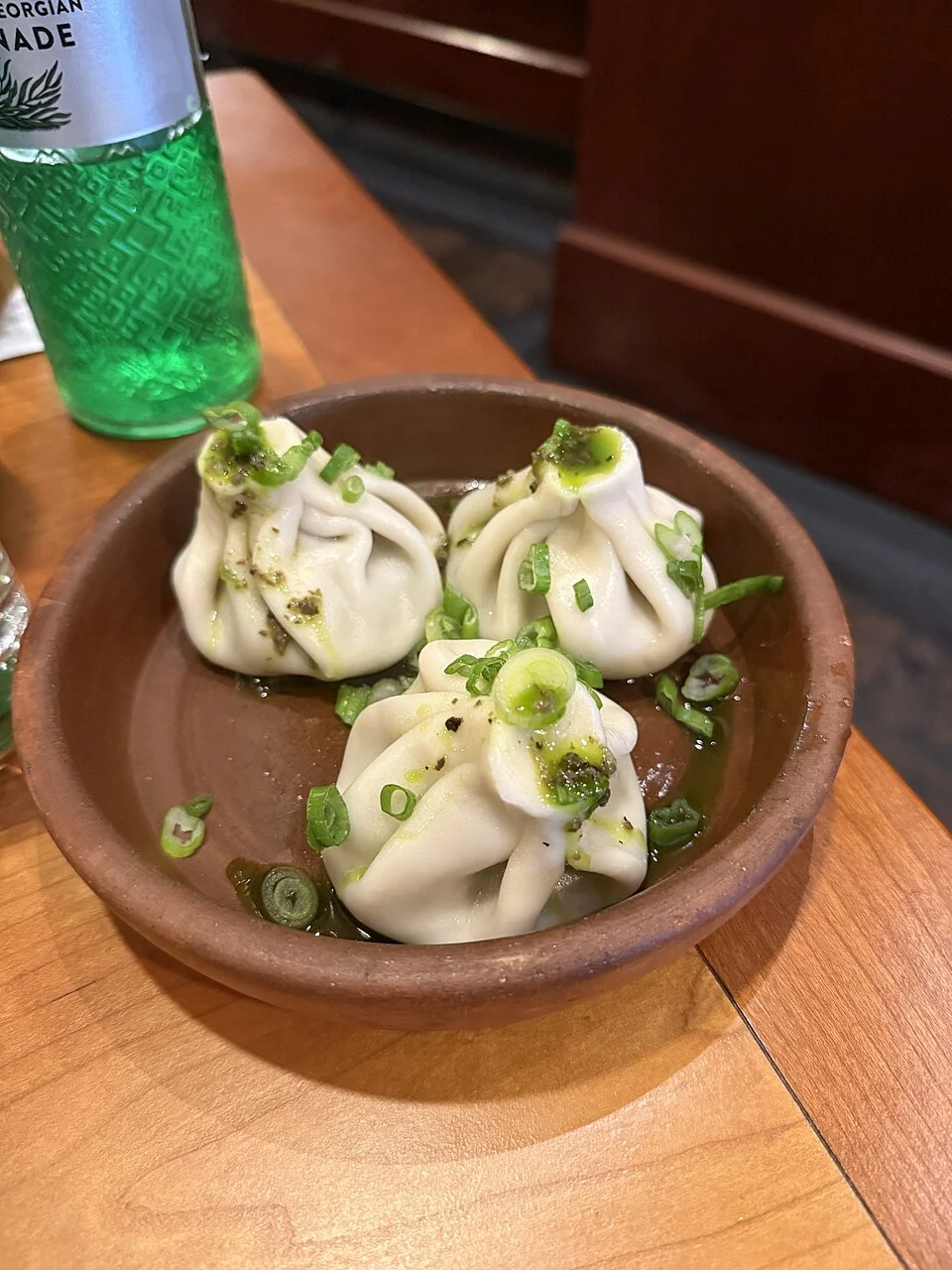

If adding khachapuri or another cheese-based dish, consider portion sizes and ingredients together. Ask explicitly about nuts, dairy, flour and other relevant allergens. Use day one for a Freedom Square, Kote Apkhazi, Meidani and Abanotubani loop with a proper meal break. On day two, choose Metekhi, time beside the river and a hillside outing if current conditions suit you; leave a flexible space for Leghvtakhevi based on weather and access. The Stork's route is designed to help you walk as far as your interest leads and still stop often enough to enjoy the city.