

A food day in Tbilisi need not begin by fitting all of Georgia's dishes onto one table. Khinkali, a small plate of pkhali, cheese bread and beans become easier to appreciate when spread across different meals. The Tatilmerkezi Stork invites you to choose one flavour that interests you and build a comfortable stop around it. This is a guide to ordering and planning rather than a restaurant ranking or a story of meals we personally ate.
Official Georgian tourism sources were checked on 3 October 2026. Image descriptions distinguish examples from locations: the khinkali and pkhali photographs do not identify a verified Tbilisi restaurant. The khachapuri was photographed in Batumi. City scenes carry capture dates and should not be read as a current business directory. Check menus, service and transport for your own travel day.
Khinkali: choose the filling before the quantity
Khinkali's folded dough and filling make it a recognisable starting point on a menu. Official tourism information describes herbs in the city-style kalakuri version. Ask whether the filling is meat or another option rather than deciding from an image. Establish the number you want, any minimum order and whether your group can share the same selection. Different appetites are often easier to accommodate with a modest first order than one large compulsory plate.
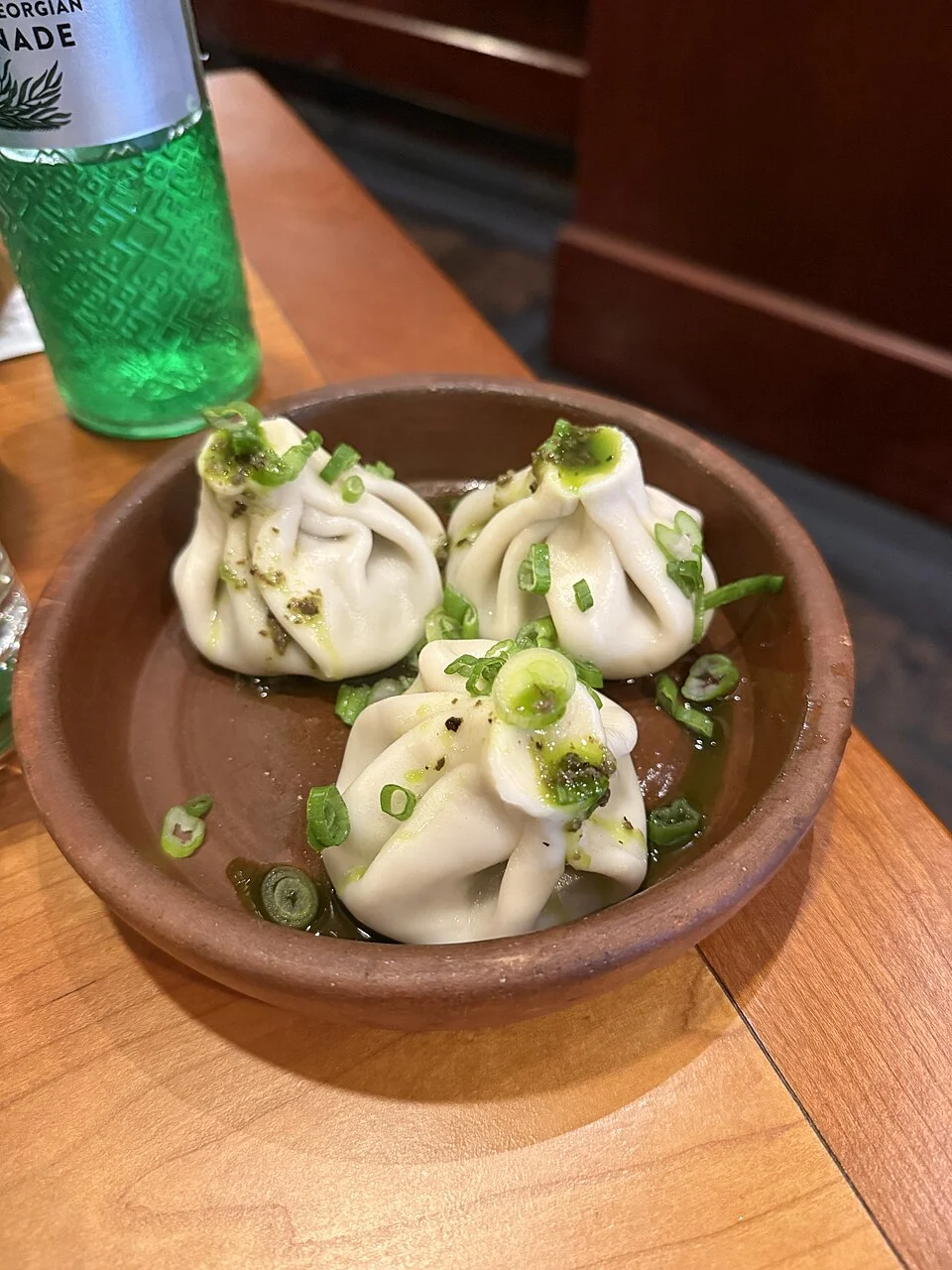

Do not rush into the hot filling. If the way of eating it is unfamiliar, ask the staff for a brief explanation. This guide is not setting a test of dining expertise; allowing for heat and broth is a useful enough beginning. A khinkali lunch need not be followed by another substantial dough dish simply because it appears on a checklist. Give the meal enough time before continuing your walk, so the new flavour gets attention and the group can leave comfortably together.
Khachapuri: regional shapes are different choices
Khachapuri does not have one fixed appearance. Official tourism material distinguishes round Imeretian, cheese-topped Megrelian and boat-shaped Adjarian versions. The boat-shaped bread in our photograph is a Batumi example, not a promise of an identical Tbilisi serving. Ask which style the menu names and what goes into it. Eggs, dairy and other ingredients may matter to your preferences, and a dish name alone is not a complete explanation of its preparation.


Consider cheese bread as breakfast, lunch or a shared smaller meal according to the day's route. If several people want to try different versions, find out the portion size first. Sharing an informed choice may work better than ordering a large bread per person and then adding other dishes for tasting. Allow time and a drink for a hot item straight from the oven. Decide whether you want a quick standing break or a relaxed seated meal before selecting the place, rather than expecting both from the same stop.
Pkhali and vegetables add variety to the table
Pkhali combines vegetable preparations with walnuts in a family of different versions. The spinach photograph illustrates one example; it is not presented as the exact recipe on your table. Starting with a small plate allows you to notice its texture and seasoning without attempting to understand the entire menu at once. Ask the kitchen directly about walnuts and other ingredients. A vegetable-based appearance does not establish that every serving meets the same dietary requirements.
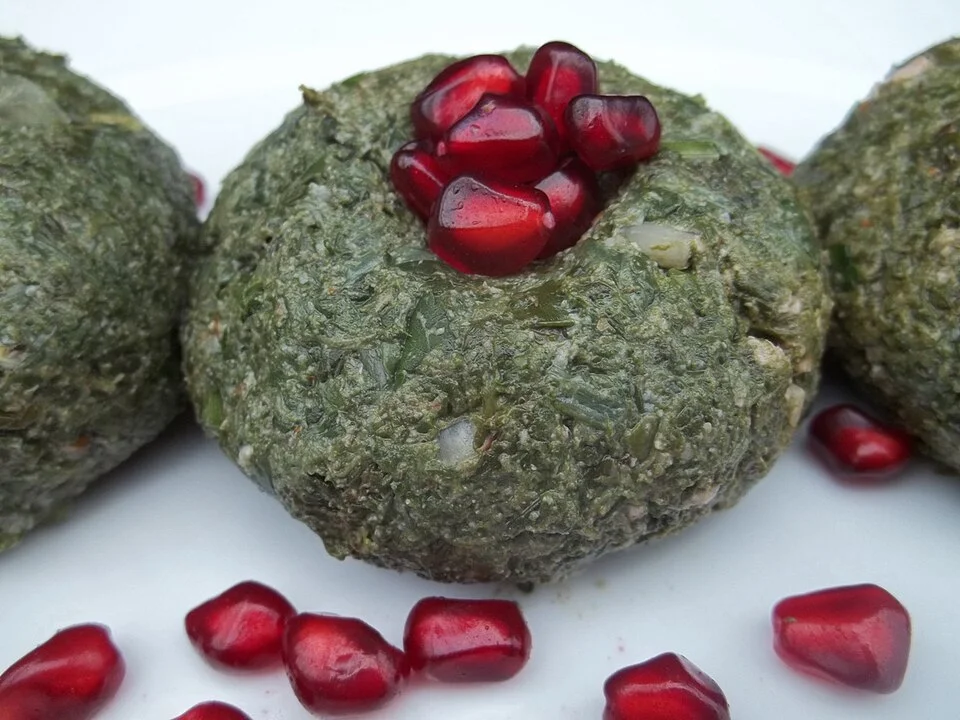

Lobio, a bean dish, and aubergine-centred ajapsandali are other names to look for. Official information describes variations, including additions to beans and meat in some ajapsandali preparations. If you do not want meat, state that when ordering. Small shared choices across vegetables, bread and a main dish can accommodate a group's different interests. Ask about the sequence before requesting everything together. Let the kitchen's service rhythm help organise hot and cold plates rather than creating a hurried, crowded table.
Leave a useful meal interval in the old town
If you plan a walk or a bath visit around Abanotubani, avoid squeezing a meal into a narrow appointment gap. Consider the finishing time and onward journey, then compare nearby options with current menus. The historic street photograph supplies neighbourhood context; it cannot establish that a particular business remains open. A busy corner alone proves neither food quality nor quick service. Look at the menu, seating and your group's requirements together.
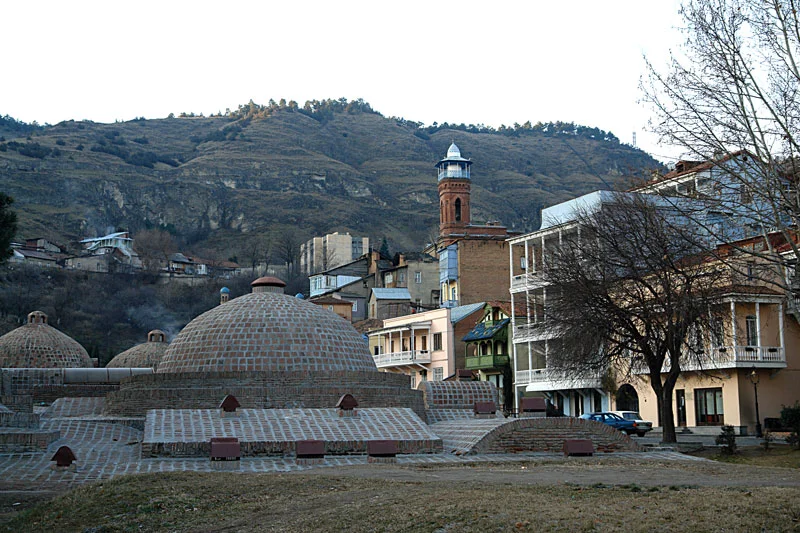

For a longer central meal, choose one main stop and keep a second break flexible. If your morning starts elsewhere and you return in the evening, avoid allowing a reservation to make the whole day a race. Accommodation location matters here: an easy return after dinner can be as useful as proximity to the first morning stop. Save an address on a map rather than relying only on a name. If a short walk follows the meal, account for slopes, weather and everyone's remaining energy.
Small decisions about sharing, drinks and budget
An ordering method is more useful than invented prices: choose a main flavour first, then add a small accompaniment according to the table's needs. Check drink sizes and how bread or side items are charged on the menu. A plate that looks large in a picture does not establish the number of diners it serves. Ask before deciding to share. Separate the budget into the main meal, smaller breaks and purchases to make the day's choices easier to follow.
Alcoholic and alcohol-free drinks are personal choices; understanding Georgian cooking does not require ordering a particular beverage. Ask about drink options and ingredients with the same curiosity. When eating with children or friends with different preferences, review the menu together. The Stork's suggestion is simple: one person's curiosity need not become a mandatory meal for everyone. Returning to a flavour you enjoyed is also part of exploring; you do not have to choose an unfamiliar name at every meal.
Transport and a comfortable following morning
Official travel information introduces metro, buses and taxis among Tbilisi's transport options. Check the current connection, ticketing or payment method appropriate to the end of your meal before leaving. This article promises neither a fixed fare nor a timetable. Choosing the return beforehand helps prevent a long evening table from turning into stress about the last connection. If you have just arrived with luggage, begin with an easily reached meal and leave detailed food exploration for another day.
Knowing the journey back also helps the following morning. Spread khinkali, a substantial khachapuri and a longer sharing meal across two days rather than stacking them together. Our separate Tbilisi travel guide handles sightseeing stops; this article concentrates on what to allocate to each meal. Once the current menu, opening and ingredient questions are settled, a more pleasant decision remains: meeting a new flavour at a table that fits the rhythm of the streets, without rushing.