
What to eat in Tokyo is difficult to answer with one best dish. Choosing at a sushi counter, sitting around a warm griddle in Tsukishima and enjoying a simpler soba meal provide different city experiences. The Tatilmerkezi Stork suggests following curiosity and appetite rather than racing to collect food names. Select one main experience, allow a nearby walk and save another substantial meal for a different day. That gives you room to decide where, how and with whom you want to eat instead of finishing every plate in a hurry. This guide connects first food choices with neighbourhoods, transport and accommodation, without treating a famous restaurant name as the answer to every preference.
The authentic photographs show food and city scenes from different dates. Sushi was photographed in Akihabara and monjayaki ingredients in Tsukishima; the old soba-shop photograph does not show a finished noodle bowl. Asakusa station and the Tokyo Tower view provide city context only. A photograph does not establish that a business is open or serves an unchanged menu today. Official Tokyo tourism, Japan's agriculture ministry and Tokyo Metro information was reviewed on 4 October 2026; confirm service and booking arrangements with the business. Menu descriptions, actual preparation and your preferences offer a better starting point than trying to reproduce an archived table exactly.
Sushi: let curiosity guide the first plate
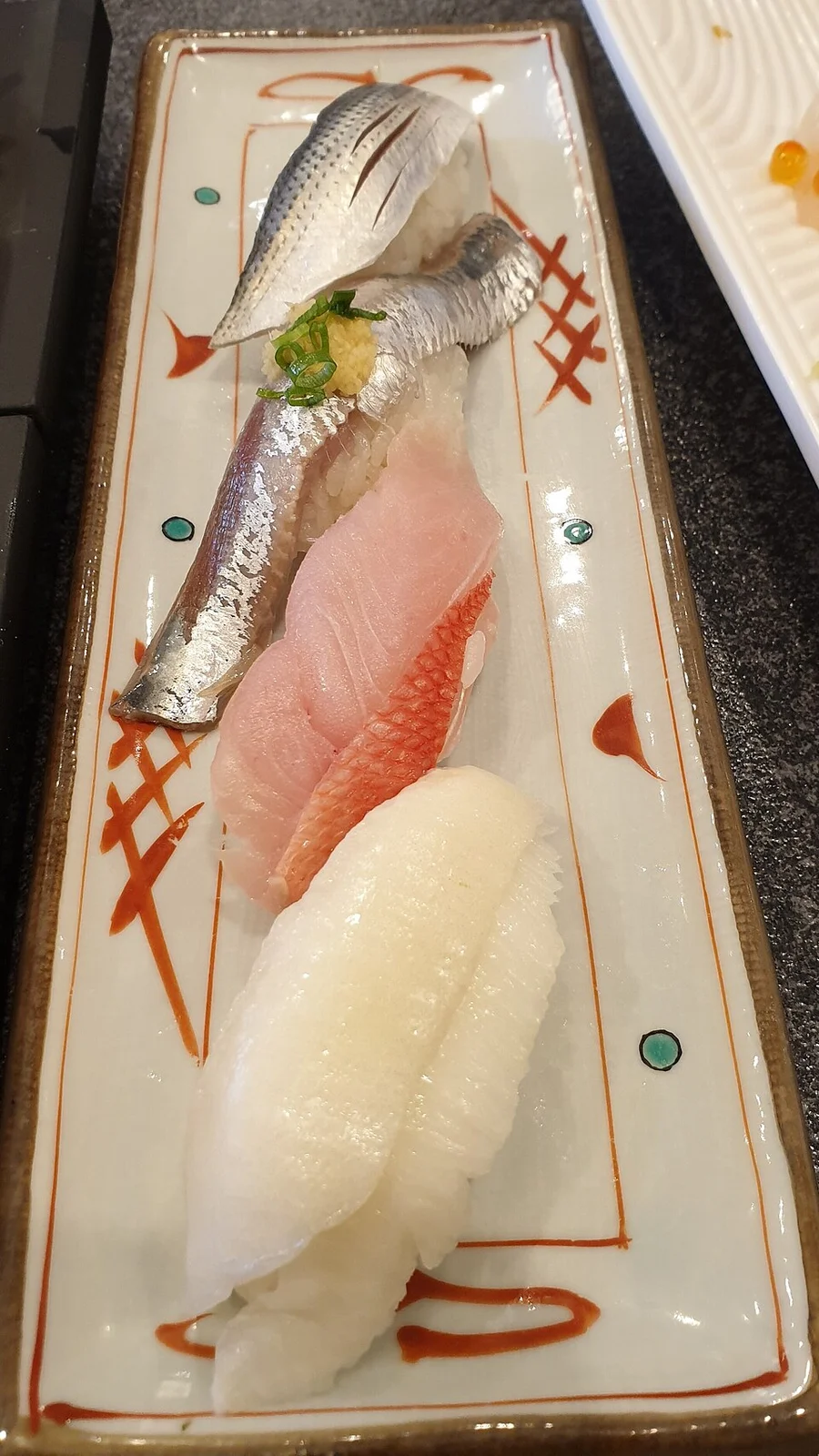
Tokyo's official local-food guide introduces sushi forms including nigiri and chirashi. For a first order, consider descriptions of what is available that day rather than relying solely on a photograph. Ask staff if you want to distinguish raw, cooked or otherwise prepared options. The contents of a set can vary, and you do not have to order the same selection as a companion. Beginning with a smaller choice and adding according to appetite can leave space for different tastes without turning the whole day into one meal. A seated dining experience and a quick snack have different rhythms; consider walking and rest planned afterwards.
The cover records an authentic sushi plate at Sushi Zanmai Akihabara on 23 February 2019. The business name identifies the photograph's location, rather than a current quality ranking or menu recommendation. Establish availability, portions and what the bill includes from today's menu. Visible pieces do not disclose every ingredient. If seafood, egg or a sauce matters, obtain the business's explanation instead of guessing from the name. The Stork suggests choosing a first sushi meal around conversation and personal preference. Spending an entire day travelling to distant addresses merely to tick off a famous name is not a requirement for enjoying Tokyo food.
Monjayaki in Tsukishima: a shared-table experience
Monjayaki is associated with Tokyo, particularly Tsukishima, and combines a flour-and-water base with ingredients prepared on a hot flat griddle. Official sources describe cabbage and various additions; businesses need not offer identical choices. Tsukishima Monja Street appears in official tourism information as a destination for this kind of meal. Watching preparation may increase your curiosity, but establish the service arrangement before approaching a hot surface. On a first visit, ask staff to explain preparation and how to eat it. If sharing, make sure selected ingredients suit everyone at the table; different preferences may call for separate orders.
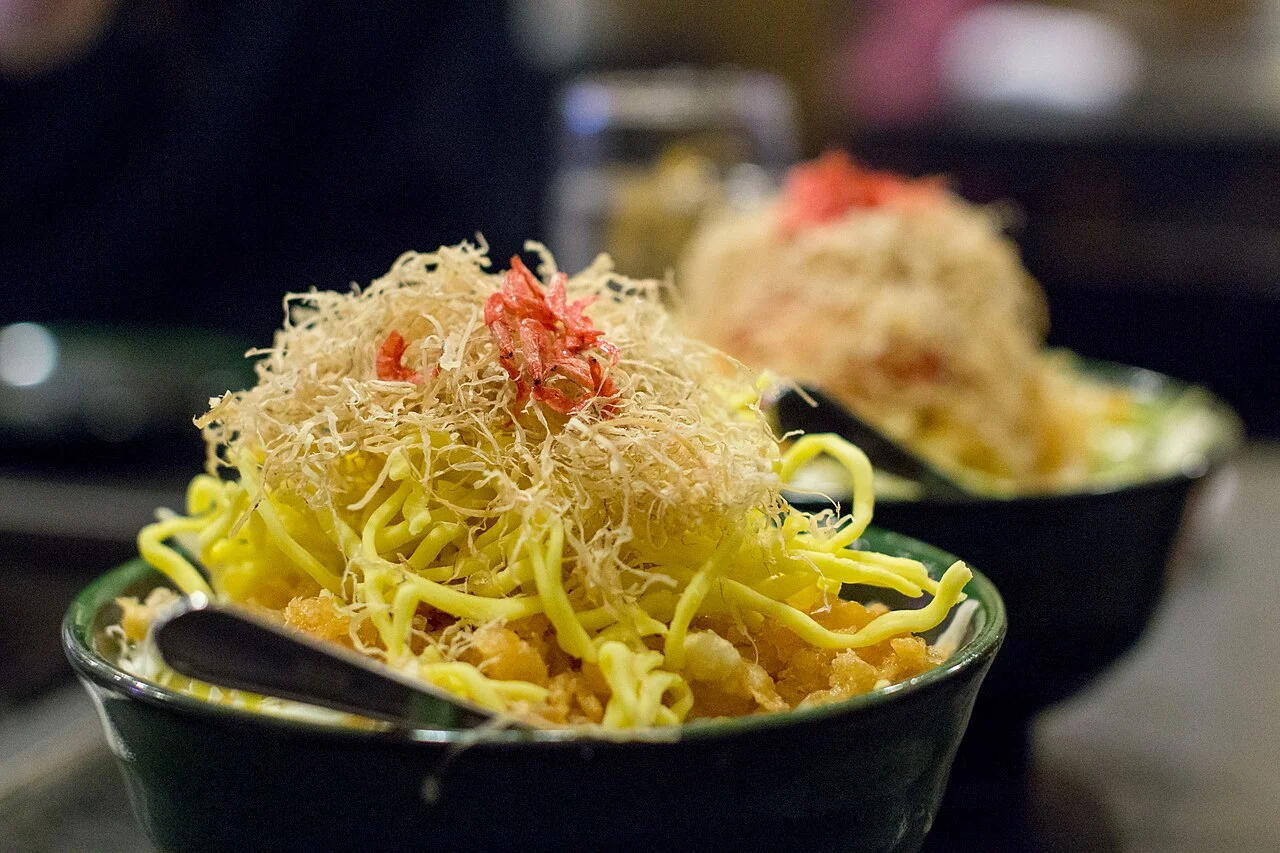

The photograph was taken in Tsukishima on 4 January 2013 and shows bowls of monjayaki ingredients before cooking. They are not labelled as a finished cooked plate. That distinction also describes part of the table experience: ingredients and the final griddle preparation can look different. Knowing the dish's name does not establish every component of a particular mixture. Tsukishima station is served by Tokyo Metro's Yurakucho Line and the Toei Oedo Line, operated by different organisations. Plan the final walk using the chosen restaurant's actual address. The historic table does not prove current opening times or reservations; it supplies a location-appropriate food scene.
Make space for soba and a simpler meal
Soba is the buckwheat-noodle option introduced in Tokyo's food guide. Wanting a simpler bowl after a substantial shared meal is reasonable. However, a reference to buckwheat does not mean every preparation has the same ingredients or suits a particular diet. Ask about the noodle mixture, accompanying sauce or broth and any additions. Choose a hot or cold presentation according to the actual menu. Seating, portion size and ordering arrangements can affect comfort as much as the dish name. A brief meal need not be a rushed one; leave time to sit and recover before returning to sightseeing.
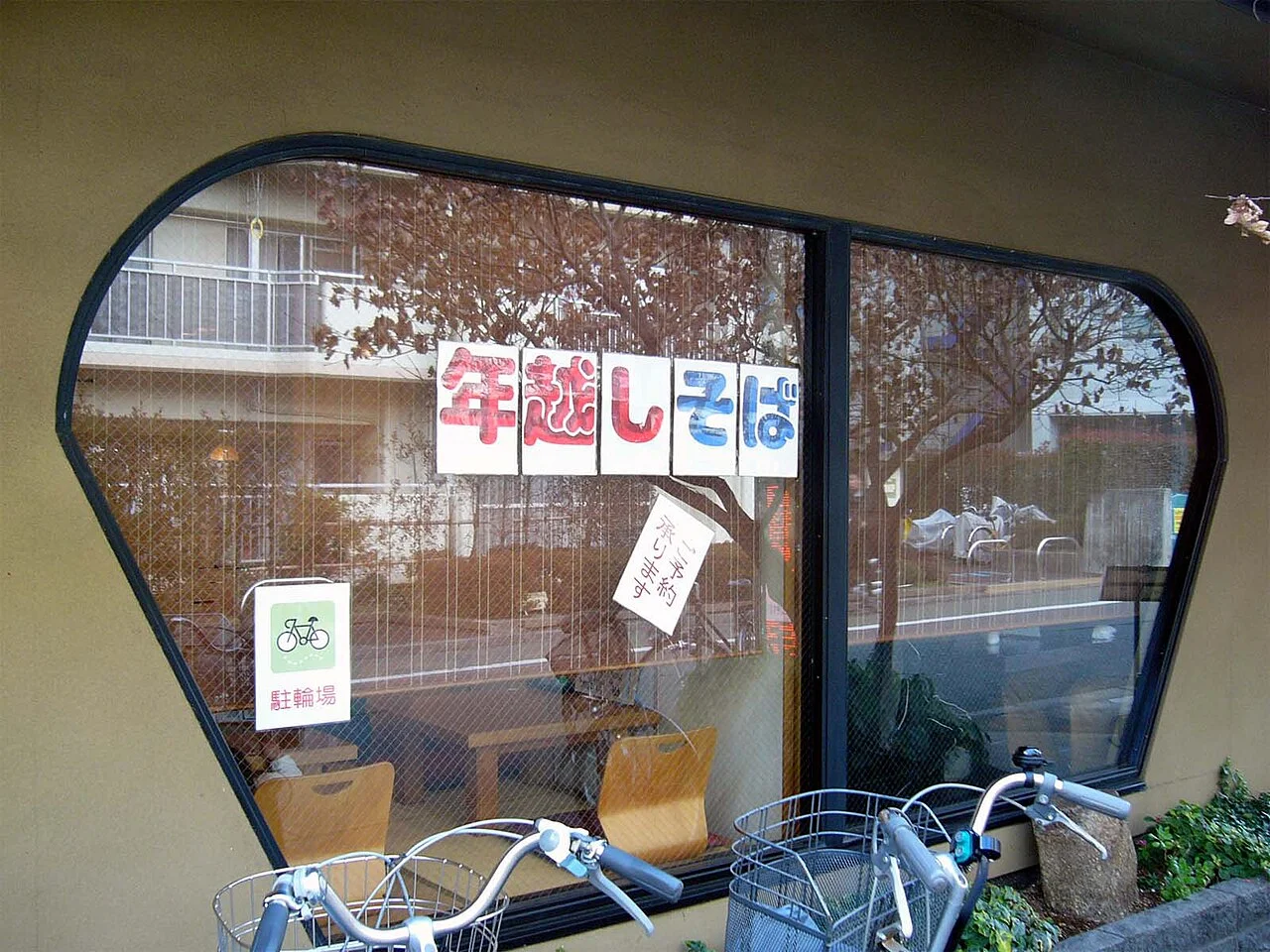

The December 2009 photograph shows a shop frontage carrying a year-end soba notice. The source gives the month rather than an exact day, so none is invented here. It does not show a bowl prepared inside. This historical street image is not used as evidence of a current menu or an open business. Make today's soba decision from actual menus and service information in your neighbourhood. Other Tokyo food names, such as Fukagawa-meshi, can become interests for another day; the first day need not contain every option. Leaving something off a list can create space to try a favourite more calmly.
Combine an Asakusa walk with a food pause
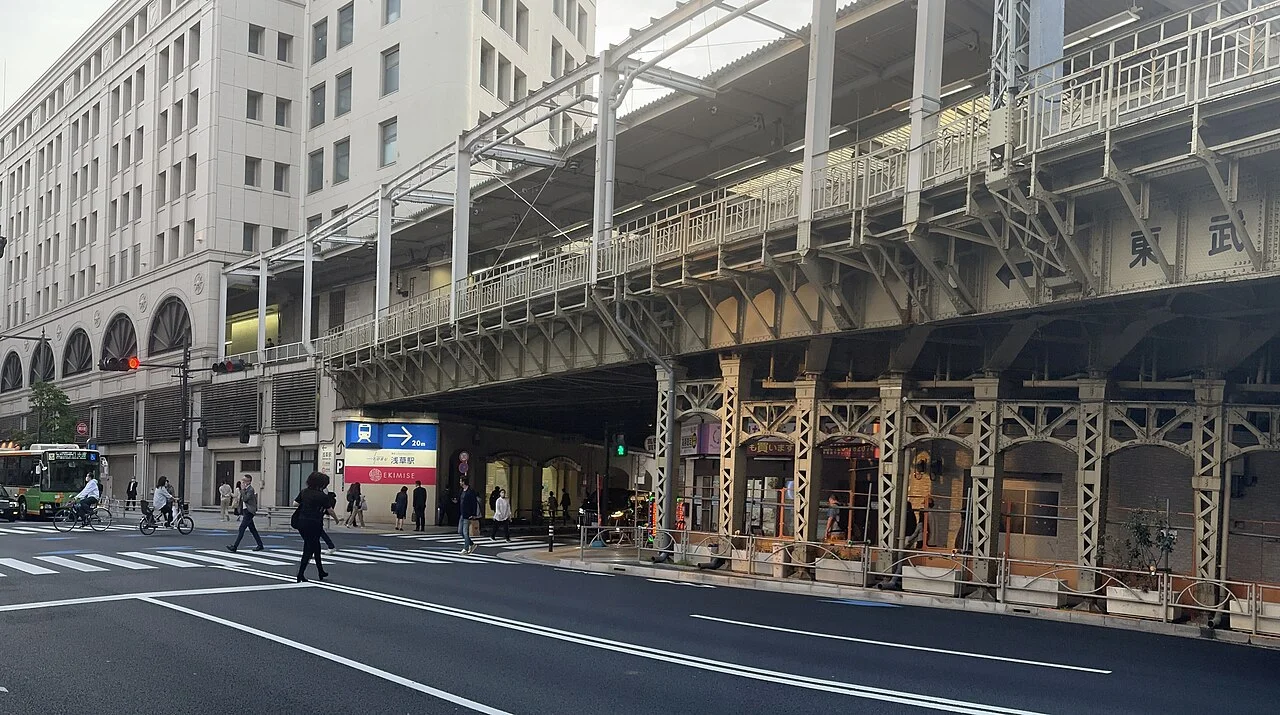
If an Asakusa walk is already in your plan, select a suitable meal near that day's route. The photograph dated 19 April 2023 shows the facade of Tobu Asakusa station. It is not presented as a noodle shop, restaurant interior or particular sushi business. This image supplies city context for a neighbourhood decision. Before choosing somewhere to eat, consider the relationship between sightseeing, a rest interval and the return address. If photographing food, respect the business's rules and neighbouring tables. Someone else's plate or face is not essential for an interesting composition; your own choice can tell the day's story too.

When choosing accommodation, check the actual hotel entrance on a map rather than relying on a famous district name. Asakusa, Akihabara and Tsukishima can be different food stops, rather than a single immediate neighbourhood. Staying in one area while travelling elsewhere for every meal may devote a substantial part of the day to transport. Researching a simple evening option near the hotel can make a late return easier. Curiosity about local food can coexist with a companion's different preference. A food route should reflect rest needs as well as shared tastes; one correct accommodation district cannot apply to every visitor.
Transport and a one-day food outline
Tokyo Metro's official route and station information helps plan part of the journey; not every train in Tokyo is operated by Tokyo Metro. Check JR and Toei connections separately and do not assume a ticket or product covers them. Review current services and transfers on the visit day. Include the final walk between the hotel and restaurant doorway. The authentic Tokyo Tower view illustrates the scale of the city; it is not claimed as a view from a specific restaurant table. Planning a separate scenic walk can remove pressure to find a panoramic table for every meal.
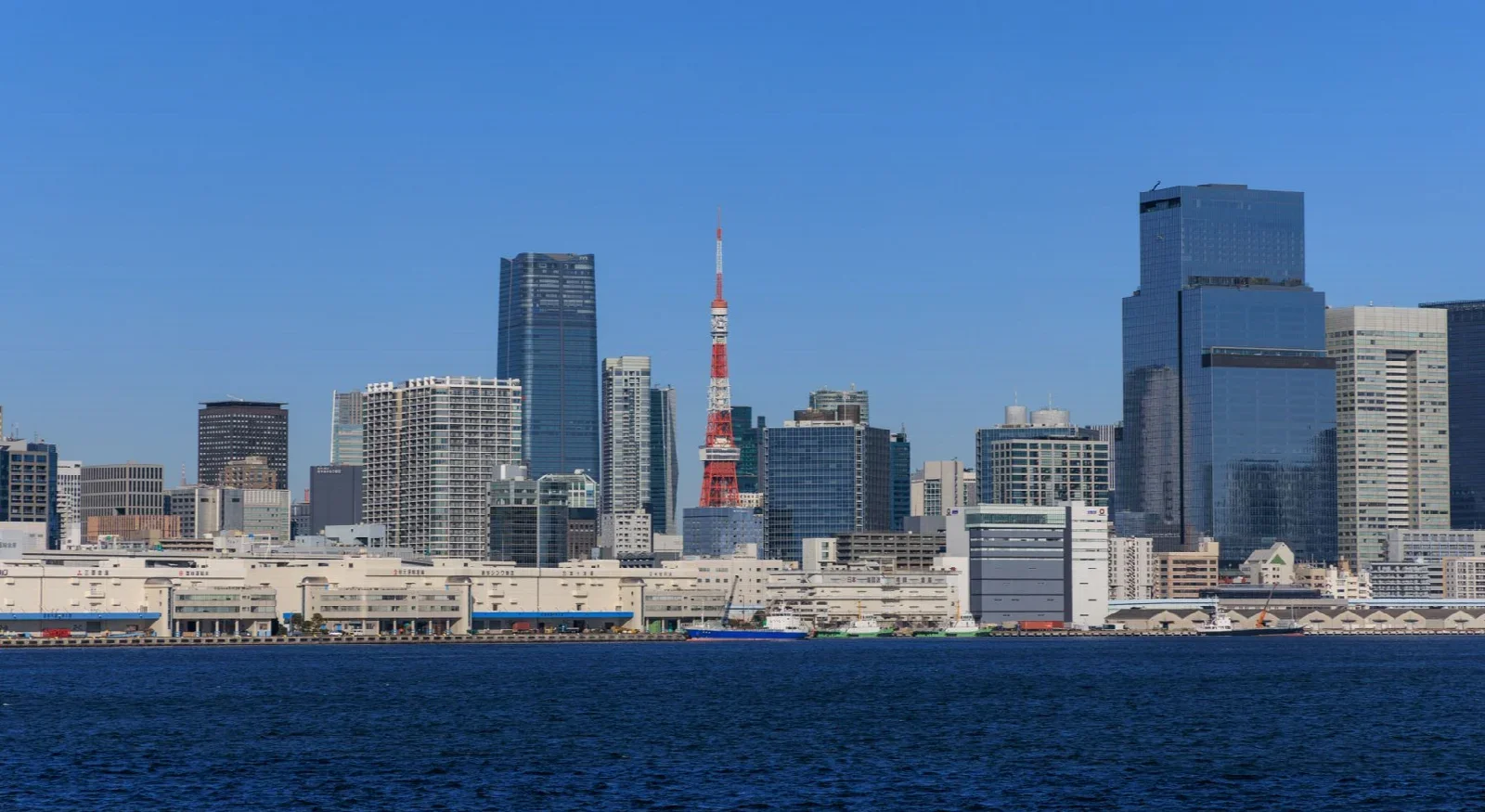
A sample day begins with a nearby walk, a sushi meal checked in advance and an unstructured rest afterwards. Save a monjayaki table for the following day's main experience, with soba as a simpler choice for another meal. This is an adaptable outline rather than a fixed timetable: appetite and actual business availability determine the order. Before ordering, establish payment methods, extras and how the total bill is calculated. The Tatilmerkezi Stork's final suggestion is to find a table rhythm you enjoy as well as learning dish names. A brief bowl, a chosen sushi selection and a shared warm griddle can describe different parts of the same city.