

Getting online at an airport does not require an old map claiming to reveal every password in the world. An operator's official connection page, terminal directions and a few pieces of offline information make a more useful beginning. The Tatilmerkezi Stork builds a digital travel-day routine rather than a collection of shared credentials. A network name, its verification process and service conditions are separate matters. A personal access code obtained by another traveller is not automatically a password available for everyone to use.
Official internet information from Venice, Lisbon and Munich airports was checked on 4 October 2026. Network names below come from their public service explanations, not private lounge accounts, staff networks or another person's password. Photographs show real Venice and Amalfi settings and a Lisbon pastry. They are not presented as routers, login screens or today's terminal interiors. The aim is to keep the information needed between arrival, accommodation and the first city day available even if one internet connection fails.
Venice: find the official connection information before the terminal
Venice Marco Polo Airport describes Venezia Airport Free WiFi as a free service without time limits for passenger-terminal users. Its page explains redirection to a welcome screen. That description does not guarantee identical speed on every device or uninterrupted access to every service. Confirm the real network and directions at the terminal. If another network has a similar name, do not provide personal information merely because the wording seems familiar. An information point can help establish which service the airport actually provides.
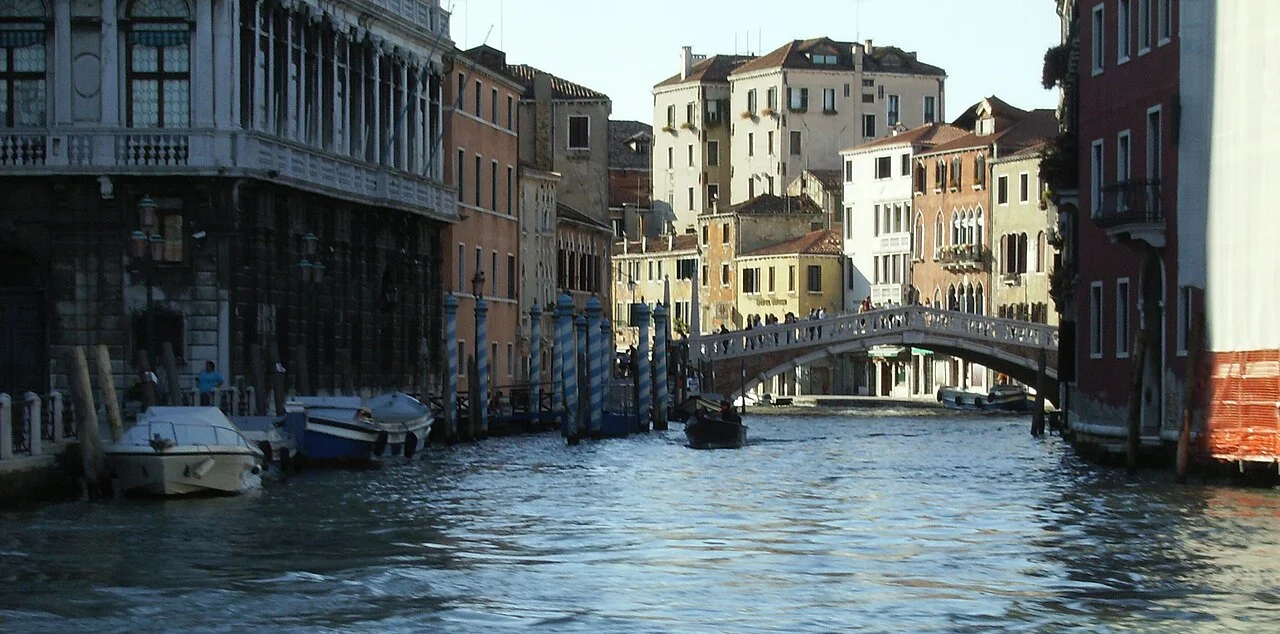

Decide what you need to accomplish before connecting. Opening the accommodation address, reviewing transport and telling someone you have arrived are distinct tasks; they need not form one long session. The Cannaregio canal image is not an airport-to-hotel transfer map. Save the chosen airport stop, the final route to the entrance and entry information separately. Discovering the entire route for the first time inside the terminal makes a weak connection an unnecessarily important component of the holiday plan.
Do not make the first local meal depend on a Wi-Fi password
For a small Venice neighbourhood outing with a cicchetti pause, review a few addresses in advance instead of expecting to download every menu at the airport. An offline note containing the place, location and an idea for returning to accommodation can provide a starting point. This does not promise that published hours remain unchanged. If you have made a reservation, retain its confirmation and contact method separately. The snack photograph shows a dated real scene, not proof of a particular establishment's current service.


Read what a connection screen requests rather than automatically completing every box. Airport service conditions and an unrelated website account are different things. Do not enter your email-account password on an irrelevant page simply because you think you are connecting to Wi-Fi. The US Federal Trade Commission's current public-network explanation notes that HTTPS encrypts information in transit while a fraudulent website can also use HTTPS. Assess the address and the encrypted connection together; a lock symbol alone does not establish that the site operator is trustworthy.
Amalfi: prepare an arrival note that remains readable offline
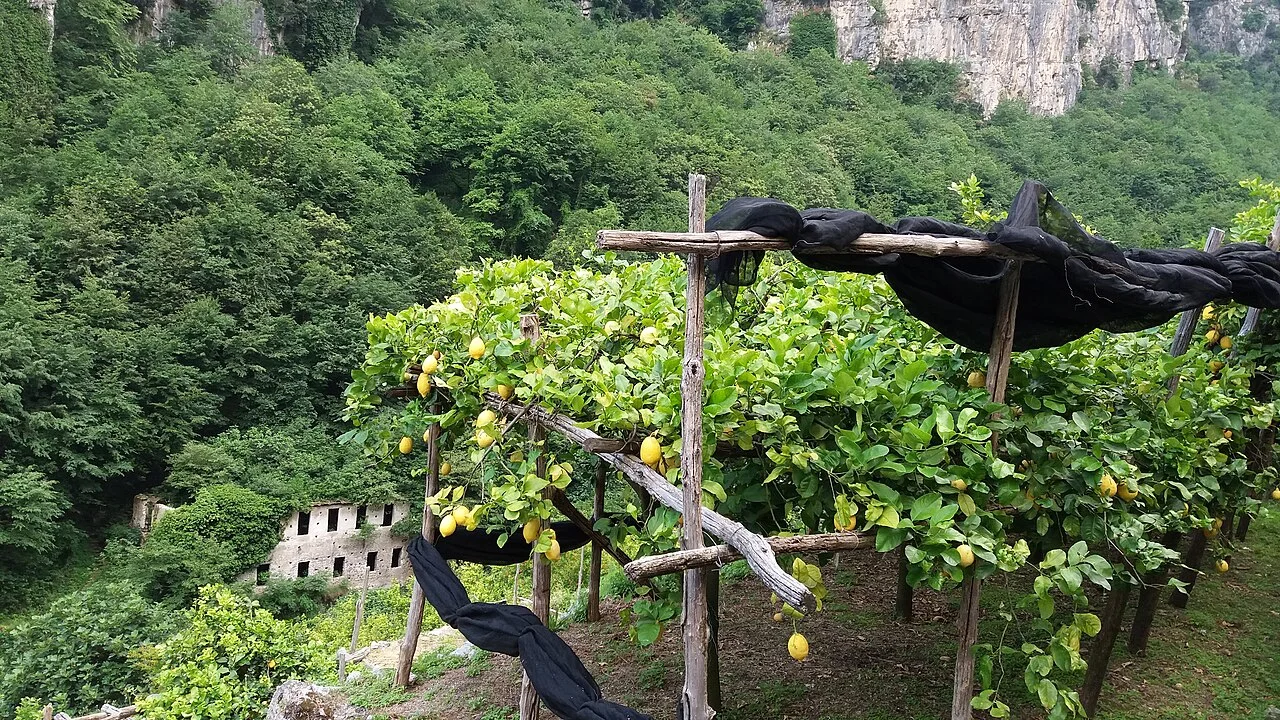
Reaching Amalfi town after a flight includes a separate land or sea transport section. Do not imagine airport internet as a service that accompanies you throughout it. Make the meeting point, purchased transport information and accommodation-entry arrangement accessible beforehand. The Via dei Mulini hillside photograph is not a wireless-coverage map. It also guarantees neither access to private gardens nor today's trail conditions; it supplies correctly identified natural surroundings for this coastal arrival example.

Leave room for a short meal after transport is complete on the first evening. Relating a lemon-flavoured dessert idea to the accommodation location can keep the introduction from becoming a simultaneous investigation of every town along the coast. Even with a good connection, opening the plan for that day is often clearer than repeatedly rearranging a long list. When saving the entrance address, check the town, street and business name separately. A similarly named accommodation may otherwise create a note that points to the wrong area on a map.
Lisbon: use the official network and keep arrival tasks concise
Lisbon Airport's official page explains selecting _VINCI Airports WiFi, opening a browser and accepting its terms. The service is advertised as free and unlimited in time; that wording does not imply you need someone else's private lounge account. Read the conditions on your own device and decide for yourself. Seeing a network name in this guide does not remove the need to verify it at the terminal. If the connection fails, ask a specific question about the official network or login page. Requesting access to another person's account is not the solution.


A separate Belém day with a pastel de nata pause need not be mixed into the transfer plan for arrival evening. Keep information needed to reach accommodation distinct from the next day's pastry stop. If you choose Baixa or Chiado as a base, retain the final transport section and entry time, too. Closing unused pages and organising records at the end of the day helps make the relevant document easier to find the following morning. The image describes a past pastry scene, not whether a Wi-Fi service is operating.
Munich: confirm differing published network names at the airport
Munich Airport's dedicated Wi-Fi page describes Free Wifi – Munich Airport and connection through an email address and acceptance of terms. Another general question page from the same operator displays a different older network name. That is a reason to use the specific service page alongside official terminal directions rather than depend on a compiled name list. This guide supplies no shared secret password; it describes the operator's public access explanation. Public-service conditions can change.
Finish the digital preparation with the booking record, required document, accommodation address and chosen transfer information. Updated devices and browsers, distinct strong account passwords and two-factor authentication where available are general online habits; none provides an absolute security guarantee. Flight displays and information points remain part of the airport day when internet access fails. The Stork's aim is to keep the journey from becoming a search for Wi-Fi: prepare the necessary information, confirm the official service and leave time for a real local meal and first walk.