
When searching for a cheaper travel route, the first thing you encounter is often a city name. Yet within the same city, one visitor spends a day exploring neighbourhoods while another continually changes transport, buys tickets and travels far from the accommodation for every meal. The Tatilmerkezi Stork therefore looks inside the day's plan rather than creating a price league table. Travel, accommodation, meals and activities may become easier to manage when they fit together. Lisbon, Prague, Munich and Salzburg are real bases used to illustrate spending decisions, not cities declared to be the world's cheapest.
Before selecting a destination, write down the number of nights, the arrival point and the two experiences you most want. An apparently inexpensive room can increase transport needs; an attractive flight can bring a late arrival and a new expense. Compare the whole holiday rather than one ticket price. Official tourism sources for this guide were checked on 4 October 2026. It does not invent current hotel quotations, exchange rates or a fixed daily spending allowance, because those figures would not describe every traveller's arrangements.
Lisbon: do not redesign the whole day around one pastry
In Lisbon, pastel de nata offers a concrete introduction to local food. If you want a pastry stop in Belém, combine it with a neighbourhood you already intend to explore. Repeatedly travelling across the city to sample individual products, or listing widely separated stops, enlarges both the transport decision and the time needed. A small coffee and pastry break can be the day's one gastronomic aim. Every meal does not have to become another famous venue on a checklist.


Travellers focused on central walks around Baixa or Chiado may not need the same accommodation as those wanting more time around Belém. Choose the centre of the trip before comparing rooms. In a hilly city, thinking beyond a straight line on the map helps account for the return walk and tiredness. Fit your walking preferences to what you will carry. A budget plan is not a requirement to resolve every journey on foot, particularly if doing so makes the chosen itinerary uncomfortable or unrealistic.
Prague: connect a market and a neighbourhood to one meal
Prague's Jiřák market is an official tourism example of bringing local-producer and food interests together with neighbourhood exploring. Instead of beginning a separate food expedition after completing every famous old-town sight, devote a lunch section to the market area. Experiencing a market need not involve buying numerous products. Looking around the stalls, choosing something suitable for a meal and preserving time to sit are small but meaningful aims within a day, without turning every encounter into another purchase.
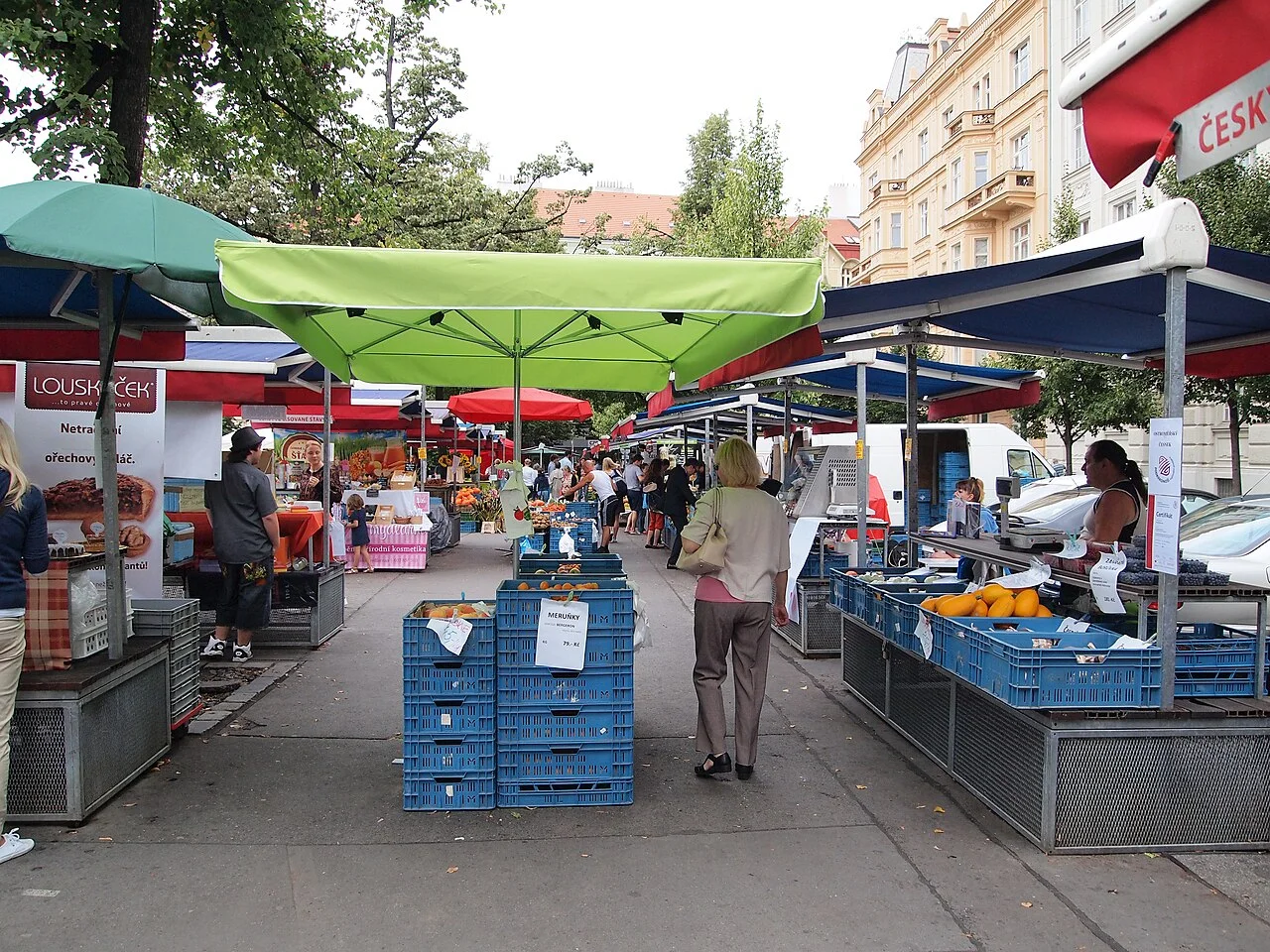

Do not base accommodation decisions only on distance from the historic centre; consider the neighbourhood for that particular outing and the connection to your station. An old-town day followed by a neighbourhood and market day can be clearer than repeatedly retracing the same route. If you are curious about local tastes, think of a bakery pause as a small additional stop rather than a replacement for every proper meal. Declining to shop on every street does not mean you have experienced less of everyday city life.
Munich: make Viktualienmarkt an itinerary anchor, not a shopping list
Marienplatz and the Viktualienmarkt area can be considered together within one central Munich day. Pairing fruit and cheese stalls with the city square illustrates how to avoid splitting a visit into fragments continually requiring new transport. Spending is shaped by more than an individual product's label: the number of separate meals bought, the part of the day set aside for sitting and whether the whole evening is spent searching for another venue all affect the structure of the trip.
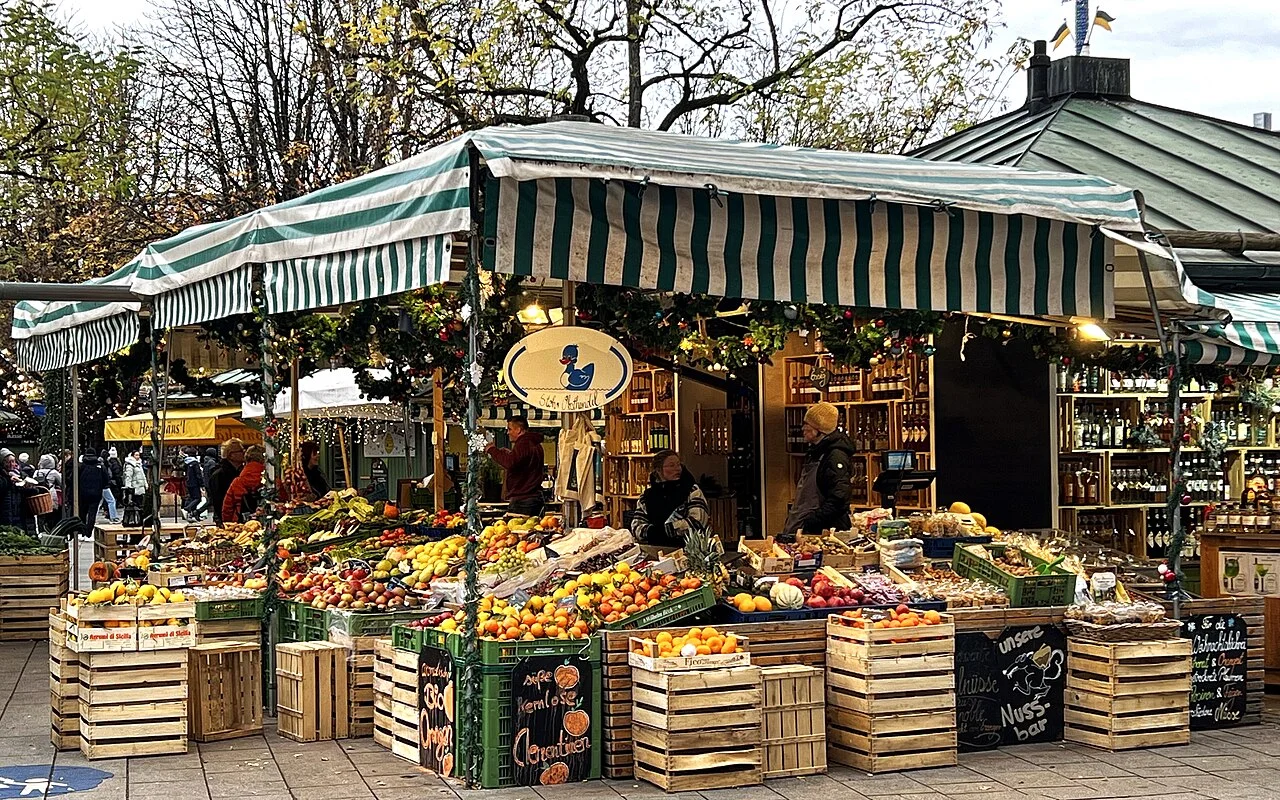

Local names include Breze and the cheese dish Obatzda, which can give a food curiosity a clear direction. If a Wirtshaus meal matters to you, devote the day's principal food experience to it and decide how smaller snacks fit your appetite. An outdoor section around the English Garden or Hofgarten offers a different choice. Rather than adding every option to the same day, separate a central market day from a lighter park day. Different days do not need to repeat the same rhythm in order to feel complete.
Salzburg: combine a Bosna pause and a walk in one small story
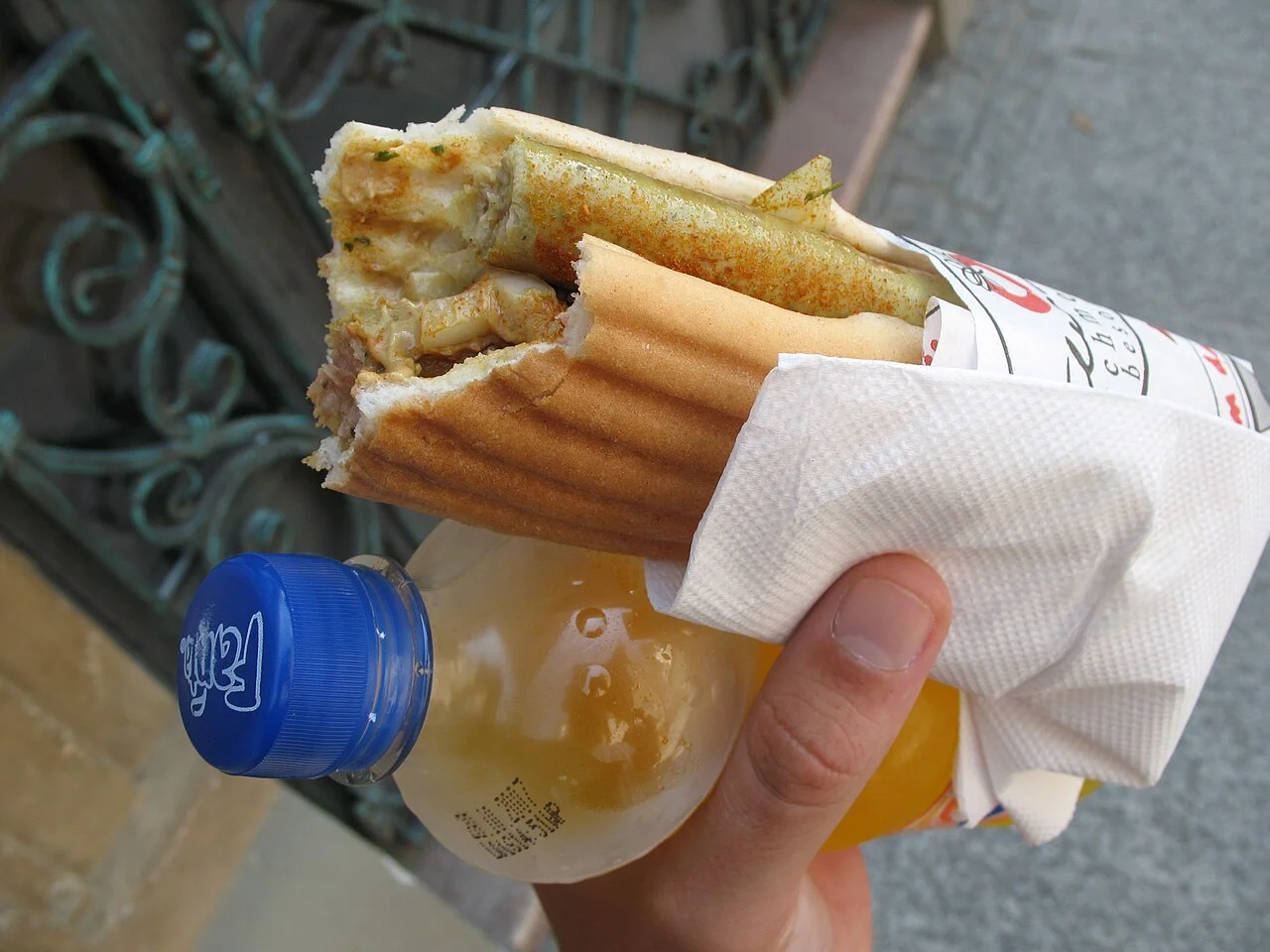
Salzburg's Bosna sandwich is a specific local food name that can fit inside a city walk. Think about lunch around Universitätsplatz alongside the old-town streets you actually want to explore. Those preferring a longer seated meal can also keep the rest of the day in the same general area. Looking for value should not automatically mean ordering the smallest portion or eating as quickly as possible. A routine that suits how you enjoy meals can matter as much as the number on an individual menu.

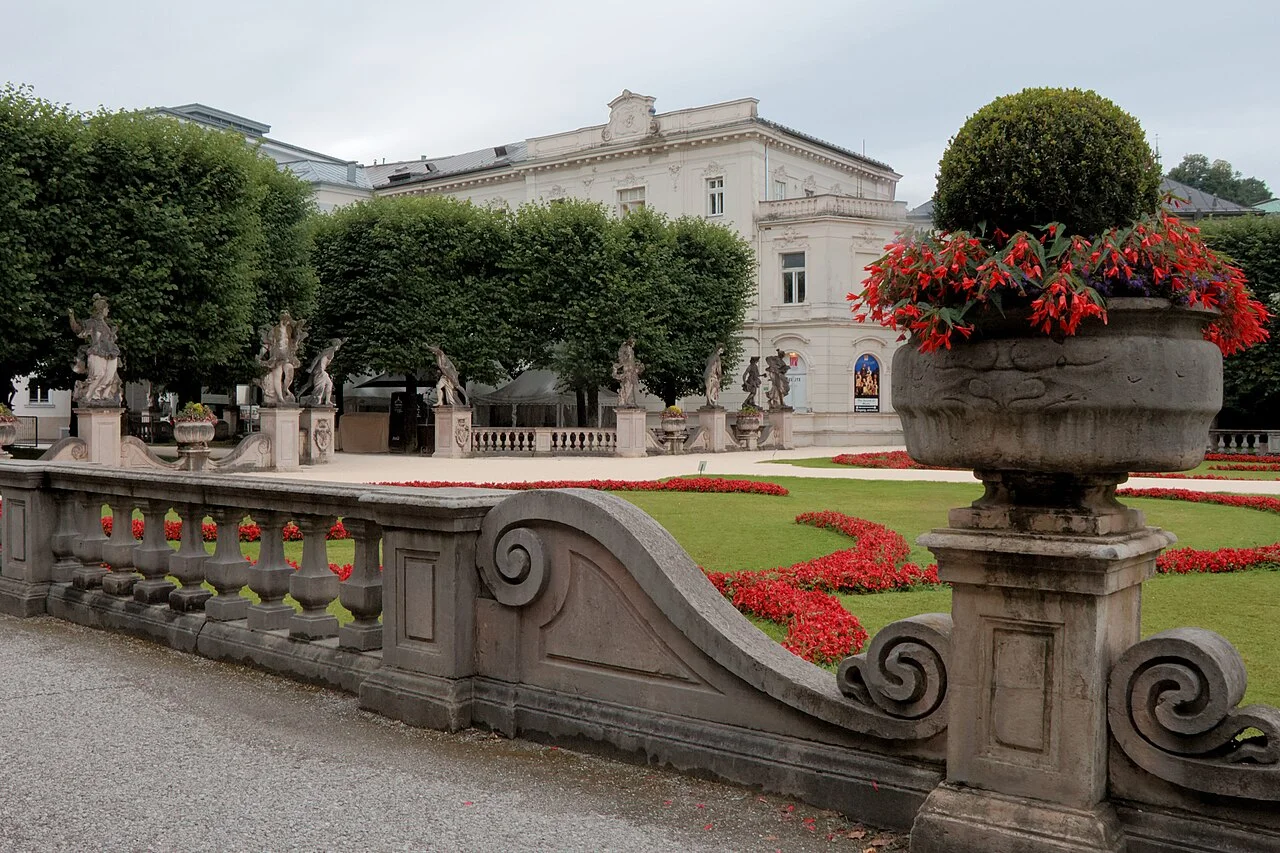
You can treat the Mirabell area and a section beside the Salzach as separate walks. Official city walks offer different interests through maps, and selecting part of one can give an independently explored day a framework. Balancing a paid cultural visit with a more outdoor-focused day is your own planning choice. A garden photograph should not be read as a promise of admission to every palace room or an identical outdoor arrangement in all seasons. Choose the part of the visit that matches the time you have.
Accommodation and transport: compare the complete basket
When comparing two rooms, place access to the accommodation, daily sightseeing areas and the return time beside the nightly rate. Staying one fewer night does not invariably mean saving overall; frequent city changes bring luggage handling and new transfers. For a three-night city holiday, one base can help preserve the actual time between arrival and departure. For a longer break, allocate a real part of the programme to moving between two bases instead of treating the move as invisible.
For a flight, train or bus, consider when you will reach the accommodation after arrival as well as the departure time. An early journey home may make the last night's location more relevant to the departure connection than to sightseeing. Changing accommodation twice within one city can reduce the part of a day available for exploring, too. Including time in the spending plan makes it easier to see what the apparently inexpensive individual pieces create when assembled into an entire holiday.
A three-day framework: one purchasing aim and one outdoor section
Use the first day for settling in and a nearby walk. Select one main cultural visit or market area for the second day, and connect lunch to that area before setting off. Make the third day a lighter garden or neighbourhood outing and finish preparations for departure early. This example is not intended to put all four cities into the same three days. It is a way of limiting unnecessary movement after you have chosen one of them and deciding what deserves attention.
At the end of the journey, instead of hunting for the most expensive or cheapest moment, ask which decisions gave you the most time and enjoyment. A meal where you sat longer, a market you revisited or a riverside section explored without rushing may become the real memory. The Stork's budget idea is to make space for experiences you want rather than reducing a city to numbers. Your own successful daily rhythm is useful evidence for planning the next trip, even when its destination and available budget differ.