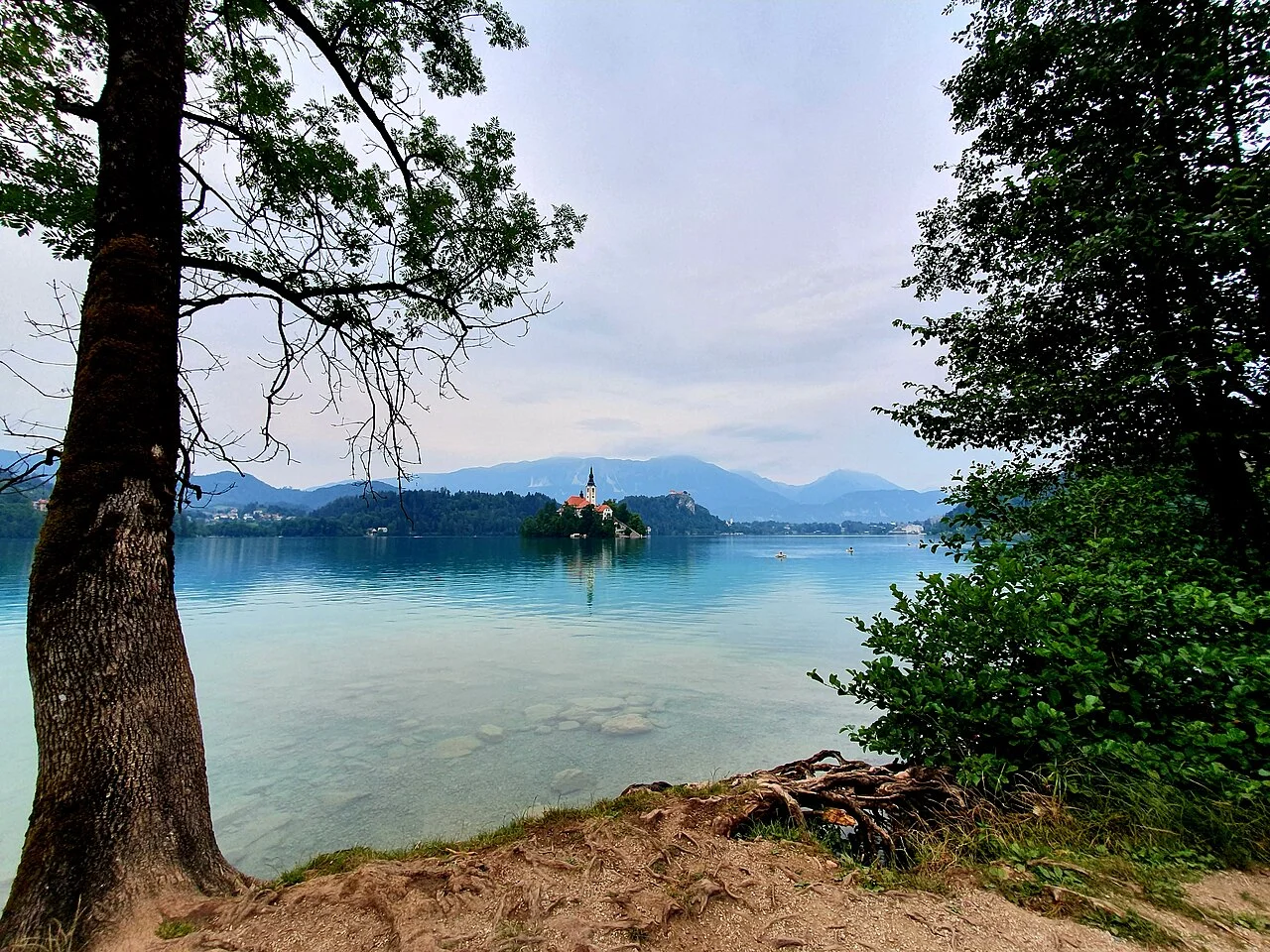
Some journeys are made not to complete a place list but to give time to a small tradition whose meaning interests us. The wishing bell on Bled Island in Slovenia can be the focus of such a visit. The Tatilmerkezi Stork does not promise that wishes will come true; it explains the cultural tradition introduced by the official visitor source alongside real transport and daily planning needs. A moment remembered through a bell does not require the entire lakeside, castle and other outdoor attractions to be compressed into one day. Visiting the island and viewing it from the shore are different experiences. Choose between them through your companions’ movement needs and the actual visit arrangements. This guide focuses on Bled rather than ranking every wishing place in the world. It is a travel plan for understanding one tradition verified through primary sources.
The wishing bell: understand the cultural tradition
Bled’s official visitor page introduces the wishing bell in the island church as a tradition through which visitors express wishes and prayers. Read this as part of the site’s visit culture rather than a guaranteed result. Discussing why the motif interests you can help define the day’s focus. Faith, architecture or a personal intention may be different reasons to visit. Choose a way of being together without expecting everyone to participate identically. The tradition can also interest someone simply wishing to understand the place’s meaning. Observe the church’s actual use and visitor arrangement when you arrive. Learning about a custom does not require adopting the same beliefs as another visitor.
Check actual access and visit arrangements through the island management’s current page. Do not disregard a queue, private use or a religious site’s order for the sake of performing a ritual. Follow photography conditions where applicable and avoid making someone else’s personal prayer part of your travel content. A visit to understand a cultural tradition does not require recording every image. If writing about it afterwards, keep your observation separate from what the official source explains. You do not have to describe a bell experience you never had as if it happened. A source introducing the tradition and your own participation are different matters. Clear separation helps a reader understand the kind of account being offered.
The island journey: choose the return as well as the outward trip
Plan the island visit as a separate journey beginning on the lakeside. Learning actual boat departures, return options and weather conditions for your chosen date helps establish the day’s boundaries. Decide the island time and return first, then consider adding another shore activity. An island looking close on a map is not a stop automatically reached while walking the shore. Include reaching the boat start from accommodation in the daily plan too. Arriving in the centre and reaching a real departure point may be separate movements. A clear shared beginning is useful for companions who would otherwise wait for one another. Allow time for the practical journey instead of seeing only the island photograph.


Examine the steps and movement required at the visit site beforehand. A short shore walk and movement around the island should not be assumed to have identical effort or length. If part of the group prefers to remain on shore, agree on a return and meeting arrangement. The day need not become unnecessarily long simply to make everyone participate in the same tradition. If boat service is unsuitable that day, retain shore observation as a separate alternative. This means choosing a different day experience rather than saying you visited the island. Small changes around actual services can make a trip more understandable. Establishing the alternative before leaving helps companions make a clear decision together.
The lakeside: turn waiting time into a short walk
Bled’s official frequently asked questions page introduces walking around the lake. Choose a section fitting your movement needs before or after the island visit. Completing the full circuit is not compulsory. A beginning point, view pause and return can make a small shore section a meaningful part of the day. Water colour and the island’s appearance from the shore may help you understand the visit setting. Interest in a bell tradition does not require climbing every high viewpoint too. If a companion prefers shorter movement, plan a shared shore section and consider separate time afterwards. A manageable walk can support the visit without becoming a second major undertaking.
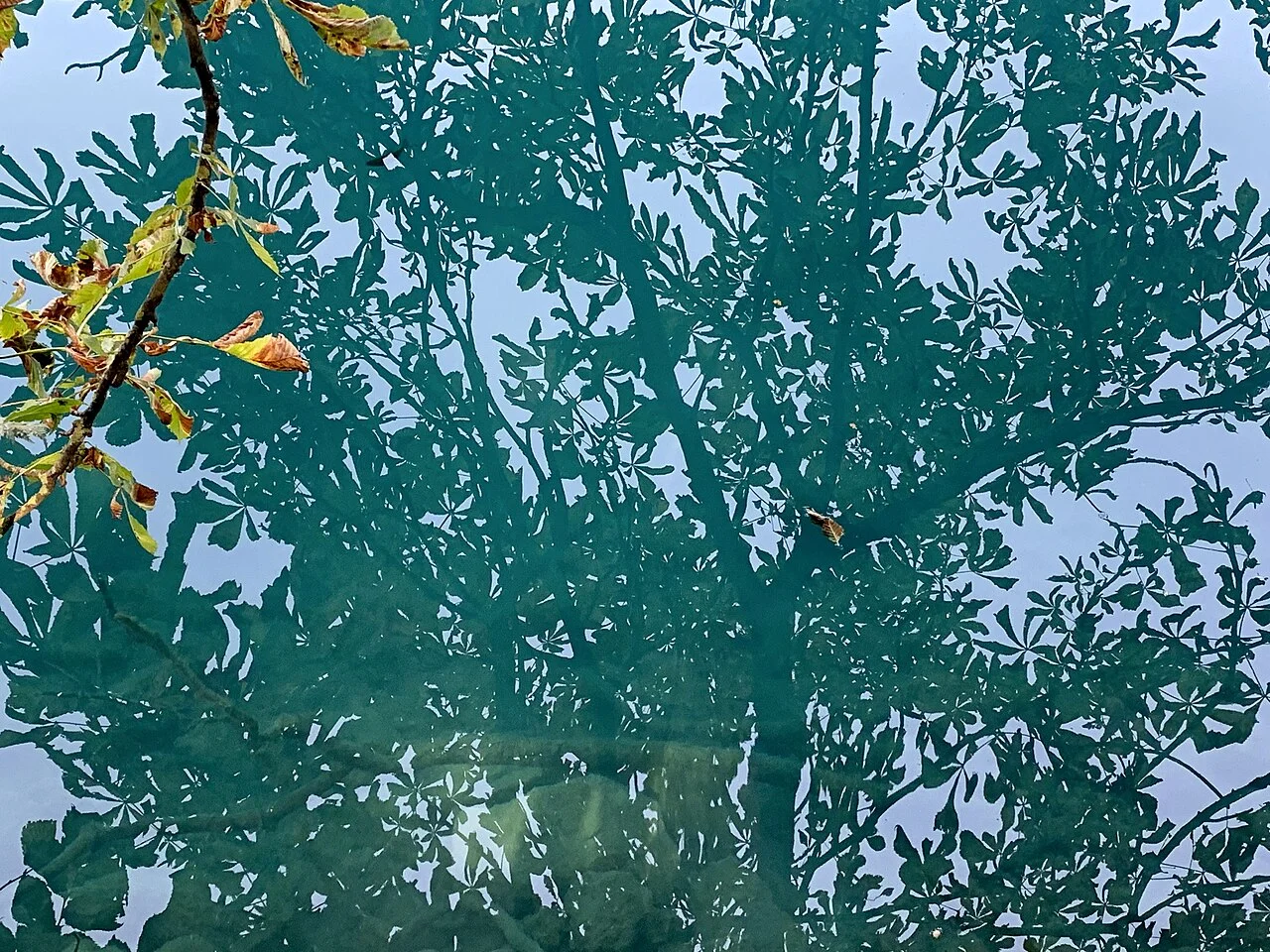

A waterside pause and swimming are separate decisions. If adding swimming, check the permitted area and actual conditions for that day. This guide is not intended to build a water-activity package. A selected shore-observation moment may provide enough rest before or after visiting the island. If keeping journal notes, avoid making one image represent the whole Bled experience. State where you looked from and when you were there to make the account concrete. Season and weather can change the same view. Decide the return through your actual arrangement rather than the desire to obtain one final photograph. The shore section should fit the day, not delay the journey you already planned.
A local taste pause: distinguish potica from kremna rezina
The official island introduction describes potica as a Slovenian pastry prepared by rolling dough with fillings, and introduces Potičnica in the island context. If available on the current menu, it can accompany a seated pause. Different fillings may be offered, so ask about the actual ingredients rather than choosing solely from a photograph. Bled kremna rezina is a separate local sweet experience. You do not have to try both on the same day. Keeping tasting interests separate from the main meal need can make the island day easier to arrange. Leave room for different choices within a shared pause when companions have different preferences. A local taste should complement the visit rather than become another target everyone must complete.

A product appearing in an official introduction does not mean it is offered in every establishment or on every date. Build the plan around the day’s actual choices instead of one menu’s promised serving. Assess access to an evening meal alongside reaching the island journey the next morning when choosing accommodation. Examine the daily connection before selecting an address simply because it offers an attractive lake view. A local taste pause does not have to come at the end of the visit; the real boat arrangement and the group’s meal needs can determine the sequence. Cultural curiosity and daily comfort can then support each other without turning the day into a race between stops.
Shape a measured day around the season
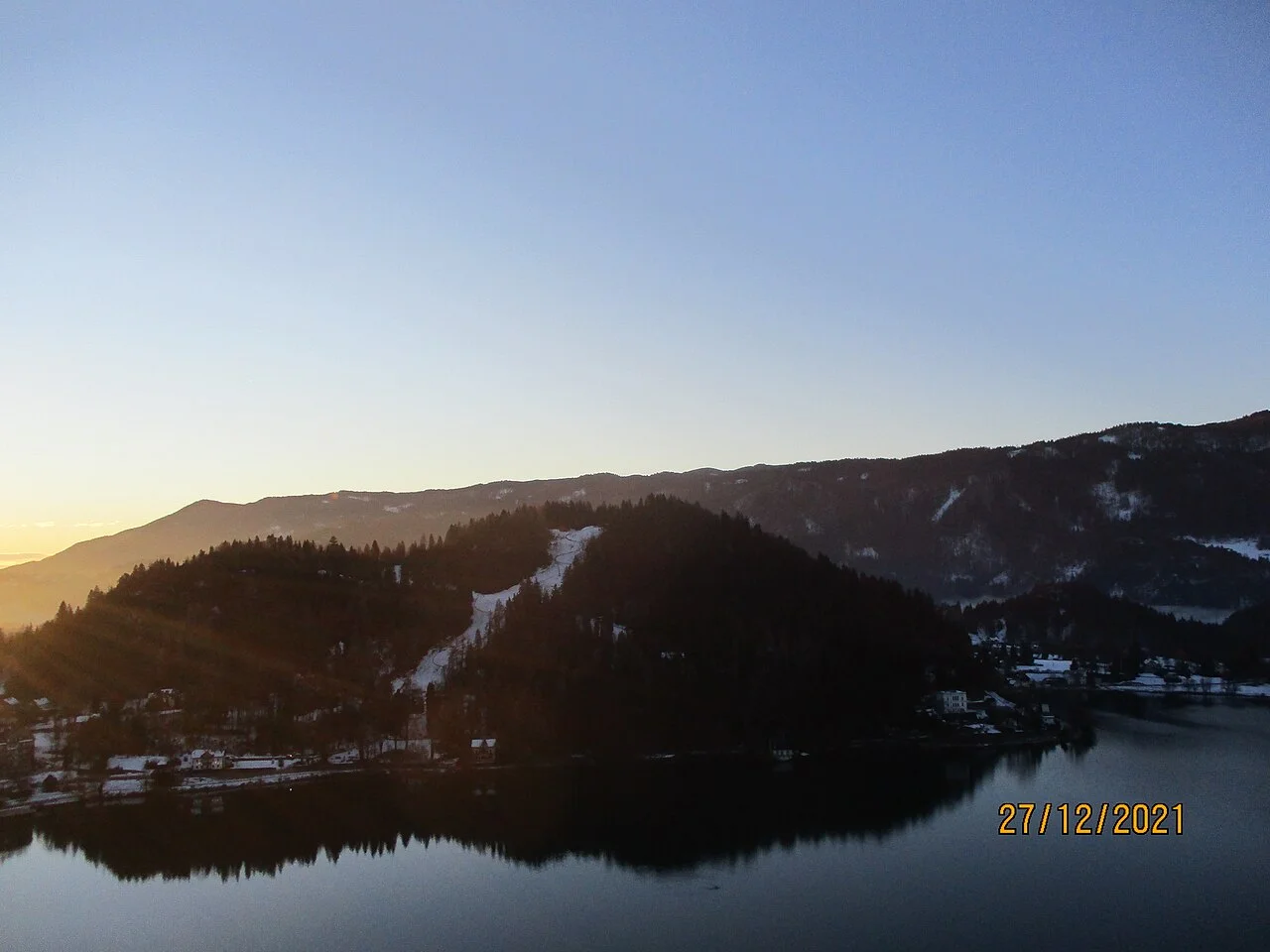
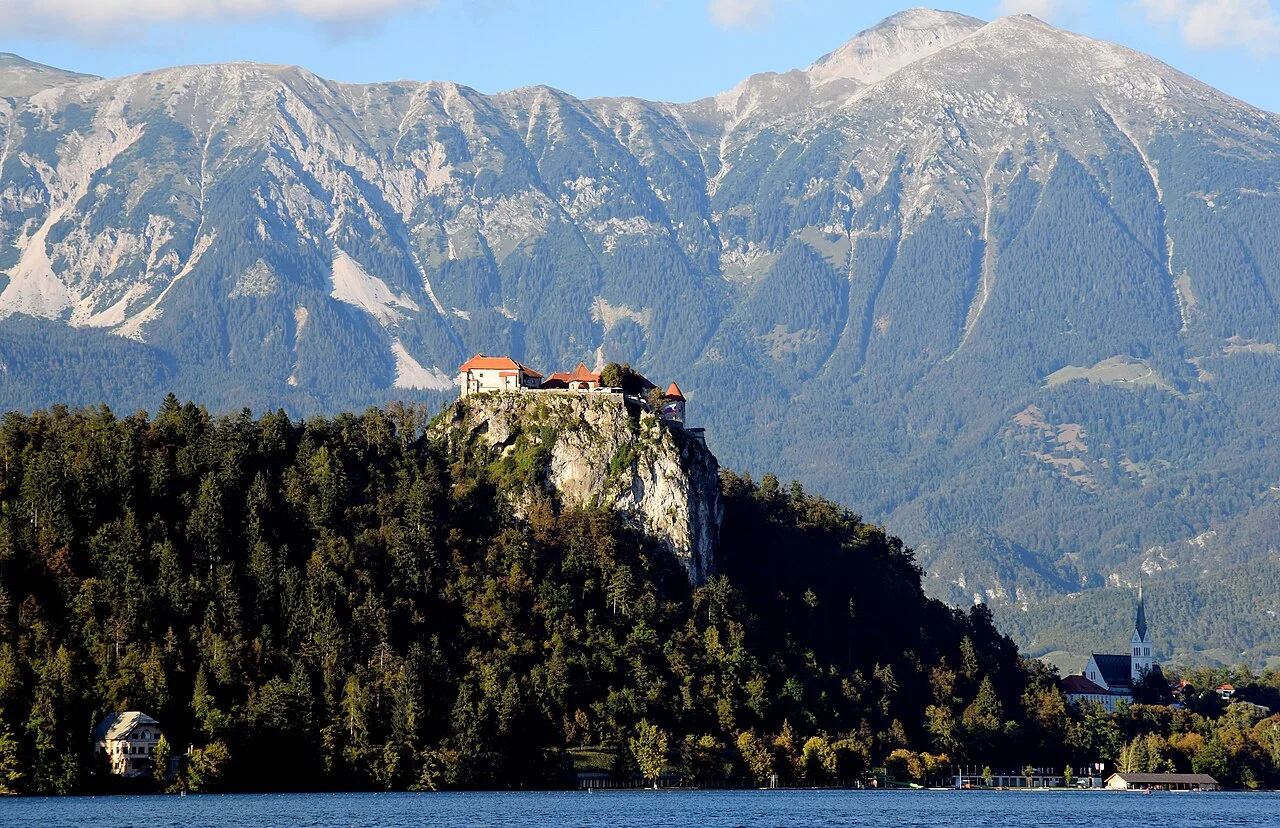
A winter Bled scene and a summer outdoor day do not describe the same service and movement arrangements. Learn the travel date’s weather and access through current official sources. Photographs show different appearances of the surroundings; they do not replace today’s boat programme or walking conditions. Build the plan around the island tradition, a selected shore section and a meal pause. Treat a castle visit or more distant outing as a separate time and movement decision if you add it. A small programme can be sufficiently full for a visitor interested in a place’s cultural meaning. The Stork values how intention and daily movement fit together rather than the length of the attraction list.