
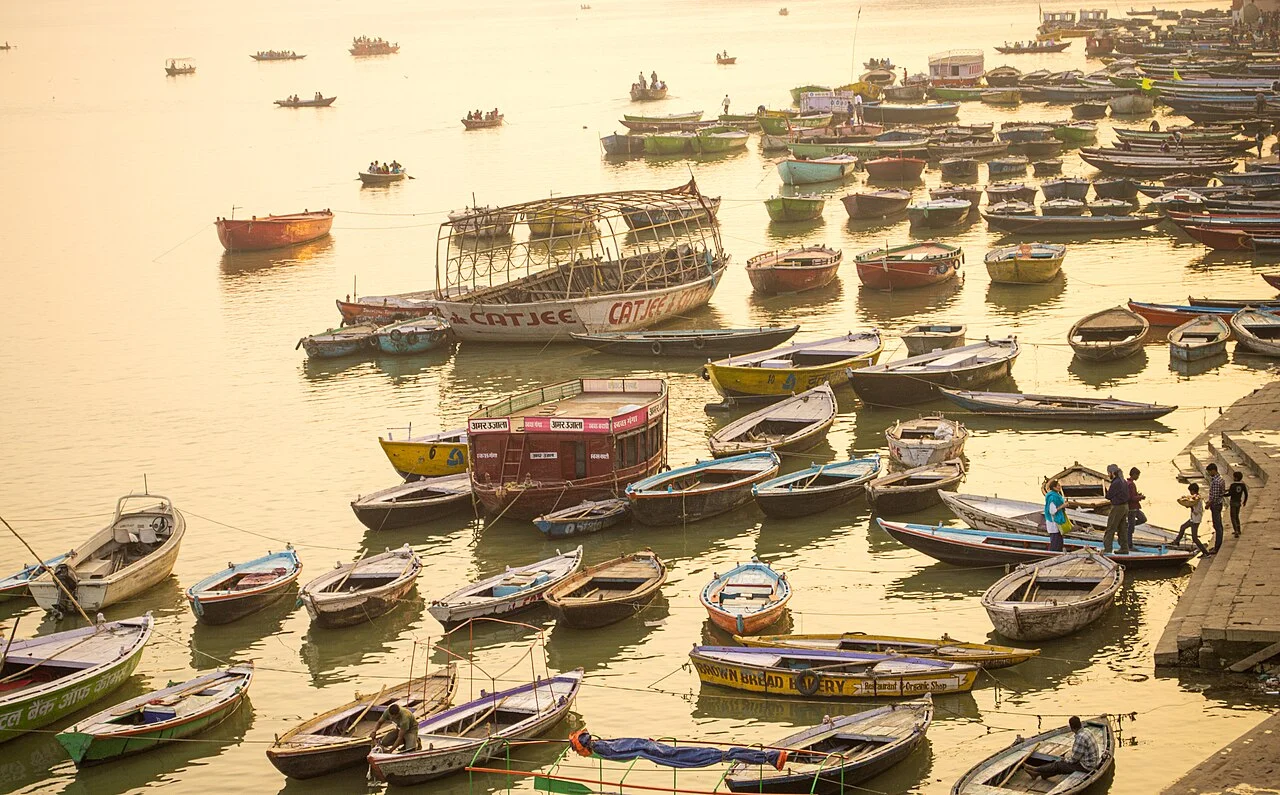
Think of Varanasi as more than a sunrise photograph: the Ganges-side steps, old-city lanes and archaeology around Sarnath form different visits. Tatilmerkezi Stork invites you to give each its own time. A spacious morning on the riverfront, a return for lunch and rest, and a separate Sarnath day may be more rewarding than rushing every stop into one circuit. The route also passes through a living religious environment. Move with attention to worshippers and local arrangements instead of stepping in front of people to secure a photograph. Build two days around opportunities to pause rather than the number of places crossed off a map.
A riverside morning and choosing a boat
A ghat is a stepped area leading towards the river. Do not treat Varanasi's riverfront as a single visitor facility with one entrance: different steps support different daily uses. On arrival, identify the surrounding lanes, a recognisable return point and the route to your accommodation. If investigating a boat trip, agree on its route, duration, passenger arrangement and total charge with the operator before boarding. Choose a walk or another visit when water levels or local directions make boating unsuitable. Identical services cannot be assumed at every hour of every day.
Seeing the shore from the water and walking its steps offer contrasting perspectives. From a boat, notice the relationship between buildings and river; on land, see how lanes connect with the waterfront. Choose according to energy rather than making both experiences compulsory. Avoid continuing onto slippery or flooded steps and follow the operator's instructions when boarding. Swimming in the river or drinking its water need not become part of a visitor's programme. Reserve a real breakfast and rest stop after an early start so the afternoon does not depend on remaining outside continuously.
Old-city lanes and the Kashi Vishwanath surroundings
Investigate Vishwanath Gali and its surroundings as a compact walk following the riverfront. Kashi Vishwanath is an important Hindu temple dedicated to Shiva. Check current official guidance for visiting arrangements, entrance procedures and belongings rather than adopting an old account as today's rule. A visitor who does not enter the worship area can consider the surrounding streets as a separate cultural walk. Homes, businesses and visitors share these narrow passages. Keep doorways clear and respect places where entry needs permission.
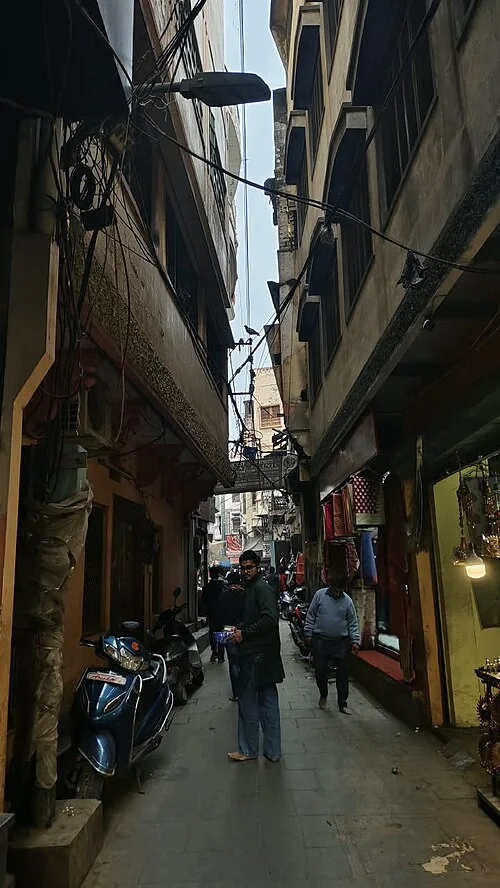

Exploring a small area carefully can be more useful than marking every alley on a map. Save a junction you can recognise on the return and do not assume that every passage towards the river is equally convenient. For shopping, clarify the product, quantity and delivery arrangement first. If the weaving traditions of Banaras interest you, leave time to examine actual textiles rather than treating one sales presentation as an explanation of the entire craft. Speak to people before making close photographs. This helps preserve both the quality of your visit and the movement of everyday life around it.
Leave room for the evening aarti
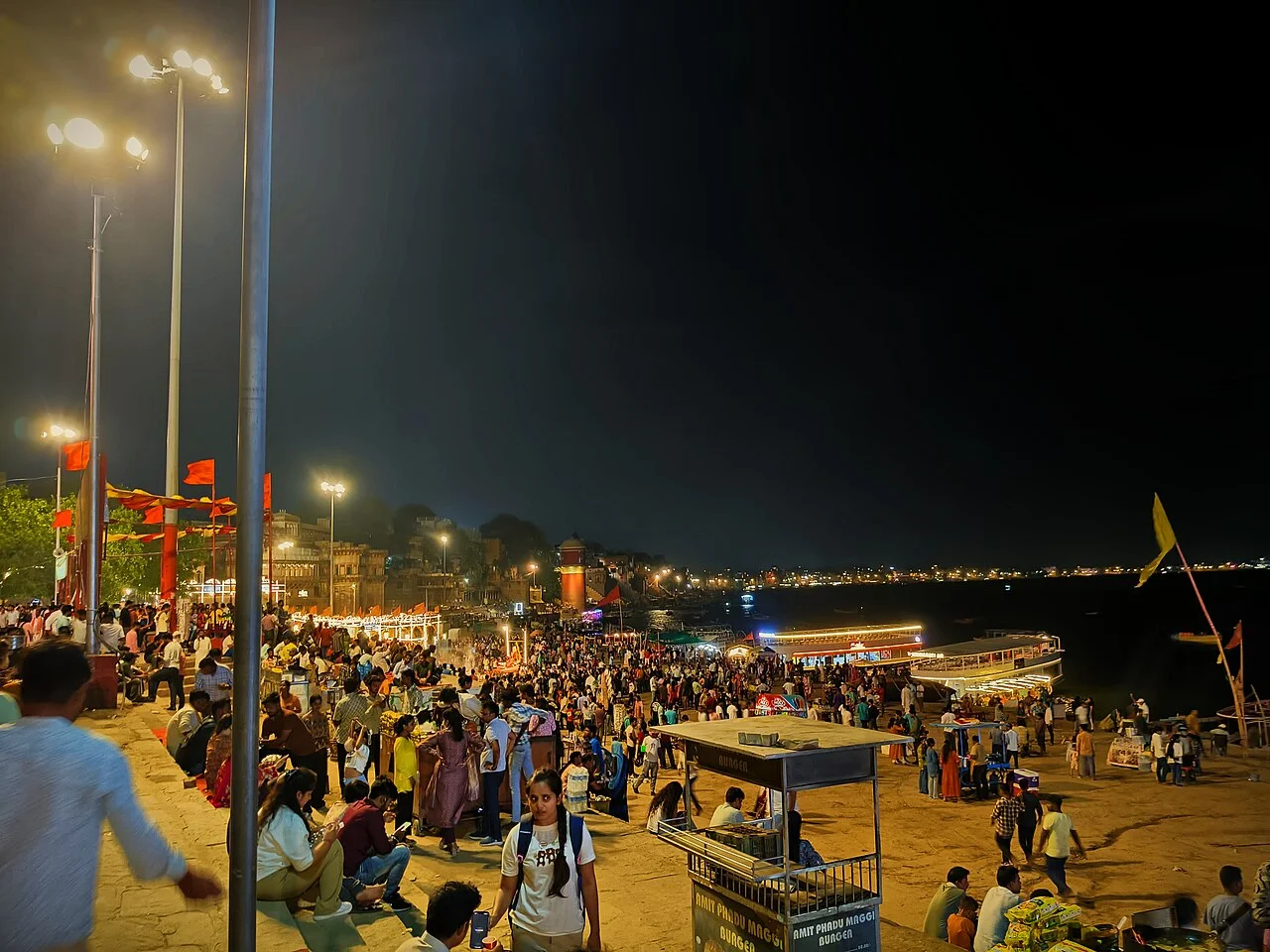
Ganga aarti around Dashashwamedh is one ritual to investigate for an evening riverfront plan. Confirm that day's timing and viewing arrangement locally: calendars, crowds and conditions can change. Decide where to stand and how to leave before the ceremony begins. Avoid losing a clear exit while trying to reach the front of a crowd. If paying for seating or a boat arrangement, establish exactly what it includes. The space that people use for worship matters alongside the visual experience of the ceremony.


Keep passages open and avoid holding a telephone continually across someone else's view. A broad riverside photograph differs from a close image of individuals, so consider permission and local notices. Do not turn funeral or mourning areas into a spectacle or photography pursuit. After watching the evening ritual, a simple dinner and accommodation return may work better than another lengthy excursion. Recognising the exit lane during daylight can help when people leave together later. Stork suggests an attentive, unhurried visit that respects the meaning of the place as well as the traveller's interests.
A separate half-day for Sarnath
Sarnath, northeast of Varanasi, offers a Buddhist heritage chapter distinct from the riverfront. District information connects it with the Buddha's first sermon. Plan transport and the return before investigating Dhamekh Stupa and the archaeological surroundings; this is not a short passage within the old-city walk. Confirm current museum and site arrangements through official channels, including access, tickets and opening days. If departing Varanasi later that day, organise baggage and the onward transfer separately instead of leaving the excursion until the last possible moment. Available time should determine which parts you enter.
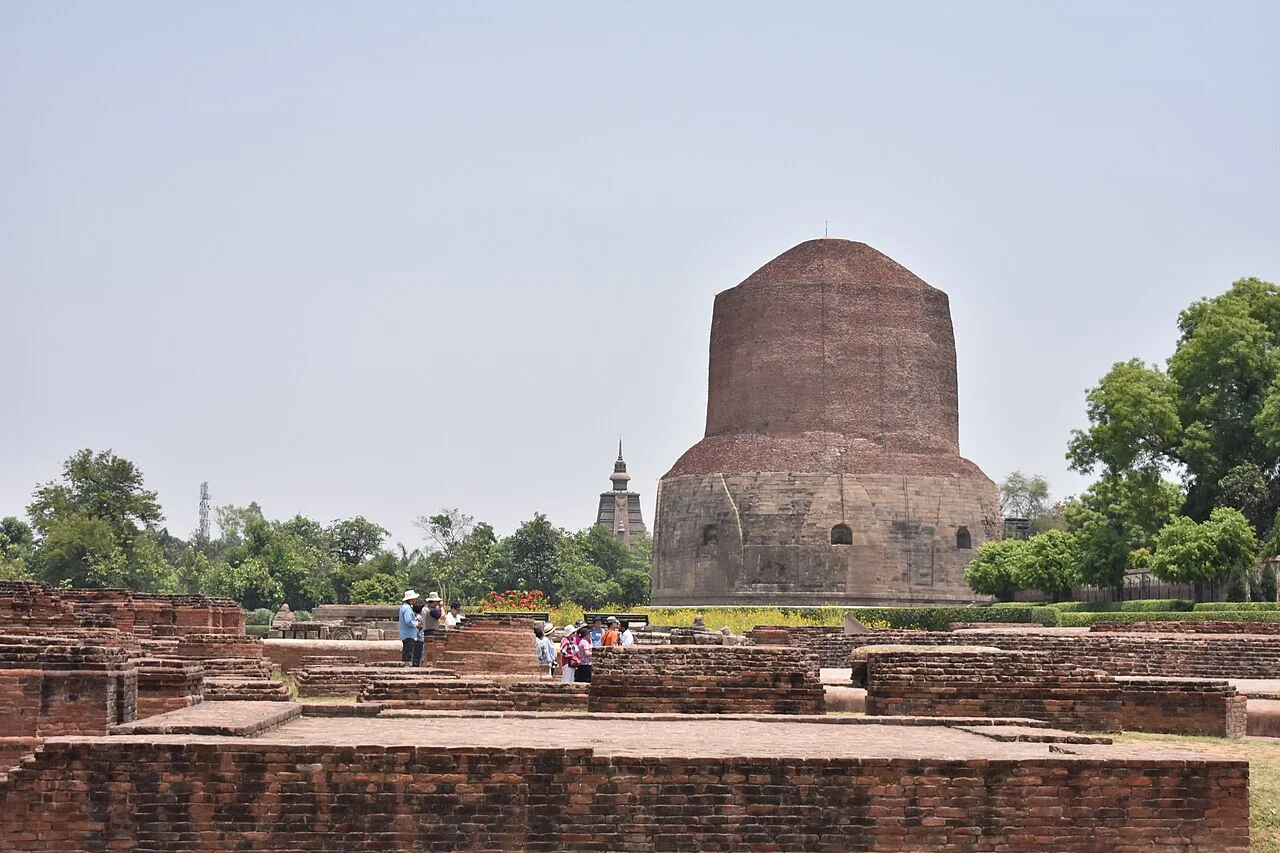

Walking slowly around the stupa and remains creates a different visit from stopping for a single building photograph. Follow paths and boundaries rather than climbing archaeological structures for a view. Allow separate time for a museum visit instead of assuming the same duration as an outdoor walk. Here you can establish another pace after the dense lanes of Varanasi. Give the return journey room and account for time spent outdoors in the sun. A Sarnath visit and evening aarti might fit together, but leave sufficient space between their actual transport and viewing arrangements.
Assi, meal pauses and accommodation choices
Consider Assi for an evening walk or the start of a second morning. Travellers choosing waterfront accommodation should investigate the real lane and step access: proximity to the river does not mean a vehicle can deliver luggage directly to the door. An old-city base may bring cultural visits closer while requiring transfers to meet elsewhere. Those prioritising broader connections can investigate alternative city areas. Select a room using more than its view photograph. Stairs, sound, a practical meeting point and the daily return route all influence the experience.

For a meal pause, investigate local preparations such as kachori, chaat or lassi. Official tourism information links Kachori Gali with this breakfast world. A seated meal between temple and riverfront visits can provide a better rhythm than spending the day on scattered snacks. Establish actual ingredients and portions with the business, particularly when dietary needs matter. Give the first day to the riverfront, old city and evening ritual; keep the second for Sarnath and a calmer Assi visit. Tatilmerkezi Stork's Varanasi programme makes room for recognising the living city's rhythms while allowing the traveller to rest too.