
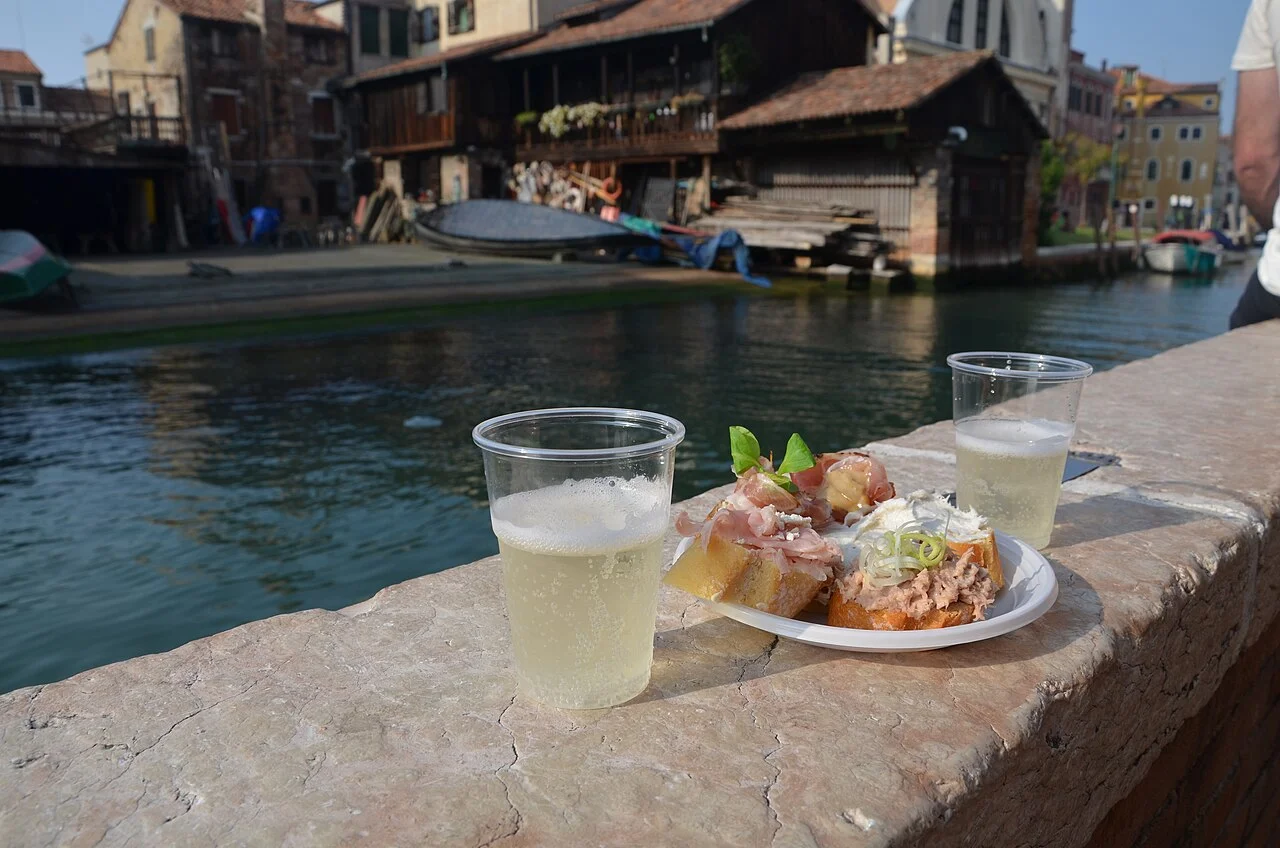
Tatilmerkezi’s Stork suggests getting to know Venice through meals rather than counting bridges. A morning coffee, a short walk near Rialto, a few small bites chosen at a counter and an unhurried dinner can make a lovely introduction to the city. The size of each order matters as much as the canal view. Spreading smaller tastings across the day leaves room for walking and for neighbourhoods that deserve more than a passing photograph.
This guide is a framework for your own food route, rather than a ranking of restaurants. Consider keeping your first day between San Polo and Cannaregio, then giving Dorsoduro its own second-day outing. Lunch in one neighbourhood and coffee in another can be more satisfying than trying to cross the whole city before sunset. Choose one substantial meal each day and let the other stops remain flexible. That keeps the schedule welcoming for companions with different appetites.
Cannaregio: a neighbourhood for the first bite
If you arrive on foot from Santa Lucia, do not treat Cannaregio solely as a corridor to somewhere else. Follow a stretch of canal, then choose a smaller street for your first pause. A coffee and a modest pastry can leave room for an early lunch tasting. Once you have looked at your map, limit the morning to one area rather than crossing every bridge simply because it is there. A meal route should have space to breathe.


The municipal tourism portal Venezia Unica describes Cannaregio as a neighbourhood with osterie and bacari where cicchetti accompany aperitivo. Use that as an invitation to explore, not an instruction to order everything on the first counter. Start with two small pieces that appeal to you. Think about contrasts between warm and cold, creamy and crisp, rather than choosing several nearly identical bites. Water makes a perfectly sensible accompaniment; enjoying this kind of stop does not require drinking alcohol.
Rialto: build lunch around the market area
A food walk near Rialto does not need to cover both sides of the bridge in one sweep. Begin on the San Polo side with a short outing around the market area, then decide where the seated part of lunch belongs. Connecting the products you notice with the dishes you later read on a menu can leave a stronger memory than simply collecting market pictures. Keep counter fronts and shopping routes clear so your pause does not interrupt somebody else’s ordinary morning.


There are two useful ways to organise lunch. You could make it a light cicchetti break and reserve a more substantial dish for dinner. Alternatively, settle down for a rice dish at midday and keep later stops to coffee. The first suits travellers who like moving between neighbourhoods; the second is better for a long conversation over a table. Rather than combining both approaches in one meal, decide how much walking you want afterwards. With children, an earlier food stop can make the next round of bridges much easier.
Cicchetti: create a small selection of your own
Cicchetti are the small bites associated with Venice’s traditional bacari. A plate with different toppings makes this a particularly enjoyable pause. For a first selection, try two contrasting textures rather than three similar pieces: a soft topping on bread and a small fried bite, for example. This is a tasting suggestion, not a fixed set that every establishment must serve. At your next stop, you will have a clearer idea of which texture you want to repeat and which you would like to change.
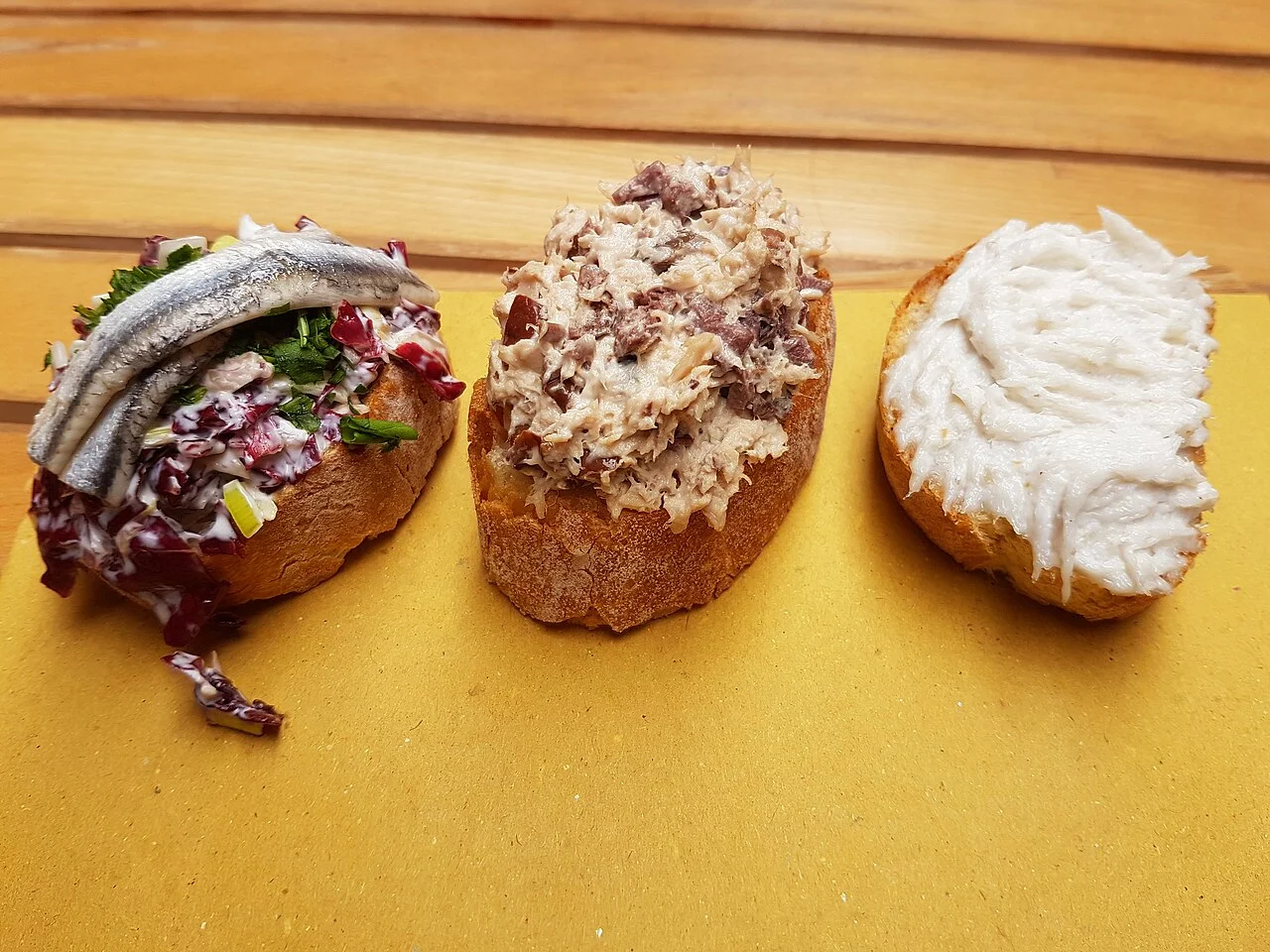

Names associated with Venetian cooking include sarde in saor, risi e bisi, risotto di gò and fegato alla veneziana. The official culinary introduction connects the first with sweet-and-sour sardines, the rice dishes with the lagoon and seasonality, and the liver dish with onions. These distinct choices suggest several different meals within the same city. Read beyond a general seafood heading and think about the kind of lunch or dinner you actually want. Sharing a starter and one main course can be a more comfortable tasting plan than giving every person a heavy dish followed by another round of snacks.
Polpette and small pauses set the pace
Small fried bites can be a pleasant companion to a walk between meals. A cicchetti plate might also replace dinner on a day when you specifically want something light. If you are hungrier, avoid squeezing a counter stop and a full seated dinner into the same narrow evening slot. Spread those experiences over different days instead. You will be able to appreciate the food without turning a relaxed route into a checklist of things to finish.


For the second day, build a slower outing in Dorsoduro: a short morning walk, one seated lunch and a waterside rest afterwards. If Cannaregio and San Polo filled your first day, there is no obligation to retrace both. The Stork’s suggestion is to try a different style of meal in the new neighbourhood before repeating yesterday’s favourite. A return visit on the final morning can still be part of the departure route. That small gap often makes a familiar flavour more enjoyable.
Bring the two-day food route together
On day one, consider breakfast in Cannaregio, a short walk around Rialto before choosing lunch, and an evening table within the same broad area. Treat Dorsoduro as a separate block on day two. If you later walk towards San Marco, eat before that scenic stretch rather than letting hunger compete with the sightseeing. A rainy afternoon can become a shorter coffee stop and a sheltered meal without overturning the entire plan. Keep one optional tasting in reserve rather than booking every part of the day.
Combine walking with the vaporetto when it fits your actual route. Crossing the city solely for one meal and then returning along the same path can consume the time that a slower table deserves. ACTV’s official transport and ticket information is the place to confirm your travel-day choices; this guide does not promise a particular service, timetable or price. For accommodation, Cannaregio is an editorial starting point for arrival and food walks, San Polo for a Rialto-centred plan, and Dorsoduro for a slower second day. Count the bridges between the stop and your room before planning to carry luggage.
You do not need to finish an entire menu to discover Venice’s food. One flavour you enjoy, a table worth lingering over and a waterside stretch to walk slowly can make a complete day. A small plate might occupy very little space in a photograph, yet the time you give it can become one of the fullest parts of the trip.