
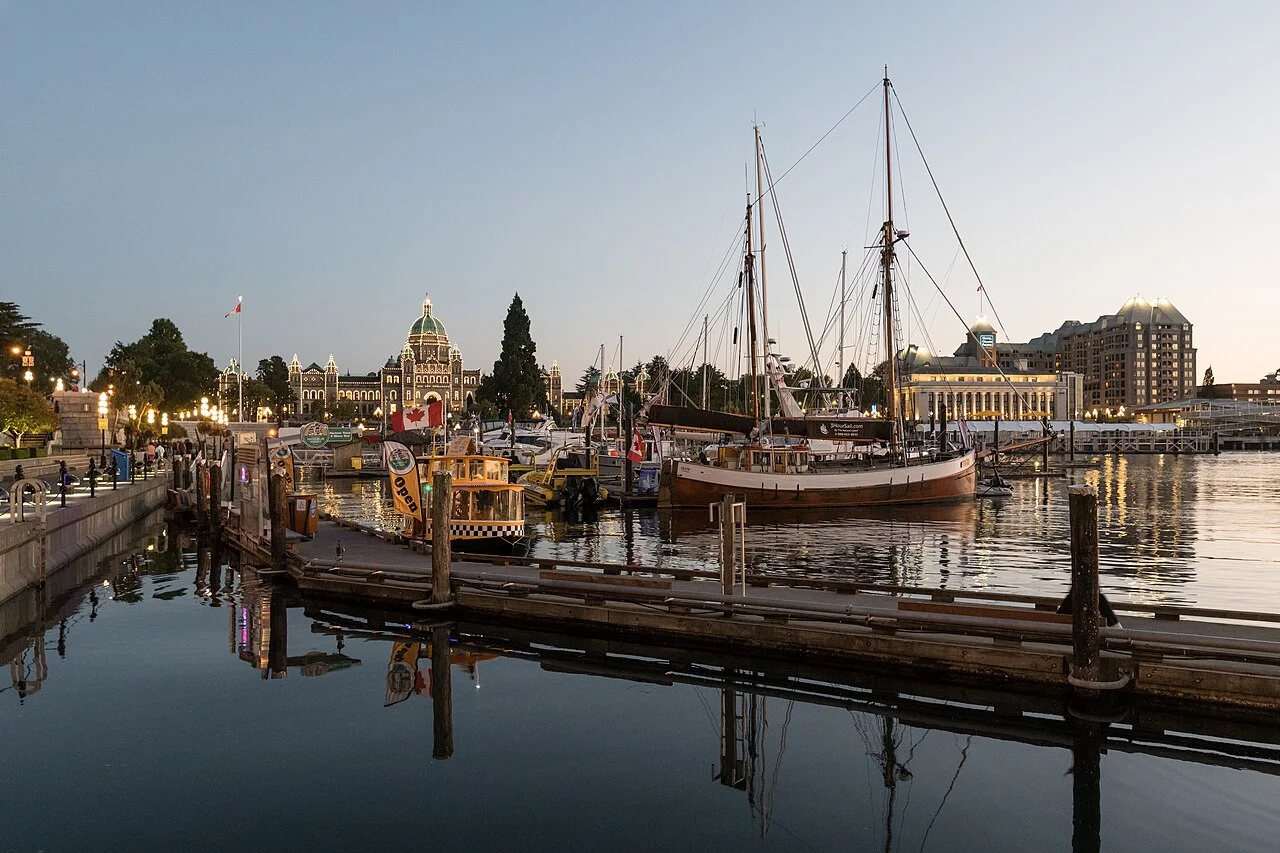
Tatilmerkezi's Stork turns towards the southern end of Vancouver Island, where Victoria rewards visitors who leave room between the landmarks. This is the capital of British Columbia in Canada, a city of waterfront walks, distinctive neighbourhoods and welcome green pauses. Its appeal is not limited to a photograph of the parliament buildings. Walk a little further and the scale changes from formal architecture to floating homes, compact shopping streets and park paths. Victoria and the city of Vancouver are different places, so build your arrival around island geography rather than treating them as neighbouring downtown districts.
Two full days make a useful starting point for a first visit focused on the central city. With another day, you can revisit a favourite waterfront stretch or arrange a separate outing beyond town. This itinerary groups places that make sense together, leaving opening hours, guided visits and transport connections for your own dates. It is an invitation to explore, rather than a promise that every attraction can be fitted into one busy afternoon.
Inner Harbour: find your bearings by the water
Begin around Inner Harbour, using the water, boats and architectural skyline to understand the centre. A morning walk helps with orientation; a later return offers a different mood as the light changes. On an overcast day, shorten the waterfront section and explore the surrounding streets instead of chasing a particular photograph. The same view need not be collected only once, and stopping to watch movement on the water is part of the visit.
Boat and floatplane activity adds interest, but check the departure address before booking any excursion or transfer. Inner Harbour and the major ferry terminal at Swartz Bay are different places. A hotel near the central harbour does not put every island connection within walking distance. Match the terminal printed on your booking with your transfer, luggage needs and final onward connection, especially when arriving late in the day.
Parliament surroundings: give the architecture time
The British Columbia Parliament Buildings fit naturally into a harbour walk. You can appreciate the exterior without turning the stop into a hurried photo challenge, or investigate an official visit to learn about the provincial legislature as well as the building. If you want to enter or join a tour, consult the legislature's visitor information for the current arrangements. A working public building has security procedures and schedules that a general city guide should not replace.
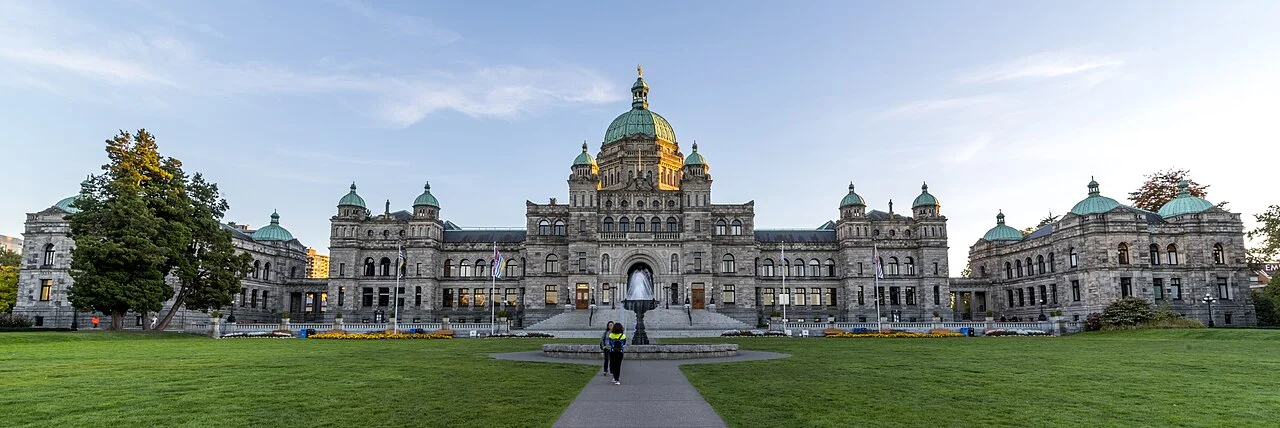

Keep entrances clear and remember that other visitors deserve an unobstructed view. Look at architectural details and the setting as well as the full facade. The photograph accompanying this section was taken in 2018 and is an archival architectural view, not evidence of today's landscaping or access arrangements. A useful picture helps explain a place while leaving current practical questions to its operator.
Fisherman's Wharf and the James Bay waterfront
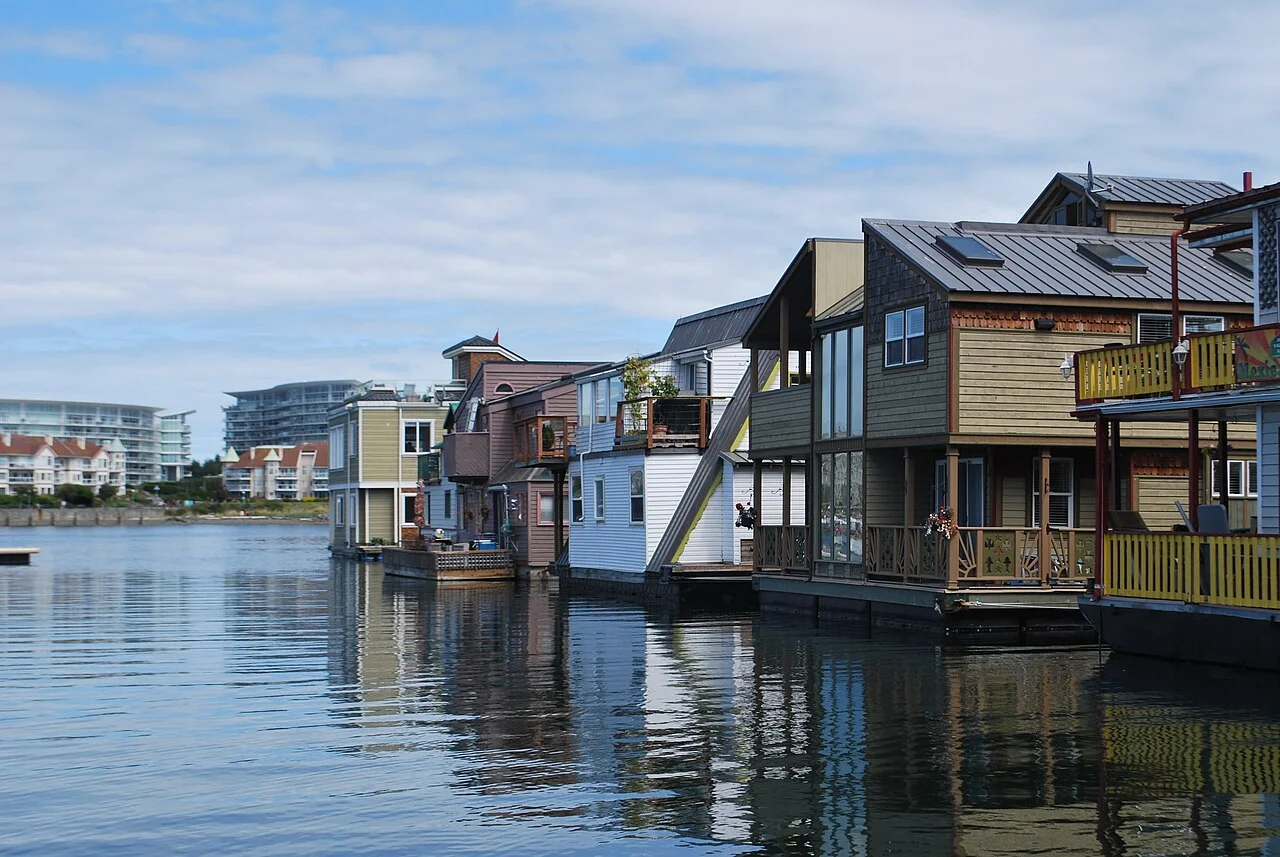
Moving towards James Bay brings a more intimate waterfront scene at Fisherman's Wharf. Floating homes and the boardwalk show a different relationship between the city and the sea from the formal harbour skyline. Treat the area as a lived-in and working place. Respect private doors, follow visitor signs and avoid blocking narrow passages while deciding on a photograph. People who live or work here should not have to step around a visitor's camera setup.

This part of the outing can become a relaxed lunch stop. Seafood or fish and chips may suit the setting, but examine actual menus, portion sizes and allergy information rather than assuming every outlet offers the same experience. Leave time for a drink and a pause at the water. A slower afternoon in one neighbourhood often gives more pleasure than collecting several extra stops that require another round of transfers.
Beacon Hill Park: a green interval in the city day
Beacon Hill Park makes a useful open-air counterpoint to the harbour and shopping streets. You do not need to cover every path: choose a manageable entrance and route, then allow yourself to sit for a while. Pairing the visit with a meal or coffee around Cook Street can give the park a clear place in the day instead of making it an additional task after a long waterfront walk.
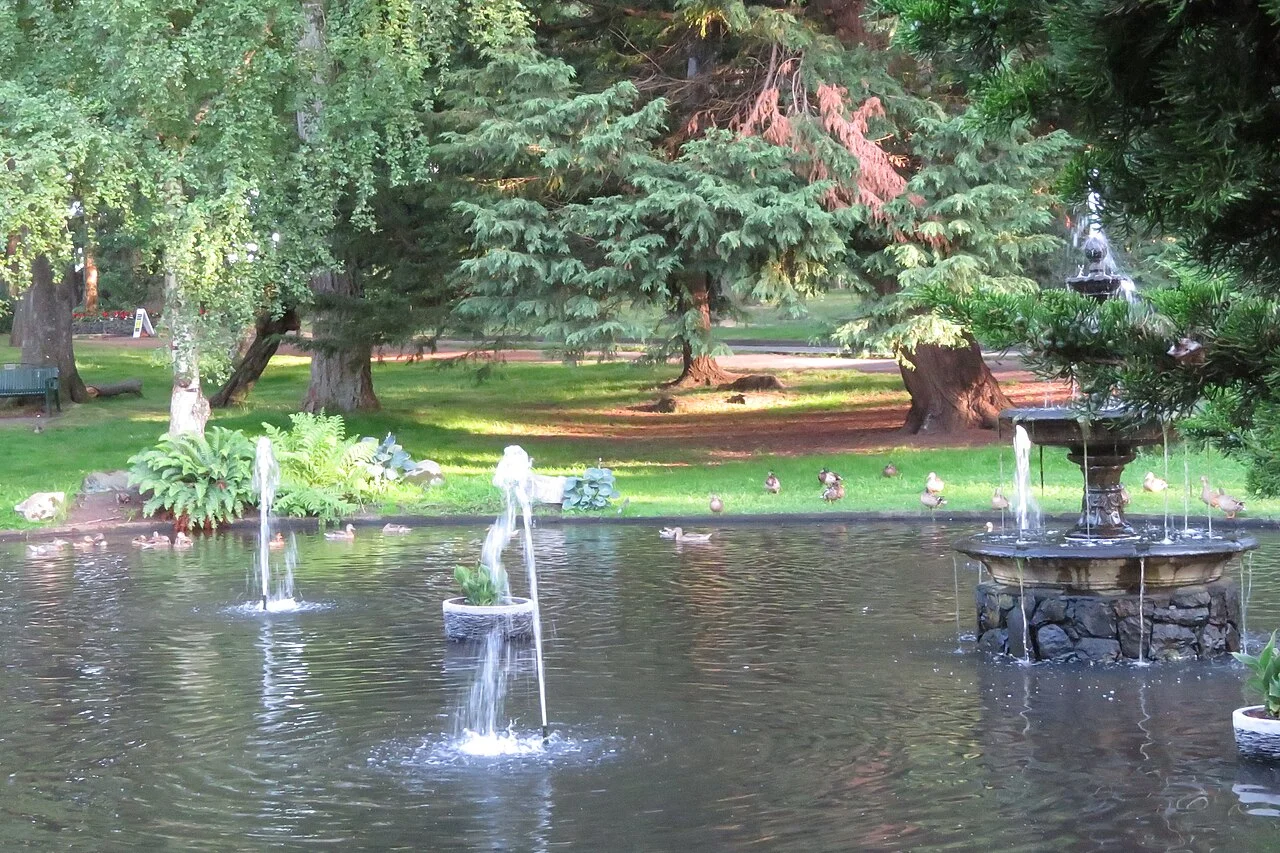

Carry water, comfortable shoes and a layer suited to changing conditions. With children or someone who needs shorter walks, decide the approximate route in advance rather than adding a large park circuit to an already demanding day. Stay on appropriate paths, carry out your rubbish and avoid feeding birds or other wildlife. Small considerate choices are enough to keep a simple green pause enjoyable for everyone sharing the space.
Chinatown: follow another layer of Victoria along Fisgard Street
Chinatown adds community history and a different streetscape to a central Victoria visit. Walking along Fisgard Street and noticing association buildings gives more context than photographing a single gateway. In narrow passages such as Fan Tan Alley, slow down when it is busy and keep shop entrances available. This is a neighbourhood with everyday activity, not a stage set separated from the people who use it.
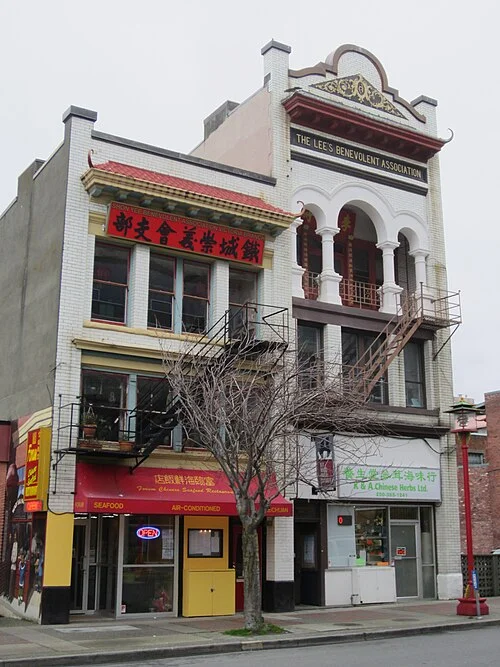

Food can be part of the exploration without reducing a varied culinary tradition to one compulsory dish. Ask about unfamiliar ingredients, consider sharing a few plates and explain dietary restrictions clearly. The archival photograph used here shows an association building on Fisgard Street; it does not establish the current tenant, trading hours or menu. Let historic architecture inform your walk and current information inform your meal.
A balanced two-day route and a place to stay
For the first day, keep Inner Harbour and the parliament surroundings together, then continue towards James Bay and Fisherman's Wharf. Use the second day for Chinatown and downtown streets, with a separate Beacon Hill Park interval if the weather suits. You can move the park to the first day and keep shorter neighbourhood walks for a wetter second day. The Stork's suggestion is to let a good pause last, even when another pin remains on your map.
Downtown and the Inner Harbour area are practical bases for a first visit centred on these landmarks. James Bay works well if the programme leans towards the waterfront and parliament side. Compare the actual street, evening noise, stairs, luggage arrangements, parking and bus connection as well as the distance shown on a map. Assess total prices for your travel dates instead of relying on a fixed budget estimate that may not match the season or room type.
Arrival, weather and final checks
BC Transit airport connections vary by trip and time, so do not assume every journey from Victoria International Airport is direct to downtown. Use its YYJ service information and journey planning tools for your actual arrival. If coming by ferry, arrange the terminal transfer separately and confirm the operator's reservation, luggage and last-service conditions. On a travel day, a short harbour introduction is usually a more comfortable ambition than a full sightseeing schedule.
Leave a flexible section that can change with rain and wind. The photographs in this guide are licensed archival scenes explaining the atmosphere and geography, not live weather or business updates. Sources were reviewed on 3 October 2026. Recheck transport and official visiting arrangements before departure, then enjoy the harbour and neighbourhoods at a pace that suits your own trip.