

Travelling alone does not mean choosing to be alone during every hour of every day. You can move through a museum at your own pace, observe the surroundings from a table or join a shared activity. The Tatilmerkezi Stork does not frame a solo trip as a test of courage. Copenhagen, Tallinn, Helsinki and Bruges provide examples for building a daily arrangement around your interests. They are not ranked as the safest or easiest places for everyone; real neighbourhood, food and cultural choices illustrate a way of deciding.
The absence of a companion does not require an ever-growing programme. When travelling solo, you make the smaller decisions about directions, tickets and meals yourself. Selecting two important aims and leaving other stops optional can make the day clearer. Sources were checked on 4 October 2026. This guide contains no safety guarantee, price list or invented personal visit. Nor are the four cities presented as a route to complete within one short break: they are alternatives for different interests and daily rhythms.
An accommodation base: include your own return journey
When choosing a room, consider arrival and return arrangements alongside proximity to sightseeing. How will you get from the station to the accommodation with luggage, and will you want to go out again for dinner on the first evening? You cannot rely on a companion's booking or navigation decisions. Preparing the address and the first transport section reduces the number of decisions needed immediately after arrival. This does not declare a particular neighbourhood safe; it makes the beginning and end of the day visible.
A central location may matter to you, but not every central hotel meets the same itinerary needs. In Copenhagen, consider the relationship between the Nyhavn area and your selected cultural visit on a map instead of expecting every activity to be accessible on foot from one scenic street. The first evening can simply introduce nearby surroundings and establish where tomorrow's main visit will take place. The crowd or weather in a dated photograph says nothing definite about the conditions on your own travel day.
Copenhagen: turn an interest in Rosenborg into one cultural day
The Rosenborg area is a concrete research point for a solo visitor interested in a historic building and garden setting. Seeing the exterior, visiting collections and walking in the gardens are different decisions; do not assume they all have identical admission arrangements. Selecting what you want first makes the institution's current visitor information more meaningful. One pleasure of exploring alone is that spending longer beside one display or less time in another section does not require agreement with a whole group.


For lunch, the name smørrebrød introduces a Danish open-faced sandwich. It can become a distinct meal after a cultural visit rather than requiring every gastronomic stop on the list that day. Service details, such as a restaurant operating principally at lunchtime, vary between businesses. Connect the meal with the visit in your own arrangement, without assuming a photograph or a general tourism list guarantees that every option will be available on your particular date. Local names offer a direction, not an inflexible set menu.
Tallinn: separate a Kadriorg day from an old-town day
Kadriorg Park in Tallinn illustrates a way to combine outdoor curiosity with a historic setting. Do not turn a day allocated to that area into a competition to finish every old-town stop as well. The palace and park photograph does not show every collection's interior or all gallery programmes. If a cultural institution interests you, research it as a separate visit and keep the park section within the amount of walking you want for that particular day.


Black bread is a concrete local name associated with Tallinn's food and products. Adding a bakery or meal pause to a neighbourhood outing can provide a different memory from a list of building names alone. For a solo meal, it is possible to make a small choice and return later to something you liked; you need not sample every product on the first day. Consider use and carrying arrangements instead of allowing curiosity about local goods to become a large shopping burden during an otherwise manageable walk.
Helsinki: pair a korvapuusti pause with a museum interest
In Helsinki, korvapuusti gives travellers curious about cinnamon buns a specific coffee-break idea. The photograph is an actual homemade example, not a representation of one Helsinki café's current menu. On a day devoted to the City Museum or another cultural stop, place a coffee pause before or after the visit. Sitting at a table alone need not be an empty gap to fill. It can give you time to note something you saw or decide which part of the next walk most interests you.


When researching a City Museum visit, choose a theme rather than requiring yourself to finish every display. A period or object that genuinely interests you gives the trip a personal direction. There is no need to begin another extensive checklist as soon as the visit ends. Resting at the accommodation, returning to a neighbourhood or arranging a shorter evening meal are valid solo-travel choices, too. The number of photographs taken should not become an obligatory counter determining whether a day was completed successfully.
Bruges: a limited observation walk around Minnewater
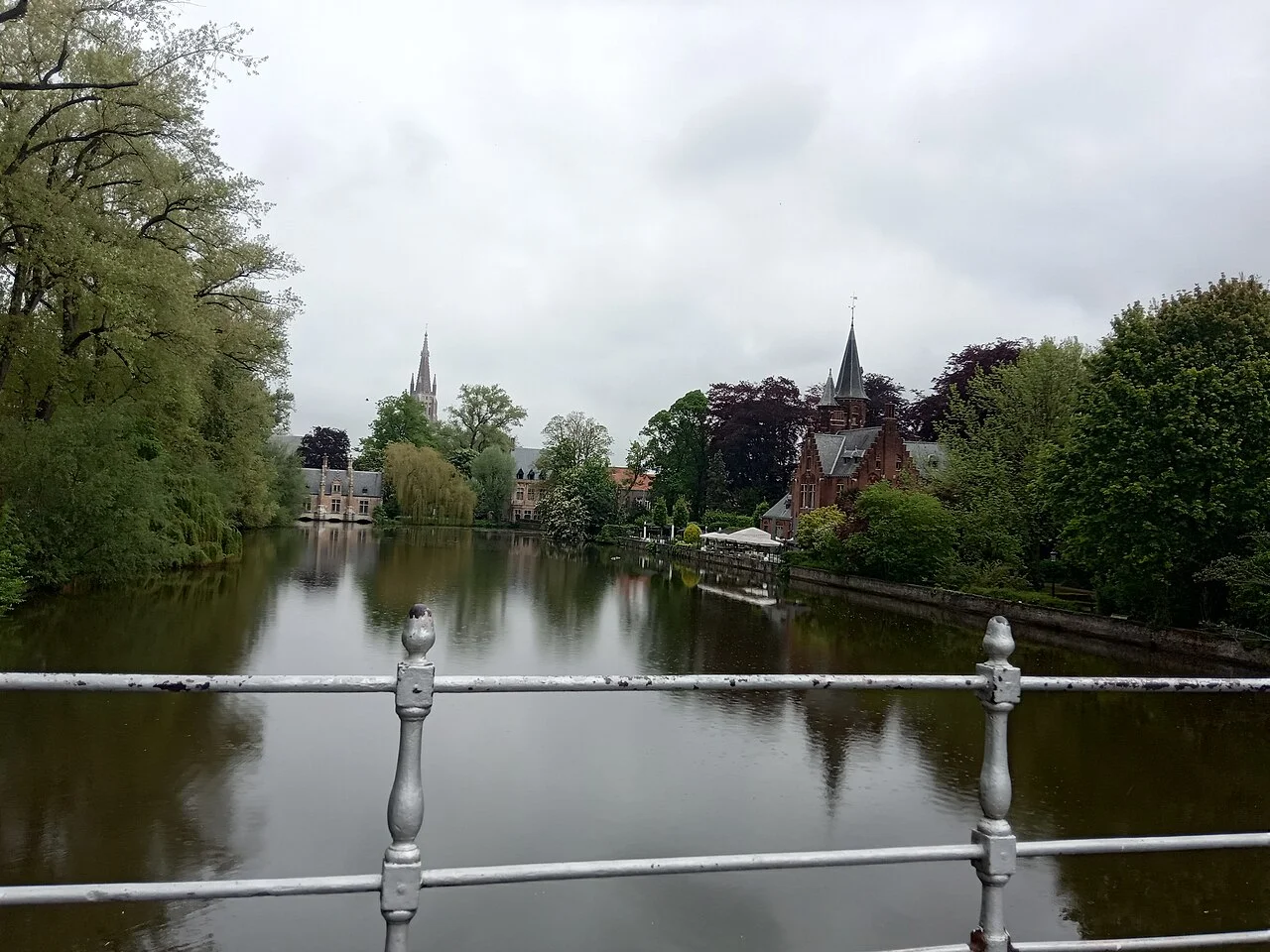
The Minnewater area in Bruges can form a bounded outdoor section for a solo walk. Seeing the relationship between bridge, water and historic surroundings does not require continually hurrying somewhere new. If you enjoy photography, look at details instead of only reproducing a familiar angle quickly. Do not assume every path surface or every season has identical conditions. Set the length of the outing from the way you actually want to explore that day rather than from a requirement to collect every nearby landmark.

The city's chocolate makers offer a different subject for curiosity about products. Choosing something small or simply examining the products need not turn the whole day into a shopping trip. Selecting a taste or a keepsake for yourself can become a concrete aim during solo travel. On the other hand, there is no obligation to buy something in every shop. Moving between an outdoor section and a meal pause allows the same one-person day to have several rhythms without demanding a large programme to prove its value.
Find your own balance between contact and personal time
You might research a guided activity, a museum programme or another shared visit, but meeting participants or forming friendships is not a promised outcome. Nor is walking alone all day necessarily the best option for every traveller. Selecting one shared activity that interests you and filling every gap with social arrangements are different decisions. Someone else's account of travelling alone need not become the standard against which you judge your own holiday. Leave room to discover which combinations work for you.
In a three-night example, the first day can cover accommodation and nearby orientation, the second one cultural stop and a local meal, and the third a short walk with departure preparations. Keep the addresses and transport information in an arrangement you can use yourself, and reconsider the return section if the day changes. The Stork suggests treating a solo trip as space for your curiosity rather than a performance. A bun, a park and a historic detail you spent time observing can leave a more personal story than an enormous sightseeing list.