
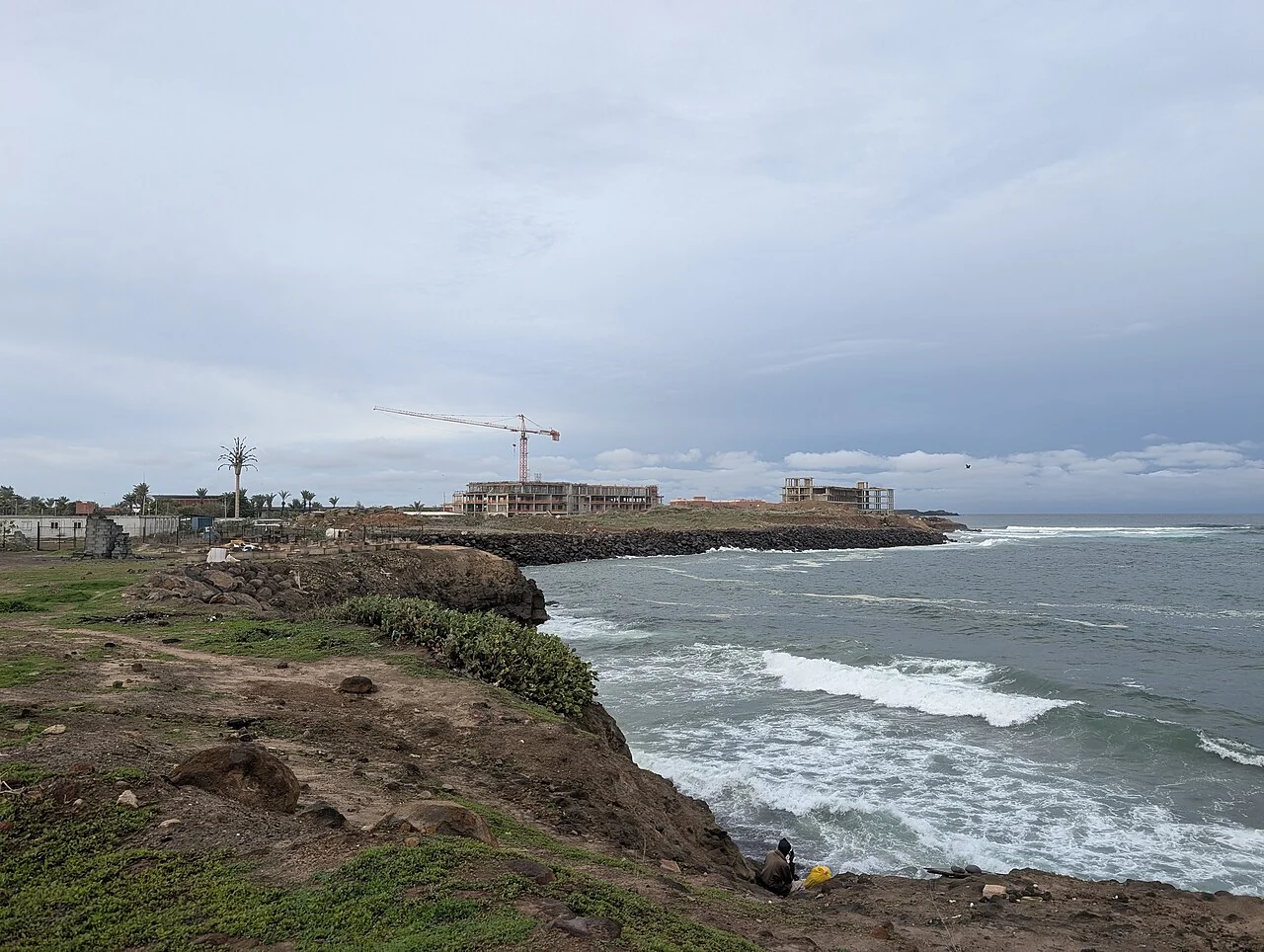
For a first visit to Senegal, decide whether Dakar's city life should lead into time on the Petite Côte or into the river and historic streets of Saint-Louis. Tatilmerkezi's Stork suggests two useful bases rather than trying to cross the whole country in a week. Start with Dakar and Gorée, then choose a northern Saint-Louis branch or a southern coast and Sine Saloum branch. These options provide different rhythms, not one compulsory list. Fewer hotel changes, daylight road transfers and an unhurried first local meal can make the route easier to enjoy. The framework below helps you choose; it offers no invented timetable, current price or personal travel memory.
Two Dakar days: put neighbourhoods in order
Let arrival day begin with reaching the accommodation and a short outing nearby. On the next day, combine a Plateau walk with one museum focus, leaving the craft and coastal setting around Soumbédioune for another time block. Check a cultural stop such as Musée des Civilisations Noires through its own current visitor information. Avoid trying to cover the entire peninsula in one afternoon. An Atlantic viewpoint, a central street walk and an evening restaurant require different transport decisions. Before walking, save the hotel's exact address and decide how to return. Allow space to sit down rather than interpreting every spare hour as permission to add another cross-city trip.
A Plateau base may fit a central and Gorée-focused visit, while a Corniche or Almadies address may suit a more coastal programme. These are daily-use distinctions, not hotel quality or safety guarantees. Inspect the precise location, evening meal access and potential room noise. Traffic can change the practical relationship between areas that appear close on a map. With a late flight arrival, confirm luggage arrangements, the driver's meeting point and hotel entry time. The first evening need not become an obligation to stay out late. Recovery can be the most useful beginning when a ferry or a longer road day follows.
Gorée: connect history with a planned return boat
Gorée is a place to reflect on the history of the slave trade as well as to walk island streets opposite Dakar. Read UNESCO's account alongside the explanation offered by a local guide. Do not reduce places of memory to a backdrop of colourful houses. The Port Autonome de Dakar manages the Dakar-Gorée sea connection. Check the pattern applicable to your actual travel day, including the difference between weekdays, Sundays and public holidays, and choose a return sailing before starting the visit. Morning transport, an island walk, a historical focus and lunch make an adaptable day. Preserve time for returning to the departure point rather than relying on a last-minute rush; keep the subsequent Dakar evening simple.

Saint-Louis: two nights for the northern branch
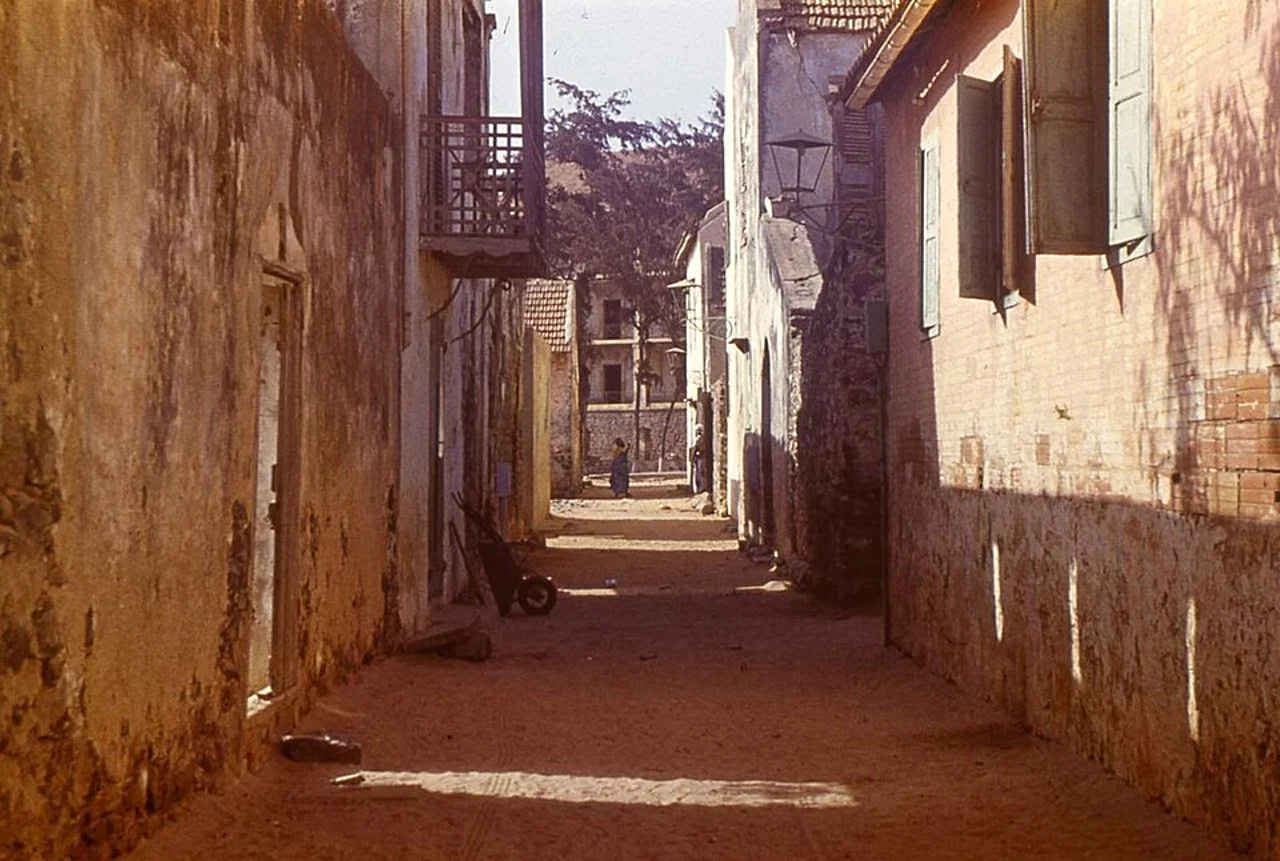
Saint-Louis's historic island and Senegal River setting offer a different city rhythm from Dakar. If this is your chosen branch, keep arrival day to the road transfer and a short riverside walk. The next day can allow longer exploration of old streets, courtyards and cultural stories. Ask a guide about the lives of different neighbourhoods as well as building names. Staying on the historic island may simplify a walking visit; a beach or other waterfront address creates a different base for rest. Do not infer the quietness of an entire area from one accommodation photograph. Read the actual location together with the stairs, cooling options and evening meal arrangements at the property.

Petite Côte: leave a Saly rest day open
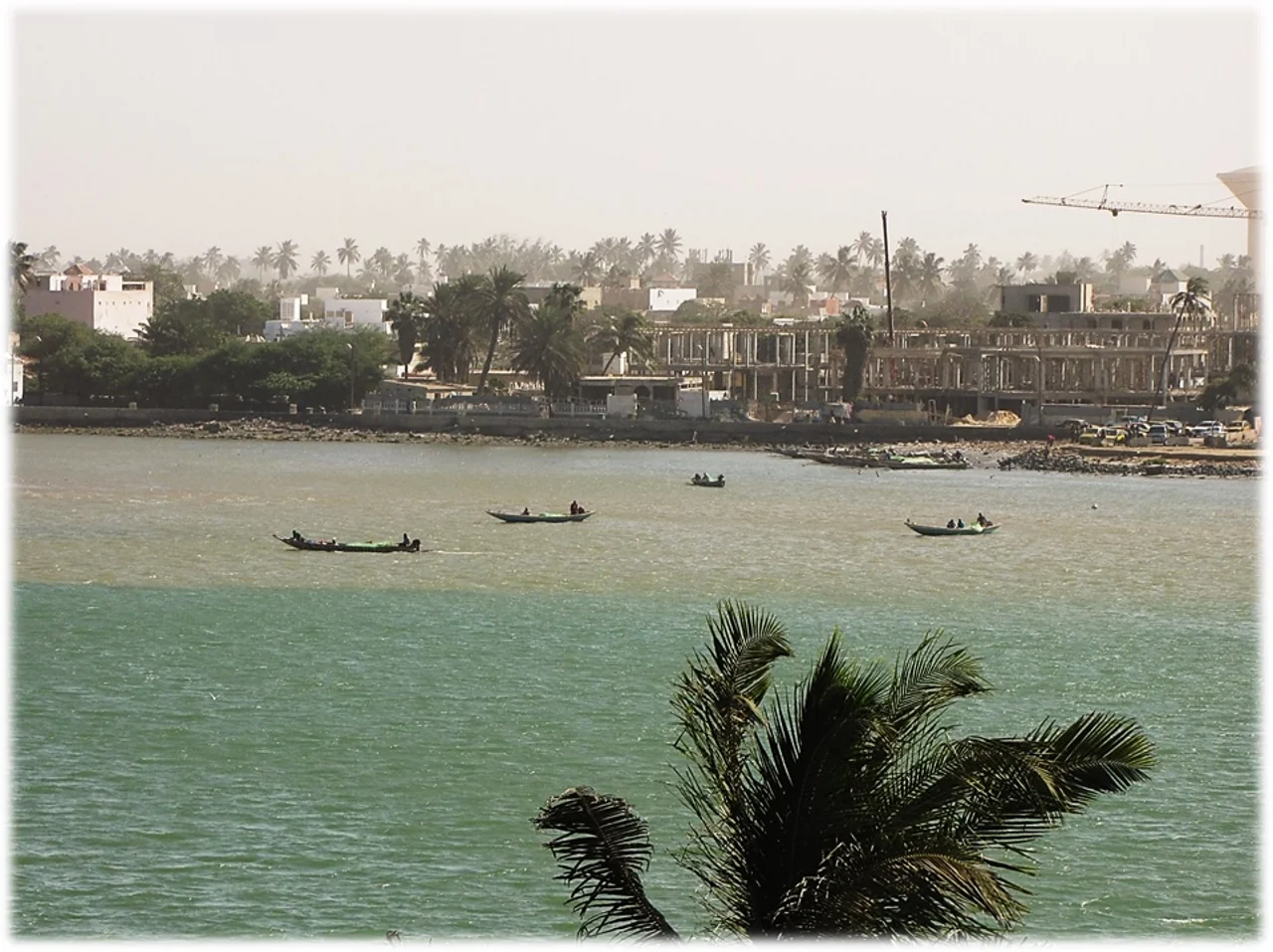
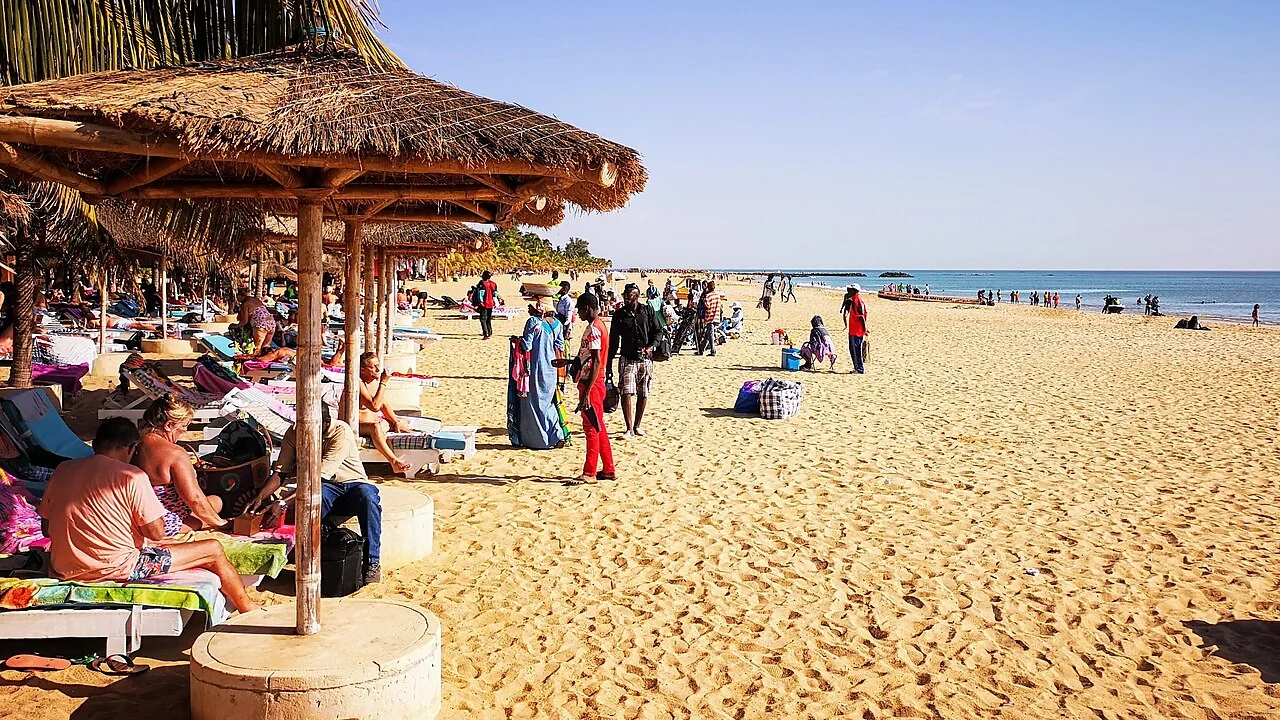
For readers who prefer a coastal pause after Dakar, compare Saly and surrounding Petite Côte addresses. On check-in day, a beach, pool or short local walk can be enough. Choose only one nearby focus the next day, rather than turning the coastal break into a programme spent entirely in a vehicle. A sea-facing resort photograph is not a guarantee of suitable swimming conditions. Ask locally about current waves, currents, supervision and warnings. Before booking, establish how the particular beach is reached from your room, what meals your plan includes and how a late departure would be handled. The image used here records Saly's coast in 2019; it does not advertise a current beach service.

Sine Saloum: choose the route before boarding
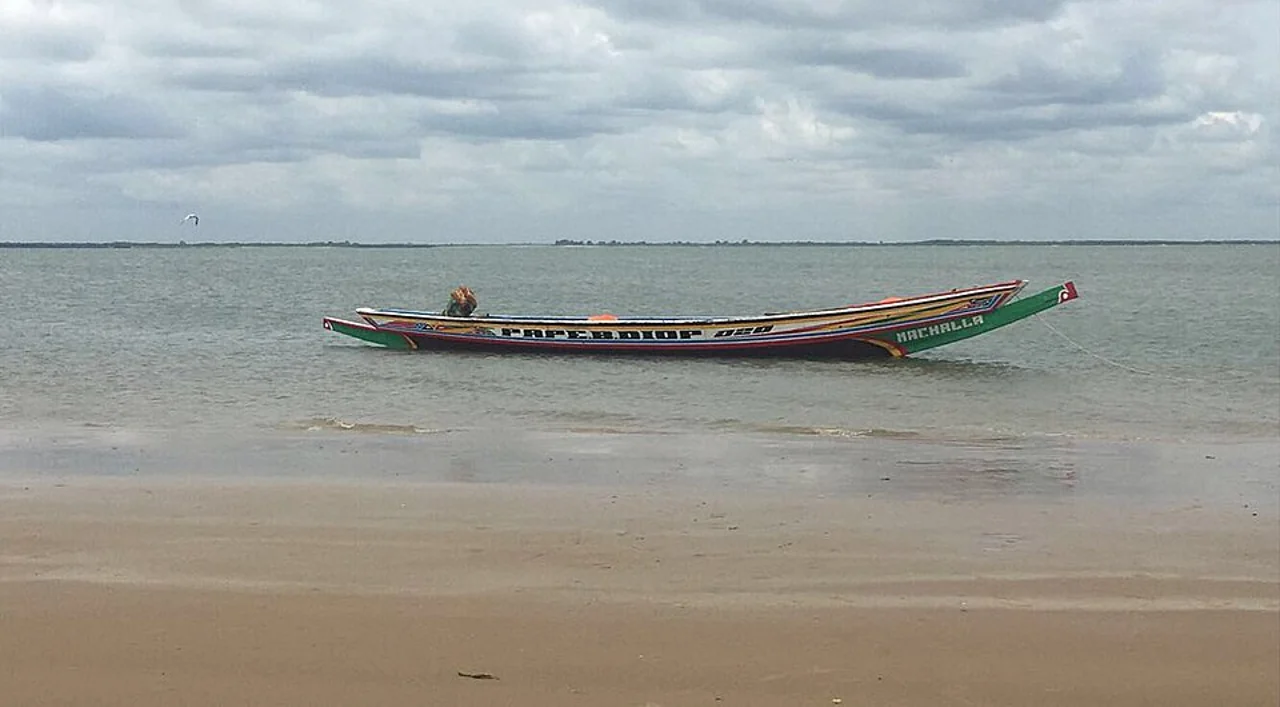
The Sine Saloum delta is a separate option for connecting coastal rest with water channels, mangroves and local life. UNESCO highlights a cultural landscape connected to fishing, shellfish gathering and settlement. With a two-night delta base, one day can be reserved for a guided water outing and another for the village surroundings and recovery time. Ask for the precise departure point, route, lifejacket arrangements and weather-related change conditions in writing. Tide and access decisions need a current local assessment. A guide should not invent a timetable guaranteeing particular birds. The photograph shows a real pirogue in Sine Saloum, not the present equipment or service of a named excursion business.

Ceebu jën, yassa and a bissap pause
Ceebu jën, associated with the fishing communities of Saint-Louis and documented by UNESCO, is a concrete starting point for exploring fish, rice and vegetables together. It can fit the lunch stop on a Dakar city day; in Saint-Louis you can ask about a local preparation. Leave room for variations in recipe and service. Ask about the actual fish and vegetables, portion sharing and allergens rather than expecting a single standard plate everywhere. Yassa is another option, identified by the official tourism agency with Casamance origins; ordering it does not require travelling to that region. Bissap is a drink prepared from hibiscus flowers. Ask about sweetness and make it a short break after walking, without assuming that every business serves the same recipe or current price.
Road planning, regional advice and a return buffer
At the 4 October 2026 check, the FCDO regional page advises particular care in remote areas near the Mauritanian and Malian borders and precautions concerning clashes and road travel in Casamance. The introductory branches here include neither border touring nor a Casamance road journey. If expanding the route, reconsider current official advice and your insurance. Obtain entry-document requirements for your own nationality from the authorities; do not apply rules written for a different passport. Check domestic transport arrangements, and agree exact collection addresses and luggage conditions in writing. A useful buffer night around Dakar before the flight reduces the pressure of connecting a Saint-Louis or delta road journey directly to the last departure. Keep the final day flexible enough to account for changes without pretending a transfer time is assured.