
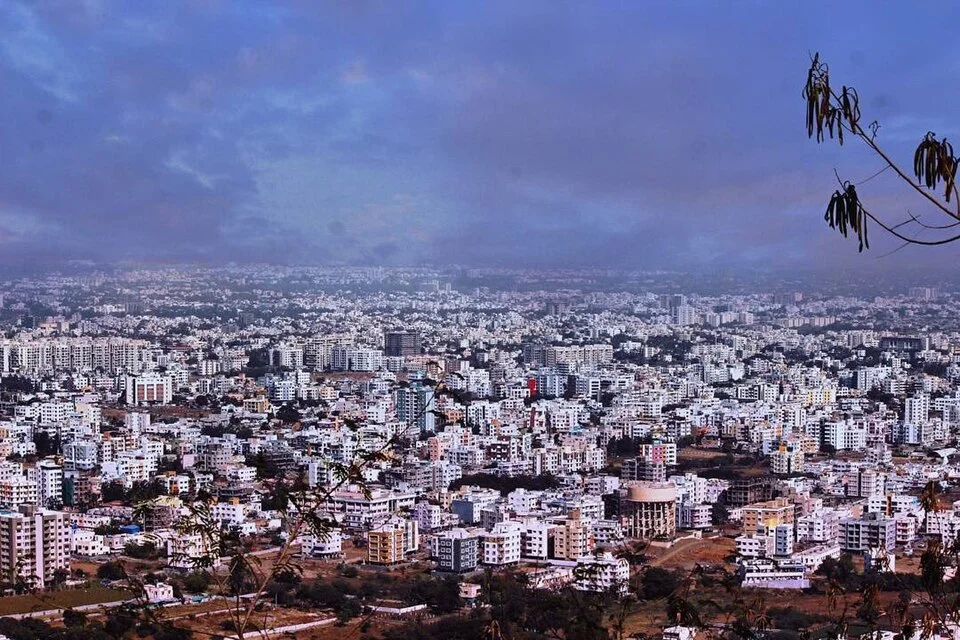
Nashik: a river neighbourhood and a cave hill
Thinking of Nashik only as a quick wine excursion from Mumbai can obscure the city's daily rhythm. Panchavati around the Godavari, active places of worship and the hillside location of Pandav Leni make two different sightseeing days. The Tatilmerkezi Stork suggests four calendar days and three nights for a first visit: arrival, one complete river-neighbourhood day, one complete cave day, then departure. Put Ramkund, Kalaram and Naroshankar at the centre of the first day, and rock-cut spaces and a proper rest at the centre of the second. This itinerary does not quietly insert Trimbakeshwar, Saptashrungi or a vineyard excursion into the same days. Replace an existing day or add another night if an outward trip matters to you. Giving two contrasting city settings sufficient attention offers a better introduction than squeezing a long temple list into one coach stop. Religious participation is not required: architecture, daily life and a local meal are meaningful parts of the programme too.
Arrival: distinguish Nashik Road and the Ojhar connection
A railway ticket naming Nashik Road does not mean the Panchavati waterfront is immediately outside the station. Discuss the final urban connection with your accommodation before arrival. For flights use the Ojhar Nashik airport identified by the district administration and the actual terminal on the booking. Arriving through Mumbai involves a separate overland transfer that belongs explicitly on arrival day. The national tourism page's airport line contains an erroneous Nagpur label, which has not been used here as route information. Verify the current service through the airline and the train departure through the booking channel. On arrival evening, leave time for luggage, a short neighbourhood walk and a meal rather than planning a long cave ascent. Choose the next morning's waterfront drop-off and collection points in advance. Giving a driver only a temple name is less helpful than also showing the return meeting location. This keeps the first full day's urban travel separate from the following day's hill excursion.
Ramkund: a slow beginning beside the Godavari
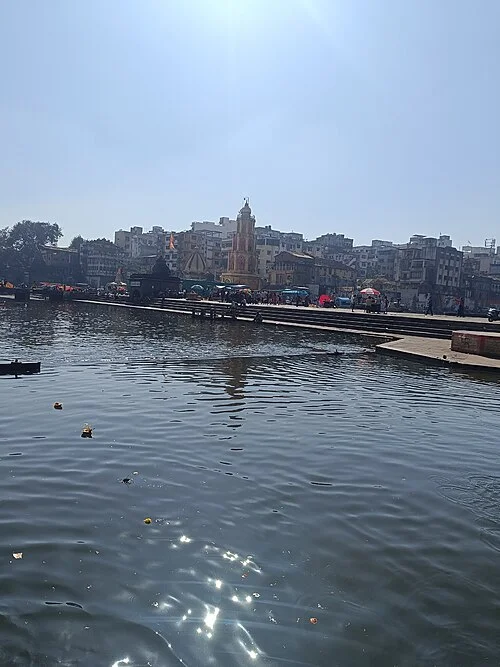
Start the river day with an unhurried walk around Ramkund. The steps and movement along the water are not simply photographic scenery; people come here for worship and family rituals. Walk without cutting across a ceremony and ask before taking close photographs of individuals. Rain and water levels can change how the steps are used, so follow local instructions and the route open that day. Entering the water is not a compulsory part of a cultural visit. Short steps and secure footwear on slippery surfaces matter more than completing a rapid waterfront circuit. After looking at the Godavari, allow shade and drinking water before continuing towards Kalaram. Accounts connected with the Ramayana should be understood as religious tradition and belief. Identifying a place with an epic story does not establish the events as archaeological fact. The useful outcome of this morning is understanding river, neighbourhood and living visitor practices together. Keep sufficient time to observe rather than treating the water as a brief background for the next temple photograph.

Kalaram and Naroshankar: two architectural stops
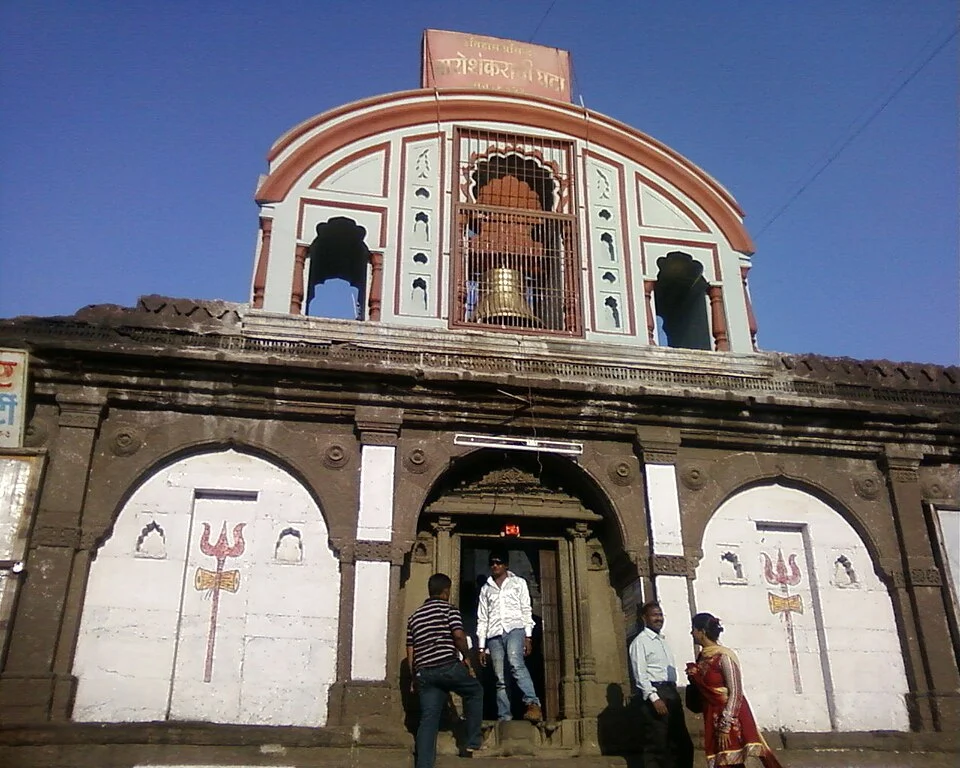
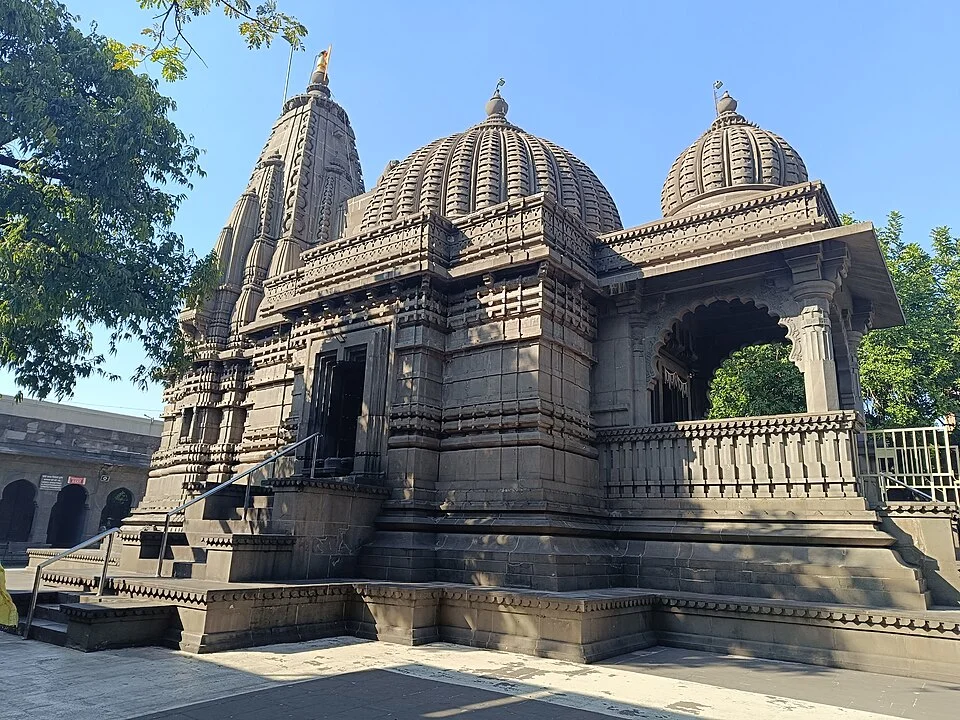
Kalaram and Naroshankar in the Panchavati setting are not two names for a single temple. At Kalaram, consider the facade arrangement of the dark-stone building; at Naroshankar, look at the architectural relationship with the waterfront. Establish current worship times and entry conditions at the entrance instead of assuming indoor photography is permitted. Follow instructions for footwear and personal belongings, and avoid blocking the flow through narrow spaces. A short neighbourhood walk and a meal between the two stops are more comfortable than one prolonged period standing in line. The district page lists many additional temples nearby, but this itinerary does not turn every one into a compulsory same-day destination. When an interior is closed or crowded, observing permitted exterior architecture is a sensible choice. With small children or a visitor who finds prolonged standing difficult, selecting just one building remains worthwhile. Two places examined carefully can be more understandable than ten names passed in a hurry.


Pandav Leni: a separate day for the caves
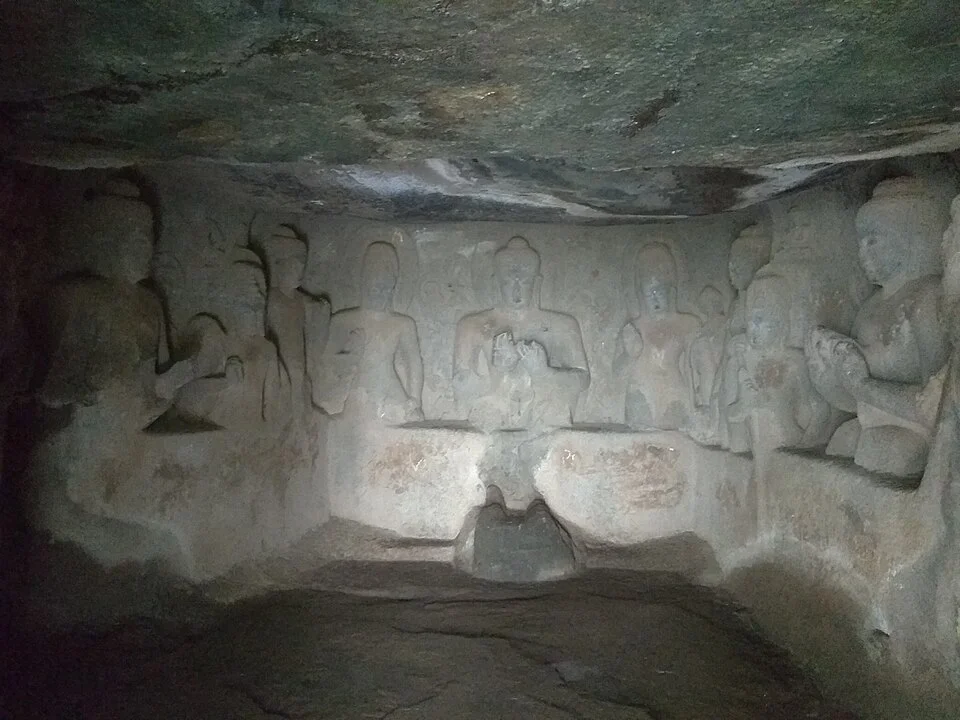
Use the second complete day for the Pandav Leni, also written Pandavleni, caves. The hillside approach, steps and vehicle connection from the city differ from the flatter river-neighbourhood walk. Travel during a cooler part of the day and arrange the return collection point beforehand. At the entrance ask which caves and conservation areas can be visited that day. Rock-cut interiors, visible stone details and the city view outside require different kinds of attention. Do not touch historic surfaces, cross barriers or walk backwards in dim light for a photograph. A name associated with the Pandava tradition is not historical proof that the epic's characters constructed every space. Because official descriptions contain different ancient-age estimates, this guide uses the general description of ancient cave heritage rather than a precise age calculation. After descending, leave time for rest and a city meal; another long regional excursion should not automatically occupy the remainder of this day. For someone unable to make the climb, a vehicle view of the surrounding city should not be presented as equivalent to entering inaccessible caves.

Nashik misal: make the city meal specific
Maharashtra's state tourism pocket guide describes misal pav through a pulse preparation, crunchy farsan, onion and bread. Its Nashik example includes a milder spice level, a hint of sweetness and a dahi accompaniment. That regional distinction does not guarantee identical bowls at every business. Looking for Nashik misal during a late breakfast or lunch on the river day gives a more local choice than copying a country-wide food checklist. Discuss the sauce and heat level when ordering. If you have requirements involving bread, pulses, dairy or the fried mixture, ask the business about the actual ingredients. Yoghurt may not accompany every serving, so make that preference clear. Before the cave morning, choose a meal time that leaves you comfortable for the ascent rather than relying on a particularly heavy breakfast. Allow a short rest if a longer transfer follows. No vendor receives a best-in-town title here. The practical purpose is to place a documented regional food variation within the day's sightseeing rhythm.
Accommodation: waterfront access or an easier transfer
Staying close to Panchavati and the old city may simplify the river morning, while station access can matter more when a short rail connection defines the visit. Compare the two through the exact address, night noise and vehicle approach. Near a temple does not mean every surrounding lane is easy with luggage. Ask the property about its nearest drop-off point, stairs and early luggage storage. An appealing room on the other side of the city should be weighed against return transfers on both full sightseeing days. Resting properly can be more valuable than racing to reach the first morning's crowd. A vineyard-property stay involves separate city connections for the river neighbourhood and cave programme. The three nights suggested here support two complete sightseeing days; moving a night to a distant setting requires rebuilding the remaining schedule. Accommodation is therefore a decision about how the visit moves, rather than simply a preference for a picturesque view. Choose the base that helps your actual itinerary remain comfortable.
Departure and an extra day: do not automatically add vineyards
On the final day collect your luggage and protect the station or airport transfer. Fitting a long unfinished cave visit into departure morning puts two separate journeys into the same remaining window. If Trimbakeshwar or a vineyard business interests you, check current access, reservations and the return vehicle, then plan an additional day; the unchanged core route does not cover all of them. Accommodation and road arrangements can change during major events, so read official notices applicable to your own dates. Wet stone steps and exposed hillside walking in hot weather may call for shorter stages. Sources were reviewed on 4 October 2026. No particular worship area, cave room, tasting or transport service is guaranteed available. The Stork suggests remembering Nashik through two themes: the living city beside its river and the carved spaces uphill that reward quieter attention. After balancing those two complete days, departure need not become another sightseeing race. Leaving one optional regional attraction for a longer stay is a reasonable planning decision.