

The essential choice in Bautzen is how to connect the raised old town with the Spree valley below. The Tatil Merkezi Stork suggests one part of the visit for squares, streets and Sorbian culture on the upper level, with a second part for river views if you decide to descend. That descent creates a return climb or another connection to plan. Seeing a panorama does not commit you to every riverside path. Bautzen/Budyšin can bring townscape, water and a living culture into the same day without requiring a climb up every tower.
Find your bearings around Hauptmarkt
Begin with a pause around Hauptmarkt and the Rathaus. While looking at the frontages, choose the street that will carry you towards your next interest. Reichenstraße and the Ortenburg area do not serve exactly the same purpose: street life and town use are the focus of one direction, while the castle surroundings and museum programme can shape the other. Relating the two on a map first reduces unnecessary returns to the square. If one person is interested in a tower and another wants a museum, agree a meeting place instead of binding everyone to an increasingly long list.
The area around Dom St. Petri can be another upper-town stop. Looking at the exterior, visiting an available interior and attending worship are distinct activities. Reaching the door does not establish access to every space. Notice the ordinary town around the architecture as well. Bilingual place and institution names are an invitation to explore regional culture rather than just another detail in a photograph. Following that question through a language or a story at the museum gives the visit a clearer focus than attempting to learn the whole history of the town around one square.

Give the Sorbian Museum a proper visiting block
The Sorbisches Museum’s own website introduces Sorbian history, culture, art and everyday life at Ortenburg. Select a thread to follow rather than treating the museum as a building photograph. A garment, a phrase or a contemporary work can help connect what you learn indoors with the city name encountered outside. The museum also discusses a future Sorbisches Wissensforum project. That does not mean today’s museum visit takes place in the new project. The current visitor information gives Ortenburg 3.
The institution describes an adult audio guide, a children’s video guide, English options and lift access to the exhibition floors. Check the services and admission arrangements for your travel day. Monday exceptions deserve a separate look; a central location is not evidence of daily opening. Families can choose a few guide stations and discuss them instead of trying to complete every piece of information quickly. If both museum and river are priorities, establish the indoor visiting window first, then adjust the length of the outdoor section around it.
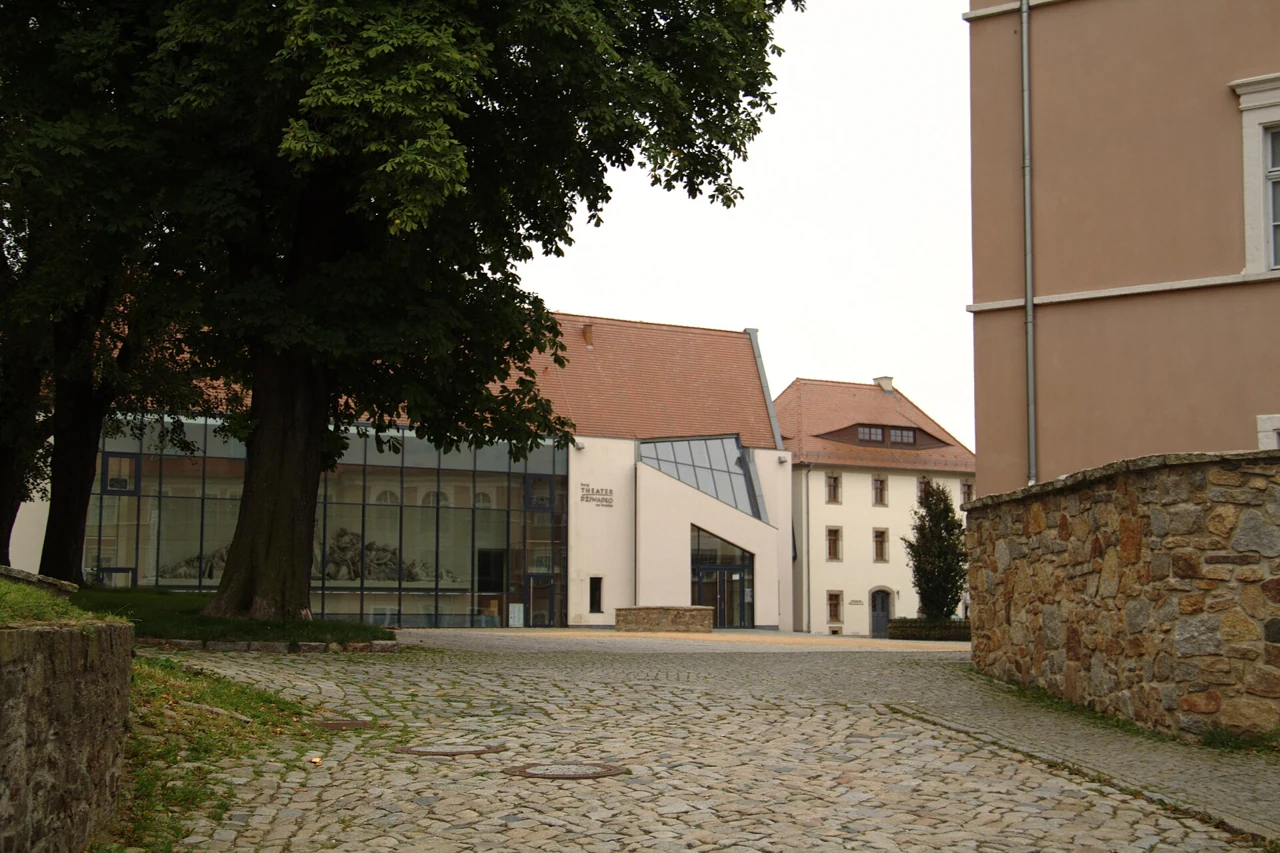
Alte Wasserkunst connects town height with water
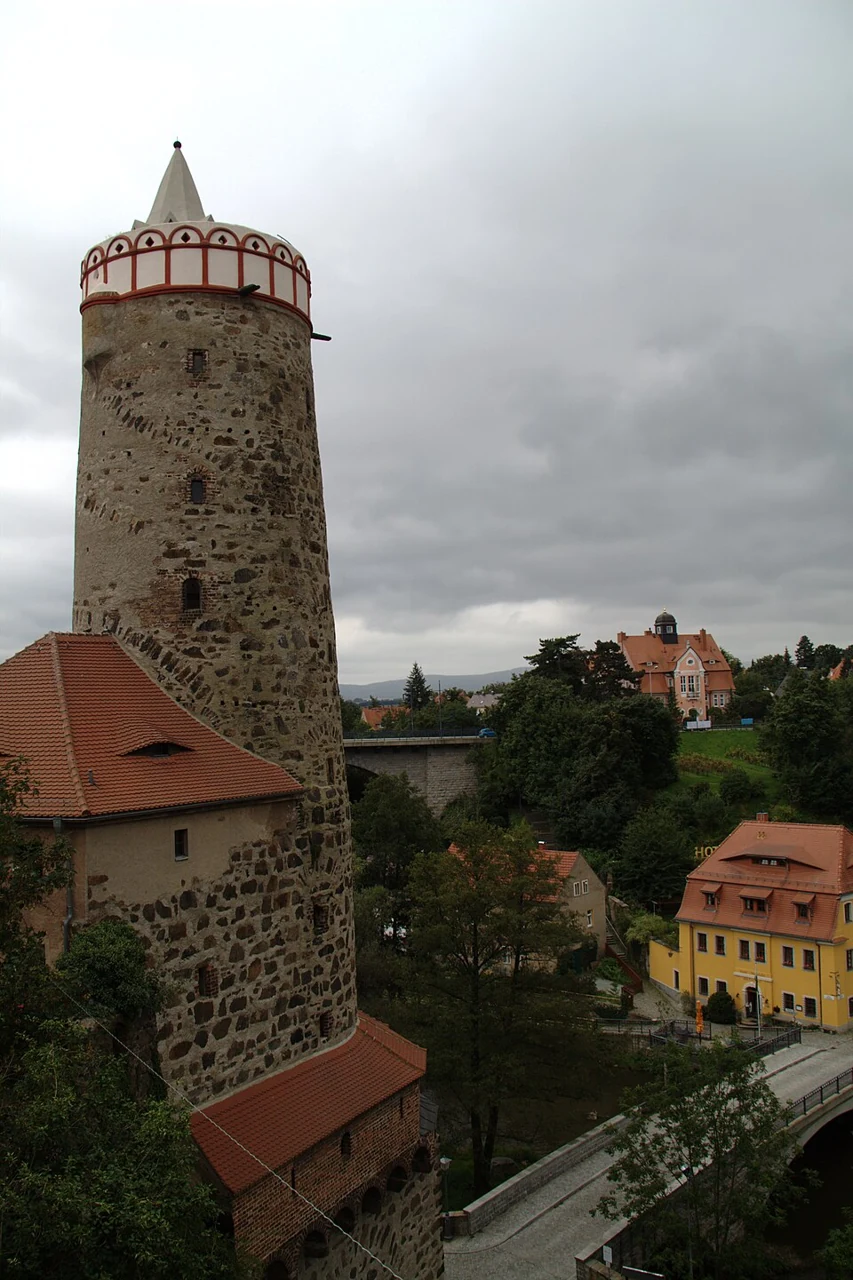
The city’s tower guide explains the water-supply function of Alte Wasserkunst and its present role as a technical museum. Consider it as more than one extra tower photograph. After walking the raised streets, think about the river below and the problem of moving water uphill. Why would this require a separate structure and a system that had to keep working? Even an exterior stop helps establish the relationship between the appearance of the town and the practical infrastructure that supported it.
If the interior and viewing section interest you, consult the Alte Wasserkunst operator’s current notices. The time and stairs of a tower visit are additional to any valley descent you choose. Selecting one tower can give an initial visit enough of a viewing focus. Observe the relationship between the waterworks, nearby Michaeliskirche and the river rather than treating a closed passage or an unsuitable connection as a photographic shortcut. Seeing the outside and taking a museum visit can remain different programmes.
Plan the climb back before descending to the Spree
A view of the old town from Friedensbrücke changes the perspective established on the upper streets. The bridge is a working crossing as well as a place from which photographs can be taken. Choose an appropriate stopping position that keeps the passage comfortable for other people. For an extended river walk, inspect the municipality’s Spreetal walking suggestion as a route in its own right. This guide does not equate a brief descent for a river view with completing that longer itinerary. Decide where you intend to return uphill before deciding how far to continue below.
Surface conditions after rain and changing energy levels can make staying with upper-town viewpoints a reasonable option. With a pushchair, reduced mobility or heavy bags, the shortest-looking connection is not necessarily the most comfortable. The museum’s information about access inside its building does not establish that the entire old town and valley route have the same conditions. Assess steps, gradients and ground on the specific connection you will use. An overnight stay can put upper town and valley on different days, making it easier to avoid a hurried final climb simply to reach a dinner booking.
If your group wants different amounts of walking, set the meeting place above rather than assuming everyone will complete the same descent. A clearly named point and a comfortable time allowance prevent the final part of the day becoming a search for each other. Leave space for sitting and looking at the town from below. The change of viewpoint is the reason for this part of the itinerary; extending the distance is optional.
A Sorbian beef roulade main meal at Wjelbik
Sorbisches Restaurant Wjelbik is an actual family business at Kornstraße 7. The restaurant’s current menu lists Sorbische Rinderroulade, a beef roulade with a veal filling, Pommery mustard sauce, red cabbage and homemade Serviettenknödel. This is a concrete main meal that can connect the town’s association with mustard to a dish. It is described from the operator’s menu, not as a claim that the writer has personally tasted it. Ask about availability and preparation when dietary requirements affect the choice.
The published service arrangements distinguish kitchen closing from the final restaurant closing time. Do not leave a lunchtime return from the river to the last possible moment, or automatically carry the same meal plan into Sunday or Monday. Build the itinerary around a dated booking and the current kitchen information. A seated main meal can provide a useful break between museum and walking; coffee or a dessert does not have to stand in for that part of the day. Allow for ordering and eating as well as the journey between stops.

Stay around Hauptmarkt and return by train
Hotel Goldener Adler, at Hauptmarkt 4, is a real central accommodation option. Its square location suits an upper-town visit. Discuss room access, luggage unloading and a preferred outlook against the particular room being booked. The DB Bautzen station page gives Rathenauplatz 1 as the station address. Use it for your actual departure, changes and relevant lift information. The museum operator describes the station approach along Bahnhofstraße and across Postplatz towards the old town. Think about that connection in reverse with bags and wayfinding included. A satisfying Bautzen day comes from relating life on the raised town streets to the water below and to Sorbian culture, with enough time to experience each.