
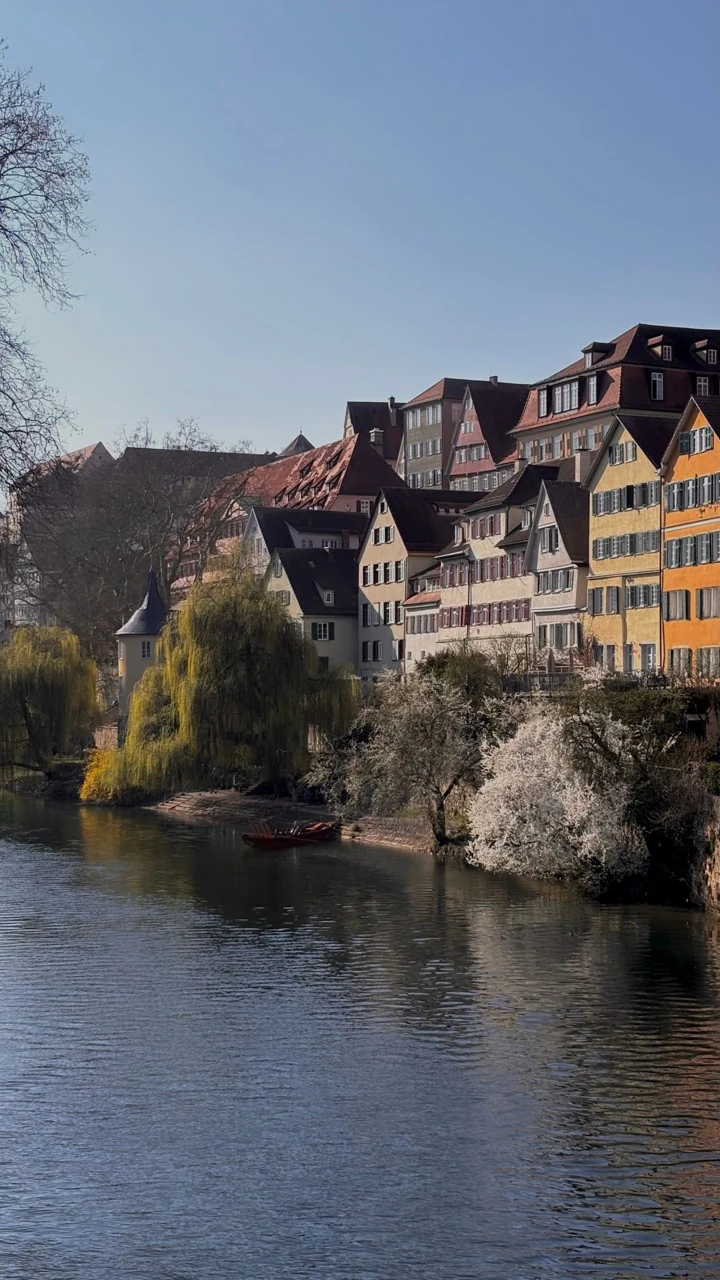
Tübingen is easy to remember through its colourful Neckar frontage, but an overnight stay lets you connect that view with literature, old-town streets and the university museum above. Tatil Merkezi Leyleği divides the itinerary into two scales: the first day near the water and Hölderlin’s Tower, and a second portion up Burgsteige towards Hohentübingen Castle. A punting trip is an optional separately arranged activity. A real hotel and a specific main meal complete the walking route, while the different opening days of its indoor stops shape the programme you choose.
Connect the railway with a riverside overnight base
Arrange the arrival and departure trains using the Tübingen Hbf page, then decide what to do with luggage. Hotel Krone Tübingen, at Uhlandstrasse 1, is an overnight candidate. Use the address on the operator’s page to examine the river and central connections separately on the map. The position of the hotel determines both where the first walk begins and where you return after the museum on departure day. Review the room category, breakfast and checkout arrangements for your actual booking.
An early arrival can give you time to leave luggage before going to the first viewpoint. If the train arrives late, make the waterfront the main short activity of the evening and move an interior visit to another available time. This is a sequence of two sightseeing portions, with room for a proper meal and rest, rather than a rigid hourly schedule. Completing the initial railway, hotel and river connection also makes the next day’s return easier to understand. A room view and a view encountered while walking are separate things when assessing accommodation.
Compare the Neckar frontage from Platanenallee
The tourism organisation’s town-walk leaflet recommends looking towards Neckarfront from Platanenallee. Begin with the house colours, rooflines and water, then concentrate on one element such as the yellow Hölderlin Tower. Consider the difference between a building seen across the river and the same area approached closely. A reflection in a photograph does not guarantee a similar effect on a windy day. The useful subject is the contrast between the changing water surface and the more fixed lines of the buildings.
Pause beside the river and review the rest of the day. A punt seen on the water does not establish an immediately available departure at every hour. If choosing that activity, arrange its actual meeting place, group format and duration with the operator. The route here also works without boarding a boat. After the broad waterfront view, continue into narrower old-town streets. That allows the house row to become more than a postcard scene: you can investigate how the buildings encountered at a distance relate to the town experienced at street level.
Separate the tower exterior from its museum visit
Hölderlin’s Tower, at Bursagasse 6, provides a literary stop. The institution’s current page lists Monday and Thursday to Sunday, 11:00 to 17:00, with Tuesday and Wednesday closed. An older leaflet’s Wednesday hours should not replace the present schedule. Seeing the yellow building from the river and entering its exhibition are different activities. If visiting the museum, choose a question about language or rhythm to follow inside. If making an exterior stop, allow time for the view while keeping the narrow approaches available to other people.
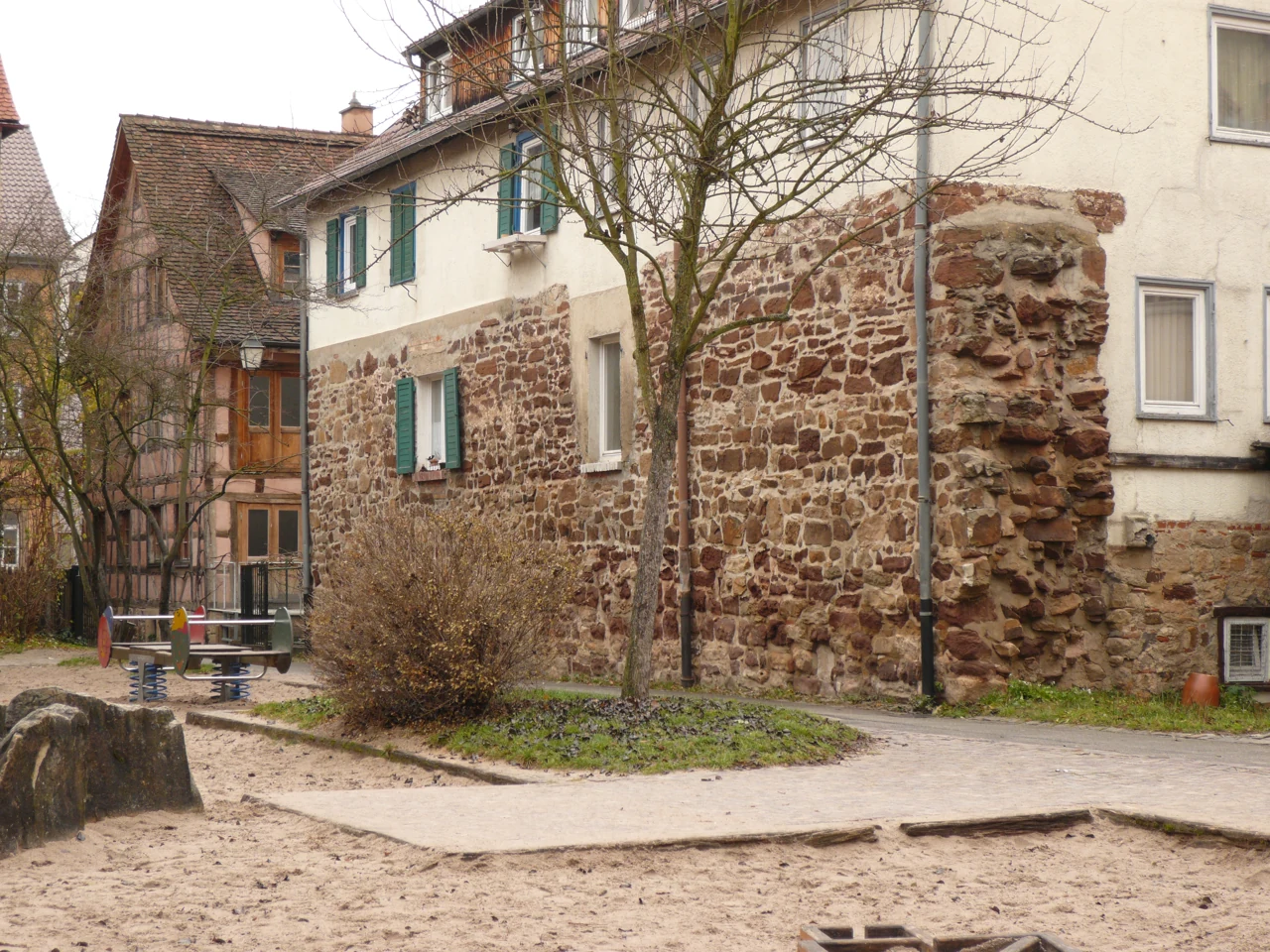
The institution explains that the building can only be reached by stairs because of its old-town position. A riverside viewpoint and access to the museum entrance therefore should not be treated as identical. Knowing the distinction in advance lets you choose an appropriate programme for your own movement needs. Remember an exterior detail where buildings meet the historic wall. Whether you enter or remain outside, this section can become a distinct cultural stop to compare with the university collection on higher ground during the second part of the trip.
Give the old-town walk a main-meal stop
Follow the waterfront view with a short circuit through the old town. Compare a more open square with a narrow passage rather than filling the remainder of the day with compulsory shopping stops. Fischer’s Neckarmüller, at Gartenstraße 4, is a meal candidate. The summer 2026 menu linked by the operator lists Tübinger Käs’spätzle with Reißler cheese, softened onions and a side salad. It provides a specific main dish for a seated interval in the route. The cheese dish is not vegan, so examine the alternatives according to your preferences.
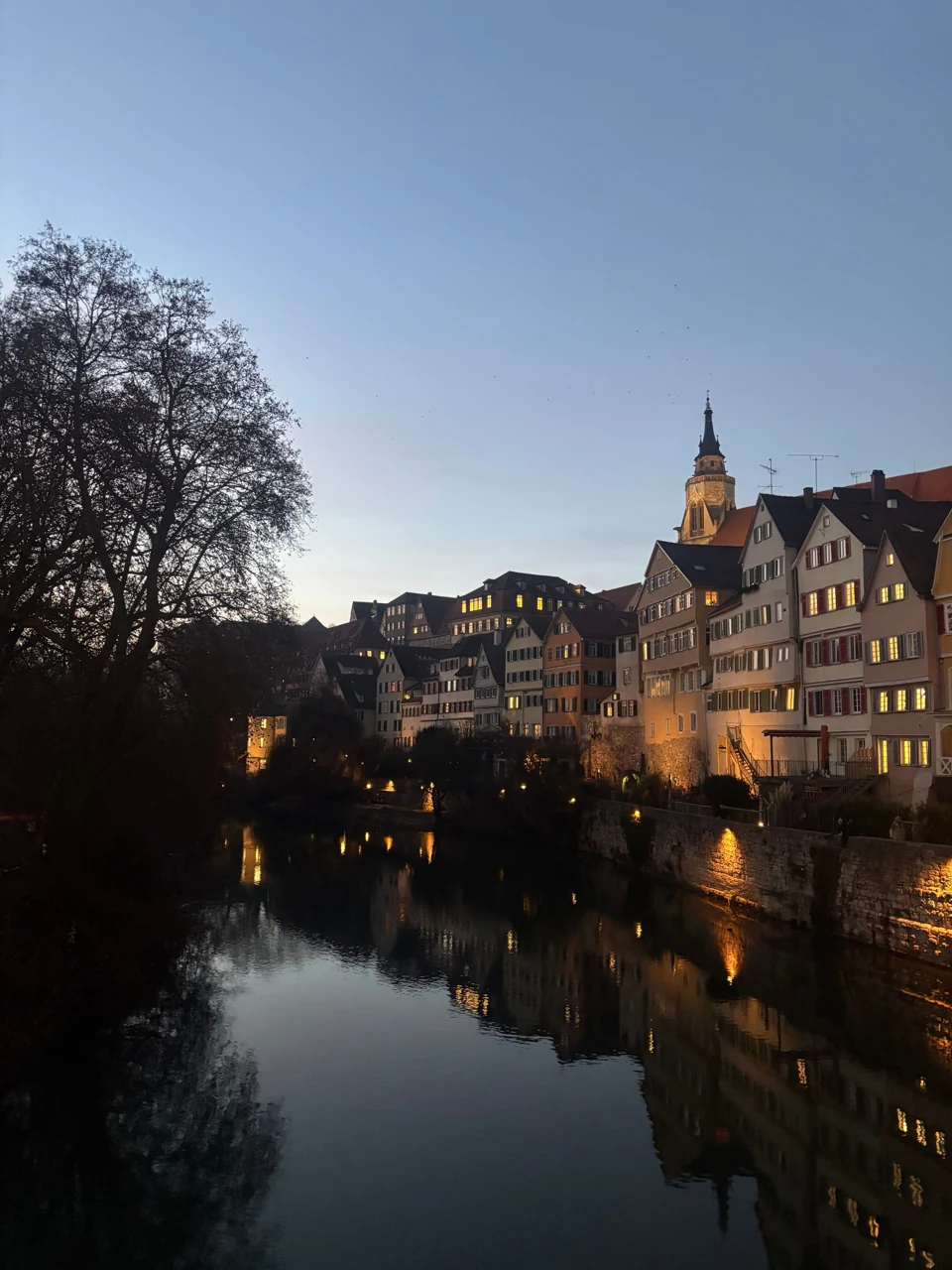
The same card distinguishes vegetable Maultaschen from other versions and also includes vegan dishes. Similar names should not imply identical ingredients: the standard Maultaschen service includes Speck, a pork product. Confirm your selection against the card in use during the visit. A preference for a riverside table is separate from having any table reservation. After a relaxed meal, return briefly to the frontage if the light suits another look. The evening scene can supply a second comparison without adding a distant new attraction to an already complete day.
Allow another morning for Burgsteige and the museum
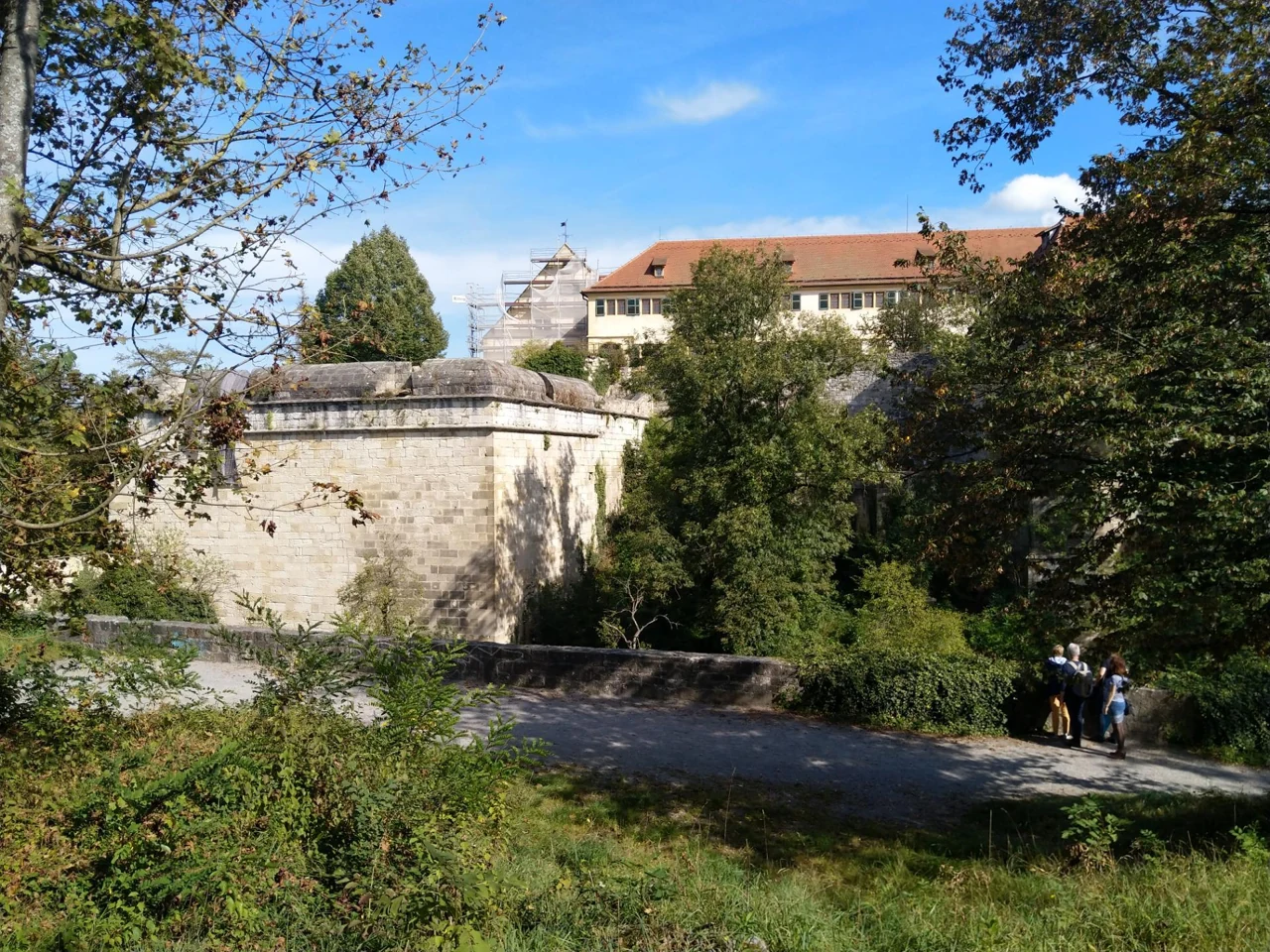
Treat the Burgsteige ascent towards Hohentübingen Castle separately from the flatter river walk. Museum Alte Kulturen is at Burgsteige 11. The institution publishes Wednesday to Sunday opening from 10:00 to 17:00, extended to 19:00 on Thursday. A collection visit and a look at the castle courtyard or exterior are distinct activities. Monday can suit the tower museum but is not a normal opening day for this one. If both interiors matter to your trip, accommodate that difference before choosing the overnight dates.
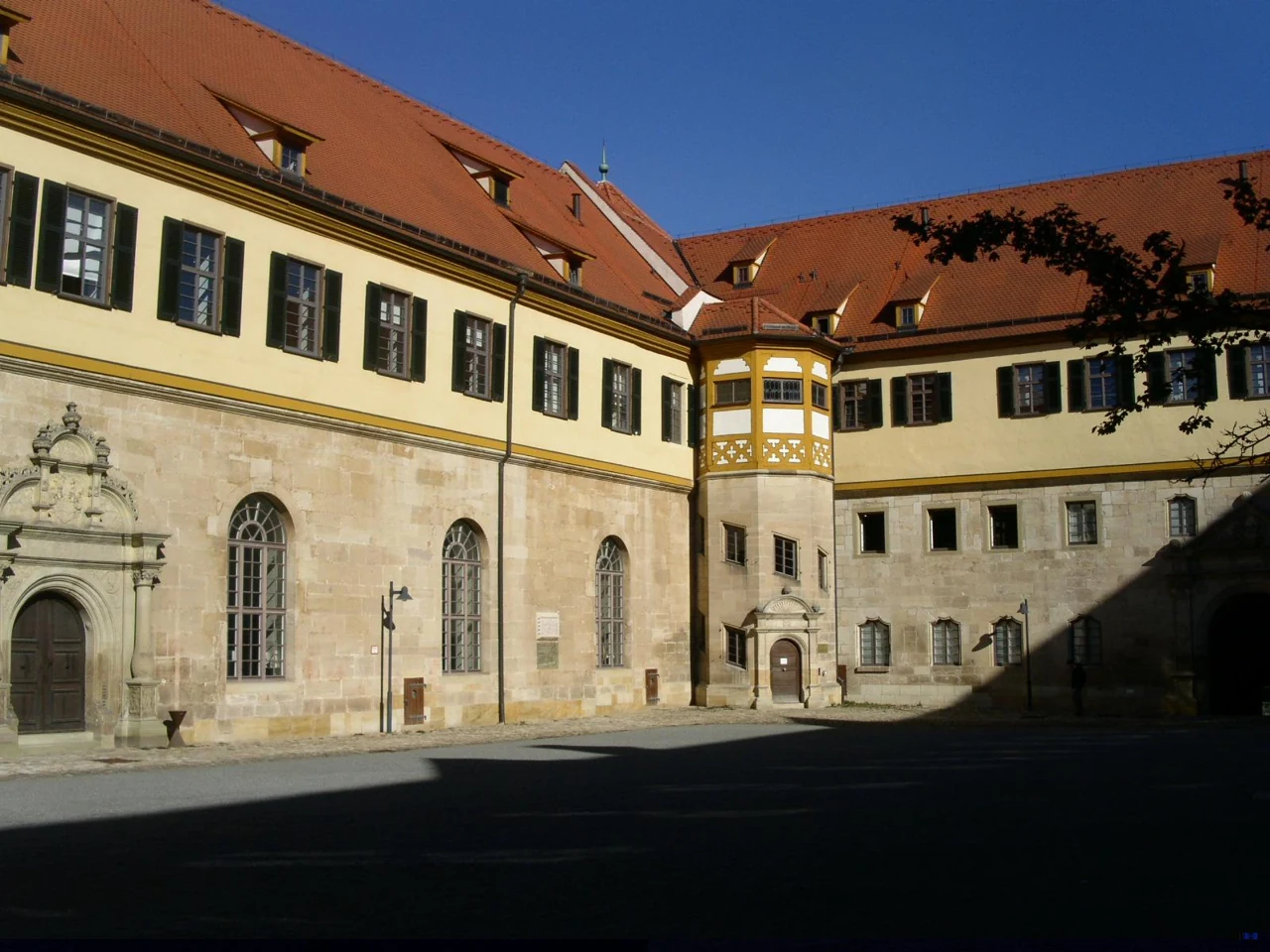
Within the collection, choose a section that interests you and slow down for its objects and interpretation. The institution’s app includes language choices that can accompany the visit. Its photography permission for private purposes should not be treated as unrestricted commercial use; the photographs in this guide show exterior settings. After the courtyard and museum, leave enough time to return for luggage and reach the railway. The trip then concludes with a connection between a literary place beside the river and a collection above town, rather than an unfinished sequence of entrances.