Thiruvananthapuram: museum and East Fort days
The Tatilmerkezi Stork suggests seeing Kerala’s capital as more than a transfer between the airport and a beach hotel. Thiruvananthapuram and Trivandrum are names encountered for the same city. Separating a first visit’s two full days into the Napier Museum setting and the palace and temple exterior around East Fort makes different urban memories easier to understand. A short Shankhumugham pause may follow if transport and that day’s coastal conditions permit. Four calendar days and three nights form the programme. Kochi’s trading streets and Alappuzha’s canal journey are not repeated here: the capital’s collections and Travancore heritage serve a different reader need. This city guide neither promises to cover Kerala in a day nor assumes every religious interior is available to every visitor.
Two full city days across four days and three nights
Day one begins with arrival, the accommodation transfer and a nearby Kerala meal. Day two makes Napier Museum the principal stop, allowing a walk around its setting according to open areas and interest. Day three is for Kuthiramalika and East Fort, observing Padmanabhaswamy Temple’s exterior from a permitted public position. A coastal pause can provide the shorter final part if conditions fit. Day four is departure. Do not insert every beach destination between these two full city days. If museum closure affects the programme, swapping the principal days may be preferable. Keeping the major visit and removing a modest pause is more flexible than turning the entire day into a distant new destination. Departure morning is not counted as a third full sightseeing day, and luggage transfers require their own time.
Napier Museum: observing the building and reading collections
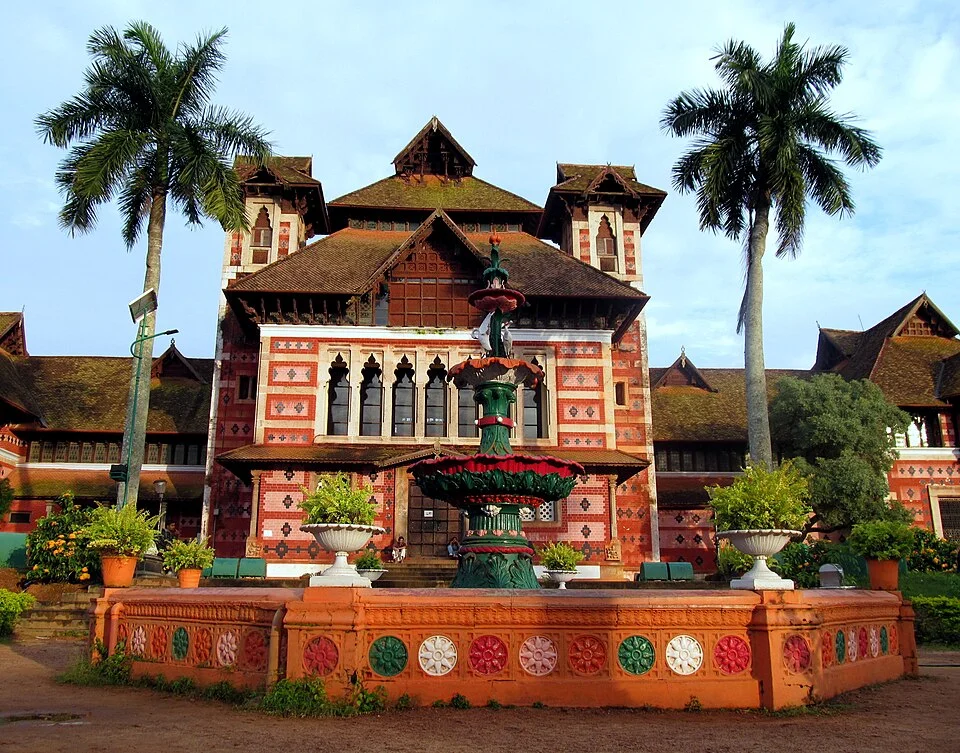
Kerala Tourism introduces Napier Museum through the capital’s cultural heritage and collections. Looking at its colourful exterior and studying the interior collection are different visits; give each its own allocation of time. Establish current opening and section information through the official channel. The tourism page lists Monday closure and a different Wednesday opening, which should be reconfirmed for your date. Other museums, galleries or the zoo in the complex should not be assumed to share identical access or one ticket. Spending time with selected objects or sections you actually want to understand may be more rewarding than quickly completing every room. Learn photography conditions from current directions. During rain, reducing the exterior walk and giving more time to permitted indoor sections can preserve the flexibility of the two-day plan.
Kuthiramalika: separate time for Travancore palace heritage
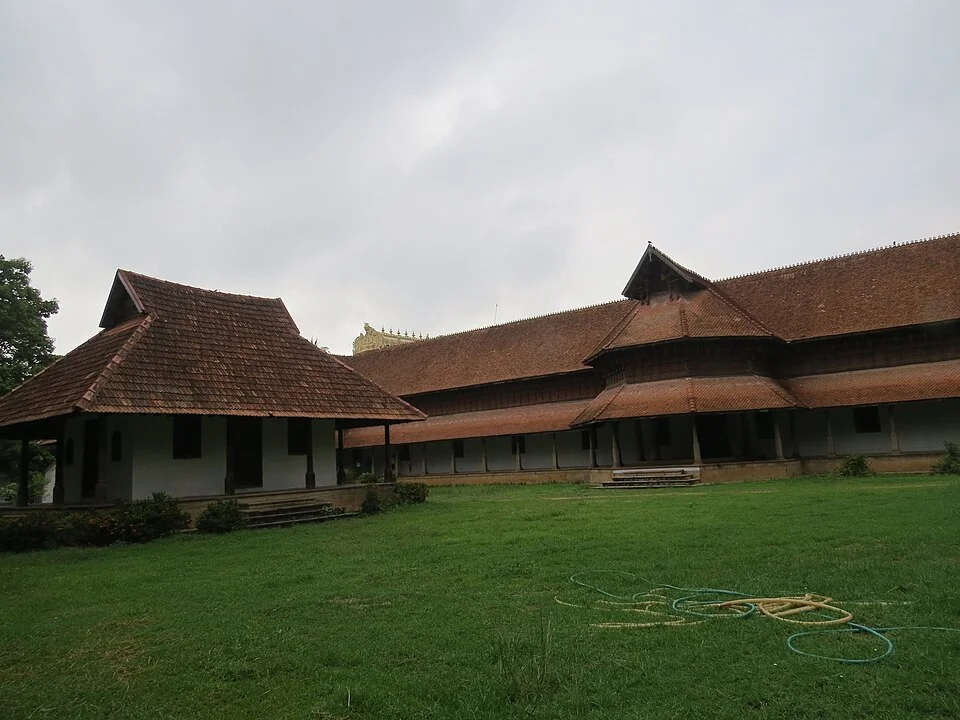
Kerala Tourism also introduces Kuthiramalika under the name Puthenmalika Palace Museum and links it with Travancore palace heritage. It is neither another name for Napier Museum nor a room inside the neighbouring temple. Allow a separate interval for the open palace visit on the East Fort day. Observing its timber and roofed architectural setting outside helps explain why a palace provides a different experience from the museum. The open interior route, guiding and photography depend on current visitor arrangements; unrestricted access to every room is not assumed. Keep this as the day’s principal cultural visit rather than hurry through to collect numerous additional places. The neighbouring religious site’s entry conditions differ from those of the palace museum, so make the two access decisions independently. A shorter exterior observation remains useful where an interior section is unavailable.

Padmanabhaswamy: public exterior and admission conditions
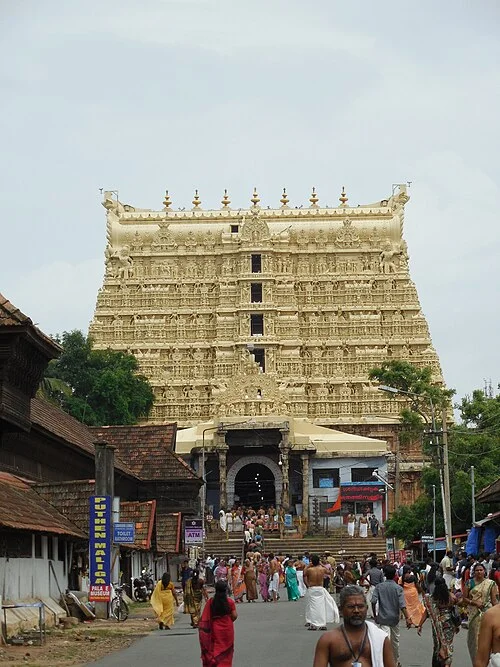
Padmanabhaswamy Temple is an important architectural and religious focus around East Fort. Kerala Tourism explicitly states in its visitor information that admission inside is restricted to people professing the Hindu faith. For a non-Hindu reader, this programme therefore uses the permitted public exterior and neighbouring palace visit; an interior visit is not proposed. Eligible visitors must also understand the strict dress requirements. The official information lists mundu or dhoti with no shirt for men and specified traditional attire for women. Confirm present details with the temple administration rather than automatically transfer general Kerala temple habits to this particular site. Festivals can change the worship timetable. Follow staff directions at the entrance and do not block the worship route to obtain a photograph. The city programme can remain meaningful without access to the temple interior.

Shankhumugham: choosing the coastal pause by conditions
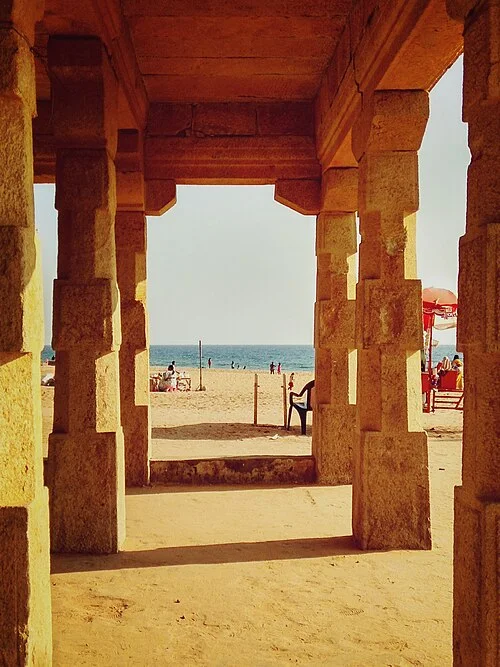
Spellings including Shankhumugham, Shankumugham and Shanghumugham may describe the same city shoreline. Kerala Tourism presents it as a view and sunset setting in the capital. Make the actual decision after checking the open area, sea conditions and local warnings that day; this programme does not recommend swimming or guarantee a water activity. The 2018 photograph looks towards the coast through a pavilion and does not prove present access arrangements remain unchanged. After East Fort, a short sea pause is sufficient if transport fits. Remove it when the group is tired or the weather is unsuitable. Kovalam and Varkala are not other names for this pause; both require independent journeys and time. Arrange the evening return before travelling to the coast rather than search for an uncertain connection at the last minute.

Sadya, payasam and kappa with fish curry
Kerala Tourism identifies sadya, payasam and kappa with fish curry among concrete regional flavours. If the real menus permit, choose a sadya-style meal one day and kappa with fish curry another, meeting two different dining needs. Sadya is a regional Kerala meal tradition, not described as exclusive to Thiruvananthapuram. Payasam can be considered separately as a sweet pause. An Onam-season sales announcement does not establish a daily menu throughout the year; ask what the actual kitchen offers that day. A vegetarian meal and a fish preparation have different ingredients and accompaniments, so confirm preferences directly with the business. On the museum day, choosing a place appropriate to the visit cluster avoids spending the lunch interval travelling far across the city solely for a restaurant. No current prices or waiting times are invented here.
Accommodation, Central station and a shorter visit
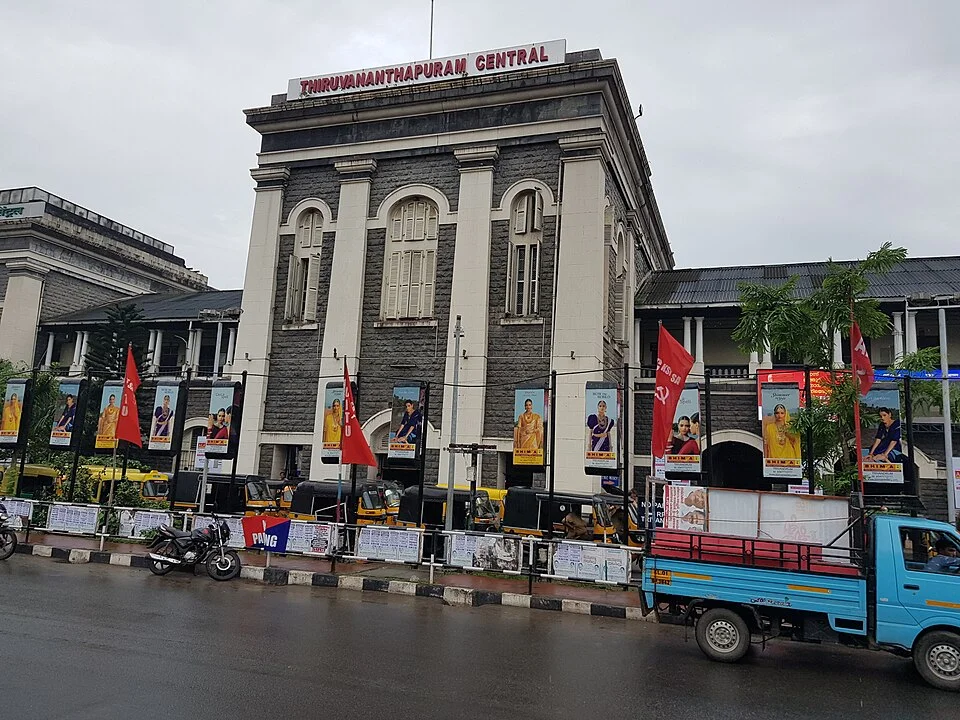
For train arrival, compare accommodation around Thiruvananthapuram Central with an address better connected to the museum or another city area. An option around Thampanoor may help station access but does not guarantee walking routes to every museum or the coast. Plan the East Fort return and airport transfer from the actual address and services. Use the operator’s current information: a station photograph does not demonstrate that a particular train operates today. With one city day, choose Napier Museum or Kuthiramalika as the principal visit and complete it with an appropriate Kerala meal. Sources were checked on 4 October 2026. Reconfirm admission, shoreline and transport conditions before travelling. This concrete cultural programme remains usable without assuming every reader can enter an identical religious interior route. A smaller plan still allows the capital to be understood beyond the transfer night.