
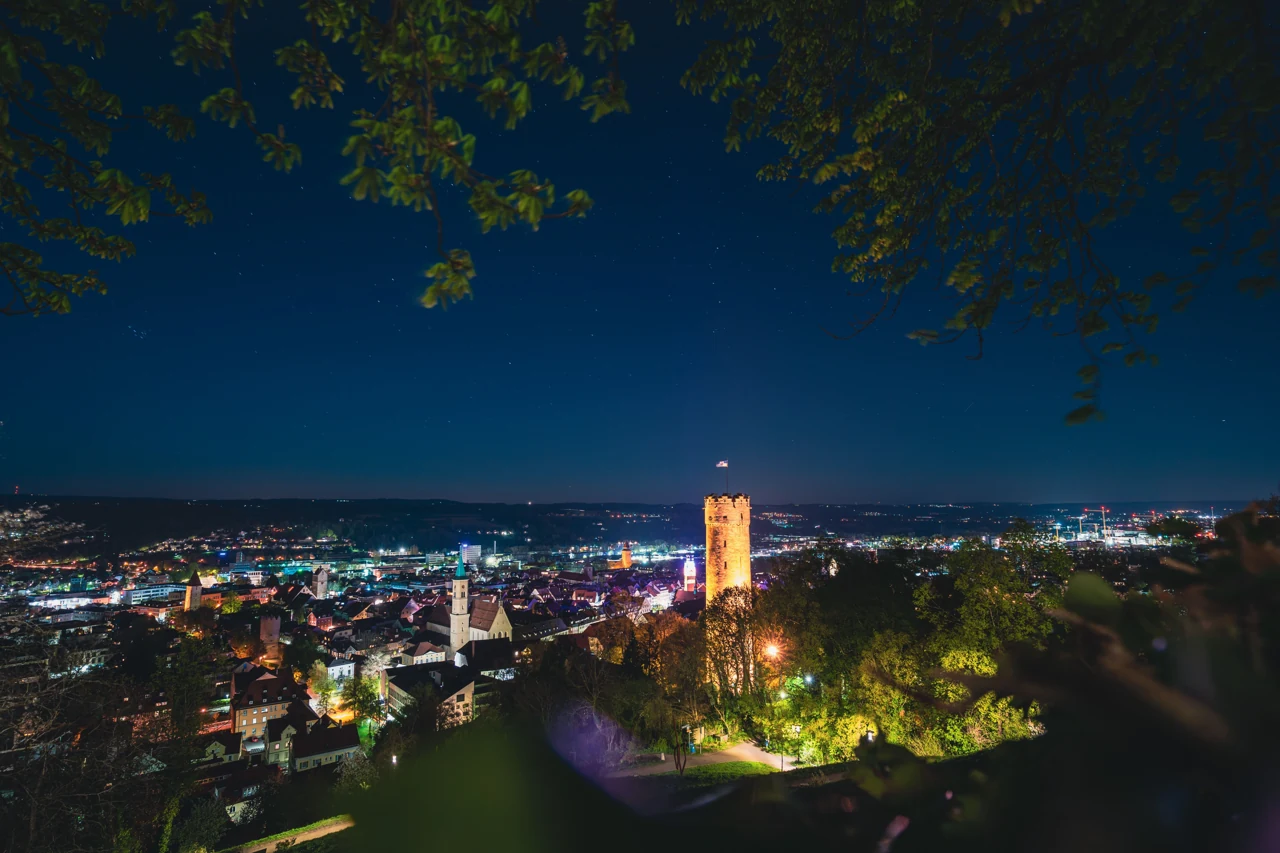
The towers of Ravensburg can seem to explain the town at first glance, but Tatil Merkezi Leyleği suggests connecting the skyline with the streets and living spaces below. An overnight route through Marienplatz, Marktstraße and Humpis-Quartier gives the elevated view a separate place in the trip. It also remains useful if a particular tower climb is unavailable. Make the centre and museum the focus of the first day, then choose an appropriate higher viewpoint the following morning. An actual hotel and a specific main-meal candidate complete the plan without requiring every hour to contain a new attraction.
Connect the railway with a place to leave luggage
After arriving at Ravensburg station, consider taking luggage to the overnight base before beginning a longer tower circuit. Hotel Kaiserhof Ravensburg, at Mauerstraße 17, is one candidate. The operator’s page locates the hotel and Kaisersaal restaurant at the same address, but a room reservation should not be assumed to include a restaurant table. Examine the two arrangements separately. This position makes a return from central walking to dinner a workable part of the plan. Clarify a late arrival with the hotel if your chosen train requires it.
Ask about the room’s position, breakfast arrangements and luggage storage on departure day. The purpose of staying overnight is more than fitting additional stops into two dates. It lets you encounter the town’s close details first and return to its roofs from a broader perspective later. If the second morning is short, do not open a long new route. A substantial central visit on the first day can be followed by one exterior viewpoint on the next, leaving sufficient room to collect luggage and reach the railway without rushing.
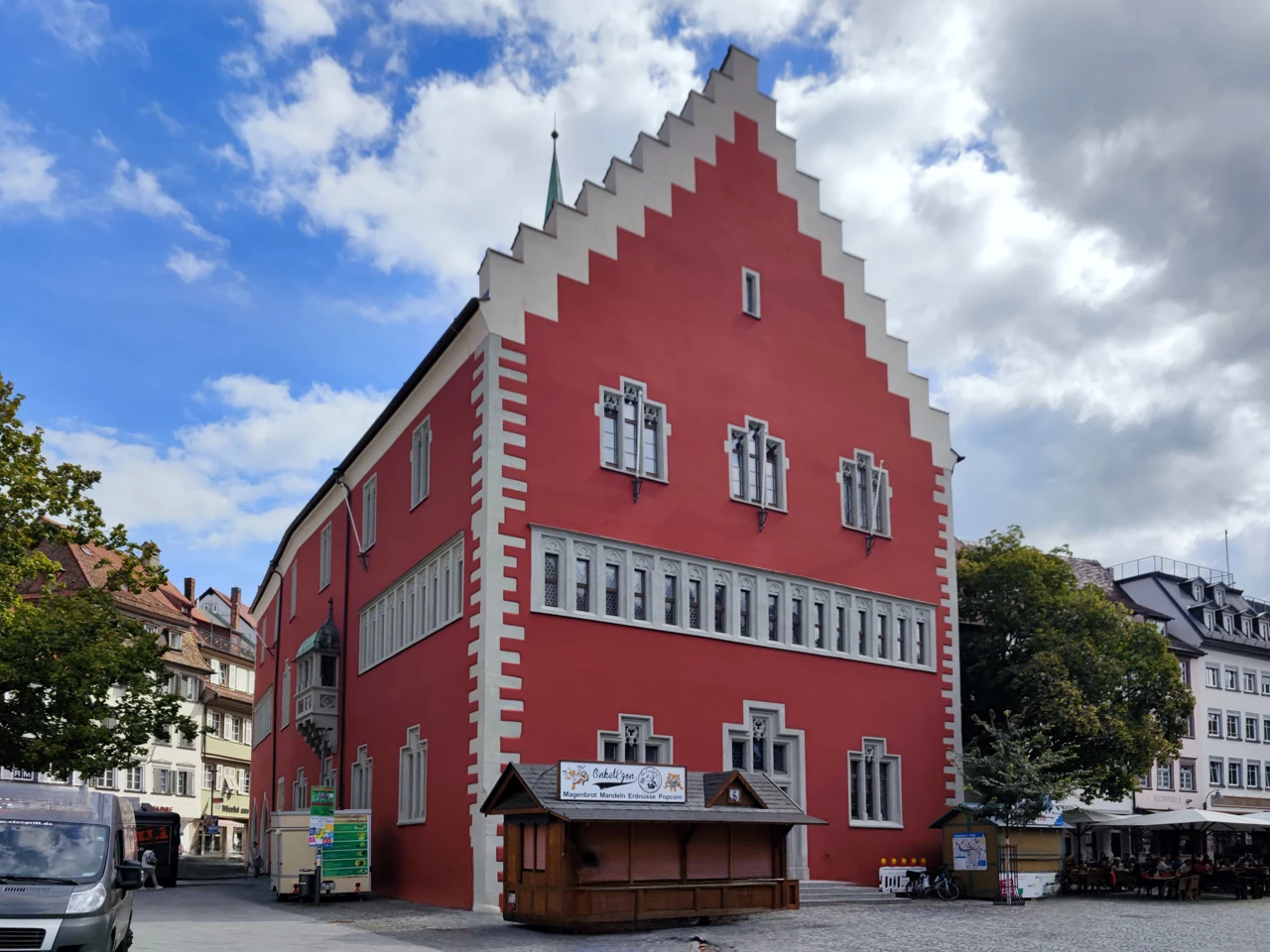
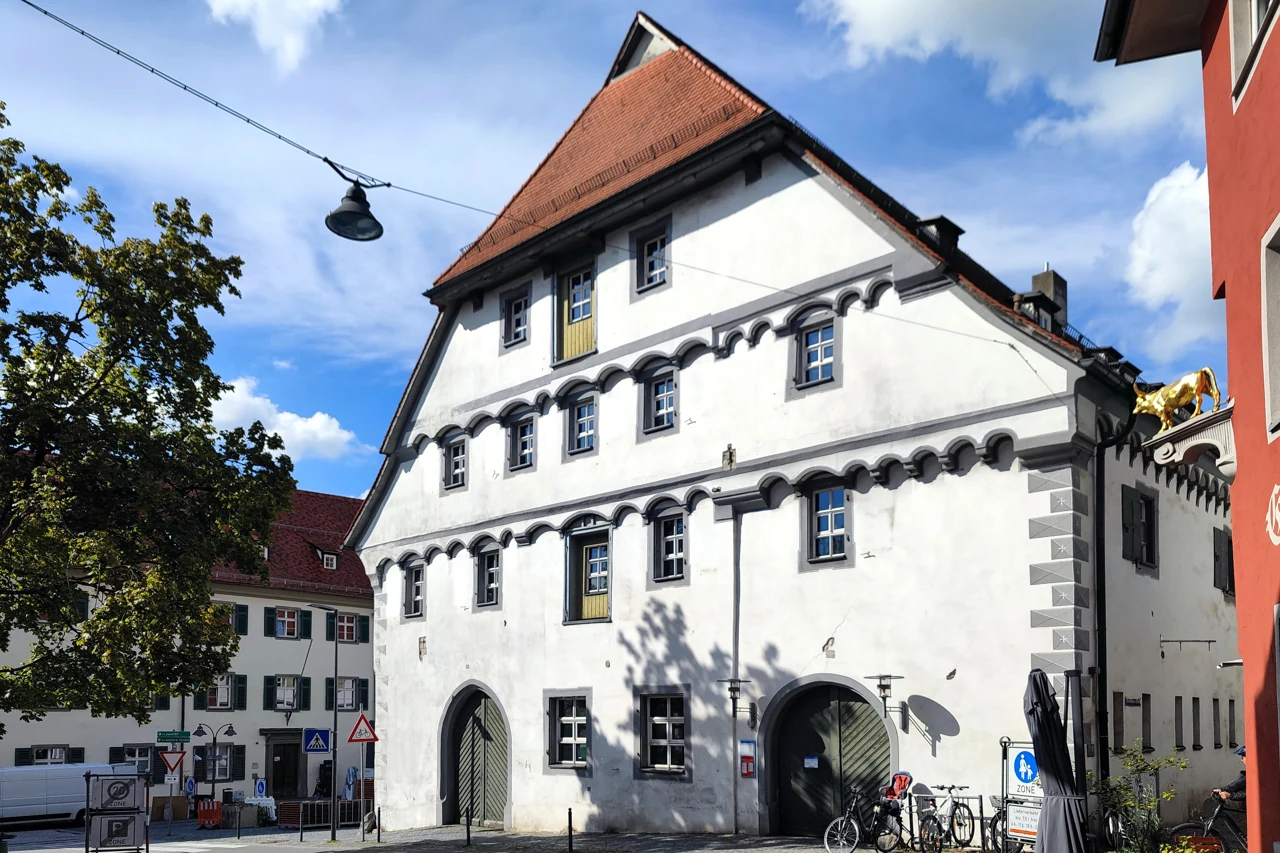
Compare the towers with the buildings of Marienplatz
At Marienplatz, begin with a broad look before concentrating on a facade or a row of windows. Towers define the upper outline, while buildings at street level establish the daily scale of the town. Before filling a photograph with one tall structure, look at the open space around it. Continue towards Marktstraße to compare the square with a narrower street. This transition makes the museum visit part of the surrounding town rather than an isolated indoor activity. Remember one exterior detail that might provide a question to follow inside.
The municipal tower page announces renovation of the Blaserturm beginning on 8 June 2026. This guide therefore does not promise an unrestricted current climb there. Summer-opening notices from earlier years should not replace the new announcement. Seeing the tower from outside can still belong to the skyline comparison. If a higher view matters, select an available event or a separate viewpoint. The appearance of a tower in a photograph does not establish that its staircase is open on the day of your visit.
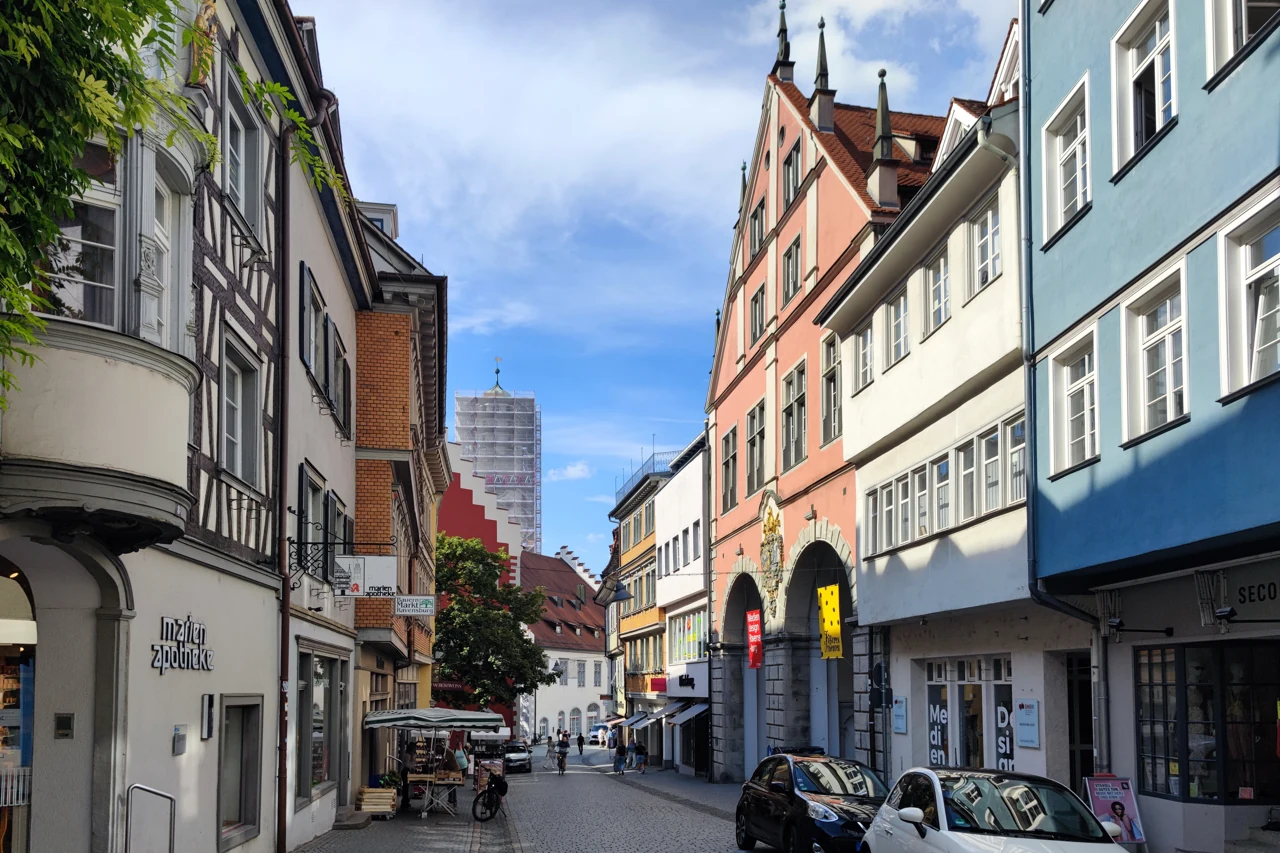
Enter Humpis-Quartier from Marktstraße
Museum Humpis-Quartier, at Marktstraße 45, can be the principal indoor stop of the first day. Compare the building scale encountered outside with the spaces inside. Pause in a room to consider its doorway, threshold and arrangement rather than treating every room as another item to finish. The institution’s visitor information mentions low doors, thresholds and irregularities in the historic building. It should not be assumed to behave like an entirely level modern gallery. Ask at the entrance about the section that interests you and let it shape your pace.
The general published schedule is Tuesday to Sunday, 11:00 to 18:00, with Tuesday also closed in January, February and March. Winter planning consequently needs its own arrangement. Examine any special-date notice for the visit you select. Giving more attention to one display or group of rooms may leave a stronger memory than passing through everything at equal speed. Return to Marktstraße afterwards and relate an indoor detail to the building exterior. That connection allows the museum to remain part of the route through town instead of becoming a completely separate episode.
Give a Kaisersaal main meal a proper evening slot
The menu sample shown by Kaisersaal from 22 September lists Schwarzfederhuhn among its main courses: chicken breast and a leg roulade with miso aubergine and chickpeas. It also lists risotto with saffron, broad beans and salted lemon. These are specific seated-meal candidates, rather than only a drink after sightseeing. Compare the selection with the operator’s card for your travel date. If choosing this restaurant, let dinner become the main evening activity and avoid attaching a compulsory long walk to the end of it.
The operator gives Tuesday to Saturday opening from 18:30 and says that reservations of five people or more receive a shared five-course menu arrangement. Do not automatically apply the choices of a smaller party to a larger table. Staying in the same building does not itself reserve a place in the restaurant. Naming an actual main dish also does not claim that we have eaten it; it supplies a verified candidate for planning. Discuss the meal format and your expectations with the operator when arranging the evening.
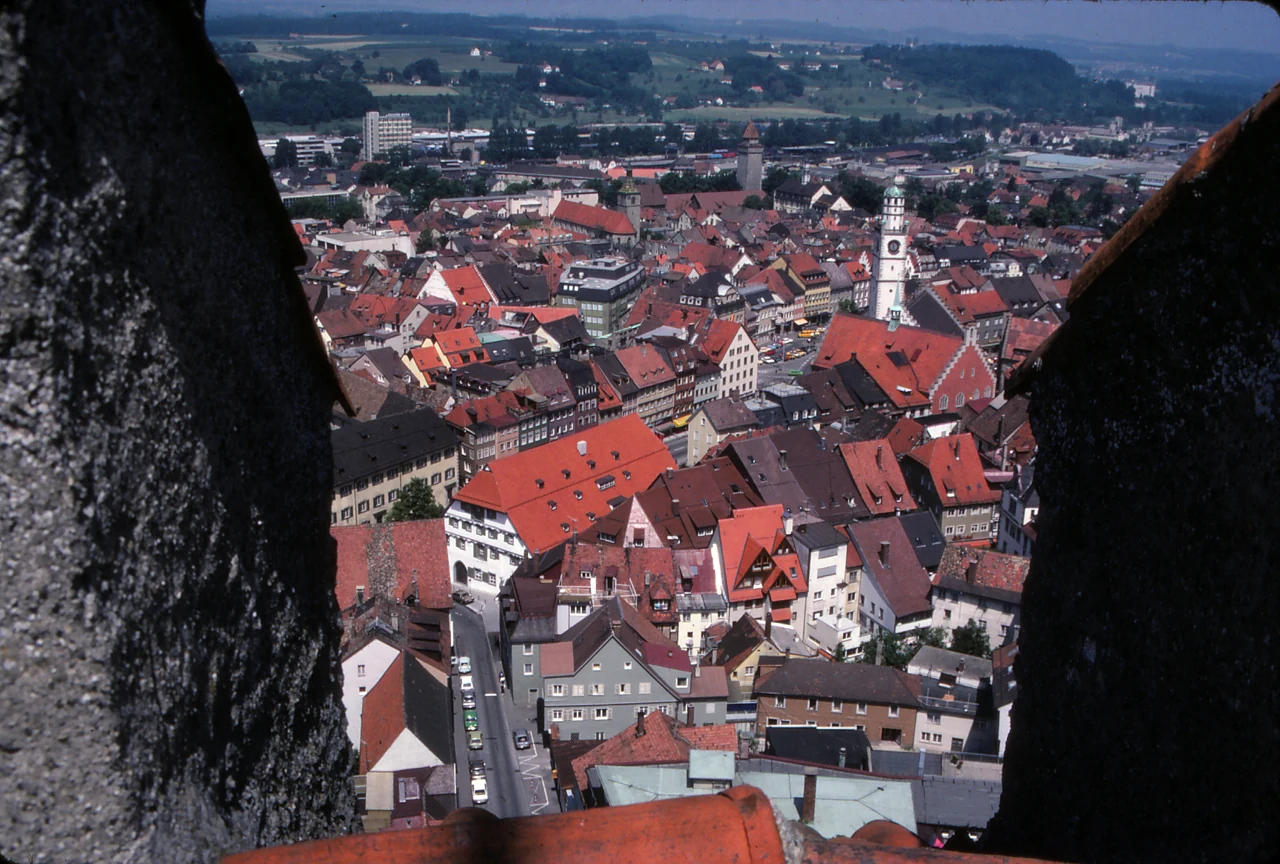
Choose a separate view around Mehlsack and Veitsburg
For the following morning, consider the relationship between the Mehlsack surroundings and Veitsburg plateau described on the official tourism page. Looking upwards from the foot of a tower and looking across town from higher ground are distinct experiences. If you want a climb, select a dated activity for your actual day. A record such as the municipal Mehlsack event of 10 October 2026 does not mean daily opening throughout the year. Nor does a clear-looking photograph guarantee a distant mountain view. Let the conditions encountered during the trip define what you can see.
After the shorter elevated portion, return towards the centre and recall the streets walked the previous day. Choose a roof group, tower or square and connect its appearance with the map. The morning can remain an exterior-view activity; a staircase climb is not essential to linking the close and broad perspectives. Finish by leaving time for luggage and the railway. The most useful result is a sense of how the tall elements of Ravensburg’s silhouette connect with the ordinary street and living spaces below, rather than simply a count of towers climbed.