
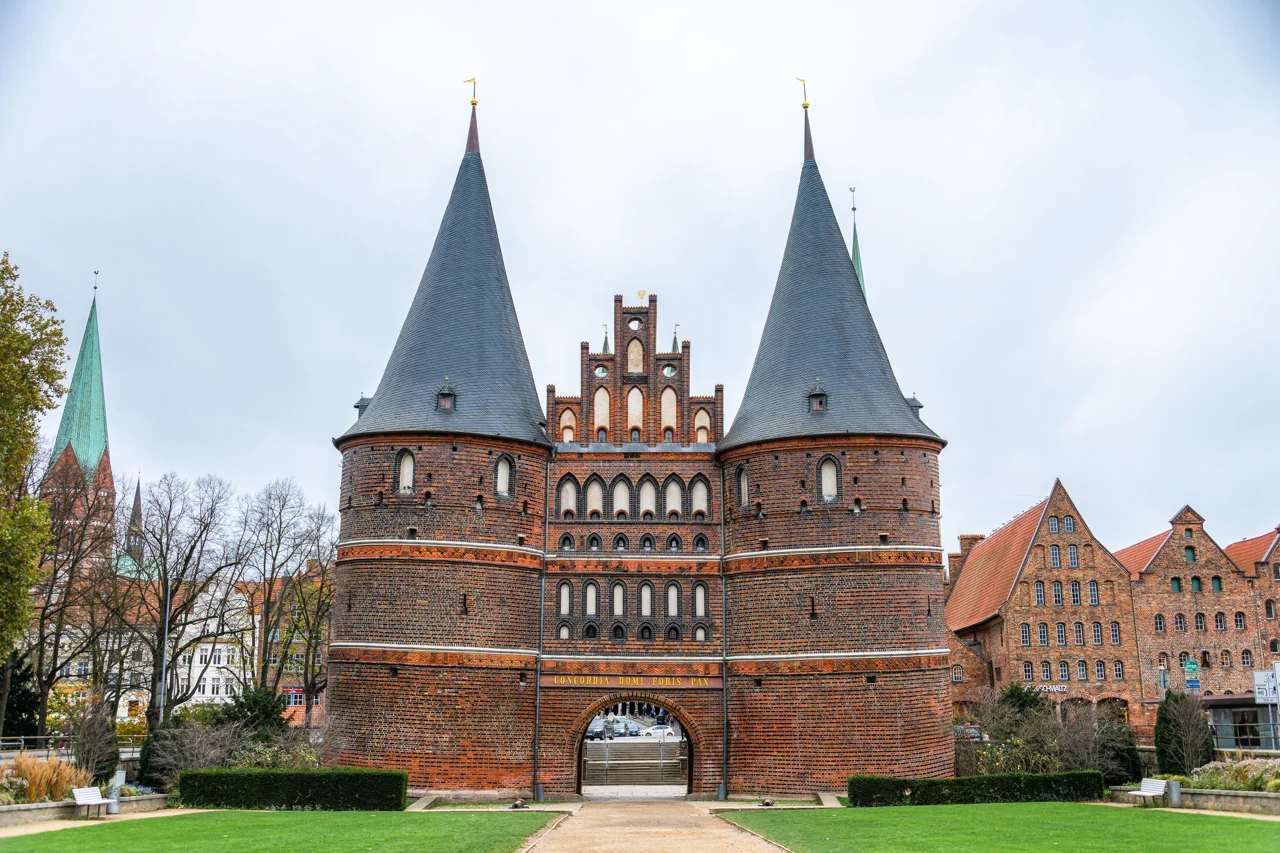
In Lübeck, treat monumental brick buildings and the small passages where people still live as different kinds of place. Holstentor, the town hall and churches tell a broad urban story; the Gänge and Höfe reveal a smaller domestic scale behind large street facades. Every open door is not a freely accessible tourist museum. This guide suits a first visit based on walking the old-town island, choosing a few actual courtyards and allowing time for a main meal. Add a museum interior if it interests you, without making every collection and church compulsory. Travemünde requires a separate journey and is not a few spare minutes at the end of the centre walk.
Lübeck Hbf to Holstentor
The official DB page for Lübeck Hauptbahnhof confirms the arrival station. Approach the old town through the Holstentor surroundings. With a suitcase, ask your accommodation about storage first; the island's narrow passages may make large luggage inconvenient. Examine the gate from different angles and see how it connects to the town behind it. Nearby water and the Salzspeicher facades broaden the sense of a trading city beyond one gateway photograph. After this exterior section, decide whether the museum inside is a priority.
The Museum Holstentor website provides the actual collection and visiting information. Looking at the gate outside and exploring the exhibition are different experiences. If interested in trade and city-defence history, check the current opening arrangements and give the rooms meaningful time. Season, weekday or special events can alter the routine. A brief visitor may complete the exterior and continue to the old town, while someone choosing the museum can reduce another indoor stop to avoid rushing through it.
Holstenstraße to Markt and Marienkirche
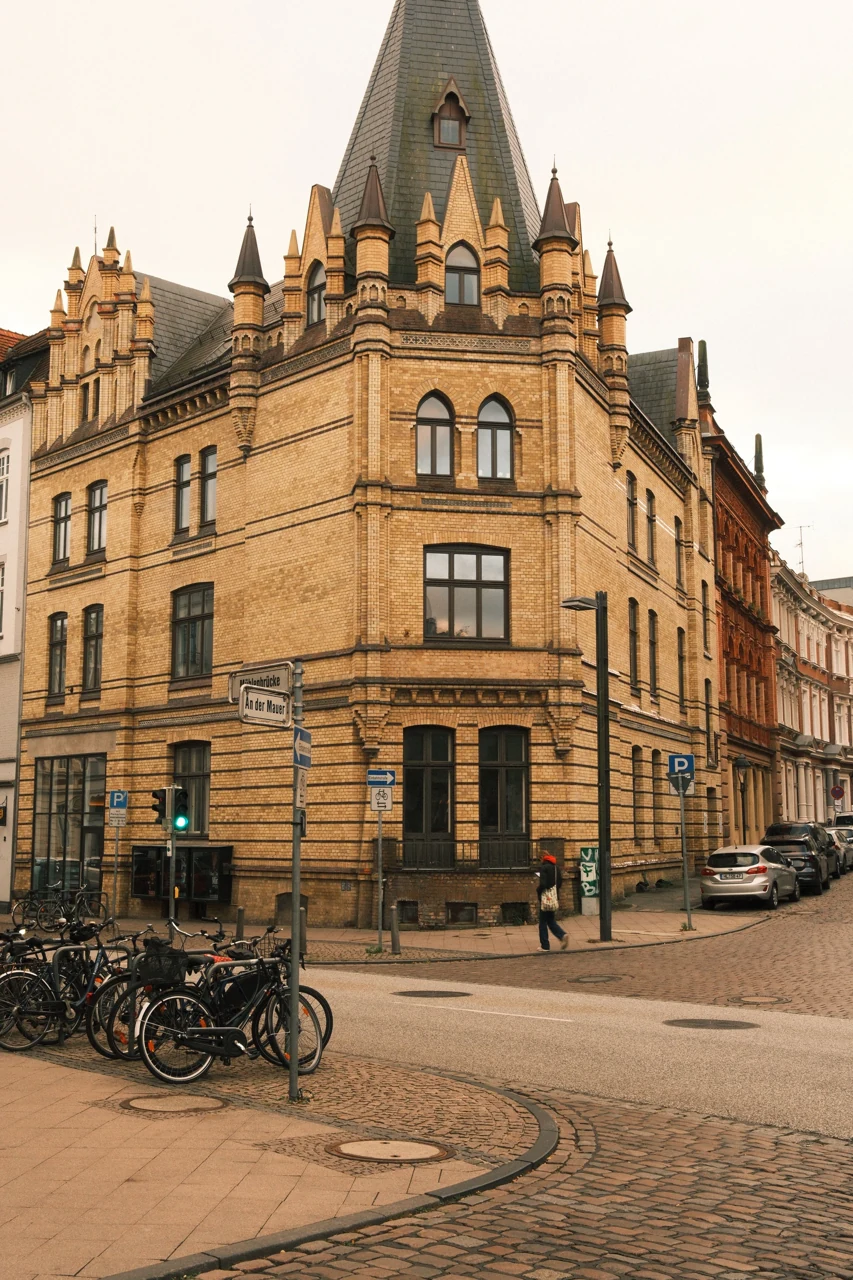
Cross towards Holstenstraße and continue to Markt, connecting the waterside buildings with the island's larger central facades. Seeing the town hall exterior is different from visiting its halls; obtain the actual day's guided or independent admission conditions if you intend to enter. Look from several positions around the square and examine architectural details. A wide panorama need not replace observing smaller corners. Shopping and outdoor seating belong to the historic centre's living use rather than interfering with a supposedly empty heritage scene.
The official old-town portal identifies Marienkirche, the town hall, other churches and waterfront stops among the island's principal attractions. Do not expect every church to share opening or ticket arrangements. One interior given proper time may suit you better than a rapid series. The cathedral to the south and St Jakobi towards the north require different directions; including both creates a wider island walk rather than a small circuit around the market. Understand the central section first, then choose the extension that interests you.
Gänge and Höfe: select a few living courtyards
The tourism service's passage-and-courtyard explanation confirms that these areas remain residential and some entrances are private or closed at particular times. Read signs and assess access rather than forcing a closed door as though a tourist route must continue behind it. Observe the smaller buildings without approaching home windows or making residents the subjects of photographs. A group standing for a long time in a narrow passage affects everyday access. Selecting a few open courtyards makes a more balanced walk than trying every door.
Consider named places on the official portal such as Füchtingshof or Glandorps Hof on Glockengießerstraße according to current entry arrangements. A courtyard with a break between morning and afternoon access should not be assumed open continuously. Its quiet character is not dependent on a photograph without people; understanding that it remains inhabited is part of the experience. Return to the main street and review your direction after each small passage. Keeping track of the route helps you reach a museum admission or restaurant reservation without treating the courtyard network as a race.
St Jakobi and a main at Schiffergesellschaft
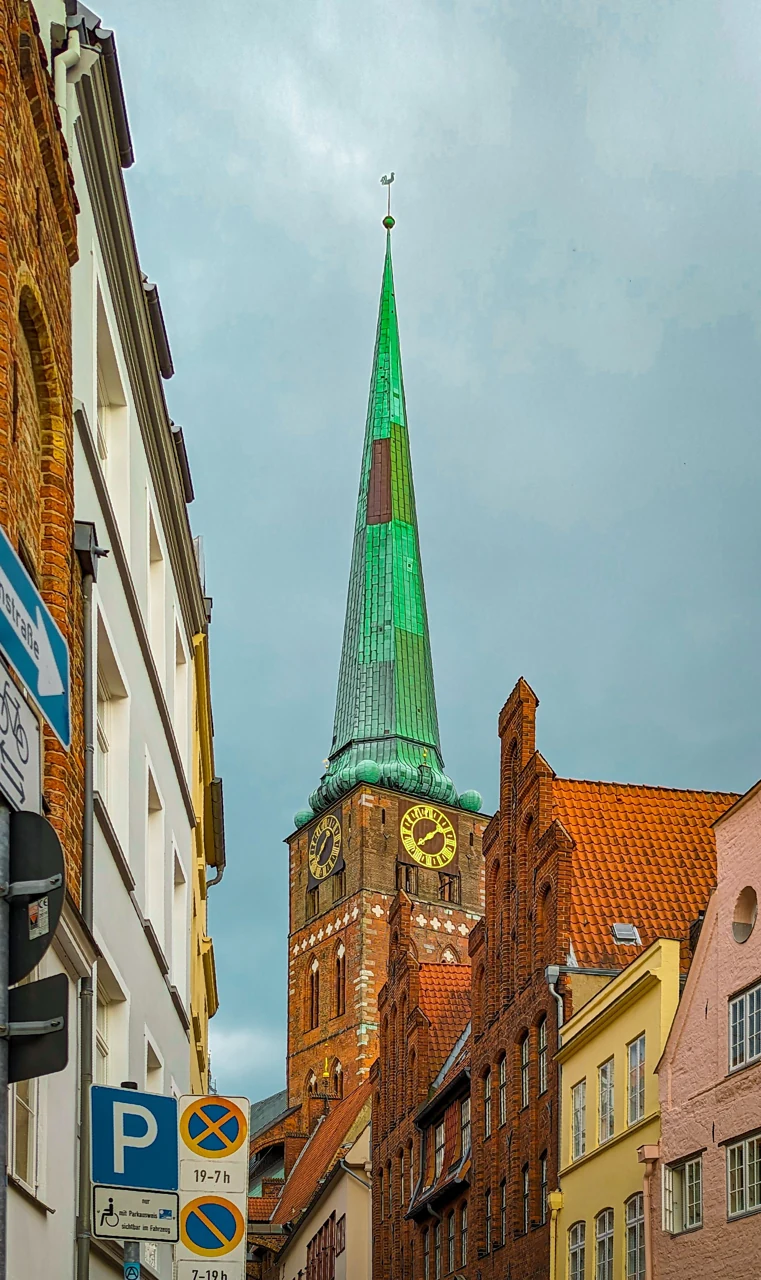
If choosing the northern St Jakobi and Koberg surroundings, the actual Schiffergesellschaft menu page provides a concrete main-meal option. Its linked current menu describes Kapitäns Labskaus with salted beef brisket, fried egg, beetroot, onions, potatoes, sweet-and-sour sides and a matjes herring fillet. It includes fish and egg as well as beef and potatoes. Do not confuse the smaller Labskaus starter with the main; the menu lists a different section and portion.
The meat-free Schiffsjungen Labskaus uses potatoes, beetroot, cucumber, lentils and onions, with an egg or egg-free option. Confirm current composition and service when ordering for a vegan preference. Reserving a table matters for a larger group; naming the historic restaurant does not establish space for everyone. Putting the meal after the courtyard section may let you sit down without competing with limited entrance hours. Recheck dishes and prices before travelling. Marzipan tasting can be an enjoyable addition, but it need not replace a substantial main.
Untertrave or the cathedral: choose the final walk
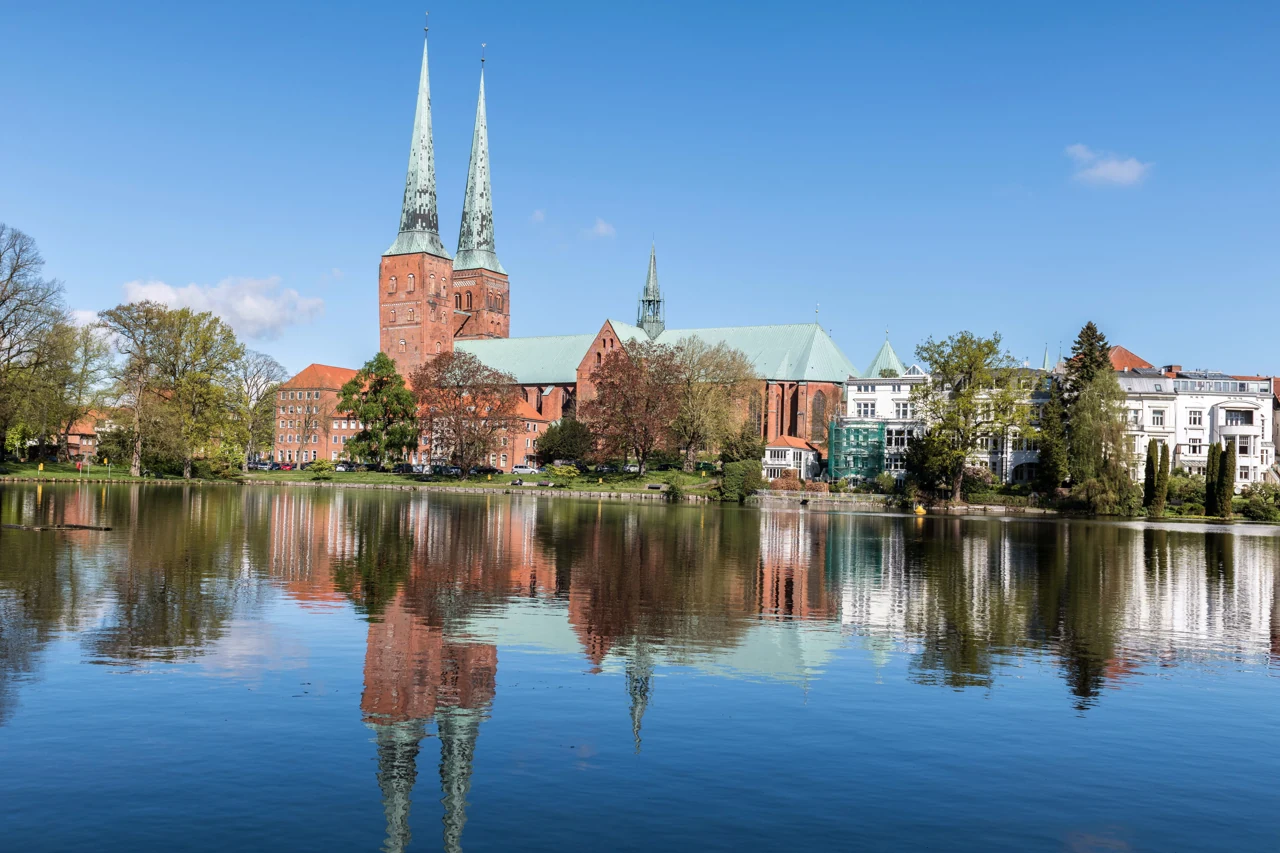
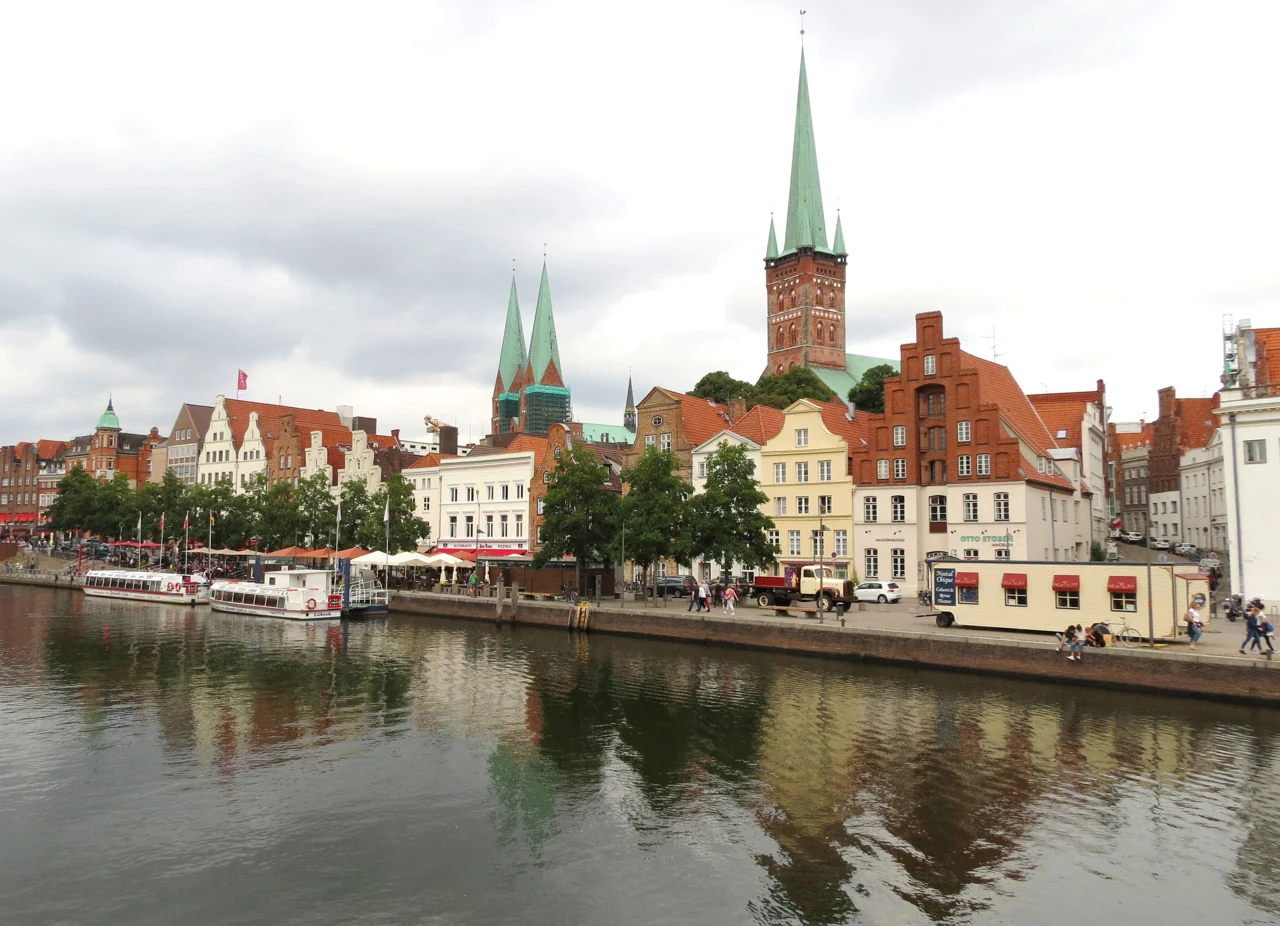
After eating, turn towards Untertrave for water and island facades. A northern harbour-side ending and a southern extension towards the cathedral are different final sections. Choose according to energy and the return journey. Seeing a ship or tour boat does not establish continuous departures that day; an excursion on the water needs actual operator information. Do not identify a brick church tower from a photograph title alone, since different towers can enter the same broad city view.
If continuing to the cathedral, check interior access and shorten the waterside section accordingly. Rain or wind may favour a shorter outside walk and the museum you selected earlier. For a day trip, include the transfer from the northern final stop to the station. Walking every part of the island is possible, but calmly completing your principal first-visit stops is enough. The contrast between a large trading square and a small inhabited courtyard can explain more of Lübeck than counting all its towers in one day.
An island night at Hotel an der Marienkirche
The official Hotel an der Marienkirche page confirms the actual old-town property at Schüsselbuden 4. A central night allows the main square and waterside district to be seen at different hours. Confirm room type, arrival timing and luggage storage directly. A central island location does not imply every vehicle can enter every pedestrian street; obtain the approach and parking arrangements separately. Keeping a museum for the following morning can make the first day's walking and meal programme more comfortable.
When leaving by train, consider the return to Hauptbahnhof before your last courtyard photograph. Missing one limited-entry courtyard need not justify reversing the entire programme in a hurry; another open area may complete the walk well. This route gives brick monuments and smaller living spaces different kinds of attention. A proper meal, a selected museum and a few suitable courtyards make a clear first visit without turning every old-town doorway into an obligation.